





Falta de competencia en el mercado de satélites para aplicaciones de transporte
Con el desarrollo de la TDT se ha introducido en el mercado importantes cambios que no solo afectan a la difusión al hogar sino también al transporte de la señal. En el entorno analógico, el transporte a la distribución por satélite no era una necesidad como ocurre con la TDT, ya que la señal analógica se podía reamplificar captándola de las emisiones de un transmisor cercano. Miguel Pingarrón, director de desarrollo de negocio de SES Astra Ibérica, expone en esta Tribuna su opinión sobre cómo debería afrontarse ese cambio.
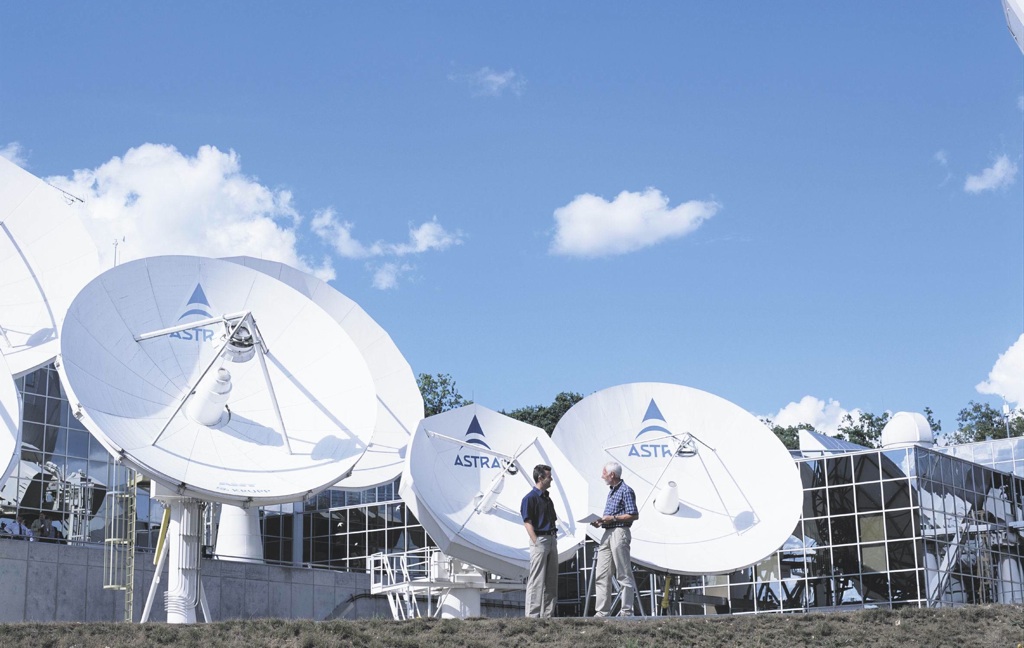
No nos referiremos aquí al mercado de satélites en su globalidad, donde sí existe un entorno competitivo razonable, sino a un servicio reciente como es el de transporte por satélite a los emplazamientos de difusión de la televisión digital terrestre. Los cambios en este mercado son recientes, ya que vienen de la mano del desarrollo de la TDT.
En el entorno analógico, el transporte a la distribución por satélite no era una necesidad como ocurre con la TDT, ya que la señal analógica se podía reamplificar captándola de las emisiones de un transmisor cercano. Así, mediante re-emisores, no era necesario que se llevase la señal primaria hasta los centros de difusión.
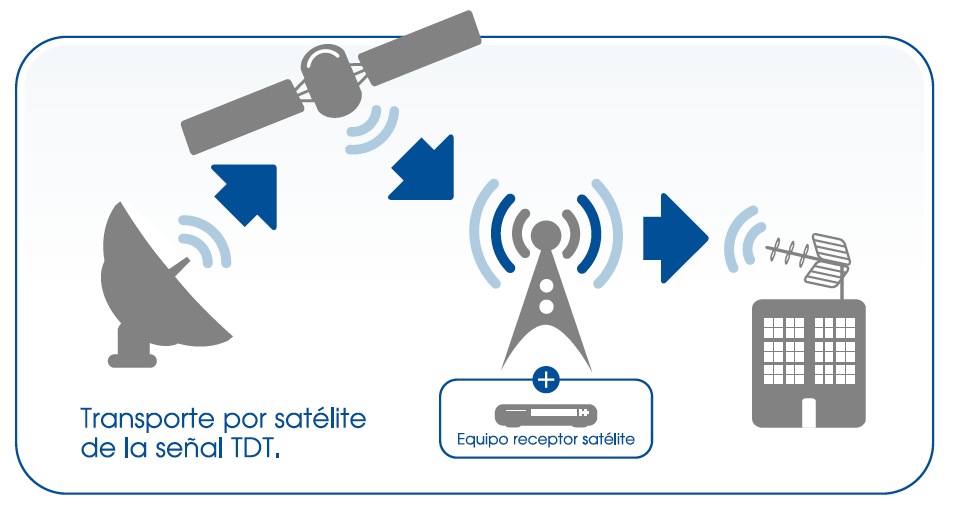
Con la TDT el escenario es distinto. La arquitectura de la red de TDT implica la necesidad de llevar la señal primaria a la mayoría de los emplazamientos de difusión por lo que se crea la necesidad de utilizar el satélite como medio de transporte para llevar estas señales de la TDT a la mayoría de los emplazamientos.
La citada necesidad surge también del número de emplazamientos terrestres existentes. En la mayoría de los países europeos, las redes TDT se componen de un número de emisores TDT muy inferior al caso español. Normalmente son redes de apenas 200 emplazamientos a los cuales se pueden llegar por medio de enlaces terrestres bien de microondas o incluso por fibra.
La particularidad de España es que la red TDT se compone de unos 5.000 emplazamientos (algo menos de la mitad pertenece a Abertis, que es la empresa que presta los servicios de difusión a los radiodifusores, y el resto son pequeños emplazamientos normalmente de titularidad pública).
Sorprendentemente, el organismo regulador español, la Comisión del Mercado de las Telecomunicaciones (CMT), no contempla este cambio en el mercado como relevante y no ha adoptado ninguna decisión dirigida a adaptar el entorno regulatorio aplicable a la nueva situación del mercado para que las diferentes empresas puedan competir de forma real en este sector. A diferencia de la realidad de mercado existente (a la que SES ASTRA se enfrenta día a día), para la CMT la competencia sí existe en este sector. Esta visión irreal e incompleta ha llevado a que ninguno de los distintos análisis de mercado elaborados por la CMT contemple todas las circunstancias y cambios señalados, lo que ha tenido como resultado que los análisis efectuados y las obligaciones impuestas a los operadores con peso significativo en el mercado designados (en concreto, en el mercado 18 de transporte de las señales de televisión) fueran incompletos e insuficientes para garantizar las opciones de competir.
Es evidente que la situación no se ajusta a la realidad y que la CMT, como órgano competente para garantizar el ‘juego limpio’ en el sector, debería (de hecho está obligada) a paliar esta situación adoptando las medidas regulatorias necesarias. No obstante, aunque se le ha requerido en varias ocasiones y a través de diferentes procedimientos, hasta la fecha la CMT no ha adoptado decisión alguna para subsanar esta situación y para implantar soluciones que permitan desarrollar a las compañías sus actividades en un entorno de competencia efectiva.
¿Por qué no existe competencia?
Para dar un servicio de transporte a los emplazamientos TDT hace falta un sistema receptor en los mismos compuesto por una pequeña antena parabólica, de 60 cm a 1,2 m, mas un equipo receptor de satélite también de reducidas dimensiones. Tanto los centros del operador de difusión como los de titularidad pública han sido ya equipados con estos sistemas de recepción para la solución de transporte por satélite de la empresa que presta también los servicios de difusión. Recordemos que para que exista la difusión es necesario transportar la señal a los emplazamientos, en el caso español por satélite, debido al elevado número de sitios.
Se da como circunstancia que los sistemas de recepción por satélite de los emplazamientos de titularidad pública han sido adquiridos por la Administración correspondiente con fondos públicos. Esto supone que para montar una red de transporte por satélite para competir con la red existente, donde gran parte de los sistemas de recepción han sido adquiridos con dinero público, habría que equipar de nuevo los centros actualmente preparados.
Además de una clara discriminación -ya que se estaría pagando con fondos públicos una red de transporte y no a la competidora existe una barrera de entrada insuperable en este sector para cualquier empresa que se planteara ofrecer este servicio.
Desde Astra nos preocupa que esta barrera de entrada haya sido levantada con fondos públicos y que organismos reguladores como la CMT estén dando la espalda a hechos que distorsionan la competencia gravemente.
¿La solución? No parece muy complicada siempre que exista la intención de hacerlo. Se trataría de que cualquier compañía que quisiera competir en este mercado pudiera conectarse a los receptores digitales existentes en los emplazamientos de titularidad pública adquiridos mediante fondos públicos. Es decir, sólo habría que reconocer y garantizar el ejercicio de un derecho de interconexión ya fijado para todos los operadores de comunicaciones electrónicas en la regulación sectorial nacional y europea vigente. Es contrario a principios básicos de libre competencia que estos receptores sólo sirvan para una solución propietaria de una única entidad.
Miguel Pingarrón
Director de desarrollo de negocio de SES Astra Ibérica

Did you like this article?
Subscribe to our NEWSLETTER and you won't miss anything.
Related articles
 La CNMC pide ajustes para reforzar la competencia y la calidad en la radio digital DAB+
 SpaceX completes launch of SES satellites for C-band coverage
 Aspera: tecnologías de transporte de próxima generación para Media
 The lack of professionals, the main challenge for virtual reality
 La industria avanza para evitar el consumo ilegal, pero falta una labor de educación del público
 K2000 y La Competencia comienzan a rodar una nueva serie para ETB
 Fox Türkiye uses Actus systems to monitor its broadcast and that of its competitors
 Hispasat announces the Award for the Best Innovation Project for Satellites
 Para Pol Turrents el reto al que se enfrentan las cadenas de TV es el paso a 4K, el problema: la falta de contenido
 MultiDyne lanza una solución de transporte por fibra con soporte para 4K
 Petrol diseña una bolsa de transporte para los populares Litepanels 1×1
 Competition sees in the LaSexta-Antena merger 3 possible obstacles to effective competition
 AMX presentará en Broadcast IT 2011 sus soluciones para control y transporte
 Cameron ve en la falta de contenidos el principal escollo para el 3D en tv a corto plazo