





IBC recognizes the International Olympic Committee for the preservation of its archives
Los IBC Awards otorgan un premio especial de reconocimiento al Comité Olímpico Internacional por la preservación de miles de videos, películas y audios, piezas de museo, imágenes y documentos de archivo.
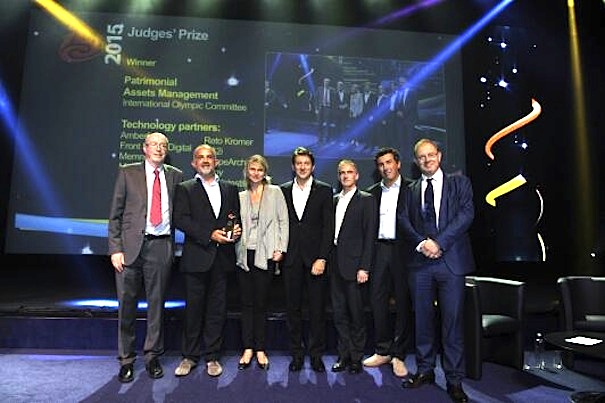
El Comité Olímpico Internacional ha sido galardonado en IBC 2015 por la labor de conservación y administración de sus archivos audiovisuales mediante su programa de Administración de Activos Patrimoniales (AAP). El premio reconoce el enfoque positivo del COI, ya que, por un lado, preserva el material de archivo y, por otro, pone los archivos a disposición de los productores de medios de comunicación, investigadores y otros profesionales.
Los archivos audiovisuales se remontan a los primeros Juegos Olímpicos de la era moderna, celebrados en 1896, e incluyen 2.000 horas de rollos de películas, 33.000 horas de videos, 8.500 horas de audio y más de 500.000 fotografías, así como 2.000 documentos de archivo y 22.000 imágenes de piezas del Museo Olímpico.
“El programa de AAP del COI ha permitido salvaguardar el rico legado del COI mediante la restauración de los archivos históricos del organismo e insertarlos en el siglo XXI”, dijo Christophe de Kepper, el director general del COI. “Es nuestro deber perpetuar la herencia cultural de más de un siglo de historia olímpica que nuestros antecesores nos legaron. El patrimonio del COI ahora puede resistir sin problemas el paso del tiempo.”
Michael Lumley, presidente del panel de Premiación del IBC, agregó que “este proyecto es muy importante por dos razones. Primero, garantiza la preservación de más de un siglo de historial olímpico. Pero tal vez el aspecto más importante es que lleva el foco de la industria sobre un aspecto que es muy fácil de soslayar”.
“El riesgo de que nuestros archivos se tornaran inaccesibles, no sólo por el deterioro de los soportes físicos, sino también porque los aparatos para reproducirlos se vuelven obsoletos y casi imposibles de replicar”, afirmó Lumley. “Los medios, las productoras y cualquiera que tenga un archivo audiovisual puede analizar el proyecto de Administración de Activos Patrimoniales del COI para ver un modelo de Conservación y acceso. IBC se complace en concitar la atención sobre este tema a través de el premio que otorga, así como reconocer el excelente trabajo que está llevando a cabo el COI.”
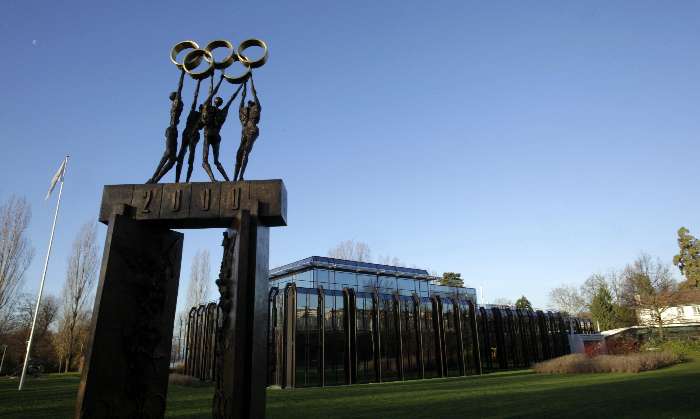
Un proyecto de gran magnitud
Al comienzo de este proyecto, los archivistas del COI efectuaron un estudio en profundidad y hallaron que, en pocos años, la mitad de los videos no se podrían reproducir, el 20% de las fotografías descoloridas no se podrían utilizar, y no se conseguirían reproductores de audio para una buena parte de la colección. En las cintas, avanzaba el deterioro químico por el “síndrome del vinagre”, y crecía el riesgo de destrucción total.
Se montó un programa de conservación al cual se sumaron equipos de expertos de todo el mundo con dotes específicas para la restauración, preservación y digitalización del material. Se contrató un equipo de 40 especialistas: almacenadores de datos, técnicos, ingenieros, un abogado, un administrador de web (webmaster) y gestores de proyecto.
Al mismo tiempo, se implementó un sistema de administración de materiales de archivo, que tiene una funcionalidad adaptada a las necesidades de un archivo multimedia realmente integrado, desde la digitalización de los medios físicos hasta el sitio web y la distribución del material digital.
La finalización del proyecto llevó siete años, con un total de 100.000 horas de trabajo combinado, con catalogación, realización de índices, operación técnica y adquisición de derechos de PI. Diariamente se procesaron entre 40 y 125 fotos y 15-20 horas de grabaciones; se escaneó, se limpió digitalmente, se reparó y se corrigió el color en los casos en que era necesario.
Hoy, el sitio web “empresa a empresa” (business-to-business) de los archivos del COI, La Biblioteca Multimedia Olímpica, recibe 1.200 visitas mensuales de profesionales así como del personal interno del COI.
Una labor minuciosa
El programa de AAP del COI tuvo su base en la sede central del movimiento ubicada en Lausana, Suiza. Las cintas más valiosas, un cuarto de la colección, fueron restauradas, digitalizadas e inscriptas en nuevas películas por Protek de Estados Unidos, y el resto de las películas las limpió y reacondicionó Reto Kromer de Suiza.
En los lugares donde el COI aún contaba con reproductores de video, digitalizó las grabaciones por cuenta propia, y los formatos más antiguos se enviaron a Vision Global de Canadá y Sony de Francia. Los audios así como la mitad de la colección de video compuesta por diversos formatos antiguos los trabajó Memnon, hoy integrada en Sony, en Suecia y Bélgica. Respecto de la cantidad inmensa de fotos, las que necesitaban más trabajo de restauración las tomó el Instituto Suizo para la Conservación de la Fotografía, y las restantes las canalizó Onasia de Tailandia.
La integración de sistemas de administración de archivos la encabezó RS2i, con sus socios tecnológicos Amberfin, Front Porch Digital y Ninsight. Se aprovechó la oportunidad para autorizar una búsqueda federada en todos los archivos mediante un rastreo que utiliza una base única de conocimiento común y que requirió una ontología que abarcó más de 400.000 términos y conceptos de búsqueda, desarrollada por Mondeca. Asimismo, los archivos de papel se integraron utilizando el sistema ScopeArchiv, y también se extendió la administración de archivos para incluir unas 20.000 piezas de museo mediante una solución provista por Zetcom.
El programa de AAP puede haber llegado a su fin, pero el compromiso del COI con su patrimonio en buena parte sigue en marcha. Por ejemplo, cada versión de los Juegos Olímpicos de Verano suma unas 3500 horas de video y unas 40.000 fotos.
Acceso al ESPECIALIBC 2015 en Panorama Audiovisual
Did you like this article?
Subscribe to our NEWSLETTER and you won't miss anything.
Related articles
 La Academia reconoce a Sigourney Weaver con el Goya Internacional 2024
 Ana María Bordas, re-elected vice president of the EBU TV Committee and Alberto Fernández, member of the Digital Committee
 The International Federation of Television Archives (FIAT/IFTA) addresses the challenges of the sector at its 45th annual conference
 Atos and the International Olympic Committee expand their collaboration
 The National Library of Spain digitizes its audiovisual archives with Sony
 The CCMA celebrates International Archives Day with a technical talk and a visit to the TV3 archive
 Olympic Channel appoints Mary Byrne as editor-in-chief
 El COI estrenará su nuevo Canal Olímpico el 21 de agosto
 IBC recognizes the conservation and archiving work of the International Olympic Committee with its Honor Award
 AJA Technology ayudó al Comité Paralímpico Internacional a ampliar la cobertura de los Juegos de Sochi
 Sony helps equip BT Sport studios at Queen Elizabeth II Olympic Park in London
 Tedial presents its new Archivator solution for the conservation of digital files in Denmark
 Sony and Conservation International raise awareness about biological diversity with the help of 3D
 IEC at the Montjuic Olympic Stadium