





The new Lumix GH6 incorporates a 25 MP sensor, 5.7K video at 60p and internal Apple ProRes recording
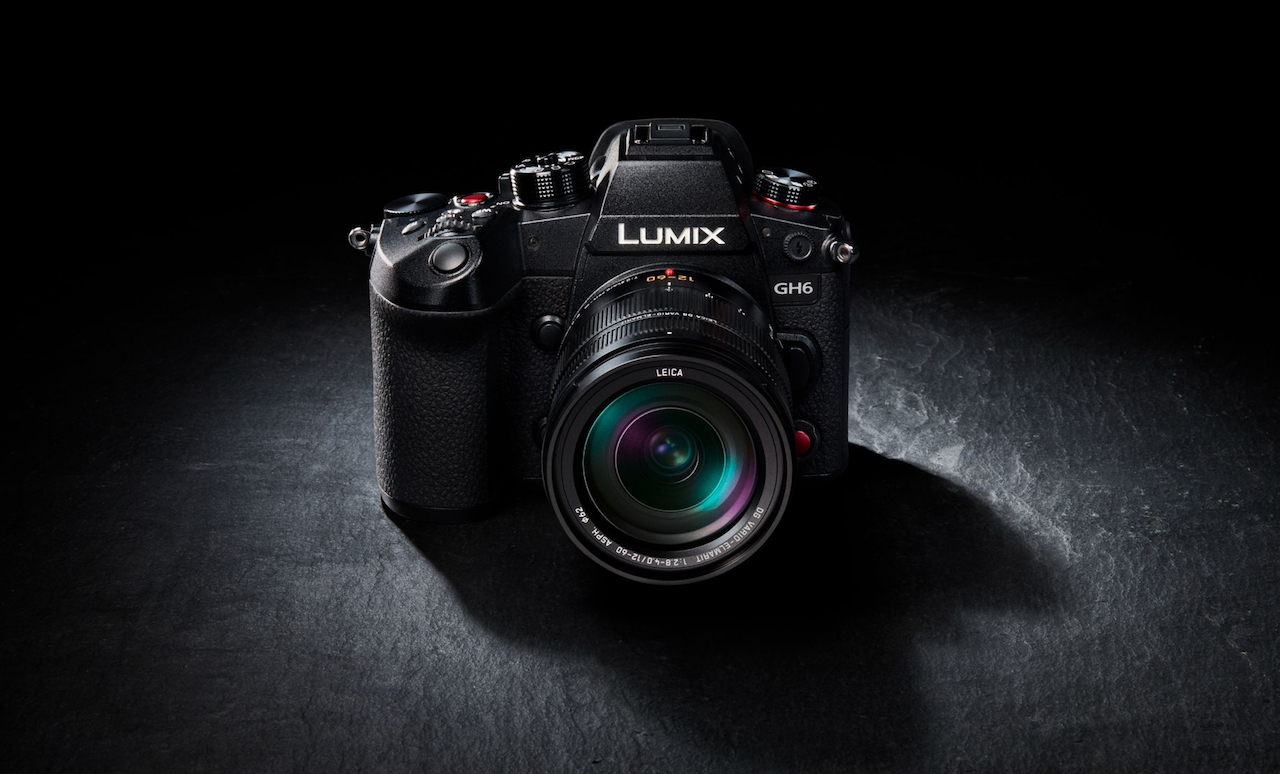
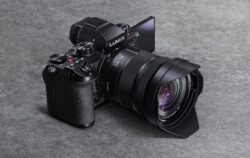
Panasonic estrena la Lumix GH6, con un nuevo sensor de imagen de 25.2 megapíxeles, grabación ilimitada hasta 5.7K/60p, 4:2:2 de 10 bits, un flujo de trabajo más rápido gracias al soporte Apple Pro Res HQ, alta velocidad de fotogramas 4K/120p, hasta 300 fotogramas por segundo y cuatro canales de audio.
Desde que Panasonic presentó el primer modelo de la serie Lumix GH allá por 2009, la serie GH ha ido evolucionando con características innovadoras en lo que a la grabación de vídeo se refiere.
Este nuevo modelo mantiene la grabación de vídeo interna de 5.7K 30p disponible en Apple ProRes 422 HQ y Apple ProRes 422, por primera vez en la serie Lumix para permitir la edición no lineal sin transcodificación.
Los modos de grabación anamórficos (4:3) 5.7K 4:2:0 10 bits 60p/50p y el 5.8K 30p/25p/24p (4.4k 60p) 4:2:0 10 bits ofrecen mayor resolución y una mayor tasa de bits que nunca. Esto permite conseguir lo último en alta calidad de imagen, versatilidad y alcance necesarios para cine, televisión y todo tipo de producciones de vídeo.
La Lumix GH6 también consigue una grabación interna en 4:2:2 de 10 bits Cinema 4K 60p, y una salida simultánea en 4:2:2 10 de bits Cinema 4K 60p a través de HDMI.
La grabación de vídeo 4:2:0 de 10 bits 4K 120p (equivalente a 5x de cámara lenta a 24p) y 4:2:2 de 10 bits FHD 240p HFR (High Frame Rate) con audio está disponible para mejorar la creatividad con cambios de velocidad. Su FHD máximo de 300fps (equivalente a 12,5x de cámara lenta) VFR (Variable Frame Rate) permite el movimiento dinámico de un sujeto.
El sobrecalentamiento puede ser un problema sustancial para la grabación continua de vídeo, especialmente cuando se aumenta la resolución y la velocidad de los fotogramas. A pesar de ello, la Lumix GH6 consigue un tiempo de grabación de vídeo ilimitado en todos los modos, ya que optimiza la ruta de disipación del calor con un mecanismo de ventilador de refrigeración forzada.
Nuevo firmware
En el futuro, se lanzará una actualización de firmware para la GH6 que será compatible con: Cinema 4K ProRes 422 HQ / ProRes 422; FHD ProRes 422 HQ / ProRes 422; grabación directa USB-SSD; salida de vídeo HDMI 4K 120p durante el Live View; salida de datos de vídeo RAW Cinema 4K 120p HDMI a ATOMOS Ninja V+; y estabilización de imagen de alta calidad.
En este último aspecto, la nueva propuesta de Panasonic permite una óptima grabación a mano alzada, la Lumix GH6 utiliza un nuevo sensor giroscópico de 5 ejes de alta precisión con un nuevo algoritmo. Esto permite conseguir una potente estabilización de 7.5 pasos de Body I.S. y Dual I.S.2.
El Dual I.S.2. de 5 ejes funciona a la perfección para grabar secuencias de vídeo naturales. Aplica la compensación adecuada según el tipo de movimiento juzgando con precisión la causa, ya sea generado por el paneo, la inclinación o el movimiento de la mano. El estabilizador del cuerpo B.I.S. compensa el movimiento de la cámara incluso cuando se utiliza un objetivo que no está estabilizado (por ejemplo, un objetivo de cine totalmente mecánico).
Con esta potente estabilización de la imagen, se puede disparar incluso una imagen de alta resolución sin trípode en el modo específico de alta resolución.
Al disparar y sintetizar automáticamente ocho imágenes consecutivas mientras se desplaza el sensor de 25 megapíxeles mediante el mecanismo Body I.S. (estabilizador de imagen), la GH6 crea una imagen equivalente de hasta 100 megapíxeles (11552 x 8672 píxeles).
Este nuevo modelo reproduce fielmente los detalles precisos para guardarlos como imágenes de gran realismo, tanto en RAW como en JPEG. Gracias a su diseño compacto y ligero, y a su potente sistema de estabilización en el cuerpo, la Lumix GH6 permite realizar disparos que antes se consideraban imposibles, como la toma de telephoto shooting a mano.
Alto rango dinámico
La Lumix GH6 proporciona +12 pasos de rango dinámico para la grabación V-Log ya preinstalado, ampliándose a +13 pasos cuando se utiliza el modo Dynamic Range Boost.
Con el nuevo modo Dynamic Range Boost, se sintetiza en cada píxel una imagen altamente saturada generada por el circuito ISO bajo y una imagen de bajo ruido generada por el circuito ISO alto. La imagen compuesta logra un bajo ruido y una alta saturación, lo que da como resultado un vídeo HDR*2 claro y suave con una rica gradación.
La Lumix GH6 también contiene V-log/V-Gamut completo, por primera vez en una cámara Lumix G, para ofrecer un alto rango dinámico con amplitud de colores. V-Log ofrece una imagen muy plana manteniendo toda la información de color dentro de la imagen, lo que permite un mayor nivel de flexibilidad de edición en el proceso de postproducción. El sensor Live MOS de la GH6 consigue una amplia gama de colores conocida como V-Gamut. Este es el espacio de color óptimo de la GH6, que es más amplio que BT.2020.
Los usuarios podrán disfrutar de una impresionante precisión en la reproducción del color, con gradaciones sutiles desde las zonas oscuras a las claras y un control preciso de la información de color en postproducción.
La Lumix GH6 importa la reconocida colorimetría de la línea de cámaras de cine VariCam de Panasonic. La V709 LUT (Look Up Table) con el estándar Rec.709 está disponible en la cámara por defecto. Por primera vez y para mayor comodidad, el V-Log View Assist (que puede aplicar LUTs en tiempo real) admite la importación de formatos de archivo .CUBE y .VLT.
Audio de 4 canales
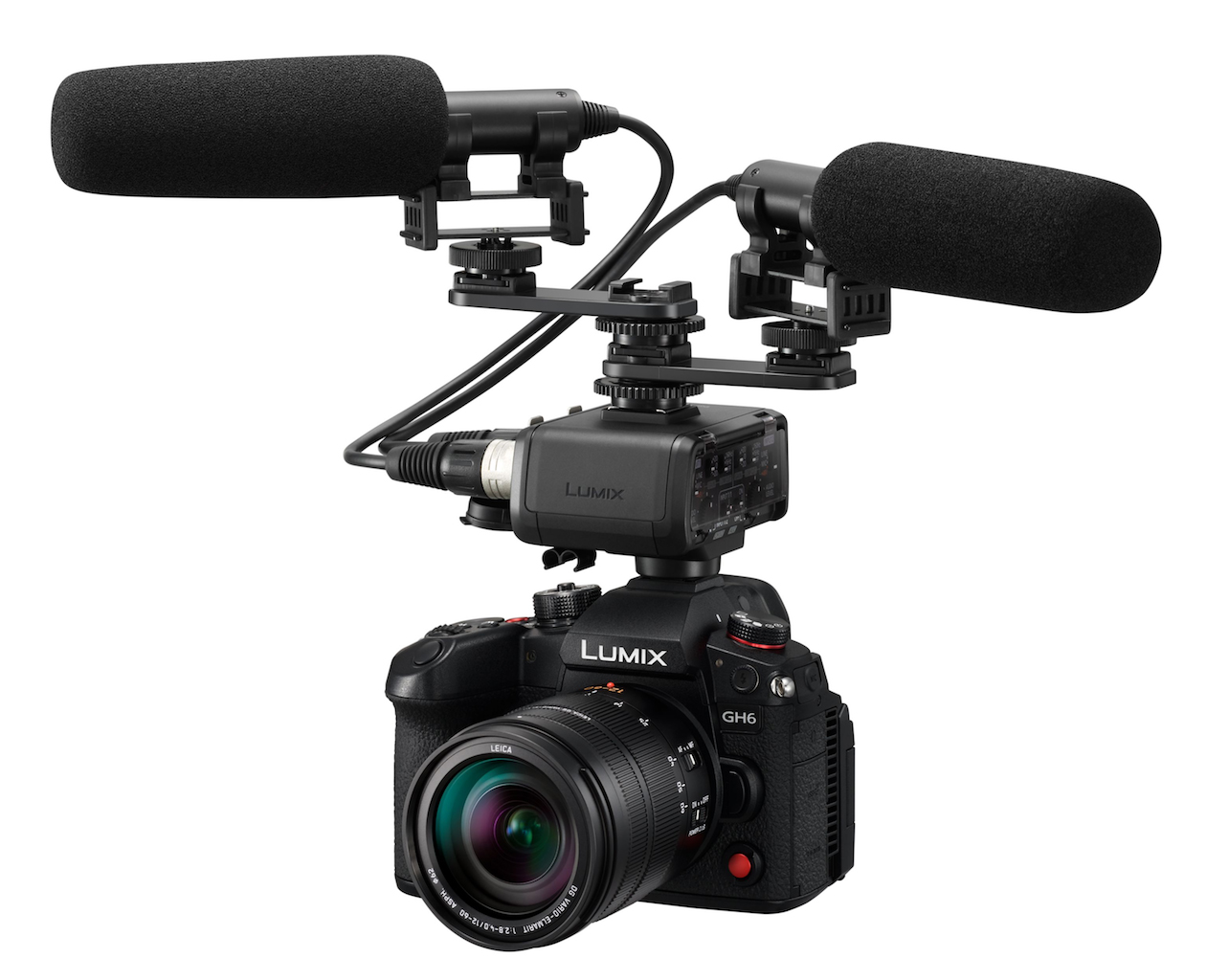
En cuanto a audio, la GH6 incorpora grabación de 4 canales a 48kHz o 96kHz a 24 bits cuando se conecta un adaptador de micrófono XLR. Esto proporciona una mayor flexibilidad para grabar en exteriores (disponible en ProRes y MOV), cuando hay varias fuentes de audio, o cuando se graba audio de backup.
La grabación de 2 canales a 48kHz de 24 bits también es posible con el micrófono incorporado, así como la grabación de 2 canales a 96kHz de 24 bits en alta resolución con un micrófono externo.
También se pueden cambiar los canales que se van a monitorizar a través de los auriculares, incluso durante la grabación de vídeo, y se puede acceder directamente a los menús de audio con un botón de función inteligente en la parte superior de la cámara para comprobar fácilmente los niveles de sonido.
Funciones prácticas
La Lumix GH6 también ofrece una gran cantidad de funciones prácticas con configuraciones útiles en Photo Style, incluyendo diferentes preajustes de gama Cinelike, como ‘Cinelike D2’ y ‘Cinelike V2’, que tienen características de ajuste de gama similares para la producción de películas.
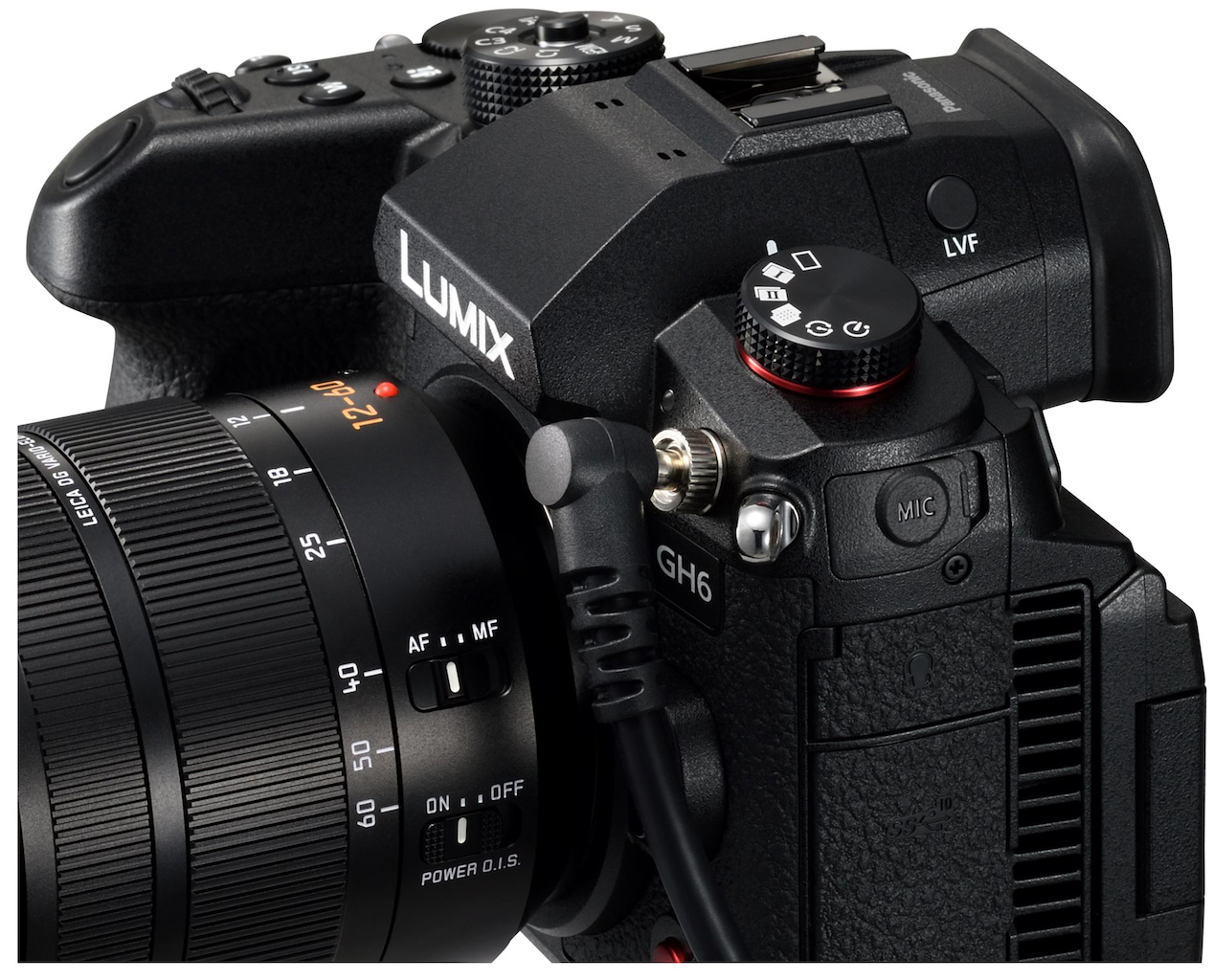
En respuesta a las peticiones de los usuarios, también están disponibles diferentes funciones de asistencia de vídeo: monitor en forma de onda, patrón cebra, medidor de punto de luminancia, marcador del encuadre, pantalla de previsualización de modo anamórfico sin compresión, indicador marco rojo en pantalla cuando estamos en modo REC y las luces Tally en la parte delantera y trasera.
Una novedad de la Lumix GH6 es el marcador de zona de seguridad, que muestra una guía del 95%, 90% o 80% del área de grabación para asegurar la zona de seguridad para la composición, los logotipos, las superposiciones y los subtítulos. También está disponible un marcador central que puede elegirse entre diferentes tipos. En el ajuste de la temperatura del color, ahora se pueden mostrar los valores Kelvin en la pantalla de grabación.
También se pueden grabar vídeos timelapse 4K 60p con la cámara. Con la función de nivelación de la exposición, la exposición se ajusta automáticamente para evitar grandes cambios de brillo entre fotogramas adyacentes para producir un contenido de timelapse equitativo.
The asistencia MF durante la grabación de vídeo (hasta 60p) es compatible con la GH6, permitiendo al usuario ampliar la pantalla hasta 6x para comprobar el enfoque. Si se utiliza AF-ON o se toca la pantalla mientras está en el modo de asistencia MF, la cámara enfoca automáticamente la zona seleccionada, lo que también es posible durante la grabación.
Nuevo sensor Live MOS
Panasonic ha desarrollado un nuevo sensor Live MOS de 25.2 megapíxeles sin LPF (filtro de paso bajo) que potencia una alta resolución y una lectura de la señal de alta velocidad que permite reducir el rolling shutter y conseguir un amplio rango dinámico.
El nuevo procesador Venus de la GH6 permite que las tecnologías avanzadas de procesamiento de imágenes ofrezcan imágenes de alta resolución con una textura de ruido natural y una gran reproducción del color, un rasgo distintivo de las cámaras LUMIX.
El nuevo procesador ofrece aproximadamente el doble de potencia de procesamiento, lo que permite procesar a alta velocidad el mayor número de píxeles del nuevo sensor y el vídeo de mayor resolución y velocidad de bits.
Esta evolución incluye tres tecnologías clave:
Nuevo procesamiento inteligente de detalles: detecta los elementos planos, detallados y con bordes en un fotograma con mayor precisión para producir una imagen altamente realista.
Reducción de Ruido 2D: suprime el ruido cromático y mejora la textura del ruido lumínico para conseguir imágenes nítidas y naturales, incluso cuando se graba a alta sensibilidad.
Reducción de ruido 3D de alta precisión para vídeo: se ha avanzado en la capacidad de detección de partes fijas y móviles, lo que permite optimizar la reducción de ruido y minimizar las imágenes residuales. Como resultado, se mejora la calidad de imagen de los vídeos con movimiento dinámico. Además, el control de color 3D Dual de alta precisión mejora la reproducción del color por nivel de brillo, nivel de saturación y nivel de tono para una expresión de color muy realista.
La combinación del nuevo sensor avanzado con un rendimiento de saturación mejorado y el nuevo procesador permite obtener una imagen más nítida incluso con una alta resolución de 25.2 megapíxeles y una sensibilidad ISO mínima inferior a ISO 100 [Foto: ISO 50(ampliado) – 25600 / Vídeo: ISO 50(ampliado) -12800].
Operatividad intuitiva
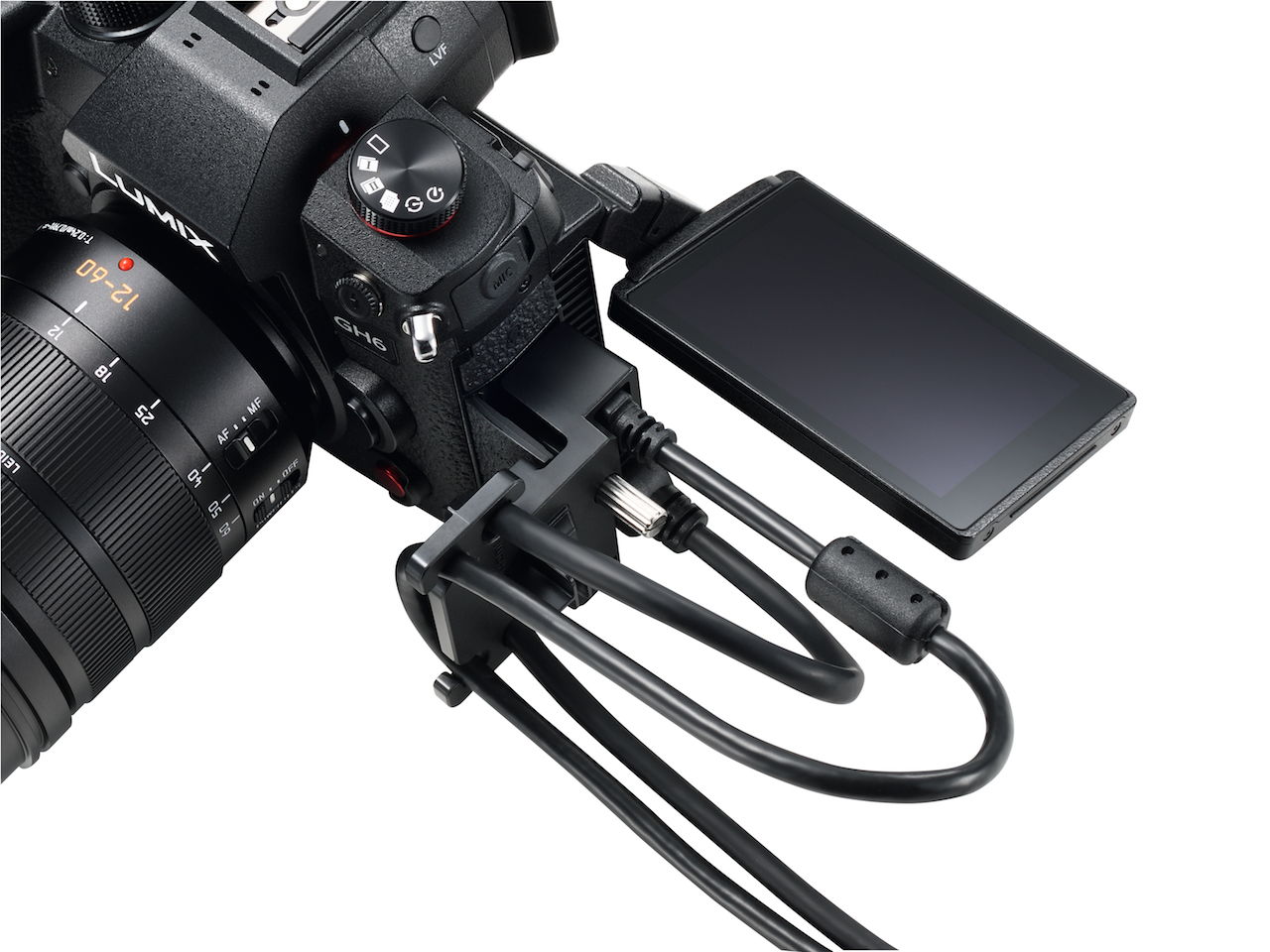
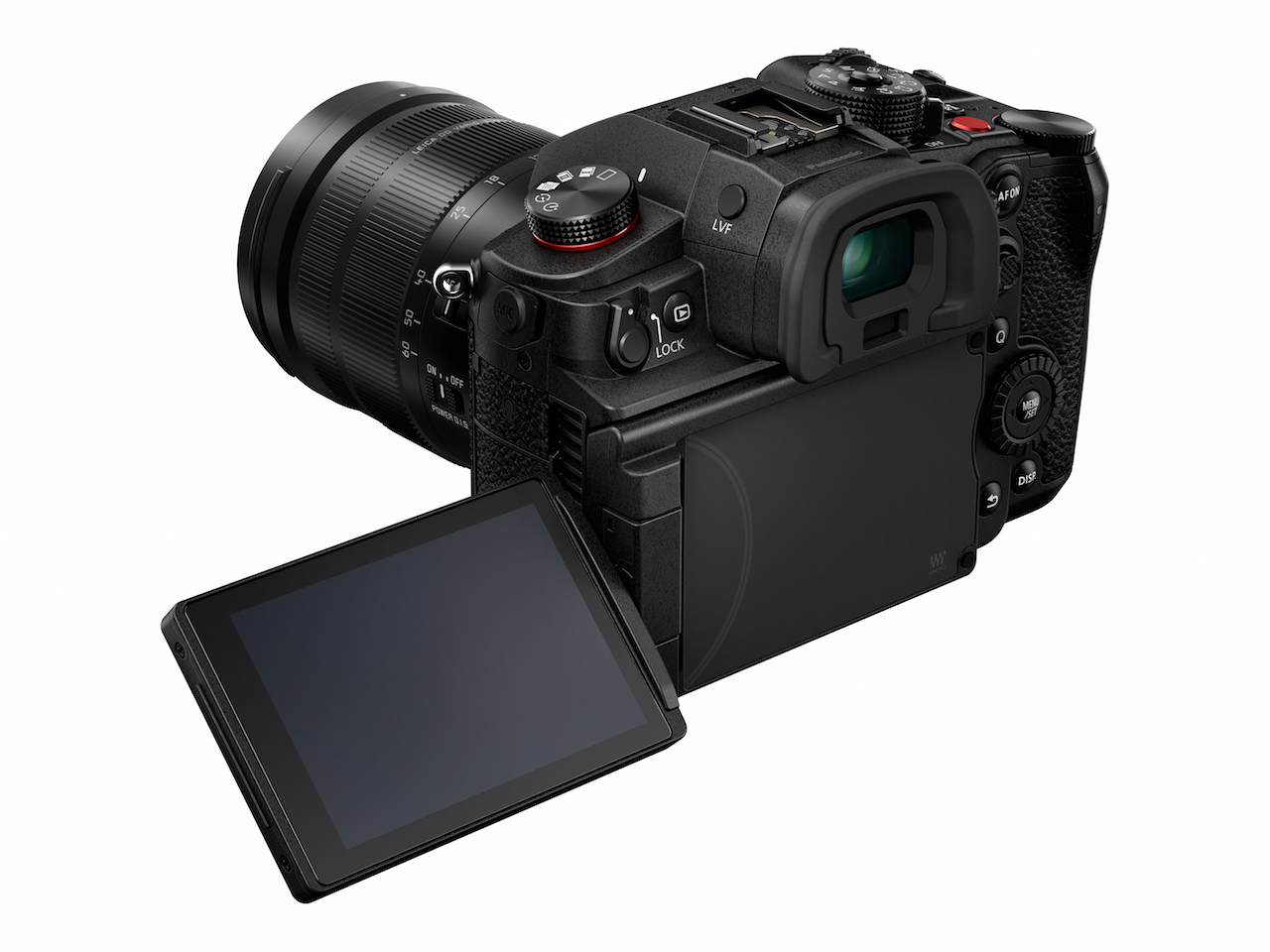
La Lumix GH6 incorpora una pantalla de control táctil de inclinación y ángulo libre de 3.0 pulgadas con aspecto 3:2 y alta resolución de 1.840K puntos. La pantalla de inclinación y ángulo libre permite una mayor flexibilidad y una cómoda rotación incluso con un cable HDMI y un cable USB conectados a la cámara.
Para conseguir el enfoque de alta precisión, la Lumix GH6 ofrece opciones para el enfoque manual. Mientras el enfoque habitual se desplaza según la velocidad de rotación del anillo de enfoque y el ajuste no es lineal, el enfoque manual lineal se desplaza según el ángulo de rotación del anillo de enfoque para ajuste más suave y lineal.
La sensibilidad (cantidad de cambio de enfoque por ángulo de rotación) puede seleccionarse de 90 a 360 grados por 30 grados (el ajuste máximo es de 1080 grados) para permitir la operación de enfoque prevista.
He visor en tiempo real de 3.680k puntos y 0.76x utiliza una pantalla OLED de gran capacidad de respuesta y visión para capturar incluso, los sujetos que se mueven rápidamente con gran detalle. Además, la pantalla de alto contraste (aproximadamente 10.000:1) presenta el sujeto con finas gradaciones y alta claridad.
Gracias a la mayor velocidad de lectura del nuevo sensor y a la mayor capacidad de procesamiento del nuevo procesador Venus, la Lumix GH6 también permite disparar en ráfaga AFS con el obturador electrónico a 75 fotogramas por segundo con una resolución de 25.2 megapíxeles. La mayor velocidad de lectura del sensor también minimiza la distorsión del rolling shutter y permite capturar imágenes demasiado rápidas para ser procesadas a simple vista.
Robustez
La robustez y resistencia del cuerpo de la Lumix GH6 con el chasis delatantero/trasero de aleación de magnesio, permite soportar los terrenos de grabación más adversos. No solo es resistente a las salpicaduras, sino también al polvo y a la congelación hasta -10 grados centígrados. La unidad de obturación también es resistente, con una durabilidad aproximada de 200.000 ciclos.
El botón de grabación está situado tanto en la parte superior como en la parte frontal de la cámara, lo que facilita el inicio y la detención de la grabación, incluso cuando se graba en un ángulo bajo o con un rig de hombro.
La Lumix GH6 está equipada con doble ranura para tarjetas. La tarjeta CFexpress (tipo B) admite la grabación interna de vídeo de alta tasa de bits a 800Mbps o más, incluyendo 5.7K 30p ProRes 422 HQ y C4K 60p ALL-I. La tarjeta de memoria SD UHS II V90 acepta la grabación interna de vídeo hasta 600 Mbps, y también es posible elegir el método de grabación entre la grabación por relé, la grabación de copia de seguridad y la grabación por asignación, utilizando tanto la tarjeta de memoria SD como la CFexpress.
Para el terminal, se proporciona un HDMI de tamaño grande (tipo A). Además, se incluye un soporte de bloqueo del cable HDMI/USB para evitar problemas como el desenchufado en el momento de rodaje. Este modelo es compatible con el USB 3.2 Gen 2 para una escritura y lectura de alta velocidad. La batería de alta capacidad de 2200mAh puede recargarse mediante corriente o con un powerbank externo, en función de las preferencias del usuario. También es compatible con USB PD (Power Delivery) cuando se emplea el correspondiente cargador de batería DMW-BTC15.
La Lumix GH6 también es compatible con la sincronización Time Code IN/OUT a través del terminal de sincronización del flash y el cable convertidor BNC, incluido con el cable BNC. Estas características facilitan la edición no lineal de las secuencias grabadas con varias cámaras.
Además del Wi-FI de 2,4 GHz (IEEE802.11b/g/n), también está disponible el Wi-Fi de 5 GHz (IEEE802.11ac). Esta característica proporciona una conexión segura y estable con smartphones, tablets y otros dispositivos para un control remoto seguro.
La velocidad de transmisión de los datos de foto/vídeo también se incrementa al utilizar la banda de 5 GHz.
The compatibilidad con Bluetooth 5.0 (BLE: Bluetooth Low Energy) permite una conexión con un smartphone o tablet con un consumo mínimo de energía. Los ajustes de la GH6 pueden copiarse y transmitirse de forma inalámbrica a otras GH6 cuando se utilizan varias cámaras.
La aplicación Lumix Sync, disponible en dispositivos iOS/Android, permite el control remoto de la cámara mediante un smartphone o tablet con conexión inalámbrica. Además del control inalámbrico a través de un disparador remoto DMW-RS2 (se vende por separado), el software de la aplicación Lumix Tether permite el disparo con conexión a través de USB.
Los usuarios pueden controlar la cámara conectándola a un ordenador mediante USB, lo que les permite ver la imagen en una pantalla de ordenador mientras disparan.
Por último, destaca que la serie Lumix G de Panasonic cuenta con una gama de más de 30 objetivos Micro Cuatro Tercios para elegir.
Did you like this article?
Subscribe to our NEWSLETTER and you won't miss anything.
Related articles
 EOS R6 Mark III, Canon's new hybrid camera with a 32 MP sensor and 7K RAW recording
 Blackmagic Design launches support for the Apple ProRes RAW format
 Panasonic multiplies the video recording capabilities of the Lumix S1RII, S1II and S1IIE
 Panasonic Lumix S1RII: a hybrid camera with full-sensor 8K recording
 Panasonic launches the Lumix S5D, mirrorless with 4K60p 4:2:0 10-bit recording
 Lumix FZ82: the new Panasonic camera with 60x zoom and 4K recording
 Canon develops the new Cinema EOS C400 with RF mount, full frame sensor and 6K RAW recording
 Lumix S5, Panasonic's new full-frame hybrid camera that offers exceptional video in a compact body
 The Atomos will record 4kp59.94 10-bit 422 Apple ProRes or Avid DNx on the new Canon EOS R5 and EOS R6
 Atomos Ninja V Delivers 4K 10-Bit 422 HDR Recording to the Panasonic Lumix S1
 Panasonic Lumix GH5S: 4K video recording optimized for high sensitivities
 Snell announces support for Apple ProRes in Alchemist OD
 Blackmagic adds ProRes 422 (HQ) for recording and playback on HyperDeck Shuttle 2
 Vector 3 anuncia en IBC el soporte para el codec ProRes de Apple