





The crucial moment: the consolidation of the IP in Telemadrid
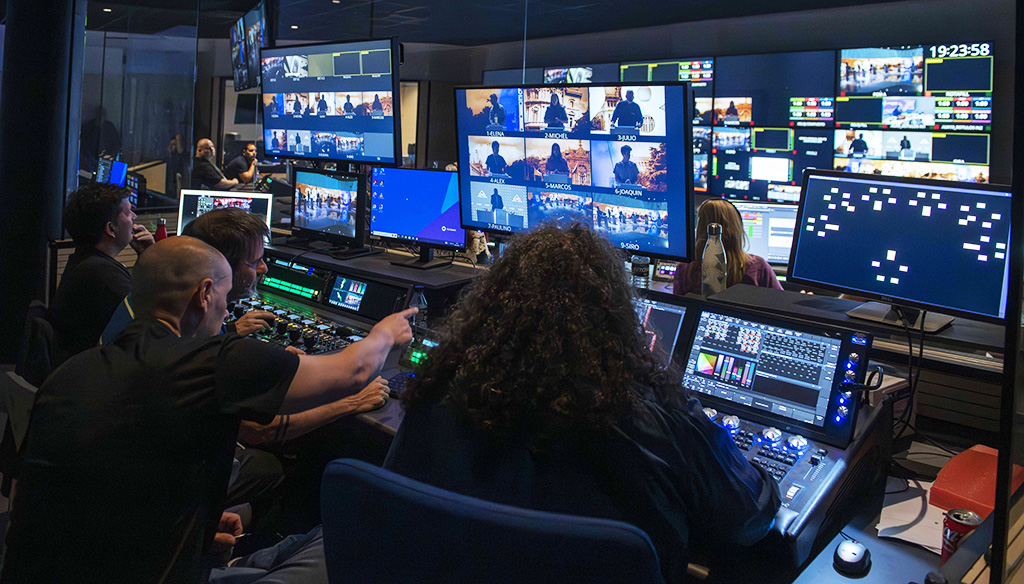

José María Casaos, CTO de RTVM, arroja luz sobre cómo ha sido la puesta en marcha de la nueva infraestructura IP de Telemadrid, probada en formatos de alta exigencia y ya usada diariamente en la televisión pública madrileña.
El salto al IP de Telemadrid, ya como adelantó José María Casaos en una tribuna en Panorama Audiovisual, nació como parte de un plan de transformación digital transversal. Mediante la modificación de su infraestructura, la radiotelevisión pública madrileña tenía la oportunidad de modernizar un centro de producción con veinticinco años de historia que, dada la alta exigencia de su programación y su apuesta por el directo, precisaba de nuevas funcionalidades, capacidades y mejoras.
Ahora, se puede decir que el IP ya es una realidad en Telemadrid. El proyecto está al 50%, puesto que todavía queda por habilitar un nuevo control que transforme en su totalidad el modelo de producción de RTVM. Pero la otra mitad ya funciona a pleno rendimiento, con importantes beneficios operacionales y una puesta en escena que ha permitido a la televisión mirar a los ojos a muchas otras cadenas de alcance nacional en el panorama broadcast español.
Casaos relata cómo fueron los pasos previos a la puesta en marcha de este modelo IP con el debate electoral de las elecciones autonómicas madrileñas, cuáles son las soluciones que han alimentado esta nueva era en Telemadrid, y se explaya en los beneficios visuales y operacionales del IP. Antes había dudas, pero ahora ya no: para Telemadrid, el IP ya es el presente.
Estreno por todo lo alto
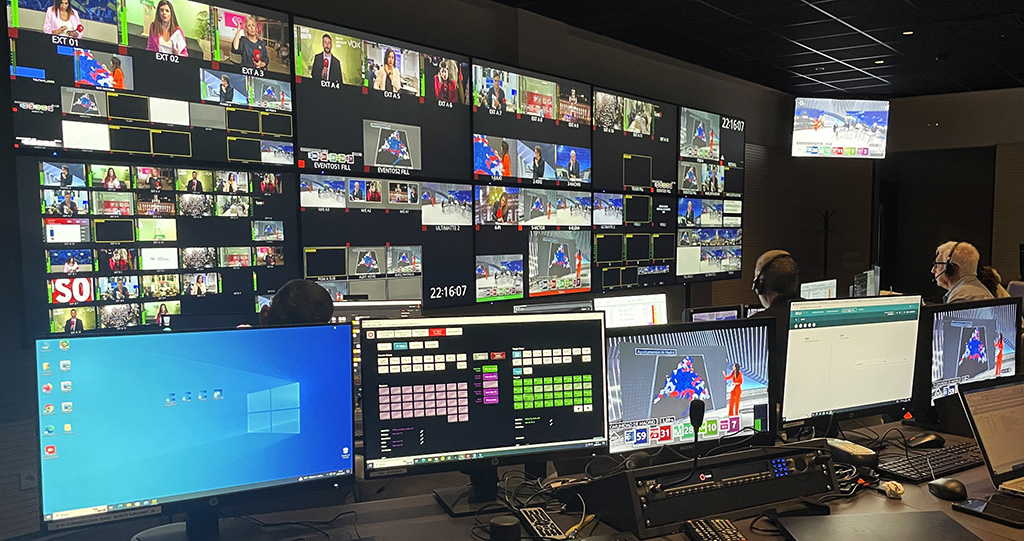
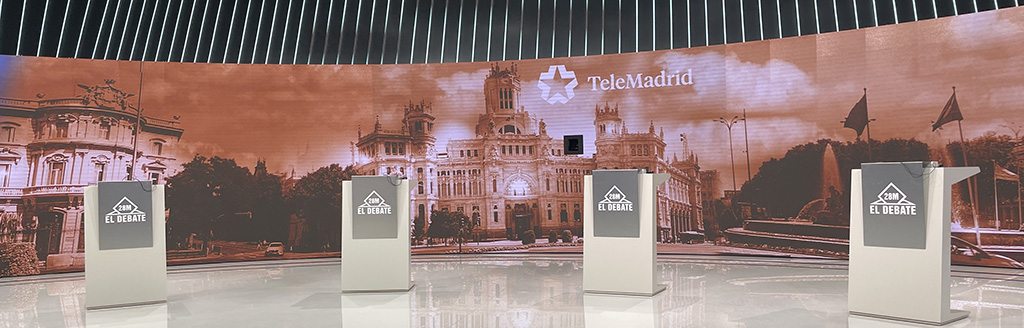
Como sucede con la puesta en marcha de cualquier proyecto de nueva infraestructura, Telemadrid tuvo que acometer un proceso de advance planning para formar a todos los profesionales de la casa y, en palabras del propio Casaos, “coger destreza en la operación”. Tras un periodo de integración extenso dada la complejidad que entraña esta nueva infraestructura, la formación por áreas vino seguida de diferentes cursos de onboarding para que productores, realizadores, editores y directores de programa tuvieran claras las principales diferencias que traería el IP. El objetivo era estar preparados al 100% antes de la fecha marcada en rojo en el calendario de la dirección técnica de Telemadrid: 16 de mayo, debate de los candidatos a la presidencia de la Comunidad de Madrid.
“Fuimos conscientes de que la decisión de estrenarnos en IP el día el debate de la Comunidad de Madrid era muy valiente. (…) Pero, gracias al trabajo previo de nuestro equipo y el de TSA, todo salió bien”.
Tres semanas antes del debate, la infraestructura IP ya estaba lista, pero todavía eran necesarios realizar ceros técnicos para tomar la decisión de si, finalmente, se apostaba por realizar este programa con la nueva infraestructura de RTVM. Así relata Casaos la crucial jornada del viernes 21 de abril: “Hacíamos un cero en el que validábamos si íbamos a ir o no hacia la nueva tecnología. Tras completarlo con éxito, el subdirector de informativos, la directora de producción, el jefe de realización de informativos y toda la dirección técnica tuvimos claro seguir hacia delante y coincidimos que el nuevo control de realización era una maravilla, era algo que estábamos esperando”.
El trabajo, no obstante, no estaba terminado. Como Casaos reconoce, todavía quedaban algunas configuraciones e “incidencias menores” que solventar, las cuales fueron abordadas durante las siguientes semanas. De la mano, estaba la cuestión de afinar las nuevas cameras, el nuevo sistema de lightning y, en definitiva, el nuevo plató en el que se iba a celebrar este debate: “Fuimos conscientes de que la decisión de estrenarnos en IP el día el debate de la Comunidad de Madrid era muy valiente. Son programas en los que lógicamente tenemos mucha audiencia y era una presión añadida. Pero, gracias al trabajo previo de nuestro equipo y el de TSA, todo salió bien”.
IP: cuando el engranaje funciona
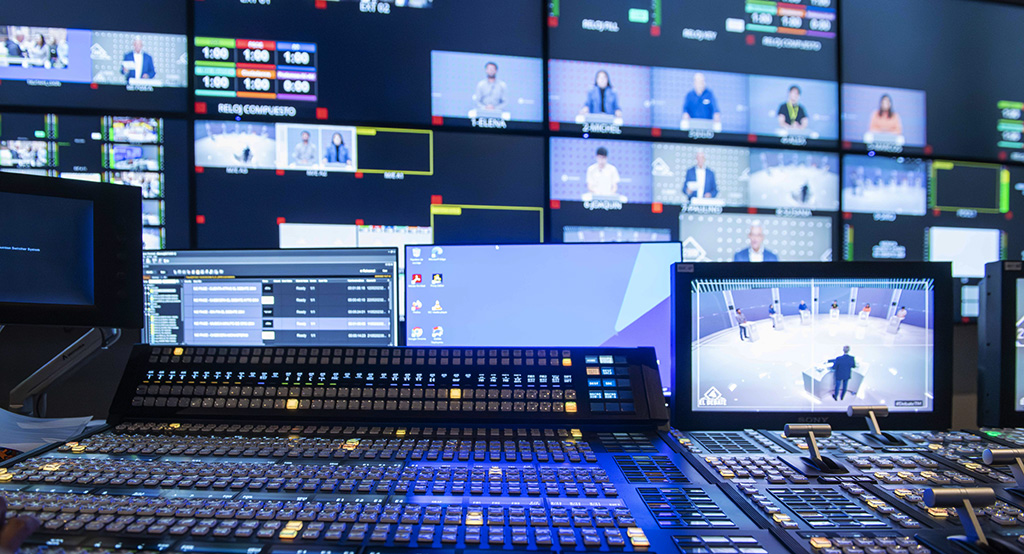
Telemadrid emprende su nueva etapa en IP entendiéndola como una transición, ya que RTVM sigue manteniendo todo tipo de fuentes SDI, integradas mediante conversores or with hybrid solutions. Entre estos equipos, por ejemplo, figura la pantalla LED de los informativos de la televisión madrileña.
“En la configuración del IP podías encontrar problemas como que una señal de audio insertada en un sistema en concreto no funcionara, pero son temas menores que hemos ido solucionando. De hecho, no hemos tenido incidencias grandes”.
La naturaleza híbrida de los equipos que alimentan la infraestructura IP de Madrid ha hecho necesaria una configuración detallada de todos los equipos, centralizada en la herramienta broadcast controller VSM of Theirs. Casaos prefiere no definir estas cuestiones de compatibilidades como problemas, sino que entiende que las mencionadas incidencias son una fase natural en la configuración de una infraestructura nueva, y más con aún con una nueva tecnología IP: “Hemos emprendido esta configuración pensando en aplicaciones y en programas reales. Podías encontrar problemas como que una señal de audio insertada en un sistema en concreto no funcionara, pero son temas menores que hemos ido solucionando. De hecho, no hemos tenido incidencias grandes”.
Al contrario, una vez pasado el periodo de configuración, la dirección tecnológica de Telemadrid se encuentra en la actualidad ante un sistema que aporta “mucha más facilidad” en la configuración de elementos, así como “flexibilidad” en cada proceso. Este salto al IP, por tanto, ha venido acompañado de un proceso orgánico de transición con muchas más ventajas que inconvenientes.
He core tecnológico del IP en Telemadrid
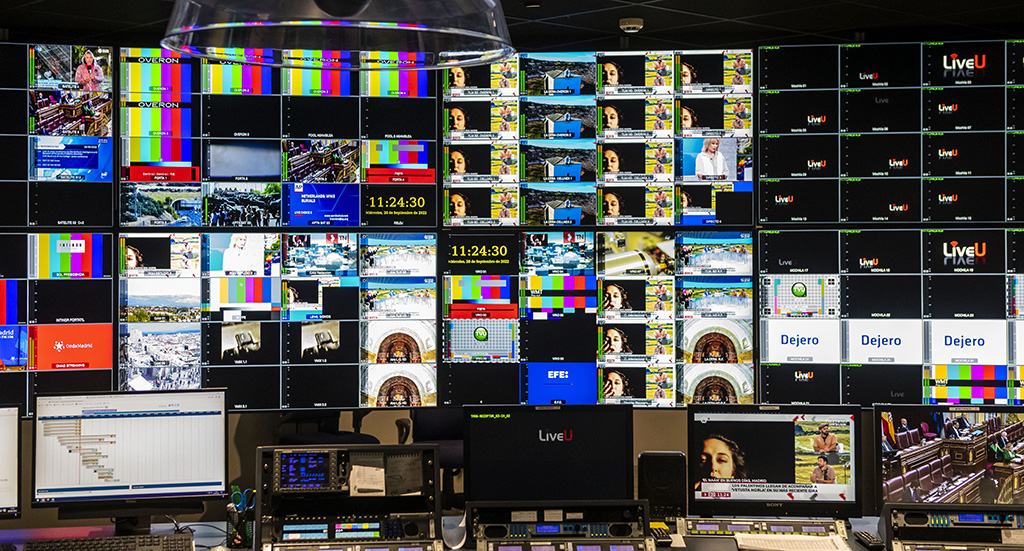
Existen innumerables soluciones que han formado parte de la transición al IP y la última renovación tecnológica de Telemadrid: cámaras y mezcladores de Sony junto con su sistema de producción de programas y automatización de estudio HIVE, las mesas de audio digital de Yamaha, la plataforma de grafismo de Avid Maestro y su herramienta de escaleta para la redacción (NRCS) de iNews, o el sistema de monitorado con NEC. Sin restar valor a todas estas soluciones, Casaos considera como clave dos soluciones por encima del resto.
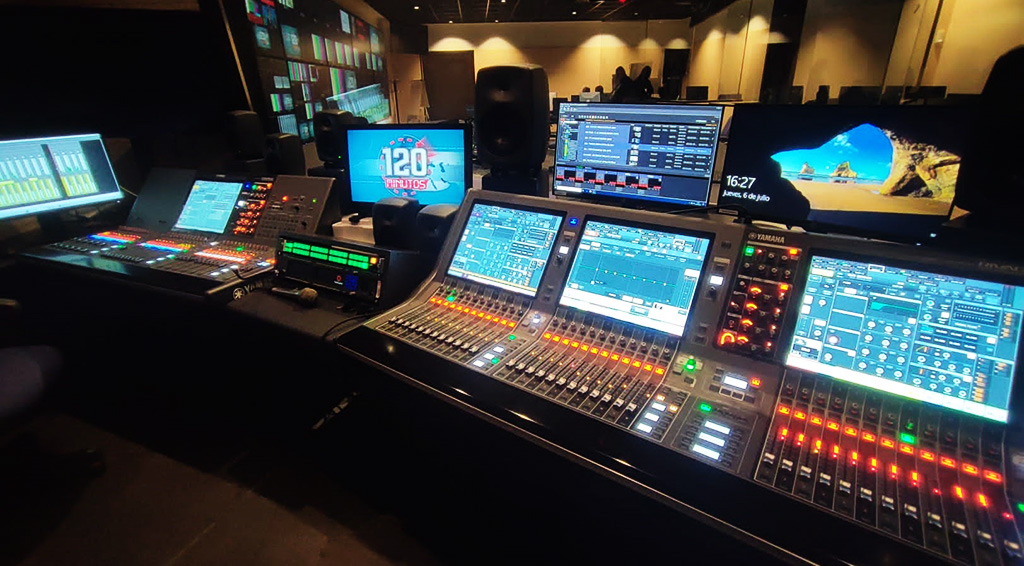 En primer lugar, la infraestructura IP de Cisco, una solución “absolutamente redundante” estructurada en dos redes (azul y roja) que se configura como el “verdadero corazón” de la red IP: “Ahí hemos conectado todas las fuentes, cámaras, mezcladores de vídeo…”. El sistema se completa con la solución IP Fabric for Media, así como del Cisco Network Dashboard Fabric Controller, responsable de aportar una fotografía en tiempo real de la red y los dispositivos. Desde la perspectiva del audio, todo se gestiona de manera homóloga utilizando el archiconocido protocolo Dante.
La segunda pieza clave para RTVM ha sido la tecnología de Theirs con el software VSM, que ejerce como broadcast controller and how orquestador, y junto con la plataforma V_matrix, ofrecen una solución conjunta para gestionar procesados de señal, gateways, multipantallas y, en definitiva, “aportan muchas de las ventajas o nuevas funcionalidades que obtenemos con este sistema IP”.
Los beneficios visuales y operacionales
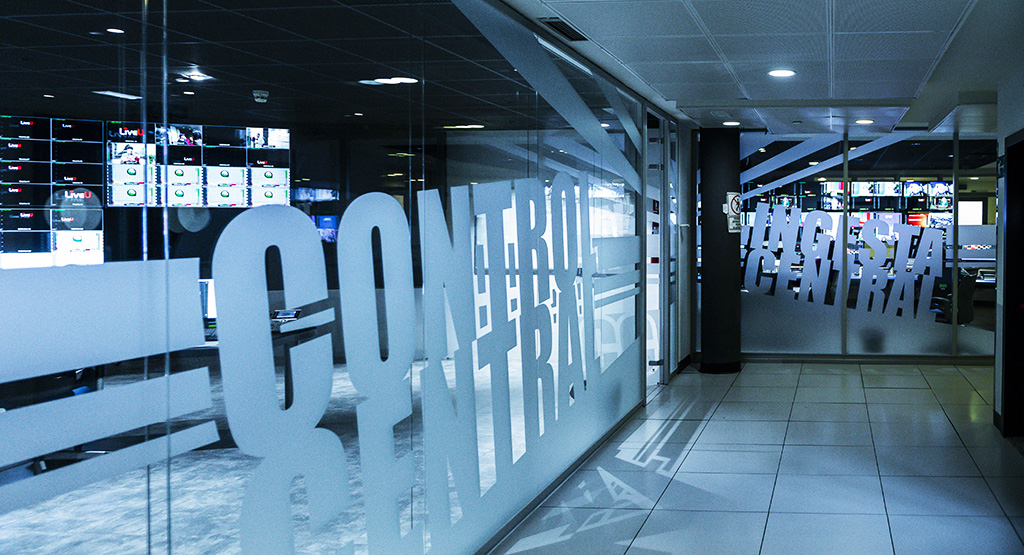
El IP, más allá de la conveniencia industrial en el momento de transformación digital que se encontraba Telemadrid, ha aportado beneficios tangibles tanto a los espectadores y para el propio staff technical de Telemadrid.
Con relación a la visual quality de las imágenes que llegan a la audiencia, Casaos reconoce que esta transición ha sido como pasar “de la noche al día”. Así lo explica: “Ha habido un trabajo extraordinario del equipo de iluminación y de control de cámaras. Más allá de trabajar con esta nueva red, hemos renovado todas las cámaras y hemos cambiado nuestra infraestructura de iluminación a LED, lo que nos ha permitido controlar al detalle la temperatura de color y crear una nueva puesta en escena entre los equipos de realización, mezcladores, dirección de fotografía y control de cámara”.
En este sentido también se ha mejorado los flujos de trabajo de grafismos, realidad virtual y aumentada, así como todos los procesos para alimentar con imágenes y videos a las pantallas LED de los platós, que hoy en día son un elemento clave en la realización de sus programas. “Los equipos de realización, grafismo, ingeniería y sistemas de información han realizado un trabajo extraordinario en la ejecución de todos los programas especiales de las elecciones autonómicas y municipales de mayo. Por supuesto con la dirección y planificación del equipo de edición y producción”, comenta el CTO de Telemadrid.
“Se cambia y se configura todo de a manera tan flexible que, a veces, hasta asusta. Podemos configurar la mesa de realización para que un programa pueda realizarse con cinco personas o con veinticinco, según sea necesario por los medios técnicos o humanos que requiera una producción”.
El IP también ha sido la oportunidad ideal para redefinir procesos, consiguiendo hitos como una mejora en la captación de las pantallas LED, new movimientos escénicos y decisiones inéditas sobre dirección y realización: “Aunque pueda resultar una expresión manida, gracias a este trabajo en equipo ya estamos compitiendo con las televisiones nacionales en términos de calidad. La gente ya puede percibir una mejora sustancial en la calidad de las retransmisiones de programas como 120 minutes, y esto no es solo gracias a la infraestructura IP, sino a todos los elementos que hemos cuidado al detalle”. Los beneficios operativos son especialmente notorios. Casaos destaca, por encima de todo, la flexibility que aporta el IP junto con el Controlador Broadcast, lo que permite que cada programa pueda tener la configuración de señales deseada, que los equipos puedan escalarse para abordar producciones especialmente complejas o que cada operador pueda seleccionar a través del sistema de Lawo los elementos a los que accede para cada producción, así como asociar los controles de realización a cualquier estudio o incluso combinar cualquier fuente de sonido e imagen de la infraestructura.
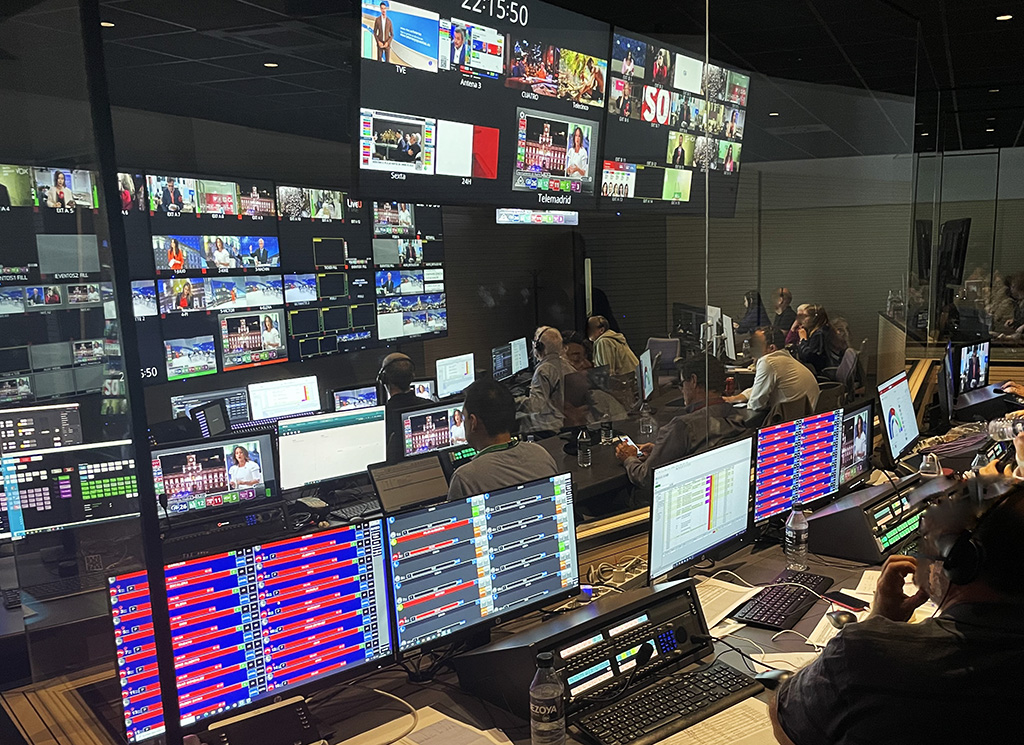 “Se cambia y se configura todo de una manera tan flexible que, a veces, hasta asusta. Podemos configurar la mesa de realización para que un programa pueda realizarse con cinco personas o con veinticinco, según sea necesario por los medios técnicos o humanos que requiera una producción. Este era un concepto básico del diseño que imaginamos inicialmente en el equipo de ingeniería, incluso antes de la licitación y la de posterior adjudicación a Telefónica: el IP debía permitirnos adaptarnos al diseño de cada producción con muchísima mayor flexibilidad. Y así ha sido”, traslada Casaos.
La transición a IP no ha hecho nada más que empezar. Con el tiempo, el equipo de Telemadrid pretende migrar todo el centro de producción a esta tecnología, donde convivirán seguramente distintos protocolos, como pueden ser el actual 2110 para el video, Dante para el audio, y otros que aporten una mejor solución a distintos flujos de trabajo como pueden ser el IS or the SRT. Los fabricantes cada vez más están aportando este tipo de interfaces para la interconexión de los diferentes equipos y sistemas, y esto hace más fácil la evolución.
La cuestión humana: una adaptación completa
La introducción de una tecnología prometedora o especialmente interesante no sirve de nada sin un human team preparado para aprovechar al máximo los beneficios de esta, y más cuando lo que está sobre la mesa es una transición a una infraestructura técnica completamente diferente que trae modificaciones sustanciales en la operativa de gran parte de la cadena broadcast. El equipo de tecnología de Telemadrid era plenamente consciente de los desafíos que entrañaba la adaptación de un equipo humano acostumbrado a trabajar en SDI y tomó todos los pasos necesarios para acometer el proceso de forma ética y responsable.
“Lo único que puedo trasladar a mis compañeros de Telemadrid es mis felicitaciones y mi enhorabuena: llevábamos muchos años pendientes de realizar una transición y se ha asumido con muchísima ilusión. Y cuando todo se coge con ganas, cualquier barrera u obstáculo se salta con una facilidad asombrosa”.
“Desde el primer momento se pactó con el comité de empresa las adaptaciones que seguirían cada una de las profesiones del diseño base de la ingeniería, lo que ayudó muchísimo. Cada profesión ha dado su formación específica, y han aportado mucho al proyecto, pero sabíamos que la cuestión más importante para el éxito sería la actitud. Lo único que puedo trasladar a mis compañeros de Telemadrid es mis felicitaciones y mi enhorabuena: llevábamos muchos años pendientes de realizar una transición y se ha asumido con muchísima ilusión. Y cuando todo se coge con ganas, cualquier barrera u obstáculo se salta con una facilidad asombrosa”, cuenta Casaos.
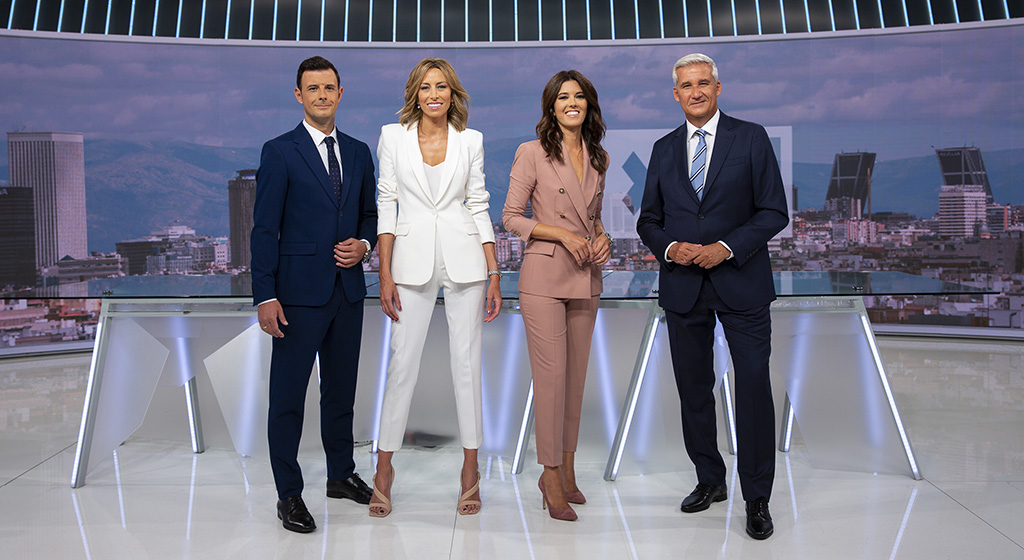 Al margen de la formación específica por perfiles a la que Casaos ha aludido, ha habido diferentes figuras que han tenido que redoblar esfuerzos para estar preparadas ante las posibles casuísticas derivadas de la infraestructura IP, como son los Oficiales Técnicos de Estudio of Telemadrid: “Con la antigua tecnología antes todo se hacía por patch o con conmutaciones de matriz manuales, o se solucionaba desde la sala de racks. Ahora no funciona así, sino que hay un software que tienes que configurar. Trabajando con ellos mismos y con la colaboración de los ingenieros se hizo un proceso para que dentro de este equipo de Oficiales Técnicos hubiese desde el comienzo del proyecto y con dedicación plena, la figura de los “Superusuarios” del sistema, los cuales han sido claves para el éxito de la puesta en marcha de todos los sistemas y han trabajado mano a mano con el extraordinario personal de Telefónica para la puesta en marcha del sistema y para coger todo ese know-how que nos permitirá caminar solos en el resto de la explotación de nuestros formatos”.
“Puedes tener las mejores cámaras o tecnología, pero sin el trabajo diario y el esfuerzo del equipo, las cosas jamás podrían haber salido como han salido. Toquemos madera para que siga todo igual”, concluye Casaos, que afrontará en los próximos meses la llegada del IP con un diseño homólogo a su otro estudio principal. Con este paso, ahora sí que sí, Telemadrid afrontará una nueva era, más flexible para el técnico, y mucho más atractiva para el espectador.
A report by Sergio Julián Gómez
Did you like this article?
Subscribe to our NEWSLETTER and you won't miss anything.
Related articles
 200,000 registered users certify the consolidation of La Xarxa+
 CrossMedia plays a key role in the consolidation of RTVE Play
 Sports broadcast trends for 2025: a year of consolidation
 ATK Versacom: Riedel's ambitious deployment in a crucial eSports world championship
 CDNs, condemned to evolve in the face of the consolidation of Open Caching
 RTP: on the verge of its most crucial broadcast transformation
 IP infrastructures in television: six critical areas to improve for its consolidation
 Latin America depends on fiber optics for the consolidation of 5G and AR
 TSA will help RTPA and Telemadrid make the leap to IP
 5G, key to the consolidation of Ultra High Definition according to UHD Spain
 Avid anticipates an emerging IP world and the consolidation of UHD
 New HD studio and continuity in Telemadrid with integration of Eurocom
 Hulu's new premium service, currently on PS3
 Buen momento de la gestión de contenidos para los broadcasters europeos