





Dedolight, professional portable lighting anywhere
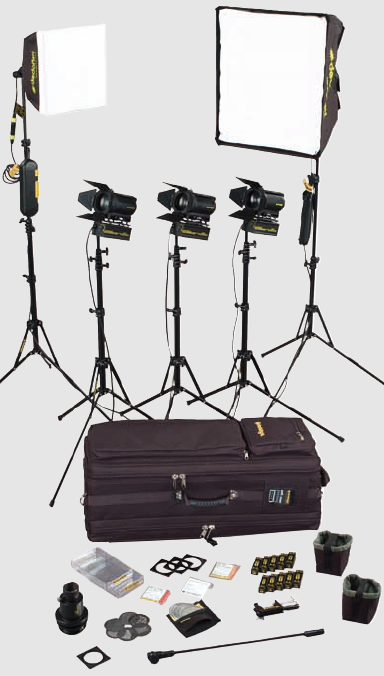
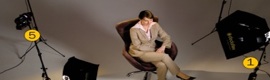
El estudio de iluminación portátil de Dedolight nos proporciona toda la potencia de las populares fuentes de iluminación de la marca en una maleta suficientemente compacta incluso para una sola persona. Los kits de iluminación de otros fabricantes pesan hasta tres veces más y tienen al menos tres veces más tamaño sin ofrecer ni de lejos el mismo potencial.
 Como bien asegura el director de fotografía y realizador, Julio Gómez, en su blog, “la buena iluminación debe paladearse… como la buena cocina”. Pero, ¿qué ocurre cuando hay que iluminar en situaciones con muy poco tiempo o fuera de platós profesionales? Dedolight tiene la solución.
Su estudio de iluminación portátil nos proporciona toda la potencia de las fabulosas fuentes de iluminación Dedolight en una maleta suficientemente compacta incluso para una sola persona. Los kits de iluminación de otros fabricantes pesan hasta tres veces más y tienen al menos tres veces más tamaño sin ofrecer ni de lejos el mismo potencial.
Existen cuatro versiones del estudio portátil con tres, cuatro cinco y seis fuentes, siendo el de cinco el más utilizado. Con un peso máximo de 20 kilos (apto por tanto para facturar en cualquier compañía aérea) y una maleta que soporta tranquilamente ser arrojada desde varias alturas o saltar encima sin que ninguno de los objetos que contiene resulten dañados (lamparas incluidas), la versatilidad de estos kits no tiene parangón en la industria actual.
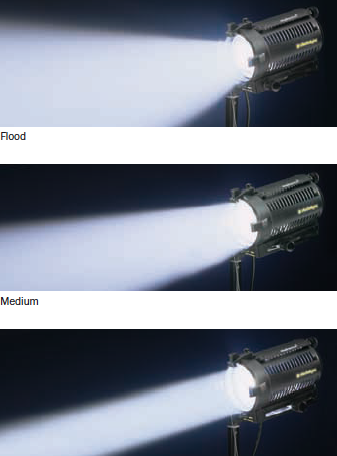
Las Dedolight distribuyen la luz uniforme perfectamente a través del área iluminada en todas las posiciones de enfoque, sin puntos calientes ni anillos brillantes. Además emiten un haz puro, limpio, muy definido y sin luces parásitas. Para suavizar los bordes del haz se puede adaptar cualquiera de las 23 diferentes gelatinas de difusión que ofrece el fabricante muniqués (no incluidas en los kit).
 Tipologías
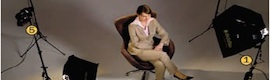
Como luz principal: el sistema de softlight (con su correspondiente rejilla) basado en una fuente DLH de 150w. ofrece una luz única, suave y completamente uniforme sin puntos calientes en el difusor ni viñeteo (algo habitual en todos los demás softboxes). La salida de luz de cada una de estas fuentes es superior a la de una tradicional de 500w.
Las luminarias de estudio de tamaño comparable ofrecen un rango de enfoque (cambio de intensidad en el centro de la zona iluminada) de aproximadamente 3:1. Las Dedolight operan a 25:1, permitiendo una variación mucho mayor entre el haz más abierto y el más cerrado, una salida de luz superior y una considerable mejora en la precisión. El alcance también se amplía por lo que es posible situar la luz a más distancia fuera del plano mientras las personas se mueven alrededor del área iluminada sin que apenas notemos cambios en la intensidad de la luz.
En todas las softlights de Dedolight, la verdadera fuente de luz está en el punto focal del difusor. Así es como consiguen doblar la salida de luz en comparación con los tradicionales softboxes delante de una luminaria de estudio. Por si fuera poco, esta softlight incorpora un reflector de cristal que refuerza aún más la salida de luz y mejora su distribución.
Luz de relleno: de nuevo usaremos el mismo tipo de fuente pero con un mini softbox. Dependiendo del destino final de nuestras imágenes (cine, TV, fotografía, etc…) y del carácter que queramos darles, podemos optar por una relación de 1:2 entre la luz principal y la de relleno (típica en TV) o por una relación mayor para iluminar de forma más dramática (típica en cine). En ambos casos la temperatura de color es conmutable a 3400K y 3200K o completamente variable a nuestra entera voluntad.
Contraluz: Debe separar a tu sujeto del fondo creando una ilusión de profundidad. Para ello suele ser aconsejable una fuente cuya temperatura de color sea ligeramente más fría que el resto. Una DLH4 puede conmutarse para trabajar a 3400K sin emplear ningún tipo de filtro. A causa de su enorme rango focal y sus variados accesorios de control, es posible bajar parcialmente la intensidad en áreas definidas de la imagen que de otro modo serían demasiado brillantes o también situar acentos definidos en las zonas más oscuras. El haz limpio evita que entre luz parásita en el objetivo de la cámara. La posibilidad de enfocar, recortar y variar la intensidad de la luz implica que podemos iluminar con sutileza, sin que el contra resulte demasiado obvio. Una extensión flexible del pie permite colocar la fuente más cerca del sujeto sin que dicho pie aparezca en plano.
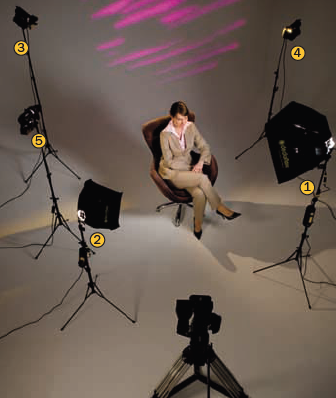 Luz de control (“Kicker”): Aunque el triángulo canónico de iluminación se realiza con las tres fuentes precedentes, se puede añadir esta cuarta en la zona menos iluminada del rostro para reforzar su plasticidad y dimensionalidad o como luz de modelado extra. Al igual que ocurre con la luz de contra, es fundamental el control de la intensidad y de la temperatura de color para obtener el aspecto deseado.
La luz de fondo: Antes de usarla, es importante colocar una rejilla sobre el softbox de la luz principal para evitar luces parásitas sobre el fondo. Luego podemos usar un DLH4 para crear las sombras que nos interesen en la imagen con total precisión o colocar una montura de proyección DP1 y emplear gobos, diapositivas o gelatinas como imagen de fondo (hay más de 300 variaciones posibles). La DP1 permite enfocar o desenfocar la imagen. Esta última opción es idónea para acentuar la separación entre el sujeto y el fondo cuando grabemos con cámaras con sensores pequeños, dándole así a nuestra imagen un aspecto más cinematográfico al simular menos profundidad de campo.
Ésta es la teoría pero como afirma Julio Gómez, “la única regla totalmente cierta en iluminación es que no existen reglas. La increíble versatilidad de los estudios portátiles de Dedolight os permitirá realizar todo tipo de escenas sin seguir necesariamente el esquema tradicional”. Nos lo explica en este nuevo, y divertido, Tuttorial grabado para Grau Luminotecnia.
[youtube]http://www.youtube.com/watch?v=x6fYluLSdjc[/youtube]
Did you like this article?
Subscribe to our NEWSLETTER and you won't miss anything.
Related articles
 Viz Vectar Plus permitirá controlar y producir video en remoto desde cualquier lugar
 C21 Live Director streamlines live streaming from anywhere, in any format and to any device
 L’Équipe transmite en directo desde cualquier lugar con los enlaces móviles de TVU
 Roland V-1SDI, el mezclador profesional 3G-SDI para llevar a cualquier lugar
 More possibilities to broadcast from anywhere with LiveU
 Quantel: speed and efficiency anywhere, screen and resolution
 Cinedeck RX: recording, monitoring and playback anywhere
 Elite iPad Teleprompter Kit: Ikan propone un prompter en cualquier lugar
 Protección de contenido multiplataforma: ¿cómo asegurarlo en cualquier lugar?
 Dedolight, professional portable lighting anywhere
 Cinedeck Extreme v2: 2K/HD recording anywhere
 Netflix: el éxito del vídeo online en casa… o en cualquier lugar
 Dedolight: un estudio portátil en una maleta
 Datavideo HS-2000, HD production anywhere