





El Instituto Autor edita la ‘Guía Legal de la Financiación del Cine en España’
La guía, que nace como una herramienta que ayude a los profesionales en la toma de decisiones encaminadas a concretar sus proyectos, se ha estructurado en virtud de dos parámetros: la financiación que existe en España en la actualidad y la aclaración de los principales conceptos legales que se utilizan en el sector.
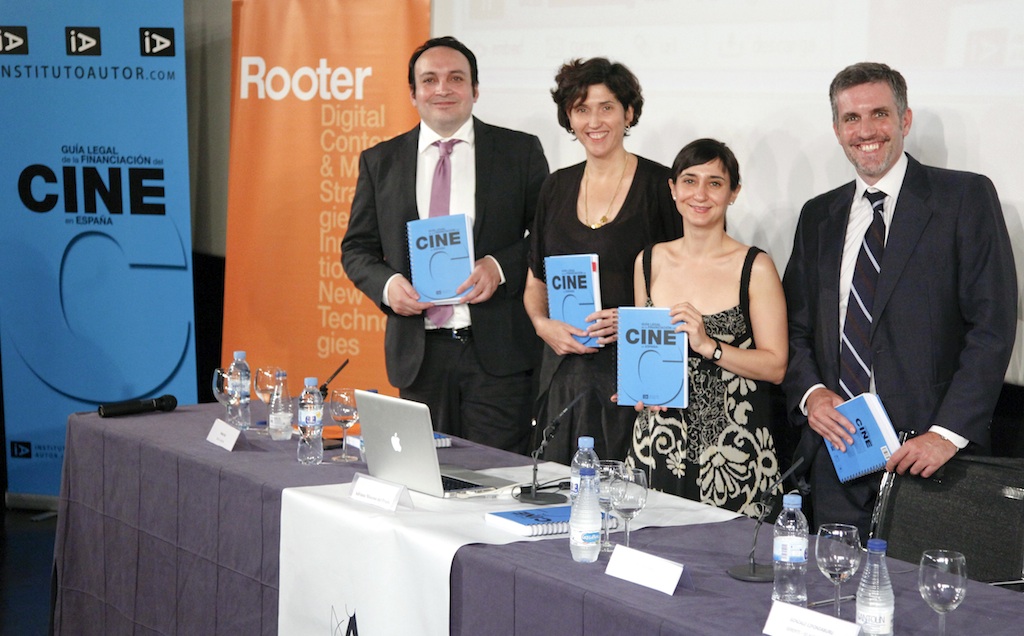
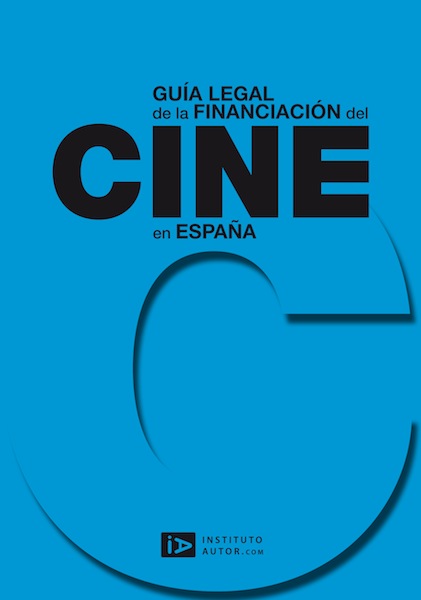 Ayudar a autores, productores audiovisuales y a todos aquellos que quieran emprender una aventura cinematográfica, de la manera más sencilla y rentable posible, son los objetivos de la Guía Legal de la Financiación del Cine en España, que ha editado el Instituto de Autor. Este carácter didáctico y divulgativo se extiende a lo largo de la obra, dirigida por Franz Ruz y coordinada por Javier Sabido, de la consultora Rooter.
Elaborada entre 2010 y el primer semestre de 2011, la guía, “sujeta a cambios y adaptaciones constantes”, se ha estructurado en virtud de dos parámetros: la financiación que existe en España en la actualidad y la aclaración de los principales conceptos legales que se utilizan en el sector. Adriana Moscoso, coordinadora del Instituto de Autor, durante la presentación de la obra ha señalado: “vamos a editar la guía en formato digital con el fin de poder actualizar los contenidos de forma rápida y que esté disponible en la web del Instituto”. Moscoso ha incidido en el carácter pedagógico de la iniciativa: “A partir de septiembre comenzaremos a impartir cursos de formación on line relacionados con esta guía audiovisual”.
En la práctica, la publicación aborda las ayudas y subvenciones que se conceden en España, los diferentes programas internacionales de coproducción, el funcionamiento de la inversión privada o los patrocinios, entre otras líneas de apoyo al sector audiovisual. “Hemos analizado los diferentes modelos de financiación que existen en la actualidad para aquellos trabajadores del sector audiovisual”, ha explicado Franz Ruz.
Desde el punto de vista de la normativa, la guía recoge el conjunto de medidas legales que se aplican en el cine a nivel autonónico, estatal, así como aquellos acuerdos y leyes que regulan las relaciones entre nuestro país con el entorno internacional.
Convertir la utopía en realidad
En definitiva, una obra que pretende contribuir al desarrollo de la industria audiovisual en España con la vocación de ser un instrumento útil para aquellos que se dedican al cine. En este sentido, Gonzalo Ezpondaburu, gerente de SG Audiovisual, ha señalado que “queremos que los autores tengan un conocimiento directo del ámbito audiovisual para que una idea no se quede en mera utopía y siga adelante”.
Buen ejemplo de estos casos es el de Tina Olivares (Albacete, 1970), que se autoprodujo su primer largometraje, Esperando septiembre, estrenado el pasado mes de febrero. La guionista y directora castellano-manchega ha explicado que “la autoproducción implica que el autor además debe ser empresario, algo que es complicado. Por eso, proyectos como la realización de una guía audiovisual constituyen una herramienta útil para nosotros, los creadores”. Olivares ha añadido que “en mi caso no pedí ayudas públicas. Pagué la película con mi dinero y acudí a la SGAE, que ayuda a los autores más de lo que la gente cree”.
En el prólogo de la Guía Legal de la Financiación del Cine en España, Manuel Gutiérrez Aragón, presidente del Instituto Buñuel, manifiesta que el cine es “creatividad, talento e imaginación”, y, que, “para poder existir, el cine necesita de una serie de herramientas de carácter práctico que permitan su materialización y su puesta en circulación en el mercado”. Con esa finalidad se concibe esta obra, primera publicación del Instituto de Autor de una serie de textos jurídicos de carácter práctico dedicados a las distintas ramas de las industrias culturales.
Did you like this article?
Subscribe to our NEWSLETTER and you won't miss anything.
Related articles
 Spain Film Commission publishes the 'White Paper on virtual production in Spain'
 The author and film and television director Jaime de Armiñán dies at the age of 97
 iVoox publishes the 'Podcaster's Manual', the first guide for podcasters in Spanish
 Actores, artistas y otras figuras en TV y cine: una dimensión legal desconocida
 Spain will have a copyright and related rights office
 The European Commission will take Spain and twenty other countries to court if they do not take measures to protect copyright
 GuIA, the initiative that puts ethics in Artificial Intelligence into practice, starts in Spain
 The Film Academy and the Cervantes Institute sign an agreement to promote Spanish cinema outside our borders
 'The Bookstore', 'Verano 1993', 'Abracadabra' and 'The Author' lead the number of shortlists in Spain for the Platino Awards
 Samsung publishes the first academic guide to virtual reality in Spain
 Creativa Legal: legal and business advice for the cultural, technological and entertainment sector
 Ovide edita su nuevo catálogo “de cine” 2013
 Director Michael Radford will teach a film course organized by the Author Foundation
 The Buñuel Institute reopens the old California cinema in Madrid