





Constituido el Grupo de Trabajo entre el ICAA y representantes de las Comunidades Autónomas
Este grupo, creado en el seno de la Conferencia Sectorial de Cultura, pretende impulsar la comunicación y la cooperación en diversos aspectos relativos a la cinematografía y el audiovisual.
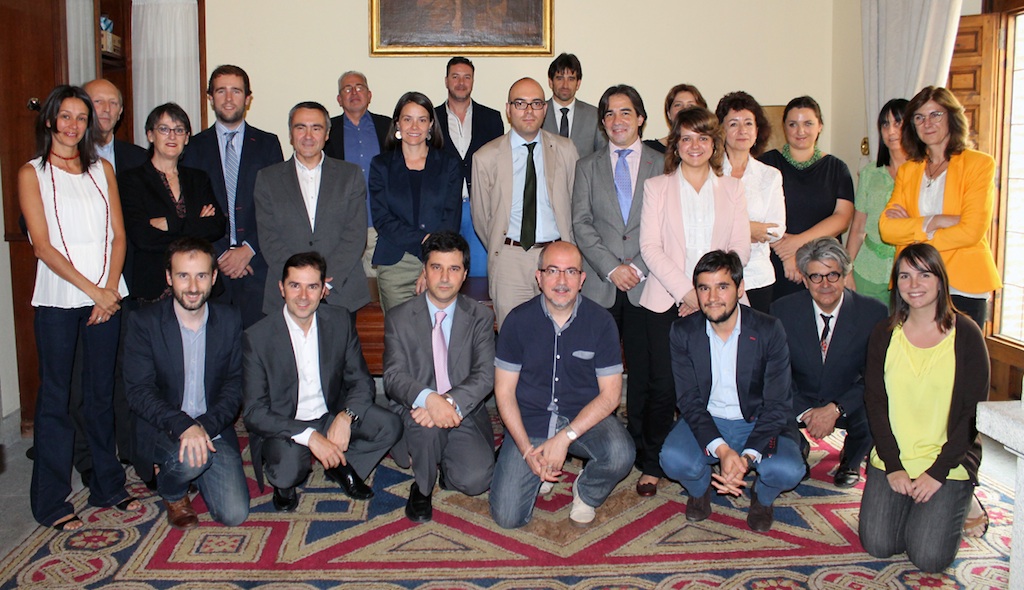
El pasado viernes tuvo lugar la reunión constitutiva del Grupo de trabajo para impulsar la comunicación y la cooperación en diversos aspectos relativos a la cinematografía y el audiovisual. El encuentro ha estado presidido por la Directora General del Instituto de la Cinematografía y de las Artes Audiovisuales (ICAA), Susana de la Sierra, e integrado por representantes de las Comunidades Autónomas.
El Grupo, adscrito a la Conferencia Sectorial de Cultura, nace con la voluntad de articular políticas de colaboración e intercambio, especialmente en aquellos ámbitos concurrentes donde la acción conjunta y coordinada de las administraciones competentes en materia cinematográfica y audiovisual resulta cada vez más necesaria.
En este sentido, la creación del mismo se inserta dentro del Plan Estratégico de la Secretaría de Estado de Cultura, cuyo objetivo es “reforzar, desde la transparencia, los instrumentos de comunicación y cooperación cultural entre las administraciones públicas y otras instituciones para promover un uso eficiente y racional de los recursos culturales”. Asimismo, la “coordinación y puesta en común de las políticas cinematográficas del Estado y las Comunidades Autónomas” se incluyó dentro de las conclusiones de la Comisión mixta sobre financiación de la cinematografía como otro de los asuntos a abordar con urgencia dentro del sector. Por ello, todos los miembros del Grupo han puesto de manifiesto expresamente la oportunidad y conveniencia de crear este foro de trabajo permanente que se reunirá de forma periódica.
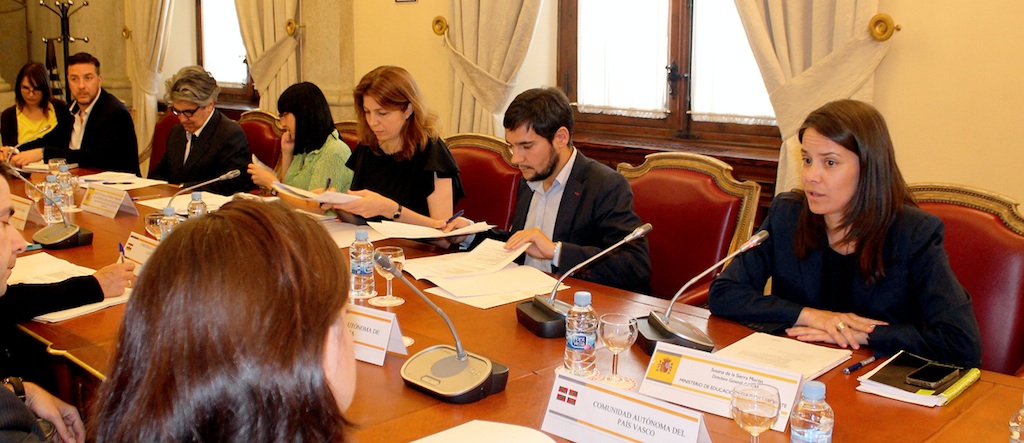
Composición Grupo de Trabajo
El grupo de trabajo está compuesto por los siguientes miembros: la directora general del Instituto de la Cinematografía y de las Artes Audiovisuales, que actúa como Presidenta; la directora general de Política e Industrias Culturales y del Libro; la subdirectora general de Fomento de la Industria Cinematográfica y Audiovisual; la subdirectora general de Promoción y Relaciones Internacionales deI ICAA; el director de la Filmoteca Española; la subdirectora general de Cooperación Cultural con las Comunidades Autónomas; un representante de las Comunidades Autónomas, designado por el Vocal de la Comisión Técnica Sectorial de Asuntos Culturales, responsable de cada uno de los Institutos, áreas o departamentos competentes en cinematografía y audiovisual de cada Comunidad Autónoma. Asimismo podrán asistir, con voz pero sin voto y previa invitación de la Presidenta del grupo, otros representantes del sector público estatal y autonómico, así como expertos y representantes del sector.
En la reunión celebrada esta mañana los responsables del ICAA y los representantes de las Comunidades Autónomas han analizado las políticas que actualmente están llevando en diversos ámbitos: el fomento de la cinematografía y las convocatorias de ayudas en sus diferentes modalidades; el apoyo a festivales y certámenes de cine; la articulación de un sistema de Film Commissions cada vez más eficaz en la atracción de rodajes; las iniciativas específicas de apoyo al cortometraje; y las políticas de impulso de la educación audiovisual, fundamentalmente entre los más jóvenes.
Con carácter general, más allá de las dificultades presupuestarias impuestas por la actual coyuntura económica, se ha destacado el esfuerzo que están realizando la mayoría de administraciones por mantener sus programas de apoyo al sector audiovisual y recuperar determinadas líneas de ayuda en suspenso durante los últimos años, también por poner en marcha algunas iniciativas novedosas. Ello supone una afirmación inequívoca y un reconocimiento desde el sector público de la extraordinaria importancia de este sector en términos culturales, industriales y de imagen, para nuestro país y para nuestras Comunidades Autónomas.
En próximas reuniones del Grupo se tratarán de forma más extensa cuestiones específicas, como las políticas de apoyo al cortometraje y los nuevos realizadores o las políticas públicas en materia de educación audiovisual.
Did you like this article?
Subscribe to our NEWSLETTER and you won't miss anything.
Related articles
 Eva Mora will lead the working group that plans to revolutionize RTVE's participation in Eurovision
 Dalet CubeNG is updated with customizable workspaces, among other new features
 Amazon Prime Video launches the 'Group Video' function that will allow you to watch content and chat among a group of friends
 EditShare and Adobe Collaborate to Enable Remote Production and Group Editing Workflows
 EditShare Flow 2019 Extension 2 Simplifies Media Sharing Between Workgroups
 AIMS creates new working group focused on Pro AV market
 Constituido el Grupo de Sabios sobre Inteligencia Artificial y Big Data
 Optiva Media provides technical support to the new AEDETI hybrid television working group
 Avid improves collaborative work between the different RTVE headquarters
 Tedial improves editing workgroup performance with Adobe Premiere Pro CC
 El ministro de Industria, Energía y Turismo y las Comunidades Autónomas ponen en común las actuaciones en Telecomunicaciones y Sociedad de la Información
 Grupo Secuoya wins the contests to supply images to TVE in four more communities
 ATSC launches 3D working group
 The Audiovisual Consell of Catalonia launches a working group on loudness