





Open Television considers the National TDT Technical Plan and the regulation of the second digital dividend unavoidable and urgent
La convocatoria de elecciones generales para el 28 de abril hace peligrar la aprobación del Real Decreto del Plan Técnico Nacional de la TDT así como el crédito extraordinario para compensar los costes del segundo dividendo digital.
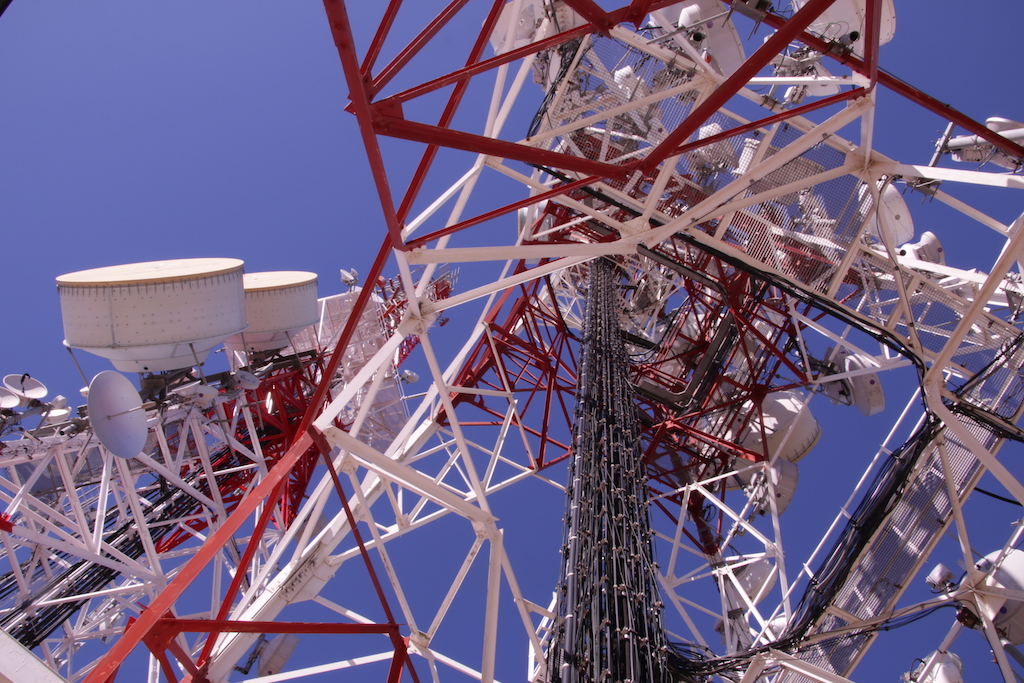
Televisión Abierta, grupo conformado por los principales agentes de la Televisión Digital Terrestre en España, considera ineludible, urgente y cuestión de Estado en beneficio del conjunto de la sociedad, la aprobación y entrada en vigor del Real Decreto que aprobará el Plan Técnico Nacional de la Televisión Digital Terrestre y regulará determinados aspectos para la liberación del Segundo Dividendo Digital.
Televisión Abierta ha respondido a la consulta pública realizada por la Secretaria de Estado para el Avance Digital sobre el nuevo Plan Técnico de la TDT y Segundo Dividendo Digital.
Lo que se ha venido a denominar Segundo Dividendo Digital, es un mandato de la Unión Europea, que ha fijado el 30 de junio de 2020 como fecha límite para su ejecución definitiva y completa. Básicamente, consiste en liberar las frecuencias que ahora utilizan gran parte de los canales de la televisión en abierto (TDT), en la banda de 700 megahercios (MHz), que serán ocupadas por los operadores de telecomunicaciones para el despliegue de la nueva generación de comunicaciones móviles denominada 5G, trasladando dichos canales a otras ubicaciones en el espectro radioeléctrico habilitadas para ello.
La TDT es la plataforma de distribución gratuita de contenidos audiovisuales más extendida y su servicio llega a la mayoría de los ciudadanos en España. Más del 75% de la audiencia televisiva accede a contenidos audiovisuales a través de sus canales, cuota que llega al 90% si se tiene en cuenta también el acceso a los canales de la TDT a través de las plataformas de pago.
La hoja de ruta nacional para la liberación del Segundo Dividendo Digital la elaboró el Gobierno del Partido Popular y fue ratificada y publicada por el Gobierno del PSOE en junio de 2018, cumpliendo los plazos fijados por la UE y contando con el consenso y apoyo de todos los actores del sector audiovisual y de las telecomunicaciones que operan en España.
Una vez se ponga en marcha este proceso de transición, alrededor de 38 millones de ciudadanos en la práctica totalidad del territorio se verán afectados por los cambios que conllevará la implantación del Segundo Dividendo Digital, igual que ocurrió con el primero, entre septiembre del 2014 y el 31 de marzo del 2015, que muchos ciudadanos recordarán por los pequeños o grandes trastornos que pudo ocasionarles.
Se trata de un proceso exclusivamente técnico que, al ser una cuestión de Estado en beneficio de la ciudadanía, debe abordarse necesariamente dentro del plazo estipulado para ello, subrayan desde Televisión Abierta. Cualquier demora supondría una previsible sanción por parte de la UE y un gravísimo perjuicio para el sector audiovisual español en su conjunto, tanto para las televisiones públicas y privadas de ámbito estatal como autonómico, y para los ciudadanos de prácticamente todo el país que disfrutan de un servicio tan querido y demandado por el conjunto de la sociedad.
Para que este proceso ineludible se lleve a cabo con éxito, a juicio de Televisión Abierta es necesario que, dada la convocatoria de elecciones generales para el 28 de abril, antes del 15 de abril, el Consejo de Ministros apruebe, y se publique en el BOE, el nuevo Real Decreto que aprueba el Plan Técnico Nacional de la TDT.
Además, deberá ir acompañado de las normas que permitan compensar las emisiones simultáneas (simulcast) para que las televisiones públicas y privadas puedan llevar a cabo emisiones en sus anteriores y nuevas frecuencias. Solamente así será posible una progresiva adaptación de las antenas colectivas de TDT de las comunidades de vecinos afectadas por los cambios y de la consiguiente compensación a los ciudadanos afectados por este proceso.
Al igual que en el Primer Dividendo Digital, es necesario que el Estado financie y compense a los radiodifusores de televisión por los costes que deberán asumir para la emisión temporal simultánea de los canales en las anteriores y en las nuevas frecuencias asignadas (simulcast), permitiendo la progresiva adaptación de las antenas colectivas de TDT de las comunidades de vecinos afectadas por los cambios, así como a los ciudadanos por los costes de esa antenización. Esas compensaciones deben encontrarse exentas de tributación (IRPF), para lo cual deberá aprobarse el oportuno crédito extraordinario correspondiente al ejercicio 2019.
Plan de comunicación global
El proceso del Segundo Dividendo Digital necesita ser comunicado a la sociedad de forma eficiente, con el fin de que los ciudadanos puedan conocer que deben adaptar sus instalaciones de recepción, cómo solicitar y obtener las compensaciones a las que pueden acogerse y cuándo resintonizar sus televisores para no perder sus contenidos favoritos.
Los administradores de fincas deben conocer los pasos a seguir en sus comunidades administradas para favorecer el proceso de adaptación de las antenas colectivas y cómo gestionar las compensaciones.
Las organizaciones de consumidores deben estar implicadas también en el proceso, en su doble papel de multiplicadores de los mensajes para la ciudadanía y como ventanilla privilegiada de recepción de las dudas, incidencias y reclamaciones de los usuarios.
Las empresas instaladoras de telecomunicaciones deben conocer cómo se realiza el proceso, cuáles son las mejores soluciones técnicas a adoptar, cómo asesorar a las comunidades de vecinos y cómo realizar en plazo, la adaptación de las instalaciones previa aceptación del presupuesto por los clientes.
El plan debe anunciar cuándo se inician las emisiones simultáneas en cada área geográfica, cuándo finalizan y cuándo deben los usuarios resintonizar sus televisores.
Según Televisión Abierta, para que no se produzca pérdida de contenidos para los ciudadanos y la consiguiente pérdida de audiencia para las televisiones, con el consiguiente impacto económico o social, es necesario, realizar emisiones simultáneas entre los canales que se abandonan y los de destino. Y hay que realizarlo en dos fases diferenciadas en el tiempo, encendiendo y apagando las emisiones en unas áreas primero y en otras después debido a las vinculaciones existentes entre los canales radioeléctricos entre unas y otras áreas de emisión.
Teniendo en cuenta que los plazos mínimos en cada fase son de seis meses de emisión simultánea, precedidos de las labores de incorporación en los centros emisores de las nuevas frecuencias, ello supone un periodo total de 12 meses para asegurar el proceso.
Adaptación de las antenas colectivas
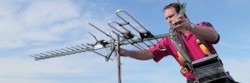
Las empresas instaladoras de telecomunicaciones y los fabricantes que proveen del equipamiento necesario requieren también un plazo mínimo de tiempo para poder abordar el proceso de antenización que se desarrollará prácticamente en 850.000 edificios. No se puede hacer bien este trabajo en plazos menores a los indicados, ya que colapsaría la capacidad de suministro y de instalación.
En televisión abierta creemos que éstas son las premisas necesarias para que un proceso tan importante como el que se presenta en breve, se lleve a cabo con éxito y con las mínimas molestias para la ciudadanía. Es una tarea que exige la participación de todos los agentes políticos, sociales y técnicos implicados para que, sin más demora, se pueda acometer este cambio, determinante para el futuro tecnológico del país.
Did you like this article?
Subscribe to our NEWSLETTER and you won't miss anything.
Related articles
 Spain adopts the DVB-T2 standard with UHD in its new National Technical Plan for Digital Terrestrial Television
 The coronavirus forces the retuning of DTT to be paralyzed due to the second digital dividend
 The coronavirus crisis will impact the second digital dividend
 The blackout of DTT frequencies continues due to the Second Digital Dividend
 The BOE publishes the National Technical Plan for DTT and the Royal Decree of Aid for Antenization
 The Government approves the new National Technical Plan for Digital Terrestrial Television
 The CNMC takes positions on the draft royal decree of the new National Technical Plan for DTT
 The Government makes public the framework that will govern the new National TDT Plan that regulates the second digital dividend
 This will be the roadmap to release the second digital dividend
 BIT Experience anticipates what will be the second digital dividend
 The EBU welcomes the European position on the second digital dividend
 The Supreme Court dismisses the appeal of the Government of the Canary Islands against the National Technical Plan for DTT
 The Government approves the new National Technical Plan for DTT
 UTECA takes positions regarding the project of the new National Technical Plan for DTT