





The 26th Malaga Festival recovers 100% of its traditional format with more than 200 works, 20 of them in competition
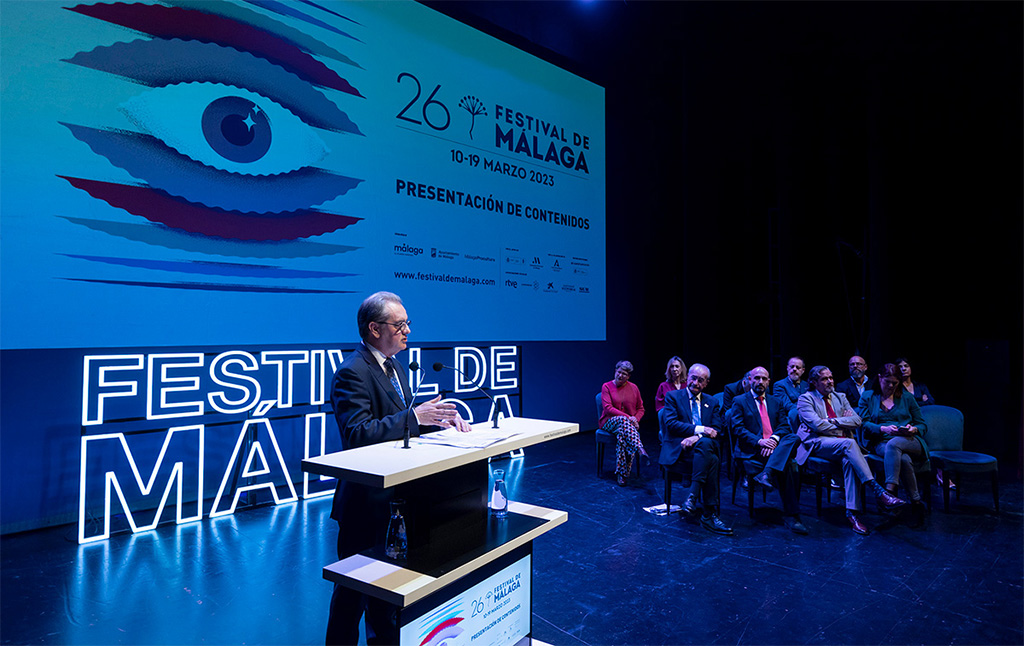
The Echegaray Theater in Malaga has hosted the presentation of the 26th Malaga Festival, an event that from March 10 to 19 will exhibit 200 audiovisual works and a wide variety of parallel activities.
The event, chaired by the mayor of Malaga, Francisco de la Torre, has had the presence of Javier Salas, subdelegate of the Government in Malaga; the Deputy Minister of Tourism, Culture and Sports of the Junta de Andalucía, Victor González; the Councilor for Culture and Sports of the Malaga City Council, Noelia slab; the deputy director of Cinema of the RTVE Corporation, Hello Lopez Pisonero; the Atresmedia Cine production company Rosa Perez; the territorial director of Andalusia, Ceuta and Melilla of CaixaBank, Juan Ignacio Zafra; the territorial manager in Andalusia, Ceuta and Melilla of the ”la Caixa” Foundation, Juan Carlos Barroso; External Relations of Cervezas Victoria, Sergio Ragel; the editor-in-chief of Diario Sur Ana Barreales, y Juan Antonio Vigar, manager of Málaga Procultura and director of the Málaga Festival, as well as representatives of different collaborating entities of the Festival. The mayor thanked all of them for their important commitment and support to culture, Málaga and the Festival.
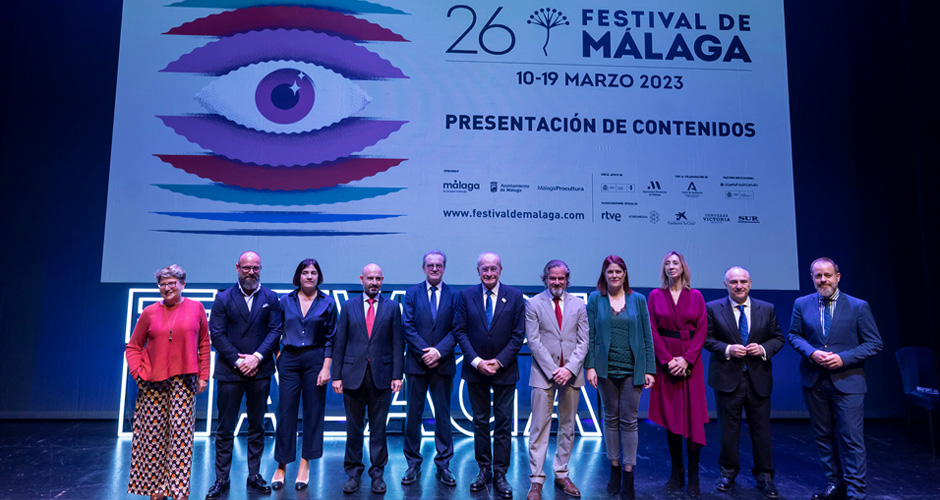 beauty, beyond breaking down the contents of the imminent edition of the Malaga Festival, has announced that on this occasion the usual contest format, with the red carpet at the door of the Cervantes Theater and Larios Street. Likewise, Vigar has announced that significant efforts have been made to position “the festival in the field Latin AmericanIn fact, the selection committee has seen 172 Spanish feature films, 23 co-productions and 224 Latin Americans, which exemplifies the growing interest of Latin American cinema in events such as the 26th Malaga Festival.
Regarding participation, this year a total of 2,322 audiovisuals (compared to the 1,949 of the last edition, 20% more), for a total of 232 selected audiovisuals, from 57 countries. Vigar has highlighted that of the 2,322 films registered, 759 have been directed by women, which means 32.7% of the total; while of those selected, 75 have been directed by women, 32.3%, "which represents practically the same average of registered films directed by women, thus maintaining proportionality and, with it, the already historic commitment to cinema made by women." Furthermore, 105 have been produced by women (45.2% of those selected).
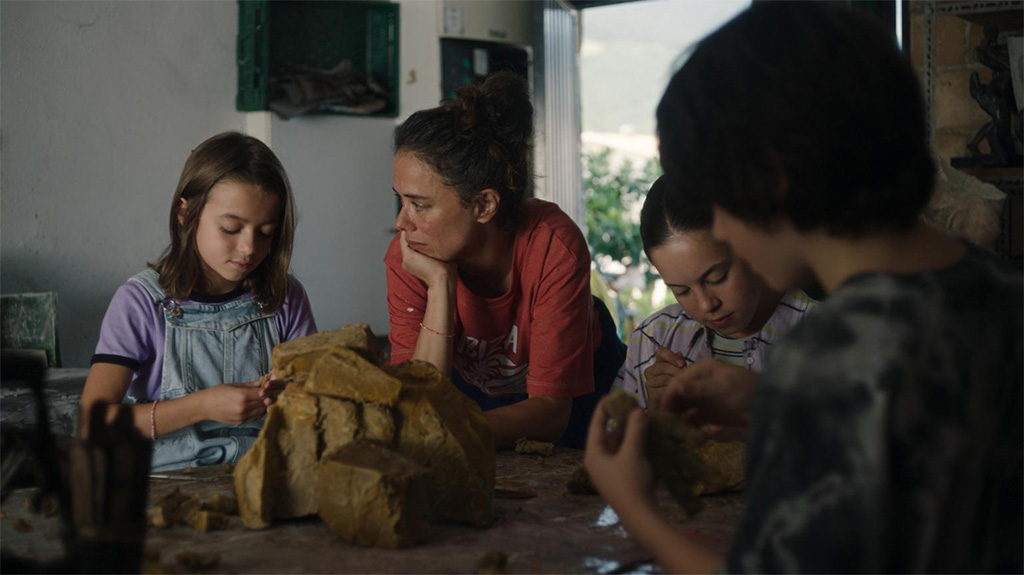
Official section of the 26th Malaga Festival
The Official Section will include 22 films, 20 of them in competition (12 Spanish and 8 Latin American), since the opening and closing films are out of competition.
Someone to take care of me by Elvira Lindo and Daniela Fejerman will inaugurate the Festival, which closes As God commands by Paz Jiménez, both out of competition. At Spanish already announced 20,000 species of bees, by Estíbaliz Urresola, Under therapy by Gerardo Herrero, A not so simple life by Félix Viscarret, along with the latinas The dance begins, by the Argentine Marina Seresesky and the punishment, by the Chilean Matías Bize, the Spanish join in Matter, by Álvaro Gago; Tregua(s), by Mario Hernández; The Enchanted, by Elena Trapé; The good companies, by Silvia Munt; Sica, by Charles Sovereign; The fantastic case of the Golem, by Juan González and Fernando Martínez (Burnin’ Percebes); Unicorns, by Alex Lora; The unknown, by Pablo Maqueda and Upon entry, by Alejandro Rojas and Juan Sebastián Vásquez.
Regarding the participation of latin american movies, the Malaga Festival has selected Rebellion by José Luis Rugeles (Colombia and Argentina); Longing made its home here inside, by Haroldo Borges (Portugal); red shoes, by Carlos Eichelmann (Mexico and Italy); I woke up with a dream, by Pablo Solarz (Uruguay and Argentina); The daughters, by Katia G. Zuñiga (Panama and Chile) and The fish tank, by Glorimar Marrero (Puerto Rico and Spain).
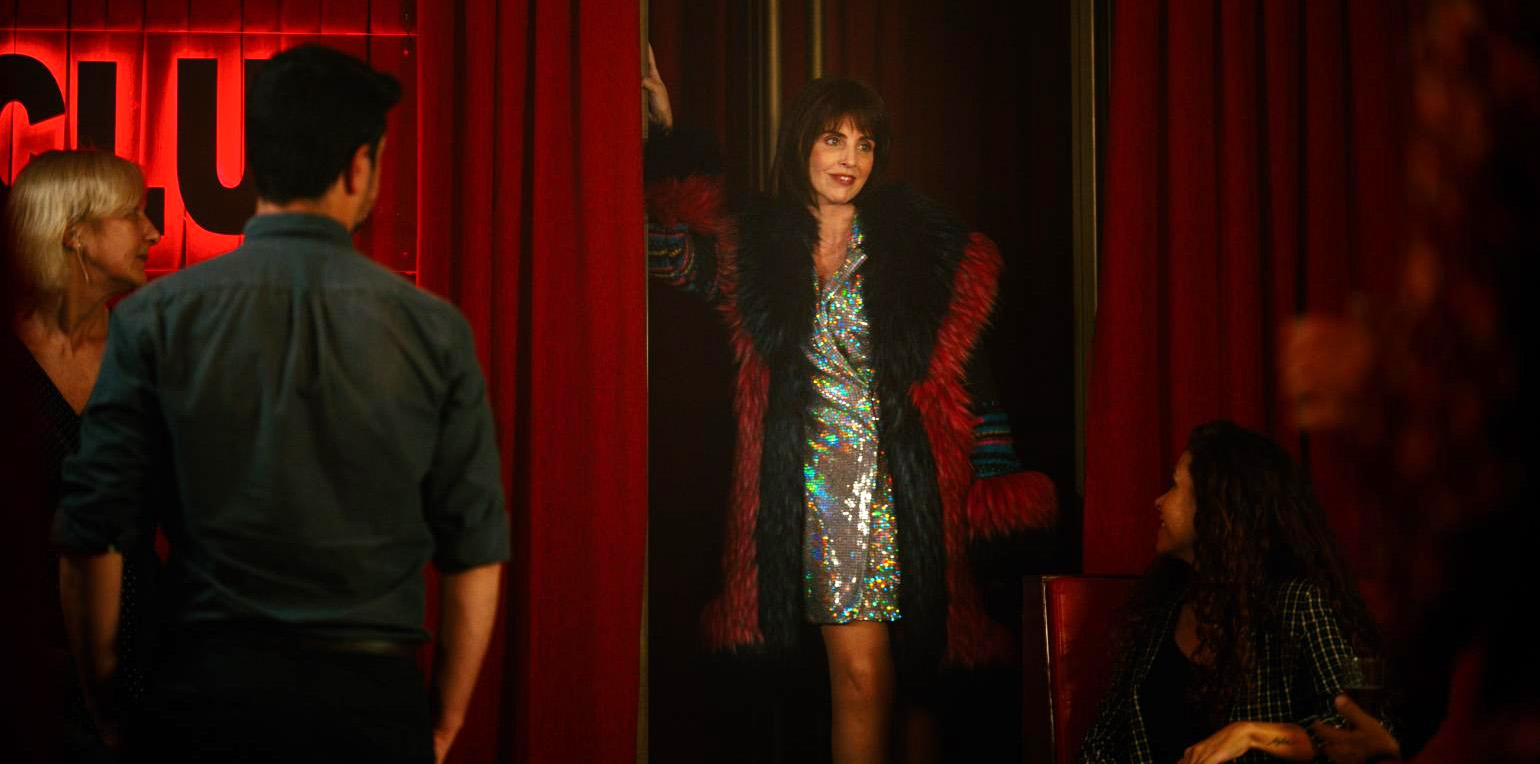
Malaga Premiere at the Malaga Festival
To the selection of the official section we must add 17 movies (11 Spanish and 6 Latin) in the non-competitive Official section under the name of Málaga Premiere, in a set of works that Vigar has reasoned “deserve to be seen and win the applause of the public, although they cannot compete due to the limitations in number of the Official Section itself.”
In Málaga Premiere the Spanish ones will be projected Siege, by Miguel Ángel Vivas; Friends until death, by Javier Veiga; Devotion, by Rafa Russo; Kepler Sexto B, by Alejandro Suárez; good manners, by Marta Díaz de Lope; From Little Red Riding Hood to Wolf in just six guys, by Chus Gutiérrez; Awareness, by Daniel Benmayor; The cuckoo, by Mar Targarona; Honeymoon, by Enrique Otero; The hotel of trouble. Garcia Garcia 2, by Ana Murugar, y Waiting for Dalí, by David Pujol, as a guest film in the Cinema Cocina section.
These are joined by latin american, Nelsito's world, by Fernando Pérez (Cuba); Conversations about hate, by Vera Fogwill and Diego Martínez (Argentina/Spain); The Monroy case, by Josué Méndez (Peru/Argentina); Wheatfield, by Anabel Caso (Mexico); The little female, by Laura Amelia Guzmán (Dominican Republic) and Barbarism, by Andrew Sala (Argentina).
The jury of the Official Section of the competition will be made up of the director Manuel Gutiérrez Aragón (president); the communicator Gonzalo Miro; Argentine actress Julieta Zylberberg; the director of the Santiago de Chile Film Festival (Sanfic), Gabriela Sandoval, and the Uruguayan film director Pablo Stoll.
Zonazine, Mosaic, TV Screen, Cinema Kitchen…
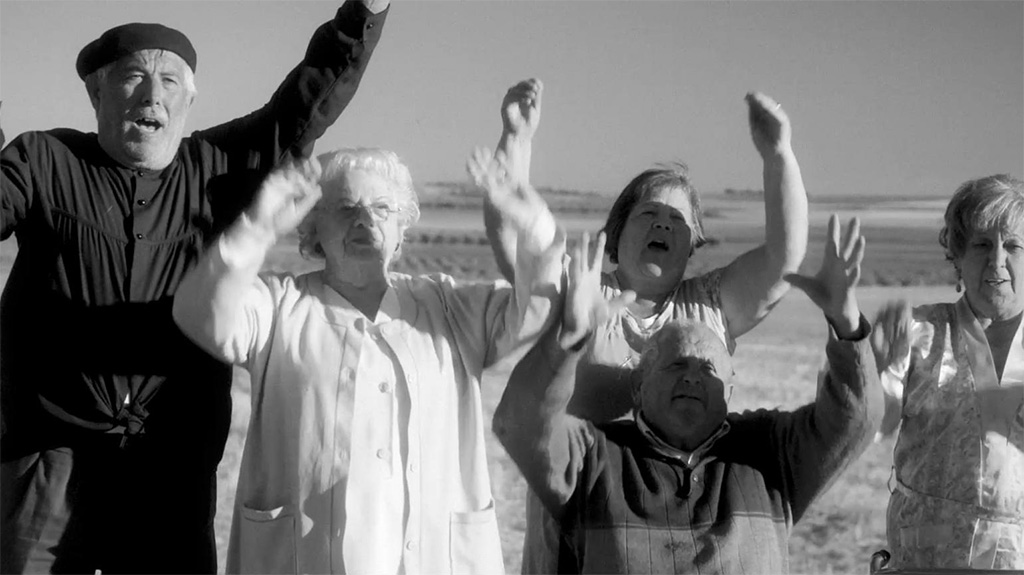
The looks of those attending the 26th Malaga Festival They will also be placed in Zonazine, a commitment to new cinema that is now 21 years old, with eight films of accentuated authorial sense and very novel narratively. There are four Spanish women (Kill crabs, de Omar Razzak; The last night of Sandra M, by Borja de la Vega; Julia, by Hugo Martínez; and Land of our mothers, by Liz Lobato) and four Latin American ones: Diogenes, by Leonardo Barvuy (Peru/Colombia); Hitler's Witch, by Virna Molina and Ernesto Ardito (Argentina); Sean Eternxs, by Raúl Perrone (Argentina) and The year I was born, by Daniel González and Alberto Amieva (Costa Rica).
Similarly, repeat the section Mosaic, International Premieres, in which you can enjoy non-Latin American films that have won important awards at festivals and that have not yet been released in Spain. There are 6 titles of Japan, Algeria, France, Italy, Tunisia, Luxembourg and Belgium. Likewise, a symptom of the important weight of television fiction in Spanish audiovisual production, the Malaga Festival is committed to an important selection of series in the section TV screen (non-competitive), where nine series participate: Hit, Better days, Selftape, Headless chickens, The invisible ones, Nacho, Tefía's nights, Dr. García's patients and The Kabul Unit.
Regarding the gastronomic section of the Festival, under the title Cinema Kitchen, and in collaboration with Lumen, Gastronomic Productions, will once again have a leading role in this edition with the IV Cinema Cocina Documentary Contest, whose objective is to highlight the value of the interesting gastronomic-themed audiovisuals that are produced today. In this section they participate unpublished Spanish and Latin American documentary feature films and short films; Specifically, 13 documentaries (5 feature films and 8 shorts), from Spain, France, Portugal, Mexico, Argentina, Peru and Colombia, are competing for the silver medals in this section, which will also feature the usual round tables and Gala Dinner at the Gran Hotel Miramar on Thursday the 16th, where the awards for this section will also be presented.
Furthermore, the Malaga Festival does not forget the always interesting sections of documentaries y short films, whose programming can be consulted on the Festival website.
 Tributes, books and concert
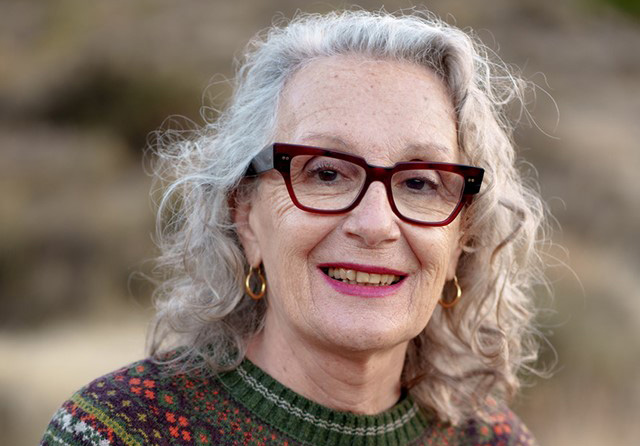
As for the tributes, the Málaga-Sur Award will go to the actress Blanca Portillo; the Ricardo Franco-Film Academy Award will be for script Yuyi Beringola; the Málaga Talent-La Opinión de Málaga Award, for Carla Simon; The Retrospective-Málaga Hoy Award will go to the Andalusian director Alberto Rodriguez and the Biznaga Ciudad de Paraíso, for the essentials of Spanish cinema, will be for Raphael.
The Festival will honor recently deceased directors Agustí Villaronga y Carlos Saura and to the artist Fernando 'Estrella', pop icon and of the LGTBIQ+ scene, the latter in collaboration with the Torremolinos Cinema exhibition. In addition, like every year, the Festival will host the presentation of the Canal Sur Andalusian Talent Award, which in this edition will go to the actor Manolo Solo.
The Golden Film of the 26th Malaga Festival it will be Radio stories, a classic from 1955 directed by José Luis Sáenz de Heredia and which will serve as a tribute to the great actor José Luis Ozores on the centenary of his birth.
The Festival will also publish the book 'The documentary in Spain: History, Politics and Society', which has articles by around thirty experts, coordinated by Casimiro Torreiro and Alejandro Alvarado. Likewise, and in collaboration with the magazine Caimán Cuadernos de Cine, the book 'Women in Spanish cinema (2020-2022)', by several authors coordinated by Carlos Heredero.
The Festival will conclude on Sunday the 19th with the now traditional film marathon at the Albéniz Cinema with the winning films and the Closing concert at the Cervantes Theater by the Amaral group.
 The 26th Malaga Festival, a meeting point for the industry
Juan Antonio Vigar has also highlighted a strategic project for the Festival: the area of MAFIZ Industry, made up of events that promote financing, co-production, distribution and sale of cinema in Spanish, all from the support and promotion of new Ibero-American audiovisual talent in its consideration as a transversal objective for this broad industrial area. Highlights the area of Industria Spanish Screenings Content (March 13-16), audiovisual market that is celebrated with renewed momentum thanks to the budget allocation framed in the Recovery, Transformation and Resilience Plan to reinforce Spain's role as Europe's audiovisual hub. With this event, the Malaga Festival aims to achieve its objectives through various lines of work, such as achieving greater diversity in content, as well as with new sections.
As for the rest of the events integrated into MAFIZ, repeat MAFF (Málaga Festival Fund & Coproduction Event), centrado en los fondos internacionales que aportan financiación al cine latinoamericano; Málaga Work in Progress y Hack Málaga, an event dedicated to emerging talent on new platforms and social networks (the latter two integrated into Spanish Screenings Content). All of them designed to create bridges between industry and talent, between Spain and Latin America.
Latinamerican Focus, the bilateral co-production forum, will feature Peru, which thus becomes Country of Honor for the 26th edition, which will also involve the screening of a Peruvian film series. And in the section Territories, dedicated to the production of the autonomous communities, will occupy a preferential place Catalonia, autonomous community of reference in this section.
Did you like this article?
Subscribe to our NEWSLETTER and you won't miss anything.
Related articles
 The Sony Catchlight Film Festival 2025 returns with its traditional competition
 Pilar Palomero, awarded with the Málaga Talent Award at the 27th Málaga Festival
 The 27th Malaga Festival will host the screening of almost 250 works from March 1 to 10
 La Casa Animada will teach its traditional and digital animation course in online format
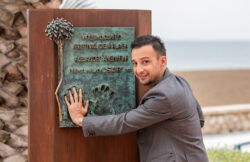 Alejandro Amenábar receives the Málaga – Sur Award within the framework of the Málaga Festival
 El Festival de Málaga celebra online Málaga Festival Fund & Co-production Event (MAFF)
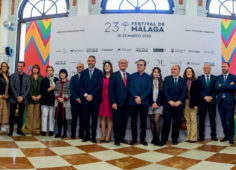 201 films selected for competition at the 23rd edition of the Malaga Festival
 Málaga Docs will reflect on documentary creation and its educational transmission at the 23rd Málaga Festival
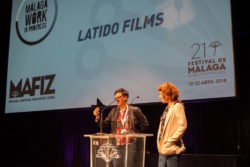 Málaga Festival announces the 16 Spanish productions that will be part of Málaga Spanish WIP in its 22nd edition
 The Malaga Festival renews the Málaga Talent event and turns it into a campus of audiovisual talents
 The Malaga Festival receives 140 projects from 19 countries for its new industry event Málaga Work in Progress
 The Malaga Festival announces the Spanish Screenings – Málaga de Cine 2018
 The Málaga Festival opens registration for Málaga Work in Progress, one of its new industry spaces
 The Madrid Film Festival announces the 75 national works in competition