





¿1080p50 HDR o 4K? ¡Derrochemos cuando nos lo podamos permitir!
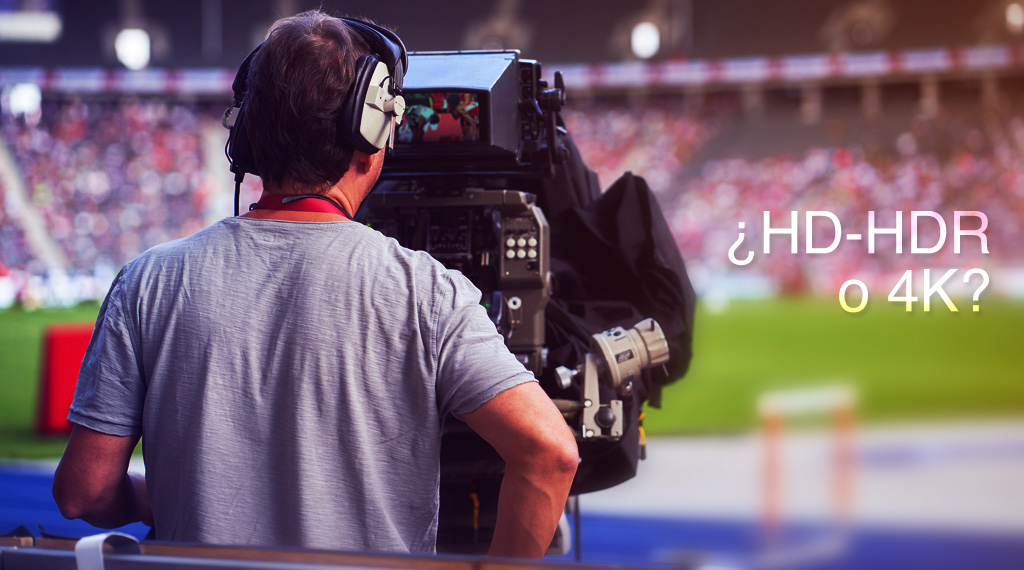

En esta tribuna, Emili Planas, CTO y operations manager of Mediapro Group, reflexiona sobre el debate entre HD y 4K surgido a raíz de que grandes eventos deportivos como la final de la Champions League o la UEFA Euro 2024 hayan apostado por el HD-HDR como estándar tras años de defensa del 4K como futuro para el entretenimiento deportivo.
Durante toda la historia de la TV, hemos aceptado que la calidad máxima tanto para captación como para visionado es la del cine. Dejando de lado la experiencia de usuario cuando vamos al cine y nos sentamos en una sala oscura con pantalla “inmensa”, que es inigualable, los parámetros técnicos de una señal 1080p50 HDR son mejores que lo que podemos ver en la gran mayoría de cines del mundo.
Muy a pesar de los que venimos de admirar la calidad superior del cine, los estándares HDR de TV superan en calidad todos los parámetros del DCI de cine.
La mayoría de las proyecciones que podemos ver en cines utilizan el standard DCI 2K, con una resolución 1080×2048 a 24fps. Esto se puede considerar mejor que el standard HD de TV: no por la resolución, cuya diferencia es irrelevante (1080×1920), ni por la cantidad de imágenes por segundo (25 entrelazadas en 50 campos), sino por el espacio de color DCI del cine que se implantó cuando se hizo la transición de químico a electrónico, y que comparado con el Rec.709 de la antigua televisión es sustancialmente mejor. La Rec.709 cubre un 36% del espectro visible y la DCI-P3 cubre aproximadamente un 46%.
¿Pero qué ocurre con la aparición del HDR en Televisión? Pues, muy a pesar de los que venimos de admirar la calidad superior del cine, los estándares HDR de TV superan en calidad todos los parámetros del DCI de cine. Una producción de TV 1080p50-HDR es equivalente en resolución al tradicional DCI 2K, pero tiene el doble de imágenes por segundo, cuenta con un rango dinámico centenares de veces superior y un espacio de color (Rec.2020) que supera el 75% del espectro visible, es decir un 29% más que en el DCI de cine.
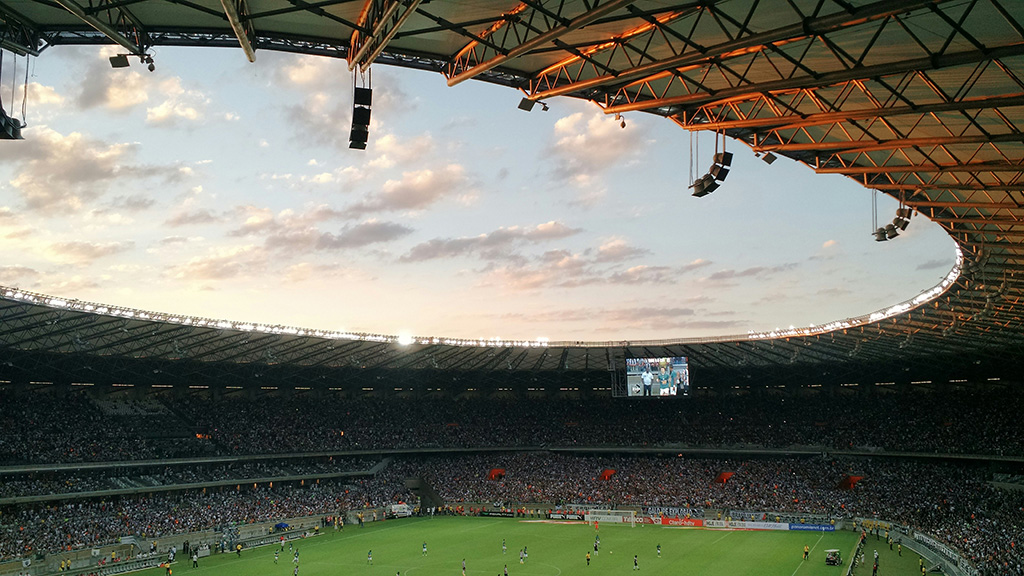
El HDR: apreciable independientemente de la distancia con la pantalla
Si en lugar de comparar cine con el resto de pantallas nos basamos en las limitaciones del sistema de percepción visual humano (SPVH), podemos apreciar que el parámetro de definición, siempre asociado a la resolución de la señal, conlleva una relación directa con el tamaño de la pantalla y la distancia de visualización. Es decir, a una misma medida de pantalla, cuanto más lejos estemos de la ella, menos resolución necesitaremos para ver las imágenes con la mayor calidad posible.
Independientemente del marketing, que permite vender más pantallas a los fabricantes gracias a cifras de resolución más comprensibles por parte del inocente comprador, los profesionales de esta industria debemos mantener los conocimientos necesarios para poder decidir en cada momento.
Para poner un ejemplo y en base a estas limitaciones del SPVH que equivalen a un ángulo de un minuto de grado para diferenciar una línea blanca de una negra, se considera que 3H (3 veces la medida horizontal de la pantalla) como distancia mínima para apreciar los detalles de una señal HD 1080×1920. Para 4K, esta distancia se reduce a la mitad, 1.5H. Dicho de otra forma, si nos sentamos a 3 metros de nuestra pantalla, para apreciar una diferencia entre HD y 4K, necesitamos una pantalla de 90 pulgadas. ¿Y que ocurre con el HDR? Pues a diferencia del tema de la resolución, cuando hay más rango dinámico y mayor espacio de color, estos se aprecian a cualquier distancia de la pantalla.
Independientemente del marketing, que permite vender más pantallas a los fabricantes gracias a cifras de resolución más comprensibles por parte del inocente comprador, los profesionales de esta industria debemos mantener los conocimientos necesarios para poder decidir en cada momento. Hay casos en los que es necesario producir y emitir en resolución 2160p50 (4K), pero hay otros en los que 1080p50 va a tener el mismo impacto en calidad para los espectadores, reduciendo sustancialmente los costes, los tiempos de trabajo y los anchos de banda para llegar hasta ellos.
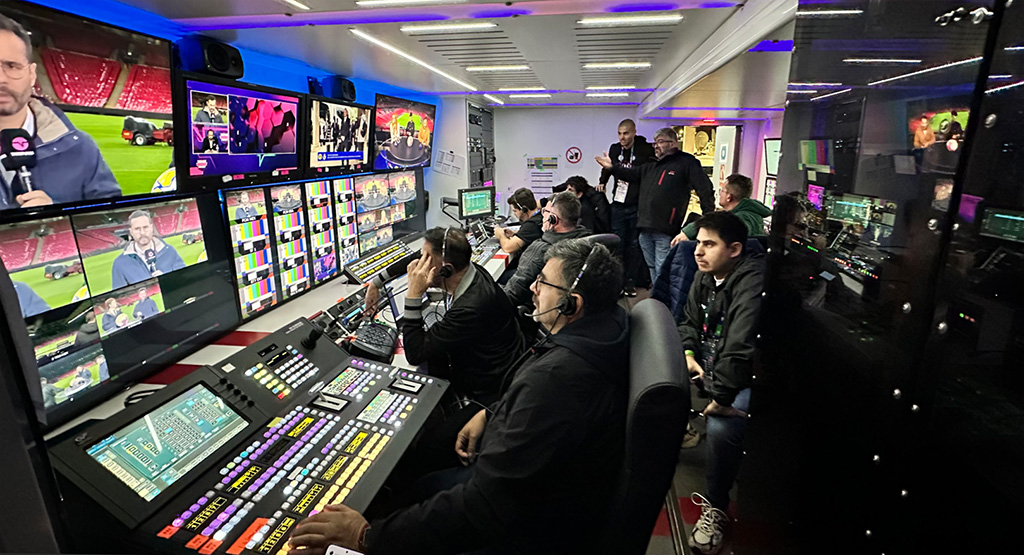
HDR en deportes: oportunidades frente a un SDR alejado del realismo
Donde no podemos tirarnos atrás es en la evolución hacia la adopción del HDR en toda la cadena de producción-difusión. Actualmente sólo se producen en HDR los contenidos deportivos más premium y algunos contenidos on-demand en plataformas OTT. Todos estos contenidos tienen su versión SDR para compatibilizar la visualización en pantallas más antiguas, y aquí es donde ocurre el único problema que puede frenar la evolución rápida del HDR.
Todos los fabricantes de televisores aplican sus “fórmulas mágicas” para que sus pantallas brillen más y tengan colores más saturados, aunque sea a costa de saltarse la norma Rec.709, que es la que rige las emisiones en SDR.
Todos los fabricantes de televisores aplican sus “fórmulas mágicas” para que sus pantallas brillen más y tengan colores más saturados, aunque sea a costa de saltarse la norma Rec.709, que es la que rige las emisiones en SDR. ¿Es probable que veamos más brillante y con el césped más “verde” un partido de la Eurocopa en TVE HD, que en el canal UHD (que es HDR)? Pues sí, esto es más que probable y ocurre de forma habitual.
En realidad, lo que vemos en SDR no es lo que está viendo el control técnico de la producción ni del emisor en un monitor grado1 o en cualquier monitor/tv calibrado, ya que el fabricante de televisores quiere que su pantalla brille tanto como sea posible, aunque sea a costa de generar defectos de banding. En cambio, cuando seleccionamos la versión HDR, lo que vemos en un televisor de última generación es muy parecido a lo que se está viendo en la sala de control de imagen del productor.
HDR, futuro del UHD
Desde la industria de la producción audiovisual, es poco probable que seamos capaces de conseguir que los fabricantes de pantallas se vean obligados a tener un preset (seleccionable por el usuario) que respete la Rec.709 para las emisiones SDR, pero si eso ocurriera, sería mucho más fácil que el espectador acabara apreciando la calidad que los productores y emisores del contenido nos esforzamos a generar, tanto en el tradicional SDR, como en el nuevo HDR.
En conclusión, una emisión en 4K a 25fps y SDR tiene mucho menos de UHD que una emisión 1080p a 50fps y HDR, tal y como empiezan a reconocer muchos actores relevantes de la industria.
Emily Planas
CTO y operations manager of Mediapro Group

Did you like this article?
Subscribe to our NEWSLETTER and you won't miss anything.
Related articles
 EventCAT (XL8) Evolves to Enable Live Two-Way Voice Translation
 Cinematography looks in color grading: Where and when?
 Secrets of the VFX of ‘Paraíso’ (Movistar+): When nothing is what it seems
 EditShare and Adobe Collaborate to Enable Remote Production and Group Editing Workflows
 Ross Video and Merging Technologies to Collaborate to Enable Fast and Easy Innovation in AES67 and ST 2110 Audio Networks
 Intinor: when flexibility and versatility converge
 VSN WEDIT: when a cloud editor shakes hands with a MAM
 Panasonic updates its P2 Cast system to allow video editing and delivery from the cloud
 'Clarke's Third Law', when art and creativity come together
 K2 Summit 3G: Grass Valley updates its popular server to work in 3 Gb/s environments (1080p50/60)
 Canal+: when identifications become art
 LaSexta On: tv dónde, cómo y cuándo quieras
 BBC selects Crystal Vision solutions for its first 1080p50 studio
 S3D Calculator, when stereoscopic calculation is not a problem