





El maratón benéfico de RTL marca un hito con su primera producción multicámara 5G en directo
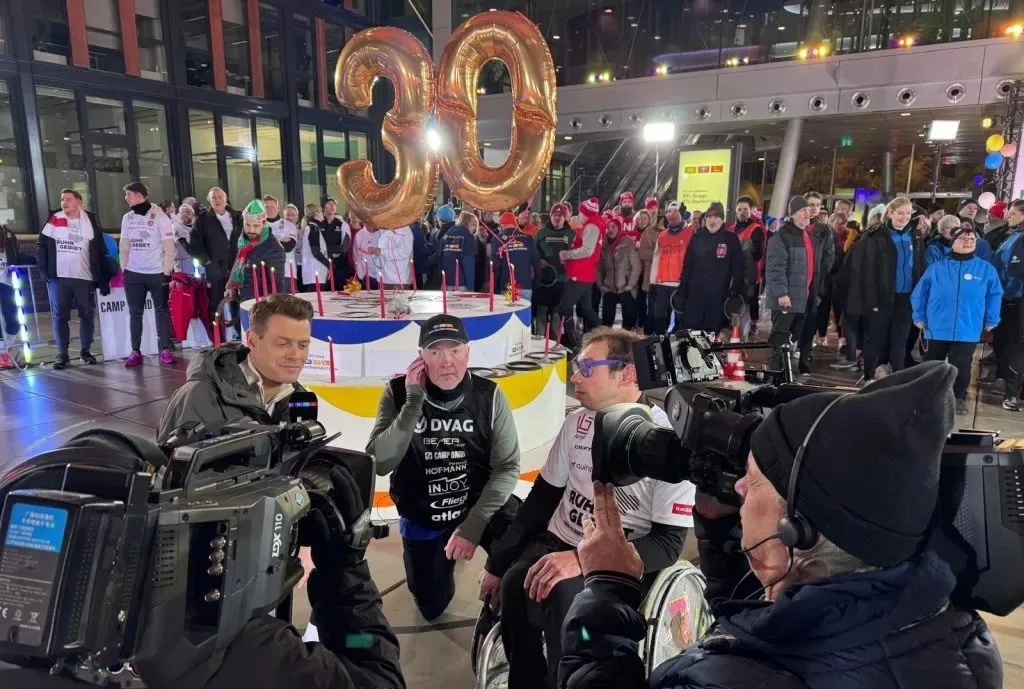
El maratón benéfico organizado por RTL supone la primera producción en directo con múltiples cámaras 5G mediante la combinación las Grass Valley LDX 110 y enlaces de Vislink.
Desde el inicio de la planificación de la 30ª edición del maratón benéfico, el equipo era consciente de que la producción de 30 horas supondría un desafío significativo en términos creativos, técnicos y operativos. Lo que no estaba previsto era que el evento se convirtiera también en el escenario de una primicia mundial para el sector audiovisual: el debut del sistema de cámara 5G integrado LDX 110 de Grass Valley, en colaboración con Vislink, utilizado por primera vez en un entorno de retransmisión en directo plenamente operativo. El resultado fue claramente satisfactorio y superó las expectativas iniciales.
Durante años, el sector broadcast ha debatido sobre el potencial del 5G como tecnología habilitadora para la producción en directo, con promesas de movilidad real, gran ancho de banda, latencia ultrabaja y cobertura sin necesidad de infraestructura dedicada. Sin embargo, hasta ahora habían sido escasos los casos de uso reales que demostraran la viabilidad del 5G para sostener de forma continua una producción multicámara en directo con control total de cámara, sombreado, tally, retornos de vídeo y calidad de imagen profesional. En este contexto, el objetivo era encontrar una solución capaz de integrar todas estas funciones sin recurrir a una combinación compleja de sistemas, protocolos y proveedores.
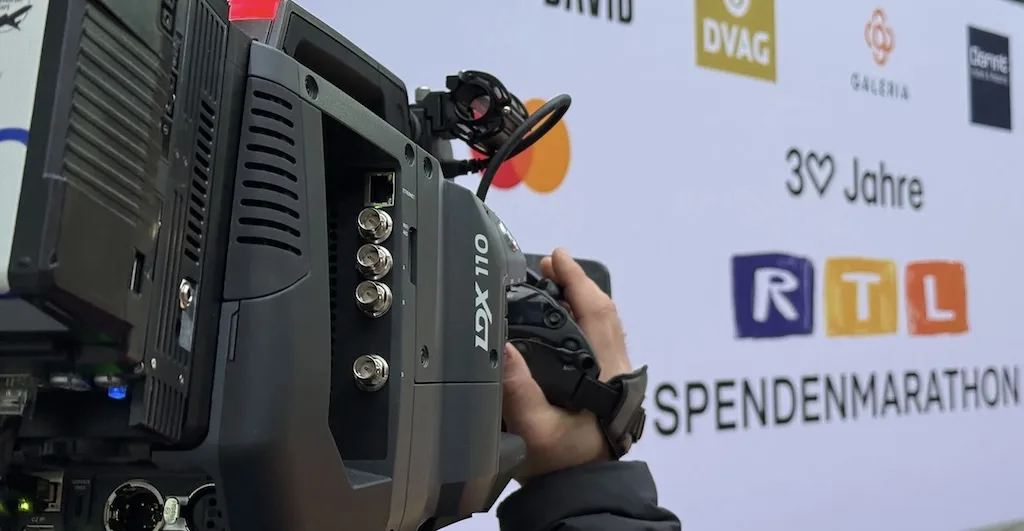
Durante el reto de 24 horas fuera del centro de emisión de Colonia, se desplegaron dos cámaras Grass Valley LDX 110 equipadas con módulos Vislink 5G integrados y conectadas a la red privada 5G NPN de RTL. Estas cámaras no solo transmitían la señal de vídeo, sino que se integraban plenamente en el flujo de trabajo de sombreado remoto a través de GV AMPP, permitiendo un control en tiempo real equivalente al de una cámara de estudio con conexión por cable. Vislink se encargó del transporte de vídeo, el retorno de señales, el control de cámara y el tally, mientras que la red privada 5G de RTL garantizó una cobertura estable durante todo el periodo de emisión.
Lo verdaderamente diferencial de esta experiencia fue la realización, por primera vez, de una producción multicámara en 5G con la combinación LDX 110 y Vislink, demostrando que el sombreado y el control remoto de cámaras a través de 5G pueden igualar el rendimiento de los sistemas tradicionales. Además, el proyecto sirvió como demostración de que las redes 5G públicas o segmentadas pueden convertirse en el siguiente paso evolutivo para la producción en directo. No se trataba de una simple prueba de laboratorio, sino de una emisión en horario de máxima audiencia, en directo y para la audiencia de RTL.
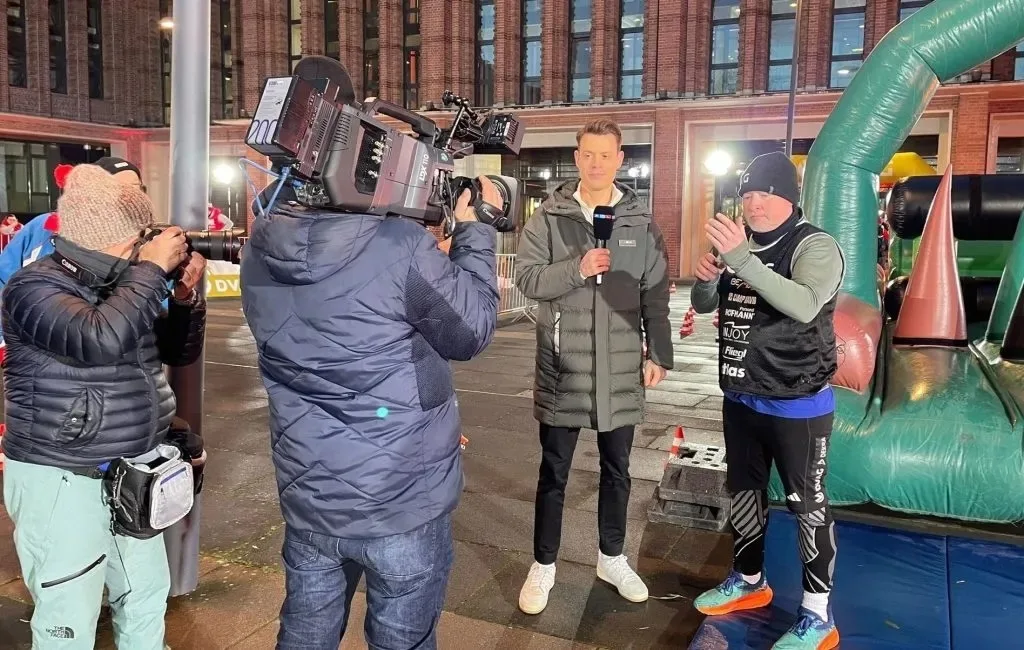
Libertad de movimientos con 5G
Desde el punto de vista narrativo, el impacto fue notable. Las limitaciones habituales de los enlaces RF tradicionales, como las zonas de cobertura, las licencias de frecuencia, las restricciones de ancho de banda o la necesidad de costosos enlaces aéreos, quedaron superadas. Gracias a la configuración integrada de Grass Valley y Vislink basada en 5G, los operadores de cámara pudieron moverse con total libertad, sin estar condicionados por infraestructuras fijas ni por las restricciones clásicas de la RF, lo que permitió seguir la acción desde todos los ángulos del recorrido y ofrecer imágenes más dinámicas, frescas y auténticamente en directo.
Desde una perspectiva operativa, el sistema demostró su solidez durante las 24 horas de emisión continua. Las cámaras ofrecieron imágenes estables y de calidad profesional, la latencia se mantuvo dentro de los márgenes aceptables para la retransmisión en directo, el sombreado remoto mediante AMPP funcionó sin interrupciones y tanto los sistemas de Grass Valley como los de Vislink respondieron de forma fiable bajo la presión real de una producción en vivo. Aunque, como en toda prueba de concepto, se identificaron áreas de mejora que fueron trasladadas a los equipos de ingeniería, en ningún momento se comprometió la salida al aire y todos los segmentos previstos pudieron emitirse según lo planificado.
Un elemento clave de esta experiencia fue la integración directa de las cámaras en AMPP, especialmente en lo relativo al sombreado remoto, que convirtió toda la cadena de producción en un flujo de trabajo colaborativo y coherente, desde el operador de cámara hasta el sombreador y el mezclador de imagen. Sin soluciones provisionales ni conversiones de señal, la producción funcionó de forma natural, anticipando cómo debería ser la producción en directo del futuro. Este experimento no solo contribuyó a mejorar la retransmisión del Spendenmarathon, sino que demostró que el 5G ya no es una tecnología del mañana para el streaming y el broadcast, sino una solución práctica y operativa en el presente.
El uso de 5G abre la puerta a nuevos modelos de producción, como producciones de campo totalmente inalámbricas con múltiples cámaras, configuraciones más ligeras con infraestructura mínima, flujos de trabajo de producción remota a gran escala y el aprovechamiento de redes 5G públicas o segmentadas para lograr movilidad a nivel nacional. Y, como se evidenció en esta experiencia, esto es solo el principio.
Did you like this article?
Subscribe to our NEWSLETTER and you won't miss anything.
Related articles
 Multiple sclerosis sufferer Joe Ramsden broadcasts his London Marathon feat live with LiveU
 ARRI da un paso más allá en la producción en directo multicámara con Alexa 35 Live – Multicam
 Sony Venice transforma la producción multicámara en directo de ESPN
 Mediapro logra en los Goya un hito al gestionar 210 contribuciones en directo con Zoom y 4G
 Western Digital marca con ArmorLock un hito en la protección de datos para entornos de media
 Grass Valley marca como dirección estratégica la producción en directo sobre IP y en nube
 VRT utiliza Quicklink Studio en la producción del programa benéfico ‘De Warmste Week’
 Sony y la alemana TVN marcan un hito en la producción en directo con la nueva unidad móvil 4K HDR
 X-One, la nueva solución todo-en-uno de EVS para producción multicámara en directo
 Bexel lanza Clarity 800, la primera cámara en miniatura para producción en directo en HFR
 VidiGo Live, una alternativa innovadora en producción en directo multicámara
Crosspoint presenta VidiGo Live, una alternativa innovadora en producción en directo multicámara
VidiGo Live, una alternativa innovadora en producción en directo multicámara
Crosspoint presenta VidiGo Live, una alternativa innovadora en producción en directo multicámara
 Los Sanfermines, por primera vez en directo por multicámara en RTVE.ES
 Christie marca un hito con el primer proyector 3-chip DLP de resolución 4K de la industria que funciona a 60 Hz