





« Drive My Car », lauréat d'un Oscar, étalonné avec DaVinci Resolve Studio
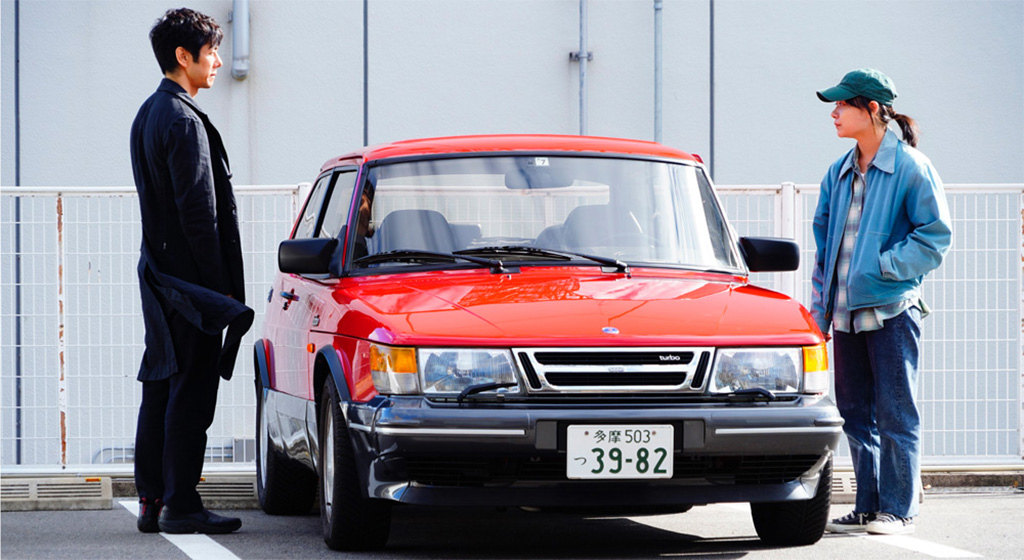
Coloriste Yumeto Kitiyama (Imagine) a décidé d'utiliser Blackmagic Design DaVinci Resolve Studio va étalonner Drive My Car, lauréat de l'Oscar du meilleur long métrage international.
Conduis ma voiture, réalisé par Ryûsuke Hamaguchi, s'inspire de la nouvelle du même nom de Haruki Murakami. Dans le film, Kafuku, acteur et réalisateur veuf, affronte ses sentiments et franchit un nouveau pas en avant lorsqu'il rencontre Misaki, un chauffeur taciturne rencontré lors d'un festival de cinéma. L'histoire parle de perte et d'espoir pour ceux qui sont privés d'êtres chers et a remporté de nombreux prix dans divers festivals au Japon et à l'étranger, notamment le Festival de Cannes. Il a également reçu quatre Nominations aux Oscars, dont celui du meilleur film, et a remporté le prix pour Meilleur long métrage international.
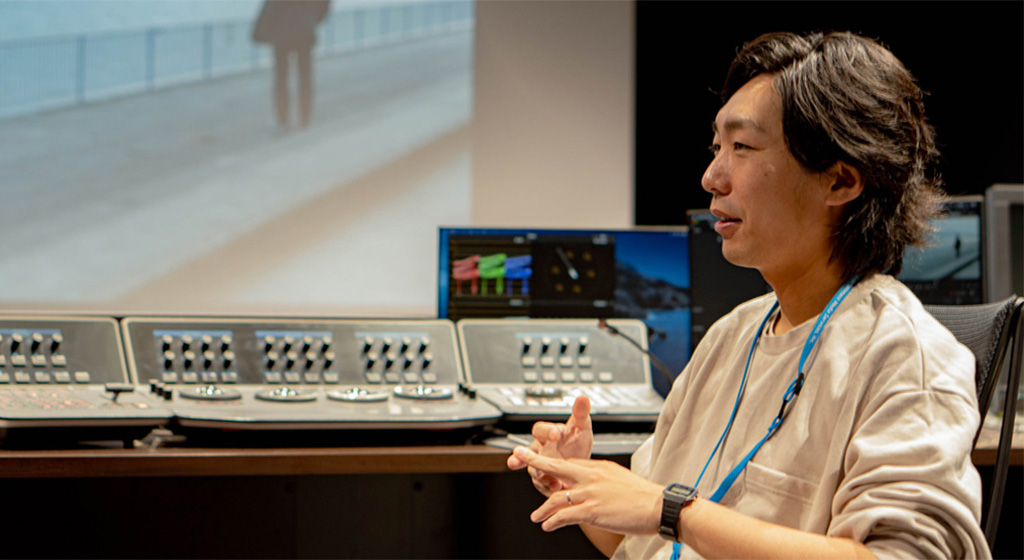 Avant le début du tournage, Kitayama s'est associé au directeur de la photographie Hidetoshi Shinomiya pour créer des LUT dans DaVinci résoudre, qui ont ensuite été utilisés pour surveiller les images sur le plateau. L'objectif était de créer un aspect aux tons bleutés, dans le style des films européens, par opposition à l'aspect conventionnel des films japonais. « Nous avons essayé de ne pas aller trop loin dans les visuels, mais plutôt de créer un look naturel avec une subtile touche de ce ton bleu », se souvient Kitayama.
L’utilisation du bleu contraste avec la voiture de Kafuku, une Saab rouge qui joue un rôle symbolique dans l’histoire. La couleur rouge vif apparaît dans plusieurs scènes du film et est particulièrement frappante. "Le ton général du film est plutôt bleu et je voulais que la couleur rouge de la Saab contraste avec ce bleu", a expliqué Kitayama.
Un focus pour chaque ville
Le film a été tourné dans plusieurs villes, dont Tokyo, Hiroshima et Hokkaidō. Kitayama focused on making each location convey a particular feeling in terms of temperature and atmosphere: “For example, Tokyo and Hokkaido have a cold feeling, with more blue and cyan tones. Hiroshima, on the other hand, has a slightly warmer tone. It is very important to convey the ‘smell’ and ‘temperature’ of the footage. I believe that a good DP and director can produce good images but conveying a sense of smell and temperature is a major part of process that grading can contribute. The footage the director Hamaguchi and Shinomiya shot was fantastic, and I tried to convey those sensory aspects in the grading so that I could make a good picture look even better.”
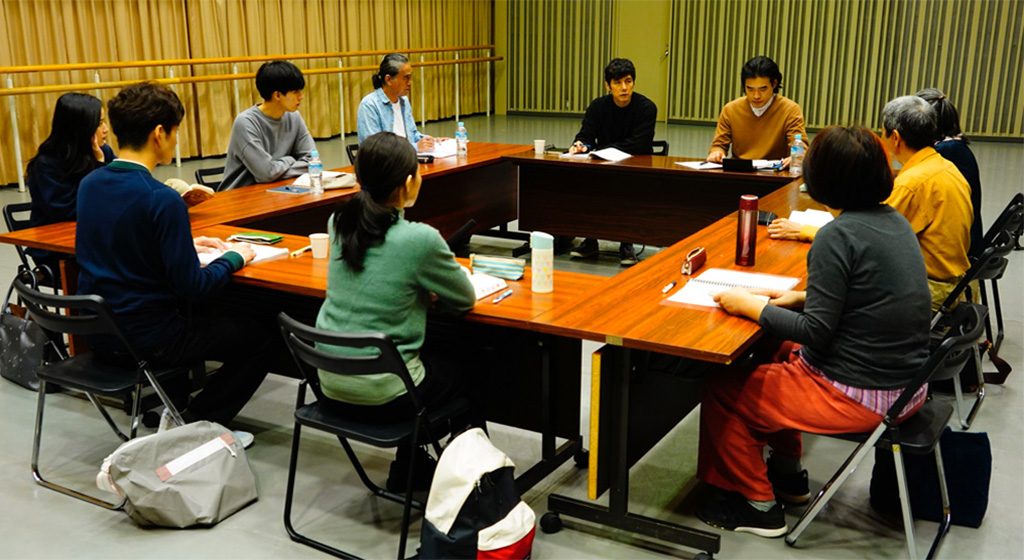
The film has had many challenges in its post-production phase, but Kitayama remembers one in particular: “In the bar scene, there were two tones of lighting, blue and tungsten, so it was a little difficult to balance the intensity of lighting. Also, in the scene where actors read the script in the rehearsal room, the color and brightness of the background wall were slightly different depending on where the camera was aimed. I adjusted the color of each shot so that it would not make audiences feel uncomfortable watching the scene.”
"DaVinci résoudre allows me to adjust the opacity of layer node, which is very handy if you want to make subtle adjustment of your grade. I used it a lot. (…) DaVinci Resolve allowed me to grade without any stress and let me focus on the creative work to get the best quality possible,” he concludes.
https://youtu.be/6BPKPb_RTwI
Avez-vous aimé cet article ?
Abonnez-vous à notre BULLETIN et vous ne manquerez de rien.
Articles connexes
 La Palme d’Or à Cannes, « Anatomy of a Fall », terminée avec DaVinci Resolve Studio
 Le Père Noël sadique de « Violent Night », étalonné avec DaVinci Resolve Studio
 Le clip du tube « Habit » de TikTok de Sekai No Owari a été étalonné avec DaVinci Resolve Studio
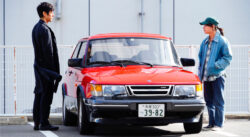 "Drive My Car", Oscar du meilleur film étranger, étalonné avec DaVinci Resolve Studio
 « Don't Call It Mystery » (Fuji Tv), étalonné avec DaVinci Resolve Studio
 « Pagan Peak » de Sky Deutschland étalonné avec DaVinci Resolve Studio
 « Ne cherchez pas » (Netflix), étalonné avec DaVinci Resolve Studio
 « Red Notice » (Netflix), étalonné avec DaVinci Resolve Studio
 Le Green Knight a été étalonné avec DaVinci Resolve Studio (Blackmagic Design)
 La troisième saison de « Brassic » (Sky) a été étalonnée avec DaVinci Resolve Studio
 « Gaey Wa’r », étalonné avec DaVinci Resolve Studio de Blackmagic Design
 Lauréat du Grand Prix du Jury de Cannes « Compartiment n°6 », étalonné avec DaVinci Resolve
 Le nouveau clip de Tones and I, « Won’t Sleep », monté et étalonné avec DaVinci Resolve Studio
 "Another Round", lauréat d'un Oscar, a été terminé avec DaVinci Resolve