





Le Green Knight a été étalonné avec DaVinci Resolve Studio (Blackmagic Design)
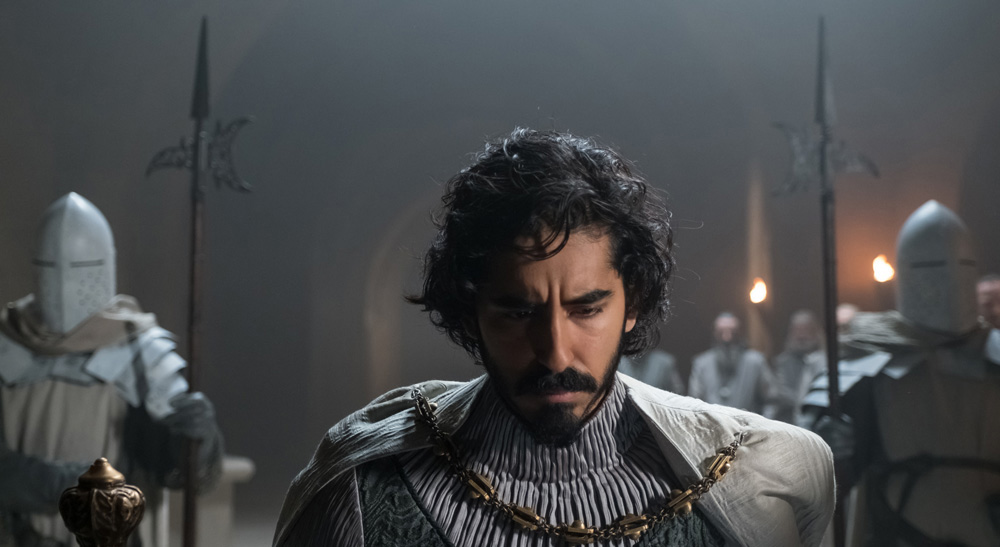
Coloriste Alastor Arnold (PhotoChem) a décidé d'utiliser Blackmagic Design Logiciel DaVinci Resolve Studio pour étalonner les couleurs de The Green Knight, un film photographié par le chef opérateur Andrew Droz Palermo.
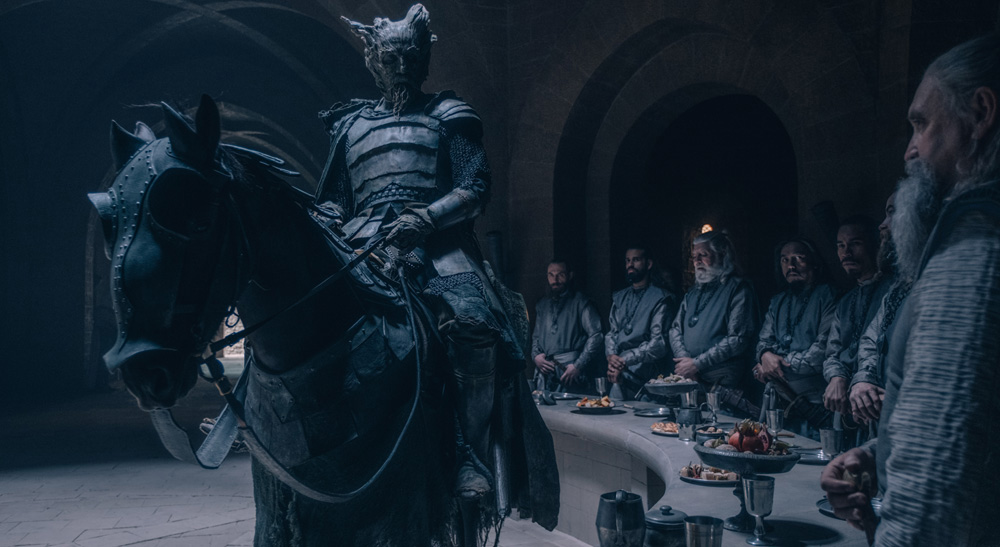
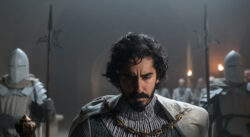
Le Chevalier Vert raconte l'histoire de Sir Gawain (Dev Patel), le neveu « téméraire et têtu » du roi Arthur, qui se lance dans une quête dangereuse pour affronter le Chevalier Vert éponyme, un étrange géant à la peau émeraude qui teste les hommes. Pour aborder la couleur pour cela A24 production, Palerme a décidé de faire à nouveau confiance à Alastor Arnold : "Je pense que c'est notre quatrième long métrage ensemble, et en plus nous avons réalisé un certain nombre de publicités et de courts métrages, nous disposons donc d'un raccourci précieux en termes de couleur et de goût."
Palerme et réalisateur David Lowery a travaillé en étroite collaboration avec Arnold pour gérer le traitement des couleurs avant le tournage : « J'ai tourné quelques séquences et je les ai rapportées à la baie de couleurs pour construire notre spectacle LUT ». La LUT devait être créée avec soin, car Palermo savait que le projet serait assez exigeant : "Nous avions pour objectif de faire en sorte que cette LUT gère l'exposition tout en conservant un certain contraste de couleur, tout en pouvant être étirée vers des endroits éloignés, soit avec des CDL, soit avec des filtres de couleur sur la caméra. Je savais que j'allais parfois devenir assez psychédélique avec les couleurs. "
Arnold elaborates: “Andrew and I sat with David in the DI theater and came up with a look together, organically. Andrew guided me as to what he was going for in terms of tone curve, color bias, etc, and we fine tuned until everybody was happy. It’s a very dark, bold looking film, and I consider it some of my best work as a colorist.”
Working with DaVinci Resolve Studio
To tackle this project, the entire team turned to DaVinci Resolve Studio, described by Palermo as “a strong tool” that “does what we want it to do with stability and speed even with the large format RAW footage we were shooting for this film. Alastor and Claire, his assistant colorist, set up a node tree on the whole project before we even started so that if I want to say ‘add a bottomer’ Alastor could just toggle the already built node on. Or if I wanted to adjust the luminance of a whole scene, it was just a click away.” Arnold also appreciates the wide variety of tools available in DaVinci Resolve: “I don’t choose a system based on the project. Colorists are often tasked with things that fall outside of color like visual effects, titling, editing, etc. Resolve is very capable in all those arenas, even sound.”
Despite the integrated conversion board, the film still presented challenges for both Arnold and Palermo. According to the cinematographer himself, “There are so many strong looks within the film, heavy blues, reds, greens and ambers. Finding the particular flavor of amber for the final portion of the movie was difficult. It could look nuclear quite fast, and finding the proper method that served each of the scenes shot over many days in varying light was tough. I think we graded that portion of the movie three times.”
Despite all these challenges, Palermo appreciates being able to rely on the tools of DaVinci Resolve hand-in-hand with Arnold. “Those are fun creative places to be, when scenes that are captured well on set and further finessed are given nuance in the color grade,” he concludes.
https://youtu.be/sS6ksY8xWCY
Avez-vous aimé cet article ?
Abonnez-vous à notre BULLETIN et vous ne manquerez de rien.
Articles connexes
 Le Père Noël sadique de « Violent Night », étalonné avec DaVinci Resolve Studio
 Le clip du tube « Habit » de TikTok de Sekai No Owari a été étalonné avec DaVinci Resolve Studio
 « Drive My Car », lauréat d'un Oscar, étalonné avec DaVinci Resolve Studio
 « Don't Call It Mystery » (Fuji Tv), étalonné avec DaVinci Resolve Studio
 « Leonor ne mourra jamais », étalonné avec DaVinci Resolve (Blackmagic)
 « Pagan Peak » de Sky Deutschland étalonné avec DaVinci Resolve Studio
 « Ne cherchez pas » (Netflix), étalonné avec DaVinci Resolve Studio
 « Red Notice » (Netflix), étalonné avec DaVinci Resolve Studio
 « The Green Knight », étalonné avec DaVinci Resolve Studio
 La troisième saison de « Brassic » (Sky) a été étalonnée avec DaVinci Resolve Studio
 « Gaey Wa’r », étalonné avec DaVinci Resolve Studio de Blackmagic Design
 Vanessa Taylor étalonne « The Protégé » avec DaVinci Resolve Studio (Blackmagic Design)
 Le nouveau clip de Tones and I, « Won’t Sleep », monté et étalonné avec DaVinci Resolve Studio
 « Chaogtu with Sarula », étalonné avec DaVinci Resolve de Blackmagic Design