





コンテンツの作成とコラボレーションは、次の点を考慮することで改善できます。

ワークフローの問題と技術的なボトルネックはすべて今日の生産上の懸念事項の一部ですが、これらを解決するにはどうすればよいでしょうか? Skip Levens 氏、メディアおよびエンターテイメント担当プロダクト マーケティング ディレクター 量子では、主な課題を分析し、コンテンツプロデューサーとクリエイティブがこれらの課題にどのように真正面から対処できるかを説明します。
今日の 放送業界 です 驚異の技術革新と人間の創造力。テレビ番組では、 24時間放送し続ける 一回の休憩もなく。多くの番組は、主流の視聴者や広告主にアピールしながら、何年にもわたってそれを続けています。それは 高圧 予算の制約が年々厳しくなる環境や、 増え続けるクリエイティブな要求。既存の制作ワークフローを完全に混乱させた新型コロナウイルス感染症のパンデミックなど、世界的な重要な出来事の際には、リスクはさらに高まります。
しかし、この 1 年、世界的なビデオ消費と魅力的な高解像度コンテンツに対する需要は、これまで以上に増加しました。 60パーセント。 ビデオが新たな常態になった さまざまな OTT ストリーミング サービスで利用できる、一気食いに値するシリーズ、没入型映画、アニメーションのおかげで、視聴者を楽しませ、教え、交流するための最も効果的な手段です。
これにはコストがかかります。新鮮なコンテンツへの需要、予算の逼迫、グローバルチームの拡大により、プロデューサーは現在、次のことを余儀なくされています。 コンテンツの作成方法と配信方法を再考する。今はどのように構築するかに焦点が当てられています より柔軟で信頼性の高いワークフロー これにより、制作チームは生のコンテンツの取り込みワークフローを保持し、いつでもどこからでも長期アーカイブに迅速にアクセスできるようになります。制作をスピードアップし、チームがより創造的に考えることができるようにすることが重要です。 重要な要素 そのため、コンテンツ制作者も楽ではありません。
しかし幸運にも コンテンツとコラボレーションを簡単にする方法はあります 以下の簡単な手順に従ってください。
生産要件は変化しています
まず最初に、制作作業に携わるすべてのクリエイターは、ワークフローの要件が変化していることを認識して取り組む必要があります。 より良い方向へ。私たちは何年もの間、予算が厳しくなり、視聴者が求めるより多くのコンテンツについて話してきました。一般に、少ないものでより多くのことを行う必要があります。そして良いニュースは、テクノロジーと最先端のベストプラクティスが私たち全員を助けるということです。
ビデオが新たな常態になった そして最も効果的な手段は、 楽しませ、教え、交流する と 観客
パンデミックは、私たちの業界がそれに備える必要があることを思い出させるものでもあります。 柔軟な働き方、より効率的なリモート コラボレーション、以下の機能 どこからでもコンテンツを作成し、プロジェクトを管理できます。チーム メンバーは、制作の編集段階で、同僚がどこにいても、コンテンツをシームレスに操作し、同僚と共同作業できる必要があります。放送会社、ポストプロダクション会社、企業のビデオ部門、アニメーションおよび VFX スタジオはすべて、 スピーディなメディア摂取 制作および資産管理プロセス全体にわたってコンテンツに継続的にアクセスできます。さらに、組織は次のことも行う必要があります。 将来の使用に備えてコンテンツを保存し、潜在的な損害から保護します 紛失した場合でも、新しいコンテンツ パッケージや振り返りなどを開始するためのすぐにアクセスできるようになります。
 協力的なチームを立ち上げるのは言うは易く行うは難し
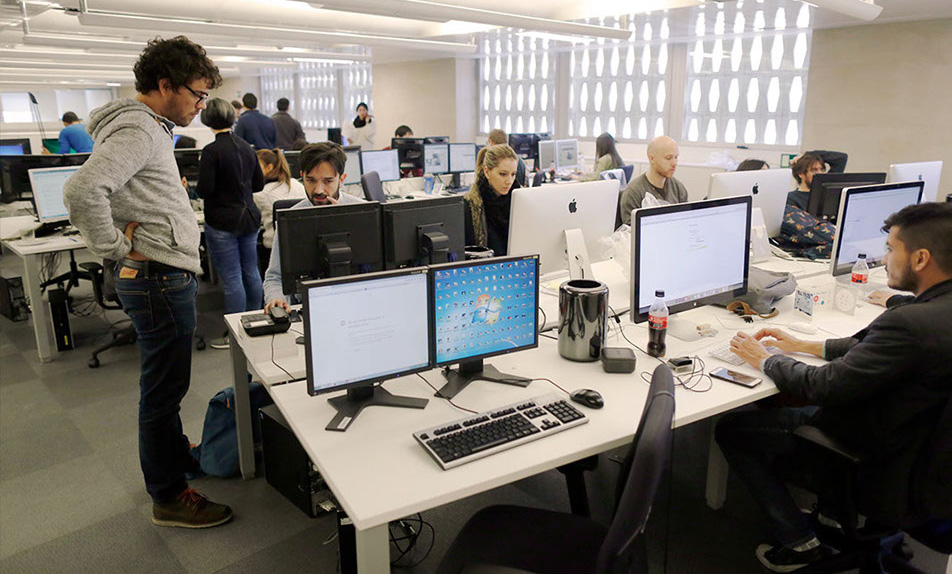
メディア業界が急速に動いていることは周知の事実です breakneck pace. Producing high-quality material in a timely manner is never a one-person task; it necessitates collaboration between several departments. When you consider how many individuals are involved from beginning to end, it’s clear to understand how building a streamlined workflow might be difficult。
Creating new teams, pursuing new projects, organising live events, or collaborating on production can be exacting if the production environment isn’t agile enough. It is essential that production environments allow for change and evolution. They must also be able to accommodate for the growing number of team members who may be based in different locations around the world and use a range of operating platforms and applications. Above all, a production environment should be adaptable – ready to set up quickly and efficiently to support the production and collaboration needs of the team.
Disjointed workflows can be costly
As the demand for content generation increases, so does the pressure on production teams. Teams across the industry are primarily focused on just completing projects and deliverables and moving on to the next one. As a result, workflows can become disjointed, meaning potentially valuable, raw content can be easily lost or difficult to manage. This lack of integration can pose serious problems to a team’s overall productivity as they waste time unnecessarily looking for what they need. To help tackle this problem, companies need to take an active approach when it comes to controlling content sprawl.
の main challenge のために production companies は how and where to store their ever-growing content そして project archives.
Companies must ensure that they have a clear vision across the content in their entire organisation – that their operations are in a connected, shared storage environment and have a file system with built-in data movers to capture content onto a single platform. This approach will not only enable companies to have clear visibility across the entire workflow, but it will also facilitate finding and managing content。
Keeping up with ever-growing content archives
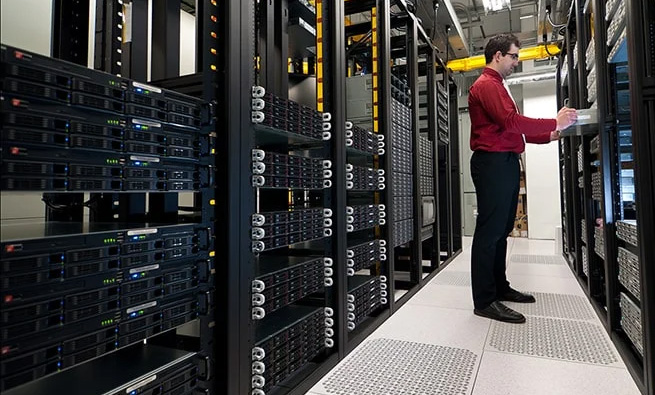
When it comes to storing content, it’s easy to fall into bad habits. There’s often a tendency to move files off shared storage to offline systems thinking ‘I’ll remember where I put that’, particularly when large content and project archives are involved. However, this quick ‘solution’ often creates more problems for production teams. By transitioning files to offline systems, it removes the ability to quickly and easily access content for new workflows or reuse for other projects.
So, the main challenge for production companies is how and where to store their ever-growing content and project archives. To accommodate for the large volumes of content and project archives, a single workflow storage platform is required that connects all the locations and types of storage where assets are required at a click of a button. To ensure seamless content flow across storage, from NVMe or SSD to HDD, tape, or cloud, the chosen platform must allow continuous access to content and enable consolidation of raw and finished content into one platform.
Choosing the right storage platform
On top of all this, there is the challenge of choosing the right storage platform. As content production increases, operations must keep up or they will simply not be able to cope with the demand. However, it is not a straightforward task. Many production companies have a hard time choosing the right storage platform that will allow them to economically scale up or out or adapt to their specific workflow needs. There’s no ‘one size fits all’ storage approach.
When it comes to selecting a storage platform, organisations need to anticipate future demands and ask the right questions to ensure that the platform they choose will evolve and adapt to ever-changing requirements.. The value of a storage platform that enables media organisations to grow and thrive should not be underestimated.
として media workflows constantly change, organisations must take appropriate action to ensure efficient and streamlined workflows are in place.
As the media industry evolves so too will the challenges it faces. The creative vision and quality of content will be what defines a brand and its audience engagement. As media workflows constantly change, organisations must take appropriate action to ensure efficient and streamlined workflows are in place. With modern storage and workflow solutions, the sky’s the limit when it comes to content production。
Skip Levens
Product Marketing Director, Media and Entertainment at 量子

この記事は気に入りましたか?
購読してください ニュースレター 何も見逃すことはありません。
関連記事
 Tedial が IBC 2024 で SmartWork の新しいノーコード コラボレーション機能を紹介
 Sevilla Content CityはSecuoya Content Groupによって管理・運営されます
 LA クリッパーズ (NBA) が ATOMOS Ninja Ultra を使用したソーシャル メディア コンテンツ作成ワークフローをデビュー
 LAWO、CTOオフィスの設置で事業戦略を強化
 Autodesk Moxion Rooms は、映画やテレビのクリエイティブ チームにリアルタイムのカメラとクラウドのコラボレーションを提供します
 Blackmagic Camera バージョン 7.7 での補間とカラーバランスの改善
 Dock10 は、AJA FS-HDR を使用して SDR および HDR コンテンツを同時に生成します
 Mo-Sys は、改良されたコンポジター、NearTime レンダリング、およびリモート コントロールにより VP Pro の機能を拡張します。
 オーディオ専門家は、Avid Cloud Collaboration を使用して Pro Tools プロジェクトでより密接にコラボレーションできるようになりました
 Autodesk 2012 デジタル エンターテイメントの作成
 あらゆる環境での柔軟性を特徴とする JVC Creation Tour が始まります
 JVCクリエーションツアーはスペインの3都市を巡ります
 オートデスク、Digital Entertainment Creation の 2011 バージョンをリリース
 IEC ビデオ、Creation シリーズの新しい JVC ディストリビューター