





Panasonic: ¿P2HD vs AVCCAM?
Panasonic lowers the price of P2 storage with the new P2 E-Series, with capacities between 16 and 64 GB and a price that will be between $420 and $1,000.
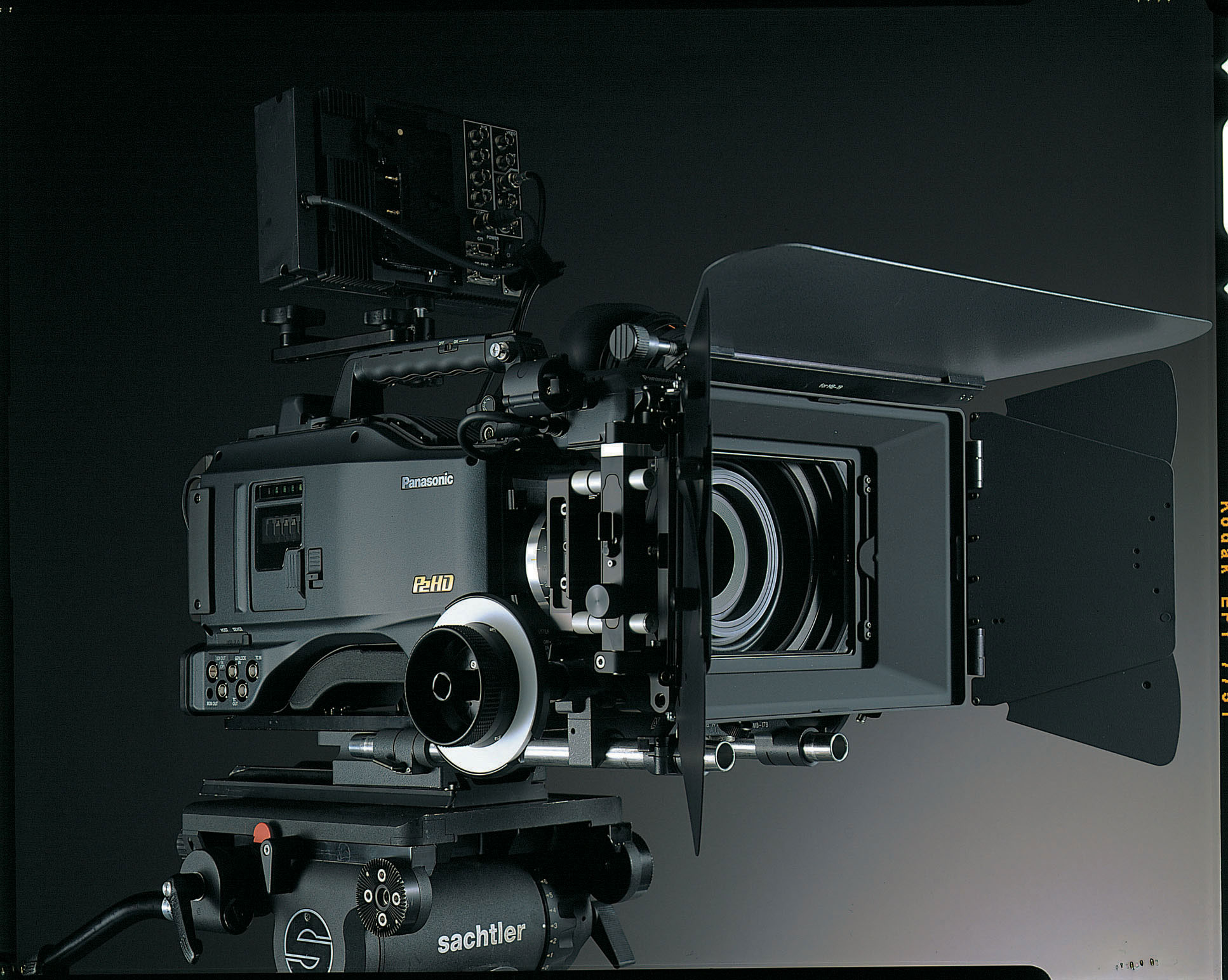
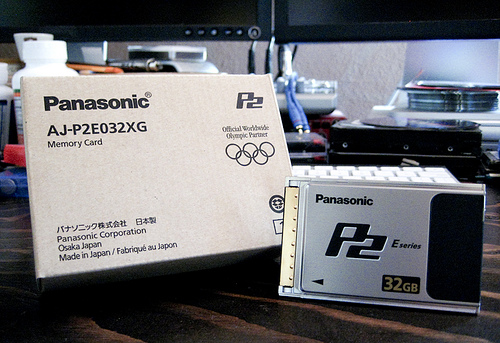 Until now, any user loyal to Panasonic had to consider the dilemma of opting for the P2 HD solutions with their corresponding cards or the new AVCCAM with recording on much cheaper SDHC cards. Now, Panasonic has included the AVC-Intra codec in the P2 HD camcorders, making it possible to work at 50 Mbps or 100 Mbps with a quality equivalent to that of the DVCPRO HD. In addition, Panasonic has presented the new P2E cards at a cost of almost half the previous ones and with the same level of transfer. These new cards, which will initially be available for 16 (about $420), 32 ($625) and 64 GB (available at the end of summer for about $1,000), use a higher-density, lower-cost Flash memory chip, guaranteeing transfer rates of about 1.2 Gbits per second. The only drawback is that they have a shorter life cycle than their 'older sisters' (which are now renamed A-Series compared to the new E-Series), still guaranteeing, according to the manufacturer, a period of intensive daily use of up to five years. These new cards will be manufactured by Panasonic itself, as well as by Maxell and Fuji.
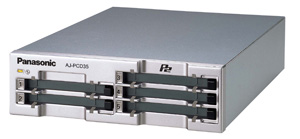
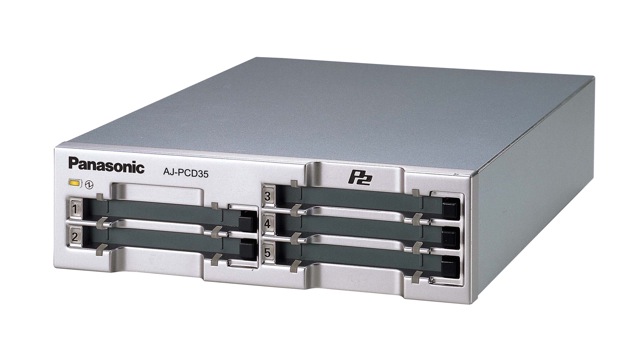
Panasonic AJ-PCD35
A question that is in the air when talking about the famous P2 cards based on PCMCIA is that many computers, both laptops and desktops, have stopped including ports of this standard and therefore, how could the material be dumped? The answer comes from Panasonic with the AJ-PCD35 unit that connects with an ExpressCard adapter. Regarding the primitive P2 cards, of the now called E-Series, Panasonic leaves no room for doubt: they will continue to be manufactured. Carmen Mendoza, European general director of marketing at PBITS, commented that "with the launch of the new E-Series cards we reinforce this commitment by providing the best solid state memory solutions on the market today. The new E-Series cards are added to our existing P2 cards and both will be available on the market in parallel. Panasonic is committed to making P2 technology more accessible to all users, so that they can take advantage of the benefits it offers."
Did you like this article?
Subscribe to our NEWSLETTER and you won't miss anything.
Related articles
 Panasonic announces the AG-AC90 camcorder, a new model in the AVCCAM family
 Historic contract between TVE and Panasonic for the purchase of P2HD equipment
 AG-HMC81, the new professional shoulder AVCCAM from Panasonic
 Avid streamlines workflow with P2HD AVC-Intra
 'Pelotas', on TVE, with P2HD technology from Panasonic
 EdiusNeo 2 Booster, free with AVCCAM cameras
 The latest news from Panasonic, at Broadcast'09
 Panasonic solid state TV in Castilla La Mancha
 IEC incorpora la Panasonic AJ-HPX3700G
 Filming in extreme conditions with P2HD camcorders
 The Vancouver 2010 Games with Panasonic HD
 Edius Neo 2, now with AVCCAM cameras
 Panasonic expands its P2 solutions
 Canal Sur Tv adopts Panasonic's P2 HD in news