





Quantel Pablo 3D o cómo no perder la cabeza con la estereoscopía
El desarrollo de Quantel para gestionar estéreo 3D en tiempo real en su sistema Pablo ha posibilitado que, por primera vez, la postproducción estereoscópica de cine sea una alternativa viable. Pablo, con capacidad estéreo, se convirtió en el primer sistema disponible lo suficientemente potente para permitir que directores y editores vean dos streams simultáneamente, a resolución total, realicen los ajustes necesarios al instante, en tiempo real, y puedan apreciar los resultados de los cambios 3D estéreo deforma inmediata en pantalla.
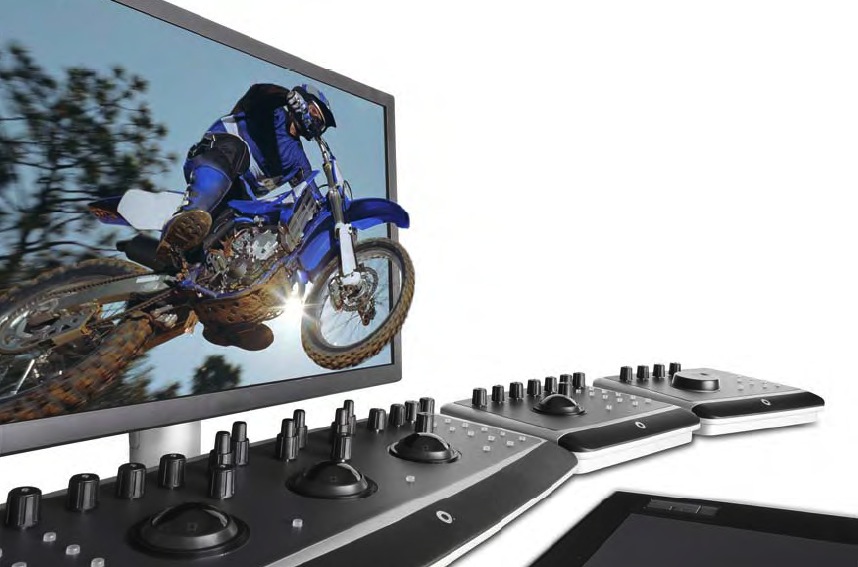
Pablo 3D
La tecnología de postproducción 3D estéreo de Quantel ha convertido por primera vez la postproducción interactiva 3D estereoscópica en una propuesta práctica. Al hacerlo, creó una nueva y gran oportunidad de negocios para las televisiones y las empresas de postproducción, ofreciendo a los productores un potente arma para atraer audiencias y aumentar ganancias.
Un sistema de etalonaje digital Pablo de Quantel, equipado con tecnología 3D estéreo en Fotokem, en Los Ángeles, permitió a Disney llevar a los cines de Estados Unidos, en tan solo 11 semanas desde el rodaje, la película del concierto de 74 minutos en estéreo 3D Hannah Montana & Miley Cyrus: Best of Both Worlds, que se rodó en dos conciertos de la gira. El resultado fue que Disney capitalizó el interés de la audiencia lanzando la película apenas unos días después de acabada la gira, y registrando un record histórico de ventas de entradas en un sólo fin de semana.
Ya se han vendido en todo el mundo numerosos Pablo equipados con la opción Quantel 3D estéreo, y todos ellos están siendo utilizados intensamente en la producción de trabajos 3D en todo el mundo. La clave de este novedoso desarrollo de Quantel en cuanto a tecnología 3D estéreo es que permite a los usuarios trabajar simultáneamente en ambos “ojos”, haciendo play back, editando y ajustando parámetros estéreo en tiempo real, a la resolución original (HD ó 2K, por ojo). Esto es posible gracias a la combinación de innovadoras herramientas de software, con la enorme potencia de hardware de Pablo.
Antes de la aparición de la tecnología 3D estéreo de Quantel, la postproducción se tenía que llevar a cabo sobre cada ojo por separado. Esto demostró ser una barrera insuperable para la producción de contenidos 3D estéreo dentro de plazos y presupuestos razonables.
3D en tiempo real
La principal novedad en cuanto a la aplicación y a los aspectos técnicos de la tecnología 3D estéreo desarrollada por Quantel es que permite revisar y manipular streams de imágenes gemelas estéreo de alta resolución, simultáneamente y en tiempo real. El conjunto de herramientas para 3D, combinadas con la potencia de los sistemas Pablo sobre los que corre, reduce dramáticamente el tiempo requerido para producir resultados estereoscópicos 3D, y permiten al usuario superar los problemas que antes dificultaban la visión de imágenes en 3D estéreo. Estos incluían náuseas y dolores de cabeza causados habitualmente por la diferencia entre “ambos ojos”, o los cambios rápidos en la convergencia entre planos. Pablo 3D, gracias al control de convergencia y ajuste evita indeseables efectos estéreo, suavizando los cambios de convergencia entre planos y haciendo del visionado una experiencia agradable.
Por otro lado, permite el balance de ambos ojos de modo interactivo, utilizando una combinación de herramientas 3D estéreo y el conjunto de herramientas para corrección de color no lineal de Pablo. El ajuste de los colores entre streams estéreo es vital para ofrecer al espectador una experiencia agradable, en caso contrario el cerebro del espectador intentará ajustar las inconsistencias entre dos streams, con los consecuentes dolores de cabeza y cansancio.
Al editar ambos streams simultáneamente la edición 3D se convierte en algo tan simple como la 2D. Sin embargo, el estilo de edición requerido para 3D puede ser muy diferente del que se necesite para hacerlo en 2D, necesitándose menos cortes y transiciones más suaves entre planos, para evitar la fatiga del espectador. Al editar y revisar el material en estéreo 3D interactivamente el editor puede evitar tales problemas de manera natural. Esto resulta no sólo necesario para largometrajes sino imprescindible y vital para la emisión cercana al directo de imágenes en 3D estereoscópico.
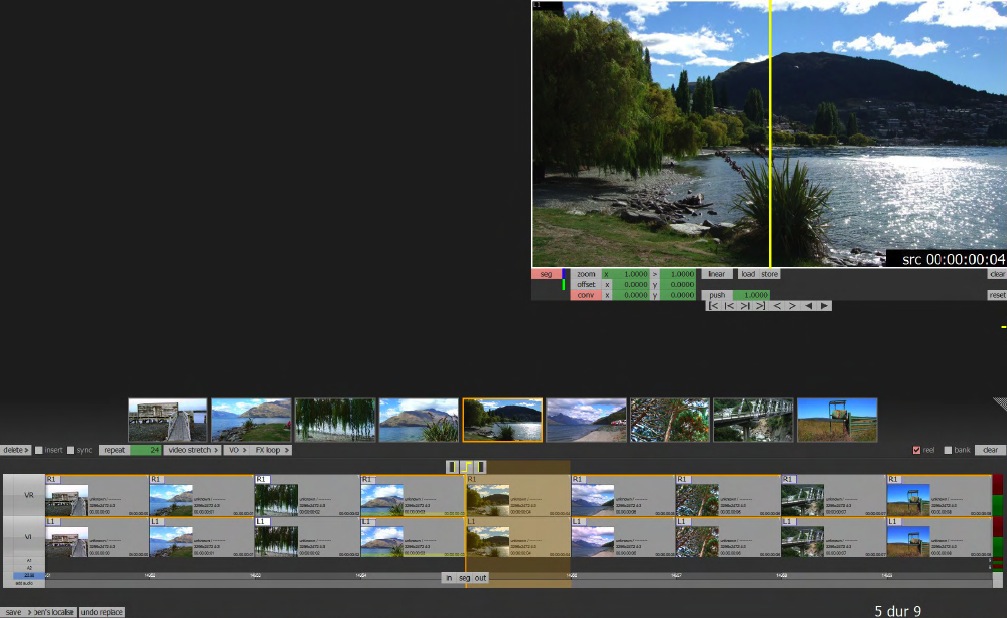
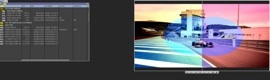
Ejemplo de interfaz de Pablo 3D (screen grab)
Herramientas
Como se ven las imágenes registradas para cada ojo de forma simultánea, los problemas de sincronización entre ambos pueden identificarse y resolverse rápidamente. En el modo de comparación, el usuario puede ver y analizar las diferencias entre ojos para resolver esos problemas de forma rápida. Las herramientas incluyen un mix 50/50, ojo izquierdo/derecho, y mapa de diferencias. Las herramientas de geometría espacial permiten resolver interactivamente las inexactitudes entre encuadres de uno y otro ojo.
El estéreo 3D no produce un solo resultado que encaja en todas las pantallas. La forma en que la imagen debe ser encuadrada varia, dependiendo del tamaño relativo de la pantalla a usar. Por ejemplo, no es lo mismo proyectar en una pantalla gigante de cine que una televisión doméstica. El conjunto de herramientas estéreo 3D de Quantel permite crear diferentes versiones y realizar el playout en tiempo real.
Por otro lado, los lens splitters que se utilizan en muchas cámaras estéreo 3D incorporan variaciones en croma y luma para cada frame, y estas son distintas para cada ojo. El conjunto de herramientas estéreo 3D de Quantel incluye un plug-in que corrige rápida y fácilmente el problema dentro de cada frame y entre cada par estéreo.
Además de resolver los problemas usuales de la postproducción, como brillos o suciedad, las herramientas estéreo 3D de Quantel permiten también resolver de forma rápida, problemas característicos del estéreo 3D, utilizando las prestaciones VFX y Paint, de Pablo. Los efectos de Edge (bordes) han resultado ser un problema importante cuando –por ejemplo- un objeto en el frente de la pantalla desaparece de un ojo del espectador en un cuadro diferente al del otro, lo que resulta en una distracción y, por lo tanto en una visión inconfortable. Este tipo de problemas se identifican fácilmente con las herramientas de revisión de estéreo 3D de Quantel, lo que permite comparar cada par de frames estéreo y resolver cualquier problema de efectos edge que se identifiquen.
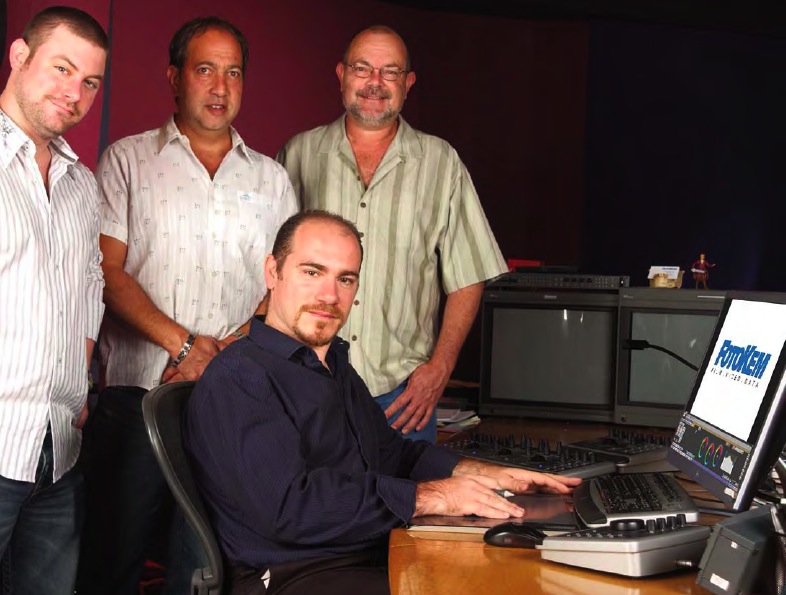
Equipo de Fotokem durante la postproducción en 3D de la película Hannah Montana (Foto: Quantel)
Una revolución
La llegada de la adquisición digital y las nuevas tecnologías aplicadas a las pantallas han eliminado dos de las tres principales barreras a la adopción generalizada del 3D como una propuesta creativa y de negocio viable, tanto para largometrajes como para televisión. Pero hasta la presentación por Quantel de su tecnología 3D estéreo, la postproducción seguía siendo un problema importante, que limitaba el potencial del 3D a una pocas áreas especializadas.
Como el estéreo 3D consta de dos streams paralelos de media, a alta resolución, la postproducción demanda una altísima capacidad de potencia de procesamiento. Hasta ahora, la única manera de llevar adelante la postproducción era trabajar individualmente sobre un solo ojo, para luego llevar los resultados al servidor y comprobar el resultado estéreo. Esto hacía que la postproducción fuera realmente complicada, y que consumiera mucho tiempo y recursos. En la práctica, el 3D era algo muy difícil de producir y casi imposible de hacerlo bien.
Mientras un trabajo “más o menos bien” puede resultar aceptable en muchos medios, en el caso del 3D no lo es, dada la tremenda exigencia que representa para el cerebro del espectador. Cualquier disparidad entre ambos ojos (sincronización, color, geometría), puede hacer que sea muy difícil de ver sin experimentar molestias, desde nauseas hasta dolores de cabeza. Esto puede verse exacerbado por frecuentes cambios en la convergencia, exigiendo a los ojos un aparente cambio de acomodación. Hasta ahora, estas razones, junto al coste prohibitivo de intentar solucionar este tipo de problemas con las tradicionales tecnologías 2D, habían reducido el uso potencial del 3D estereoscópico.
Todos esos problemas pueden ser evitados completamente trabajando en postproducción sobre los dos ojos simultáneamente. El editor, realiza de forma natural la convergencia en ratios confortables, y las diferencias entre ojos se pueden corregir interactivamente, a medida que se descubren a lo largo del proceso de postproducción. Esa es, precisamente la necesidad que satisfizo Quantel con su tecnología 3D estéreo en alianza con su sistema Pablo. Los tiempos y costes de producción se reducen sensiblemente, haciendo que la postproducción 3D estéreo sea, por primera vez, una verdadera oportunidad creativa y de negocios, auténticamente viable. Como explicaba John Nicolard, de FotoKem acerca del trabajo de su empresa en Hannah Montana: “si no hubiésemos tenido a nuestra disposición las capacidades de convergencia 3D de Quantel , jamás hubiésemos sido capaces de acabar este trabajo a tiempo”.
El resultado: una nueva forma de producción que está ganando terreno no sólo en el cine sino también en el de la televisión, planteándose como una oportunidad para ‘rescatar’ audiencias.
Did you like this article?
Subscribe to our NEWSLETTER and you won't miss anything.
Related articles
 Japan is experiencing a true 4K boom with Pablo Rio from Quantel as an ally
 Pablo Rio y Genetic Engineering 2, de Quantel, protagonistas en el Mundial de Brasil
 Edelkrone Craft o cómo hacer timelapses motorizados sin perder la cabeza
 Quantel Pablo Rio Roadshow 2013, en Madrid y Barcelona
 Adisar Media crece con Pablo y GenePool de Quantel
Arte Video añade Neo y Pablo PA a su infraestructura con Quantel
Movie & Arts en Milán instala Quantel Pablo
Adisar Media crece con Pablo y GenePool de Quantel
Arte Video añade Neo y Pablo PA a su infraestructura con Quantel
Movie & Arts en Milán instala Quantel Pablo
 The Look domina la postproducción de ficción en Reino Unido con Pablo de Quantel
 ACE apuesta por el sistema Pablo Neo 2K de Quantel
 Pablo, Max y Genetic Engineering de Quantel en el workflow 3D de Discovery
 La coreana KBS adquiere dos Pablo Neo 2K de Quantel
 Shakira y el popular ‘Waka Waka’ del Mundial con Pablo de Quantel
 Quantel will adopt Windows 7 in version 5 of eQ, iQ and Pablo
 La italiana E-Motion elige Quantel Pablo 4K