





Autodesk makes the magic of Transformers, Star Trek, Terminator and Harry Potter possible
ILM ofrece en sus últimas producciones la magia de los efectos visuales con las soluciones de Autodesk para la industria del cine: Maya, Inferno, 3ds Max, Softimage y Backburner.
Industrial, Light & Magic (ILM) ha confiado en el software de entretenimiento digital de Autodesk para crear miles de tomas de efectos visuales para las películas más taquilleras de este verano, incluyendo, Transformers: La venganza de los caídos, Harry Potter y el misterio del Príncipe, Terminator Salvation y Star Trek. ILM creó efectos visuales impresionantes utilizando Autodesk Maya e Inferno que forma parte del sistema de composición de alta velocidad SABRE de propiedad de ILM.
Stig Gruman, VP de entretenimiento digital de Autodesk Medios & Entretenimiento, ha señalado que “cada año aumenta la cantidad y la calidad de los efectos visuales llevados a cabo en las películas. ILM continúa extendiendo los límites creativos y tecnológicos al crear efectos visuales impresionantes que estremecen a las audiencias en todo el mundo. Autodesk se enorgullece de estar asociado a ILM y a otros cientos de pioneros en efectos visuales que contribuyeron creando algunos de los efectos más increíbles y memorables de este verano”.
Star Trek, uno de los modelos CG más grandes
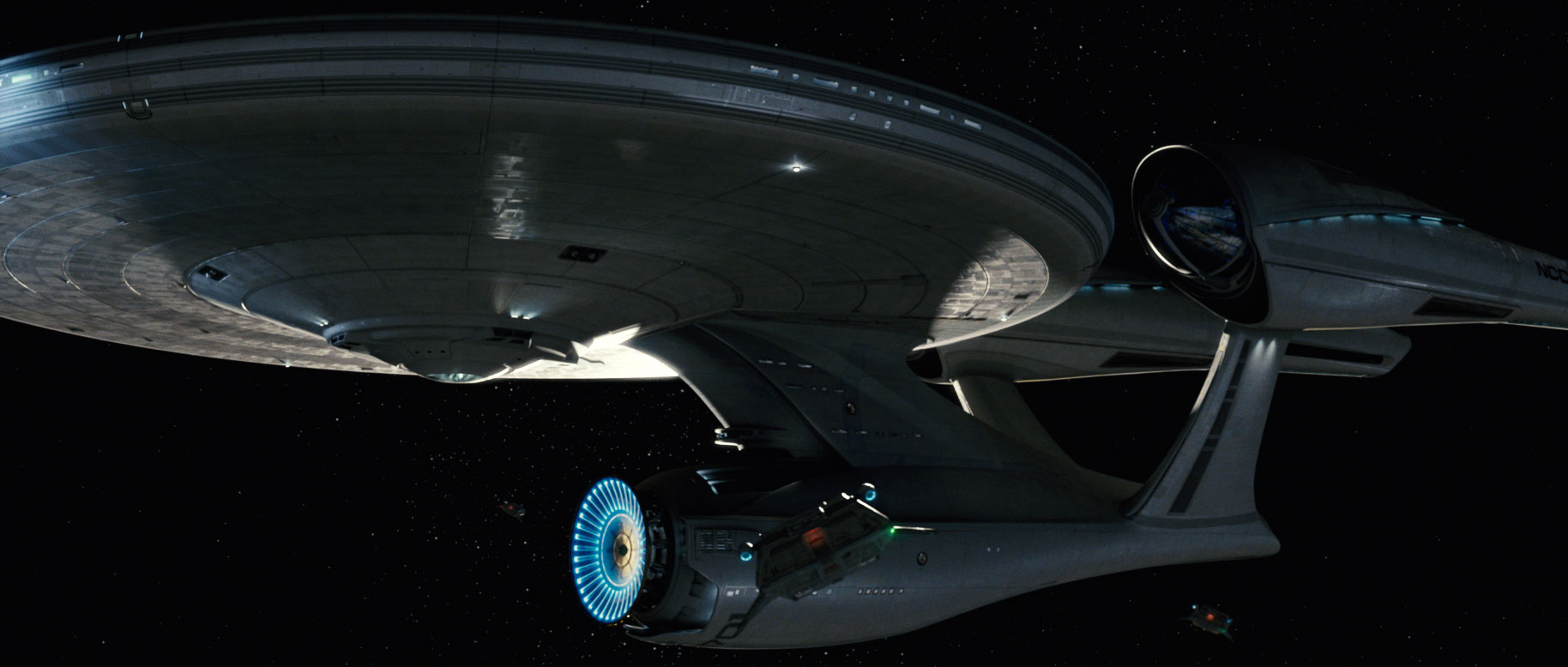
La temporada cinematográfica de verano comenzó a principios del mes de mayo con el lanzamiento global de Star Trek, para la cual ILM creó 797 tomas en algunos de los modelos CG más grandes que se hayan construido, utilizando una combinación de herramientas, incluyendo, ente estas, Maya e Inferno. “Star Trek es uno de los proyectos más creativos, divertidos y artísticos en los que haya trabajado. Posicionamos este proyecto específicamente con el sistema Inferno/SABRE, porque sabíamos que podíamos hacer algo realmente especial. La confiabilidad del sistema, combinado con el increíble talento que tenemos aquí, garantiza resultados espectaculares. Star Trek fue la combinación mágica de un software súper poderoso y un talento asombroso” ha comentado Eddie Pasquarello, supervisor de Composición y Efectos Visuales de ILM para esta película.
“Esta película representó un nuevo comienzo para Star Trek: trabajando conjuntamente con J.J. Abrams, queríamos dar una apariencia fresca”, comenta el director de Animación de ILM, Paul Kavanagh. “Al utilizar las herramientas de renderización del hardware Maya, estuvimos en capacidad de animar, literalmente, 70 tomas en cinco días (proceso que normalmente requiere de meses de producción). La alta velocidad de Maya, su capacidad de iteración sencilla, y su compatibilidad perfecta con la plataforma del software Zeno, proporcionan un conjunto de herramientas que permiten la creatividad y de hecho, ésta fue la clave del éxito del proyecto”, añade Kavanagh.
[youtube]http://www.youtube.com/watch?v=dkXZ0x6AORQ[/youtube] [youtube]http://www.youtube.com/watch?v=Y12GOJcqsk0[/youtube] [youtube]http://www.youtube.com/watch?v=mBmYCBMt61k[/youtube]
Transformers, robots con más de 50.000 piezas
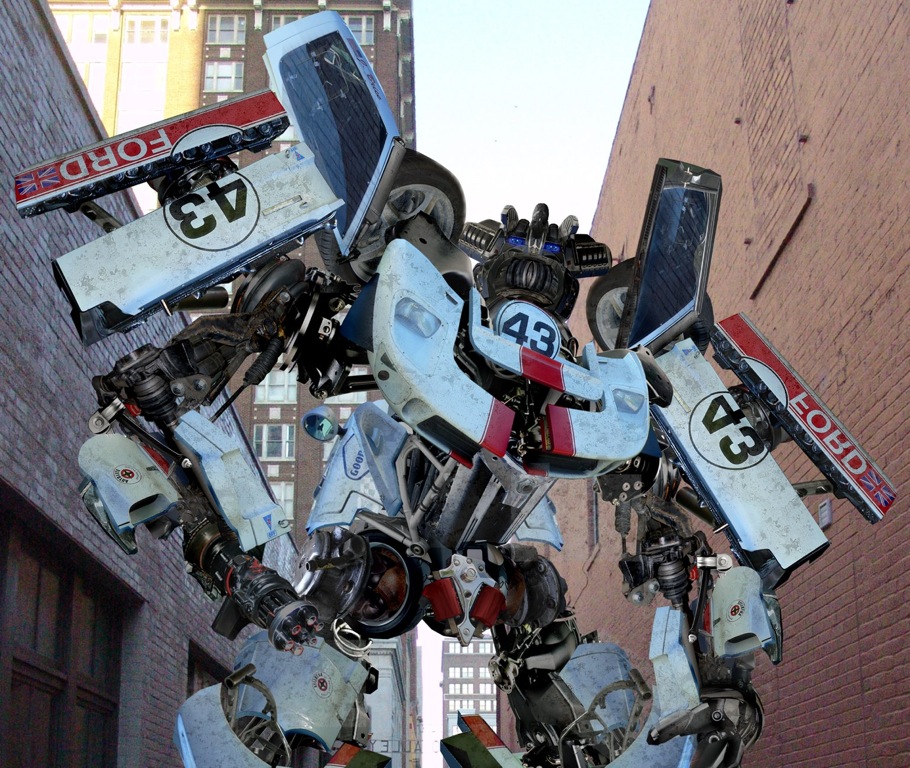
Más de 555 tomas, 46 robots héroes, (algunos con más de 50,000 piezas animables individualmente) y la necesidad de crear una versión IMAX, son aspectos que plantearon muchos desafíos al personal de ILM que trabajó en la continuación de Transformers, conformado por más de 250 artistas. Este personal calculó que a un computador común le tomaría 16.000 años renderizar esta película. El supervisor de Animación, Jeff White, ha comentado que “con diversos artistas con diferentes habilidades y disciplinas colaborando en la película, la interoperabilidad cada vez mayor de las herramientas de Autodesk ha sido una gran ventaja”. ILM utilizó las funciones de una variedad de software de Autodesk para toda la estructura de la producción de Transformers: Autodesk 3ds Max para pintura mate digital, Softimage en el departamento artístico, Inferno/SABRE para composición,Backburner para el procesamiento de redes, y Maya como la herramienta central para la animación, manipulación y diseño. White ha añadido que “Maya nos dio rendimientos increíbles, empezando por los robots; no se trata solamente de las secuencias de acción: una gran parte de la historia está compuesta por los aspectos artísticos y emocionales de los momentos importantes entre los robots y los actores humanos. Pudimos lograrlo gracias a Maya y a la flexibilidad del lenguaje Python. Animaciones espectaculares con herramientas increíbles conllevan una película fantástica.”
[youtube]http://www.youtube.com/watch?v=pF0C59xcDdU[/youtube] [youtube]http://www.youtube.com/watch?v=fMuzEIU7gdU[/youtube]
Terminator: Maya e Inferno en tiempo récord
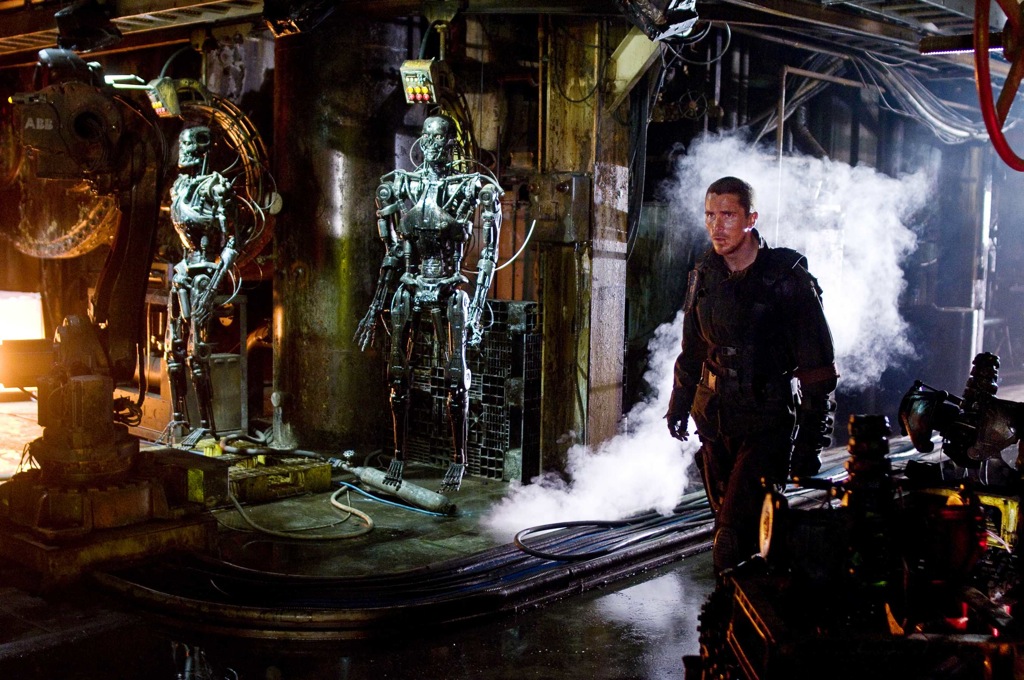
Además de Star Trek y Transformers, un equipo de ILM de más de 150 personas creó 366 tomas de efectos para Terminator Salvation utilizando Maya e Inferno. Ben Snow, supervisor de efectos visuales de ILM en la película ha resaltado que “el software Autodesk al ser integral, alcanzó ambiciosos efectos visuales en Terminator Salvation en un corto período de producción. Maya fue el eje para la animación de ILM de todos los robots de Terminator, y su flexibilidad nos facilitó integrarlo a nuestro software. Inferno jugó un papel decisivo en el éxito de la película al crear un Arnold Schwarzenegger T-800 digital, y permitirnos combinar perfectamente el actor CG con el doble del cuerpo real. Inferno también nos brindó la capacidad de disparo, velocidad y flexibilidad que necesitábamos para crear las desafiantes tomas del humano digital T-800 que era atacado con granadas y el daño resultante”.
[youtube]http://www.youtube.com/watch?v=unb1krefPq8[/youtube] [youtube]http://www.youtube.com/watch?v=8G5u2j3AopA[/youtube] [youtube]http://www.youtube.com/watch?v=vdd5_dDiBXU[/youtube]
Harry Potter: un equipo de 80 profesionales
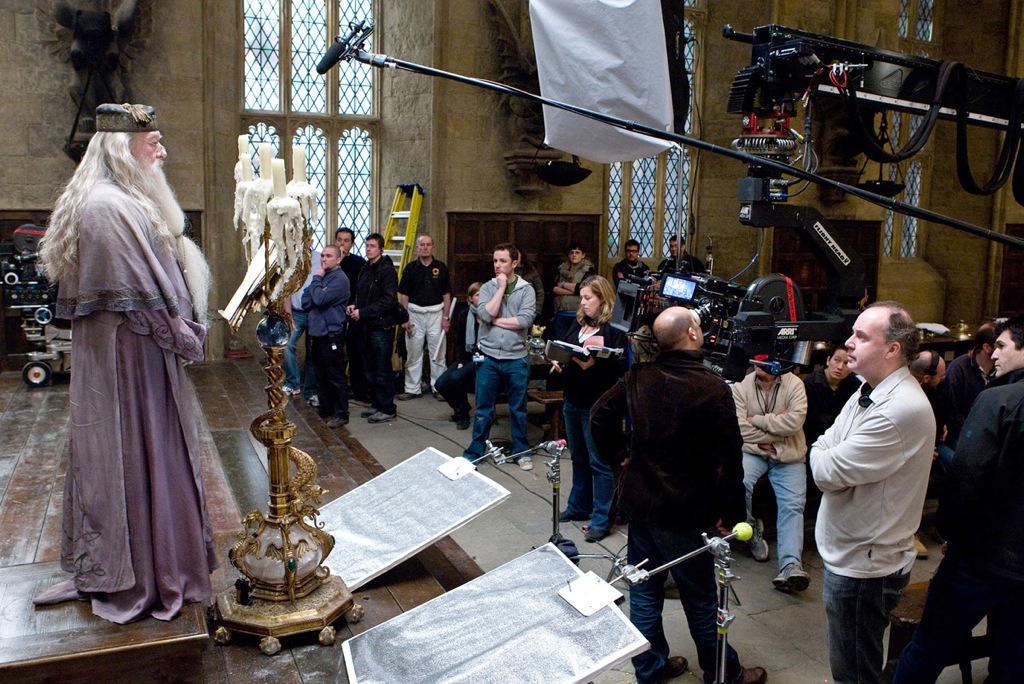
Y para la continuación de Harry Potter en este verano, 80 artistas contribuyeron con 165 tomas, utilizando una combinación de Maya e Inferno. El trabajo de ILM en la película alcanza la inclusión de amplias simulaciones de fluidos foto-realistas de fuego y agua, así como escenas de duplicación de multitudes con miles de personajes animados en una sola toma.
[youtube]http://www.youtube.com/watch?v=RUlv0NUmQXg[/youtube] [youtube]http://www.youtube.com/watch?v=pGZxOyS9r04[/youtube]
Did you like this article?
Subscribe to our NEWSLETTER and you won't miss anything.
Related articles
 Fujinon makes the cinema look possible in broadcast environments at NAB 2024
 Glen Keenan revives the 'Star Trek' universe with Cooke's anamorphic lenses
 Cherry Wallis takes full advantage of DaVinci Resolve for her videos on her 'Harry Potter' channel on YouTube
 Christie brings magic to the red carpet at the world premiere of 'Star Wars: The Force Awakens'
 AEQ makes possible the connections of the 'País Km0' program of La Xarxa
 Devolo makes 4K streaming possible at home over the power grid
 Preview of 'Star Trek Into Darkness' with Christie projection in 'Quad' configuration and Dolby Atmos
 Sgo and HP will reveal some of the post-production secrets of 'Star Trek Into Darkness'
 Digital Bytes enables the future of 4K production with Facilis TerraBlock
 Audiovisual S.G.R. makes possible the financing of 708 projects in the cultural sector
 HP makes 'Madagascar 3: on the march through Europe' possible
 Christie makes the world's largest 3D projection possible
 AIDO makes it possible to visit museums without leaving home
 EVS makes fastcam super-slow, high-speed repeat possible