





La Rey Juan Carlos digitaliza su videoteca con ISID y TSA
La Universidad Rey Juan Carlos adjudica a ISID y TSA la digitalización y archivo de su videoteca, mejorando notablemente el acceso a los servicios de consulta y recuperación de material multimedia.
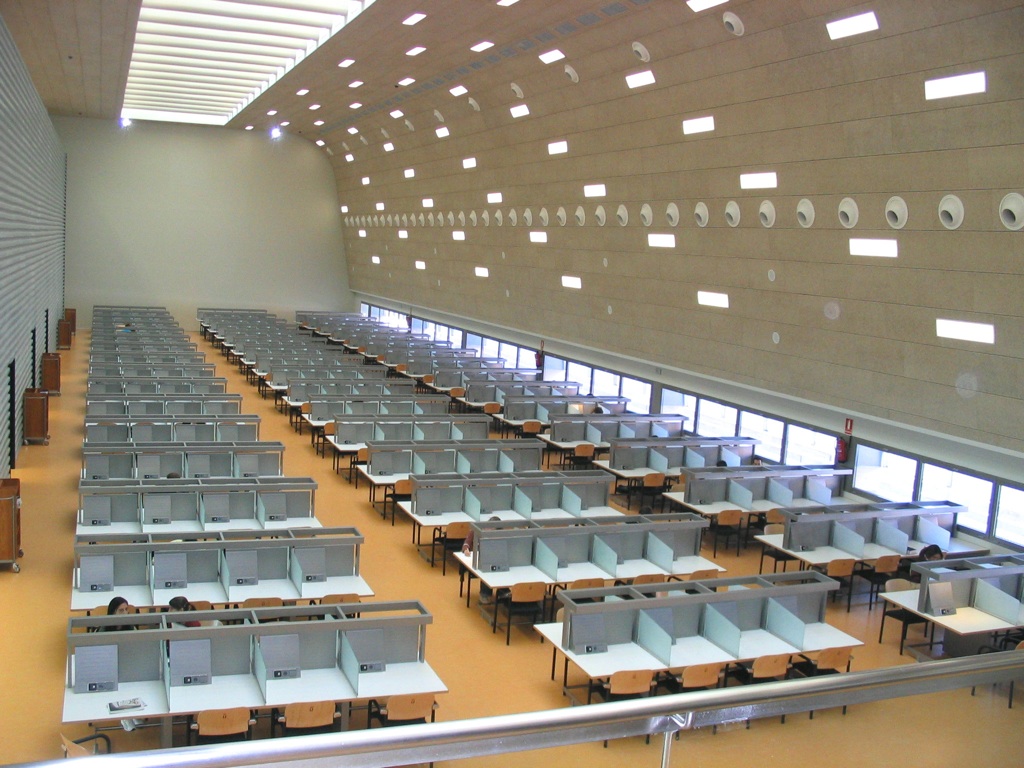
La Universidad Rey Juan Carlos ha adquirido el gestor de contenidos multimedia, Videoma Archivo, para la gestión de su videoteca digital. Este ambicioso proyecto ha sido llevado a cabo por la Biblioteca del Campus de Vicálvaro. La iniciativa mejorará notablemente los servicios de consulta y recuperación de material multimedia ofrecidos hasta el momento. El proyecto ha sido llevado a cabo por ISID y Telefónica Servicios Audiovisuales.
El objetivo perseguido por la Universidad Rey Juan Carlos, ha sido poner en funcionamiento un sistema de indexación, archivo y publicación de materiales audiovisuales para que puedan ser consultados y reutilizados por la comunidad universitaria: alumnos, personal docente o investigadores.
La solución propuesta consta de la plataforma Videoma Archivo, configurado para la ingesta de contenido procedente de diferentes fuentes (DVD, CD, cámaras digitales, señal de TV y radio), sistema de catalogación y clipping, gestión de colecciones fotográficas, audioteca y transcodificación automática de formatos (MPEG1, MPEG2, DV, WMV y flv). Además cuenta con el Módulo API de Videoma, basado en un web service, con el que se espera realizar un portal web, donde publicar el contenido multimedia y dar acceso a la comunidad universitaria mediante permisos de usuario.
Esto se traduce en un sistema que pueda ser alimentado por múltiples usuarios y organice todo el material, conformando un archivo audiovisual de conferencias, clases magistrales, colecciones fotográficas y seminarios accesible desde la sala de consulta de la biblioteca, desde cualquier puesto de trabajo o desde un portal web. La Universidad Rey Juan Carlos ha contado con ISID como fabricante de tecnologías software y con Telefónica Servicios Audiovisuales para la integración del mismo.
Soledad Vicente, directora de la Biblioteca del Campus de Vicálvaro y responsable del proyecto ha destacado que “con este proyecto queríamos que la biblioteca se convirtiera en un servicio dinámico, en un espacio abierto y de colaboración con el personal docente y los alumnos; un servicio en el que el personal docente e investigador pudiera almacenar, gestionar y acceder a los recursos audiovisuales necesarios para su docencia y que facilitara a los estudiantes el acceso a todos los recursos de información, que existen en la Universidad, destinados a su aprendizaje. Que fuera un servicio con carácter integrador, dinámico y transversal que ofreciera a la comunidad universitaria una amplia gama de servicios y recursos: presenciales y en línea, que propiciara un aumento del uso de las TICs, que respondiera a un acceso 24h., 365 días al año y que fuera capaz de desarrollar recursos que faciliten el autoservicio y la autoayuda”.
Did you like this article?
Subscribe to our NEWSLETTER and you won't miss anything.
Related articles
 Juan Carlos Tous (CEO de Filmin): “Queremos dominar las ventanas y decidir cuándo se estrena una película”
 Carlos Iglesias rueda ‘La bala’, una producción de Juan Gona en torno a la memoria democrática
 The Rey Juan Carlos University awards TSA a virtual study
 Fujinon optics arrive on the TV sets of the Rey Juan Carlos University
 Telefónica Servicios Audiovisuales renews the studies at the Rey Juan Carlos University
 Overon realizó una gran cobertura con motivo de la abdicación de Juan Carlos I y la proclamación de Felipe VI
 Xpertia y la Universidad Rey Juan Carlos firman un acuerdo de colaboración
 ‘Insensibles’, ópera prima de Juan Carlos Medina, inicia su rodaje
 Juan Carlos Fresnadillo comienza a rodar ‘Intruders’
 ISID, Telindus, Techex y Sgi digitalizan la gestión audiovisual en Moncloa
 La Fundación Albéniz digitaliza sus archivos con Videoma
 Globomedia y la Rey Juan Carlos presentan el séptimo máster en creatividad y guión de tv
Crear una videoteca: ahora más fácil con la ayuda de Adarve Producciones
Globomedia y la Rey Juan Carlos presentan el séptimo máster en creatividad y guión de tv
Crear una videoteca: ahora más fácil con la ayuda de Adarve Producciones
 Carlos Sobera, Jorge Sánchez Gallo y Juan Baena fundan Isla Producciones