





‘Celda 211’ o cómo suena un motín… para Goya
Los Estudios Resonancia y Cinemar, bajo dirección de Carlos Faruolo, Sergio Burmann y Jaime Fernández permitieron captar los sonidos de una cárcel amotinada… que ahora les ha valido el Goya.
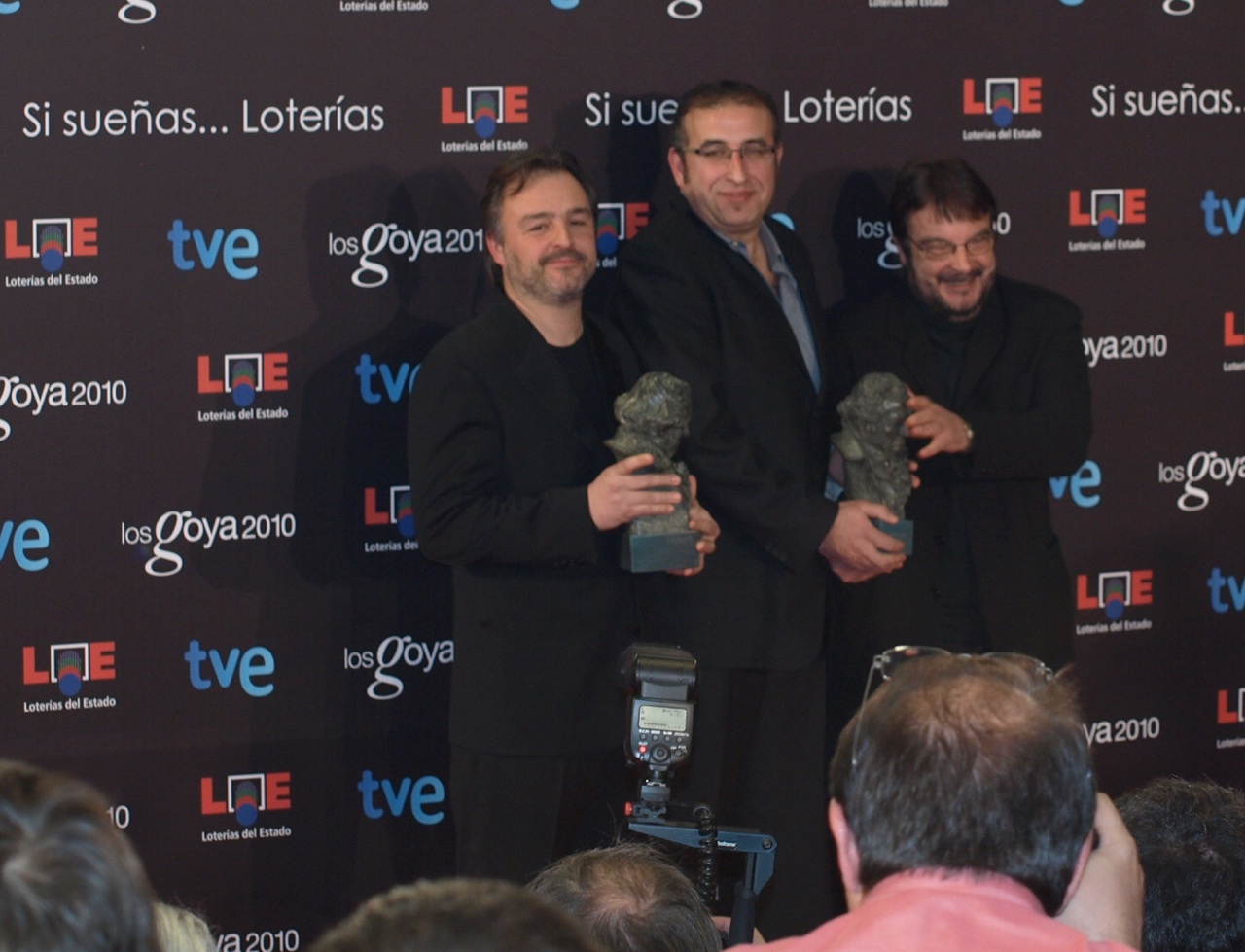
El primer Goya de la noche para Cell 211 reconocía un aspecto que pasa muchas veces desapercibido para el espectador pero de importancia vital en la narrativa cinematográfica: el sonido. Sergio Burmann, Jaime Fernández y Carlos Faruolo consiguieron imponerse por su trabajo en Cell 211 a Peter Glossop y Glenn Freemantle (Now), Pierre Gamet , Nacho Roro-Villanova y Pelayo Gutiérrez por El baile de la Victoria y Aitor Berenguer, Marc Orts y Fabiola Odoyo por la intimista Mapa de los Sonidos de Tokio.
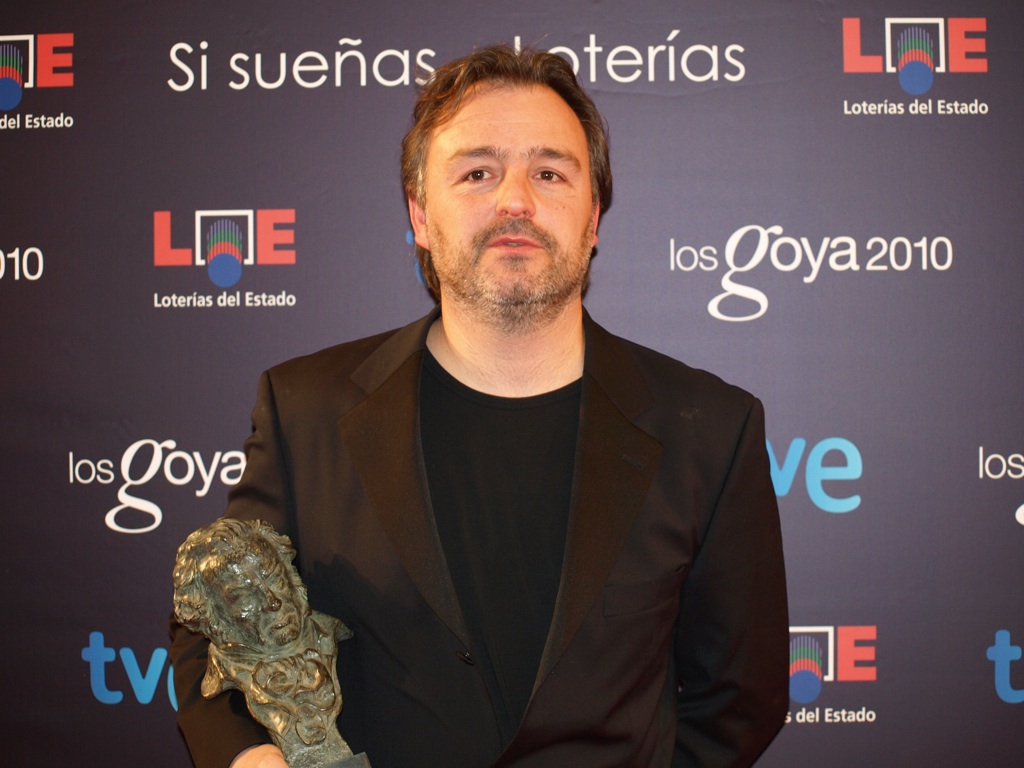 Lejos de grabar el silenció como en esta última película, Faruolo, Burmann y Fernández tuvieron que sonorizar una película rodada en localizaciones naturales y con cientos de extras. Las instalaciones de Resonancia en Madrid y Cinemar en Santiago de Compostela se convirtieron noche y día en el lugar de trabajo de estos tres profesionales y sus equipos para que podamos imaginar cómo se oye un motín.
Carlos Faruolo, con su Goya en la mano, comentó a Panorama Audiovisual, que “lo más complicado de nuestro trabajo fue, sin duda, el exceso de motines que había en la película. Perseguíamos a toda consta que pese al jolgorio, el espectador no llegara a cansarse. Ha sido un trabajo magnífico del que estoy terriblemente orgulloso, aunque no hubiéramos ganado el premio”.
Por su parte, Sergio Burmann destaca a dificultad de trabajar con mucho movimiento, sin cortar apenas a los actores. “Queríamos sacar un sonido directo lo más limpio posible para luego poder jugar a subirlo, bajarlo, darle más o menos rever,… jugando con una situación acústica adversa”, ha añadido. La solución para este reto pasó por trabajar con mucha pértiga y radiomicros con un resultado… de Goya.
Resonancia Postproducción es un estudio creado por Carlos Faruolo, un reconocido ingeniero de audio que ha sonorizado cientos de producciones. Cinemar es un estudio creado en 2006 en Santiago de Compostela que ofrece un servicio integrar de postproducción y mezcla de sonido. Estos estudios fueros diseñados por el ingeniero británico Philips Newell, contando con la homologación Dolby.
Did you like this article?
Subscribe to our NEWSLETTER and you won't miss anything.
Related articles
 Secuoya Studios and Black Sheep lead the Spain-Latin America connection for 'The Cell of Miracles'
 Gestmusic (Banijay) repeats at the head of the Goya 2024 with Ana Belén and the Javis as presenters
 Short films claim their relevance as a format at the Goya 2023
 The 2022 Goya Awards premiere a spot with José Sacristán as the protagonist
 The Goya awards Salvador Calvo as a feature film director
 The Film Academy, together with El Terrat and TVE, conceive the Goya as an elegant visual spectacle
 Sílvia Abril and Andreu Buenafuente will repeat as presenters of the Goya Awards
 Suena Area presents its proposals for the broadcast market at BIT
 'Your face sounds familiar', format of the year for Eurodata TV
 ‘La isla mínima’ y ‘El Niño’ parten como favoritas en la 29ª edición de los Goya
 Kike Maíllo's brave debut in 'Eva' earns him the Goya as a new director
 ‘Chico&Rita’: cómo se hizo la película ganadora del Goya a animación
 'Cell 211', a montage with Final Cut, by Goya
 'Celda 211' garners sixteen Goya nominations