





Canon will debut the new XF105 and XF100 at IBC
Canon will be showing for the first time in Amsterdam the latest two additions to its range of XF series professional cameras, the two smallest models to incorporate the MPEG-2 Full HD recording codec on CompactFlash (CF) memory cards at transfer speeds of 50 Mbps, with rich 4:2:2 color sampling, recording high levels of color information for post-production tasks.
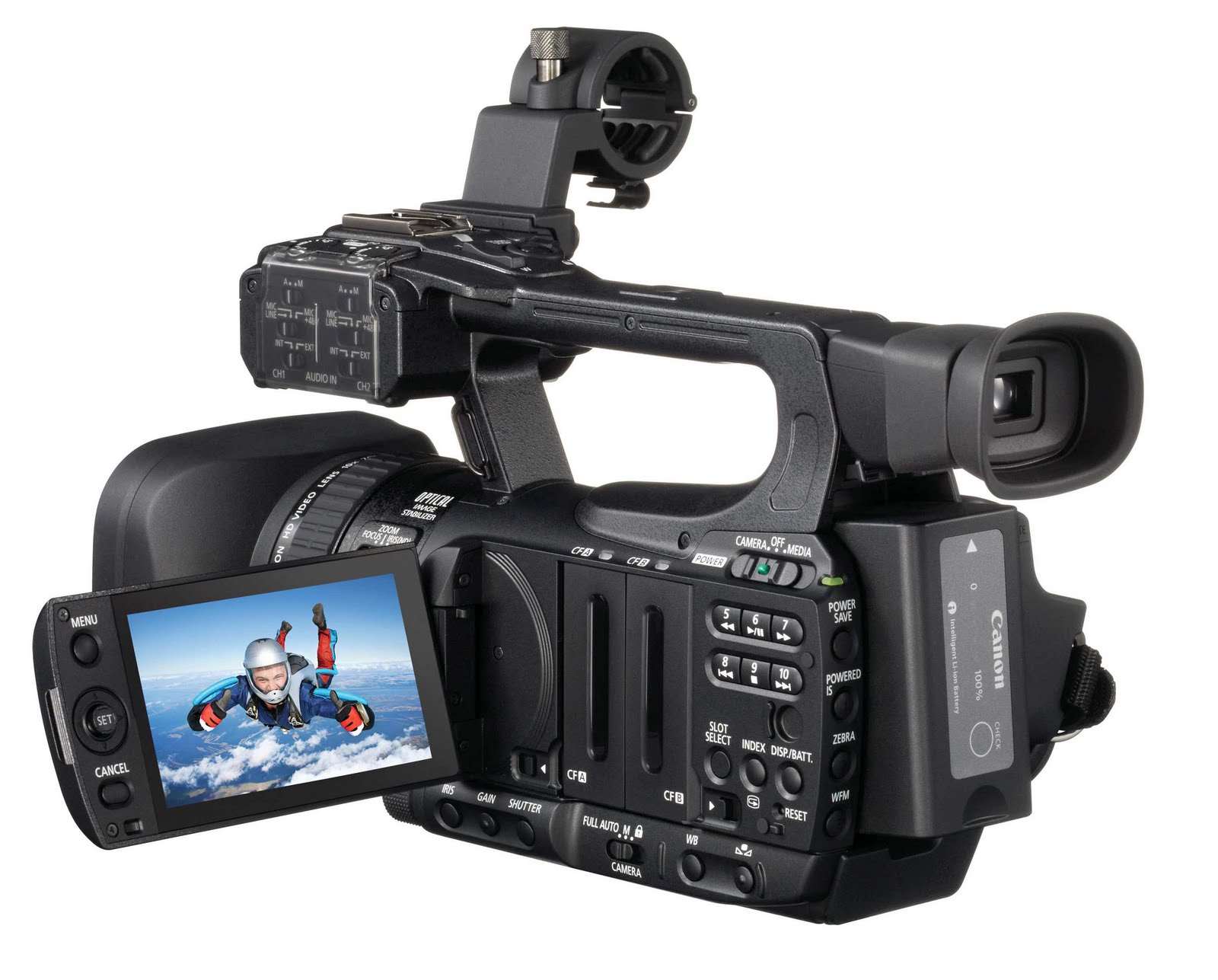
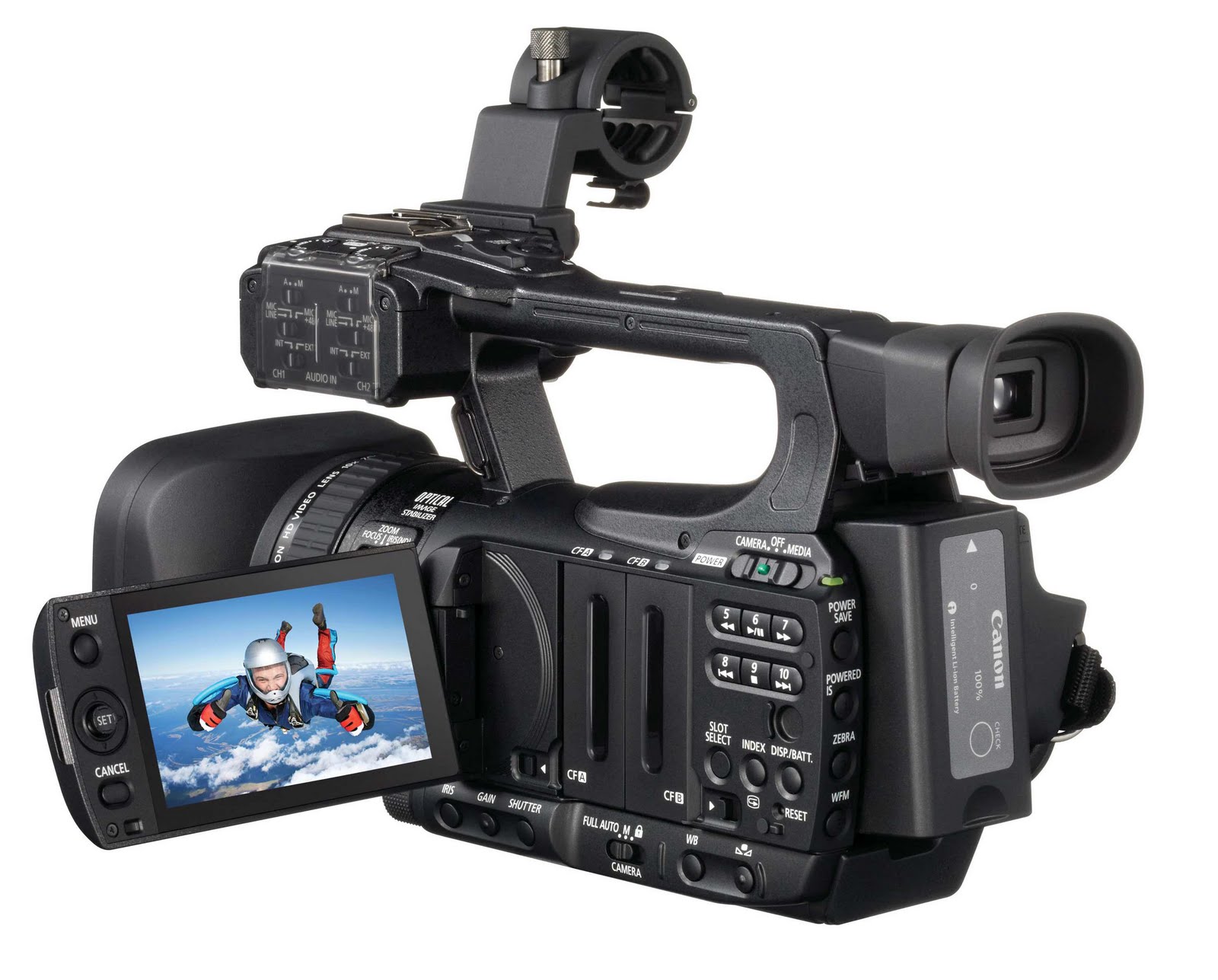
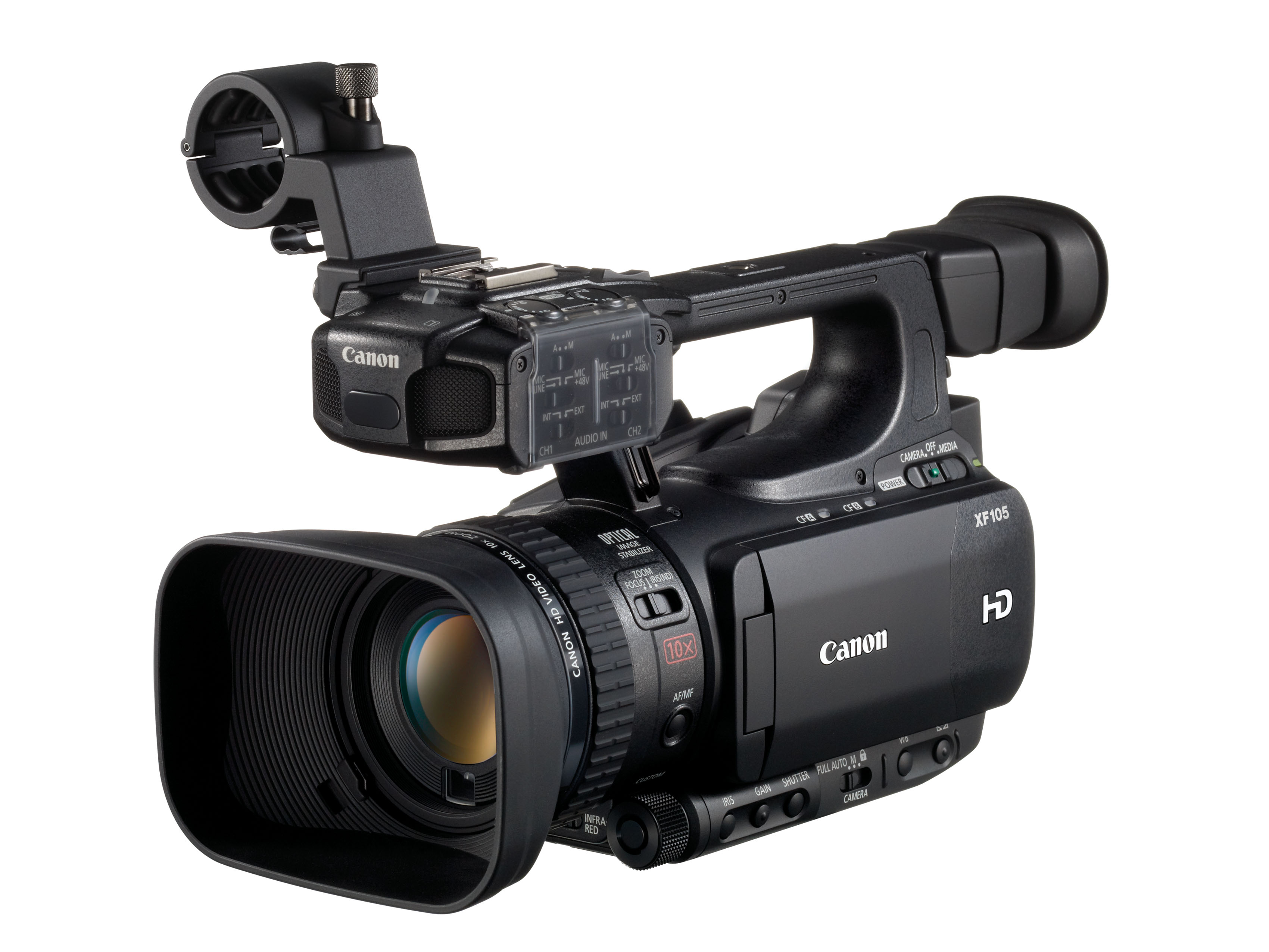 Visitors to Canon's stand at IBC will be able to get up close and personal for the first time with the two latest additions to its XF series of professional camcorders. The new XF105 and XF100 are the smallest models to incorporate the MPEG-2 Full HD recording codec (50 Mbps, 4:2:2).
Designed to deliver Full HD recording on a laptop, both models share many of the features already available on the recently introduced XF300 series.
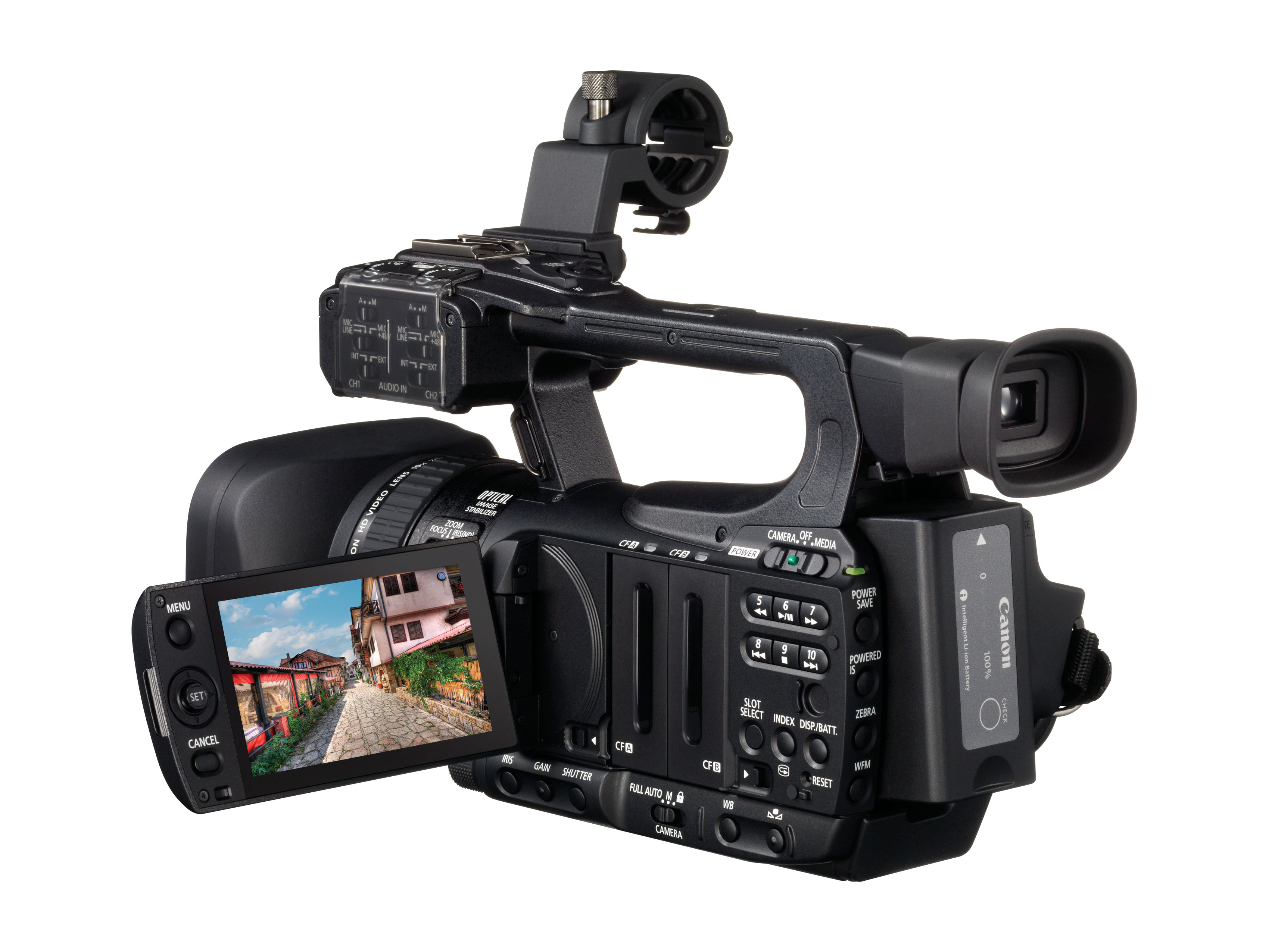
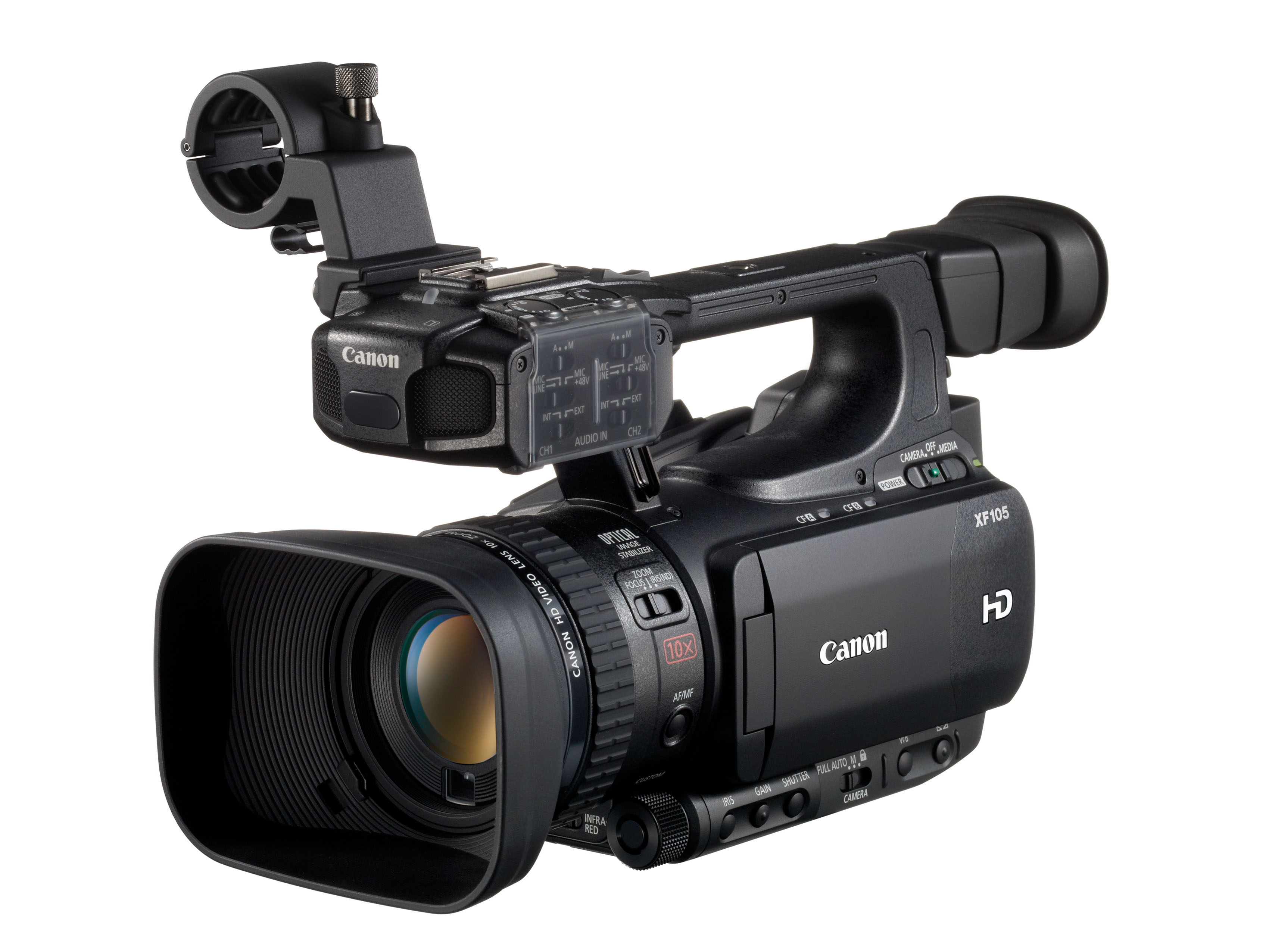
The XF105 and XF100 are highly adaptable camcorders, offering maximum image quality in a small, lightweight body. Weighing just over 1 kilogram and featuring advanced ergonomics to make them comfortable to use during long recording sessions, both camcorders benefit from a number of features adopted from the XF300 series. The design principles of the current XF camcorders have also inspired the construction of the two new models, with customizable, easy-to-reach controls, a spectacular LCD screen and XLR inputs built into the handle.
The compact design of these cameras makes them ideal for those operators who regularly and frequently switch between a series of projects, such as weddings, corporate videos or documentaries with total versatility.
Additionally, the
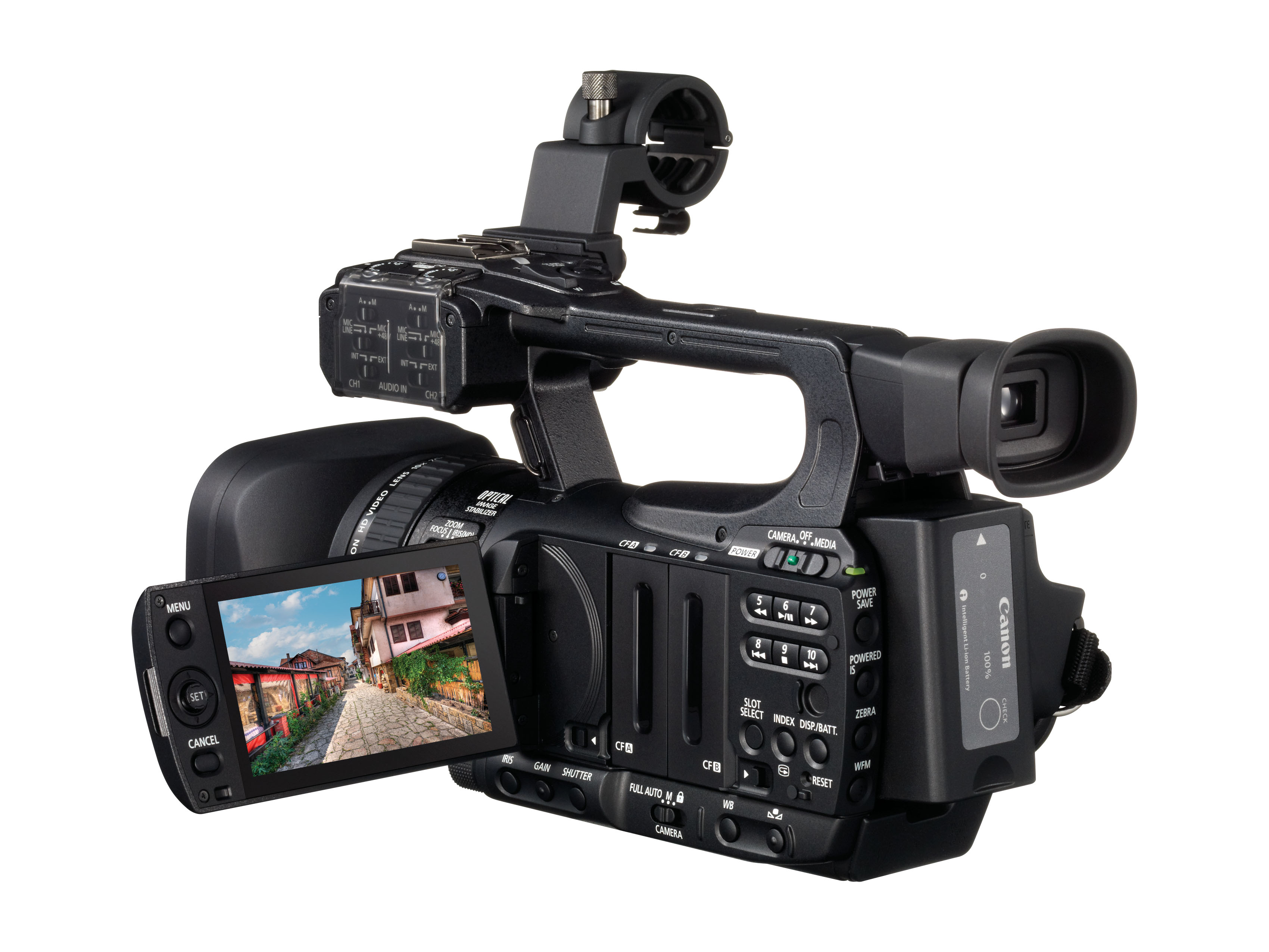 Full HD MPEG-2 in MXF files
Like the XF300 series, the XF105 and
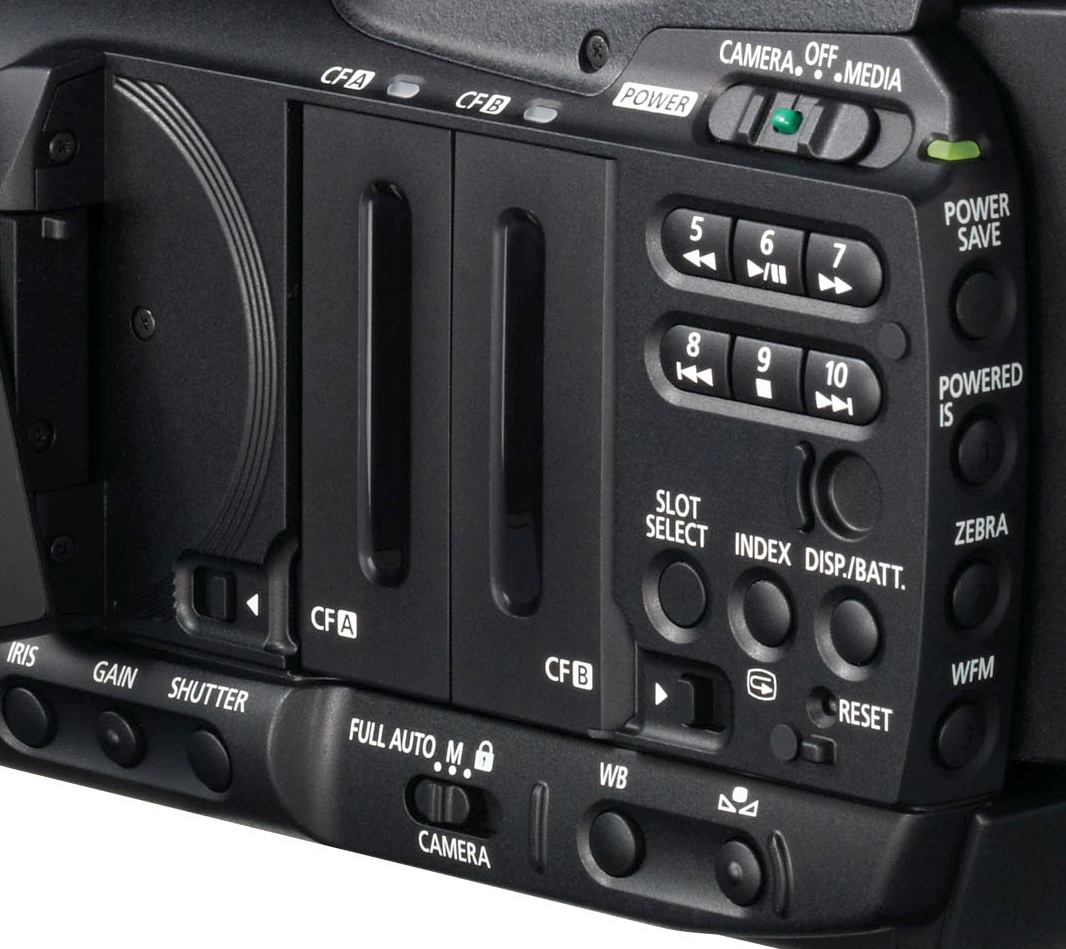
Both models offer Relay Recording and the new Dual Slot Recording, a feature that allows you to record the same scene on two different CF cards simultaneously. Additionally, during recording it is possible to change or initialize a card if it is not being used for recording at that time.
Canon MXF MPEG-2 video files are fully compatible with the most popular editing software programs from Adobe, Apple, Avid or Grass Valley, ensuring professionals immediate integration into their regular workflow. Canon XF Utility software and other add-on programs for Apple Final Cut Pro and Avid Media Composer are supplied as standard.
 Canon HD Video Zoom 10x
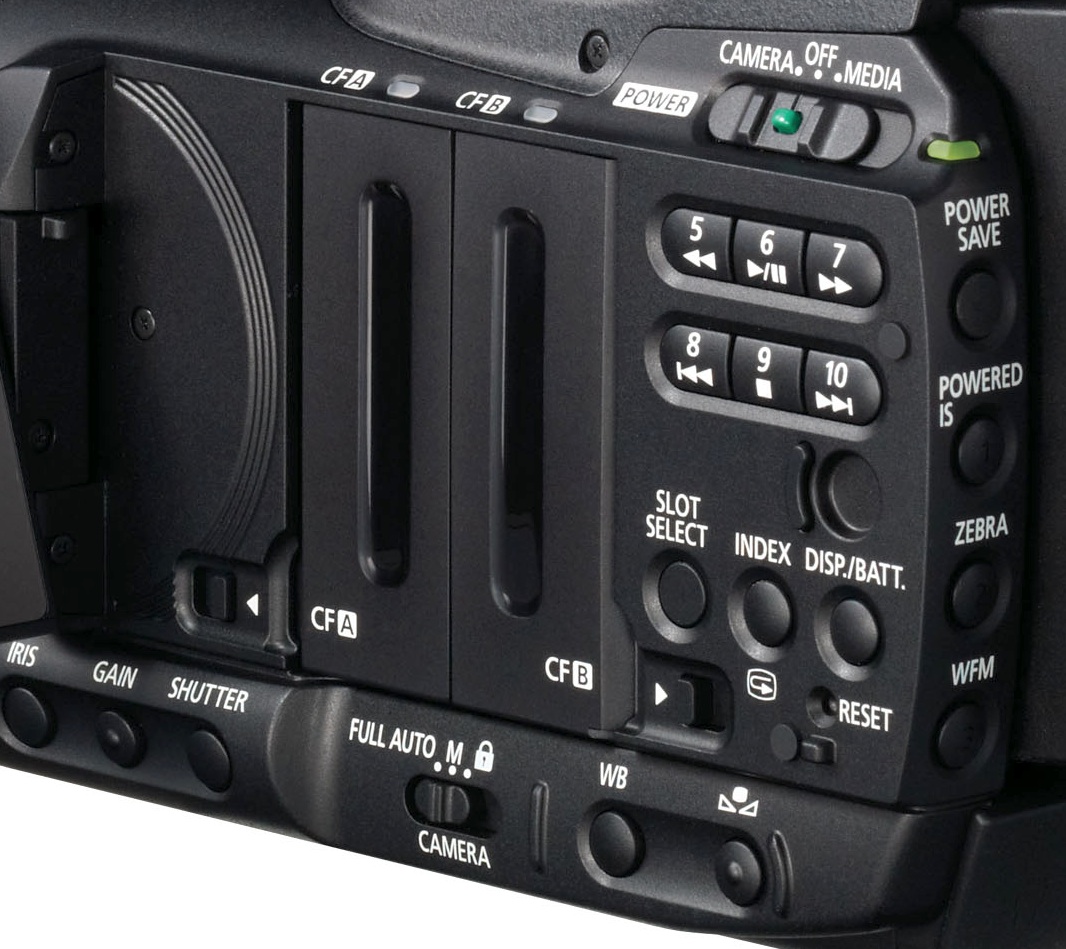
Both models have a Canon HD Video 10x zoom lens, with an angular focal length of 30.4 mm and a high brightness of f/1.8. The eight-leaf metal lens diaphragm also provides a nearly circular bokeh effect, allowing camera operators to create attractive out-of-focus backgrounds, while a greater number of moving lens groups help reduce chromatic aberration and overall lens size for greater flexibility. A digital telephoto function can also be used to extend the focal length of the lens by 1.5, 3 or 6 times, allowing users to get closer to the action.
The XF105 and XF100 also benefit from Canon's Optical Image Stabilizer (OIS) adopted in XF cameras, offering three different stabilization modes: standard, dynamic and motorized.
A new 1/3-type 2.07 Megapixel (MP) Canon CMOS sensor allows you to capture video in true high definition (Full HD) with a native resolution of 1,920 x 1,080. Adapted from the 3-sensor CMOS system used in the XF300 series models, the XF100 series sensor is equipped with a Bayer-type color filter to achieve high sensitivity and wide dynamic range. High-speed data readout technology also minimizes shutter-shift deformations that can occur in camcorders with conventional CMOS sensors.
 Help for 3D recording
Like the larger XF300 series models, the XF105 and XF100 camcorders provide a rich and wide range of options for creative recording. 1080/50i, 1080/25p, 720/50p and 720/25p modes are available, as well as different bit rates to complement today's workflows.
Fast and slow motion recording, interval recording and frame recording (for animation work with frame-by-frame recording) are also possible, as well as the option of 3-second Pre-recording or cache.
The XF100 series offers even more options in the form of new Infrared recording and 3D Recording Assist functions. Infrared (IR) Recording mode can be activated using a switch located on the front of the camera, below the lens. Using a built-in IR lamp and green and white light recording options, the XF105 and
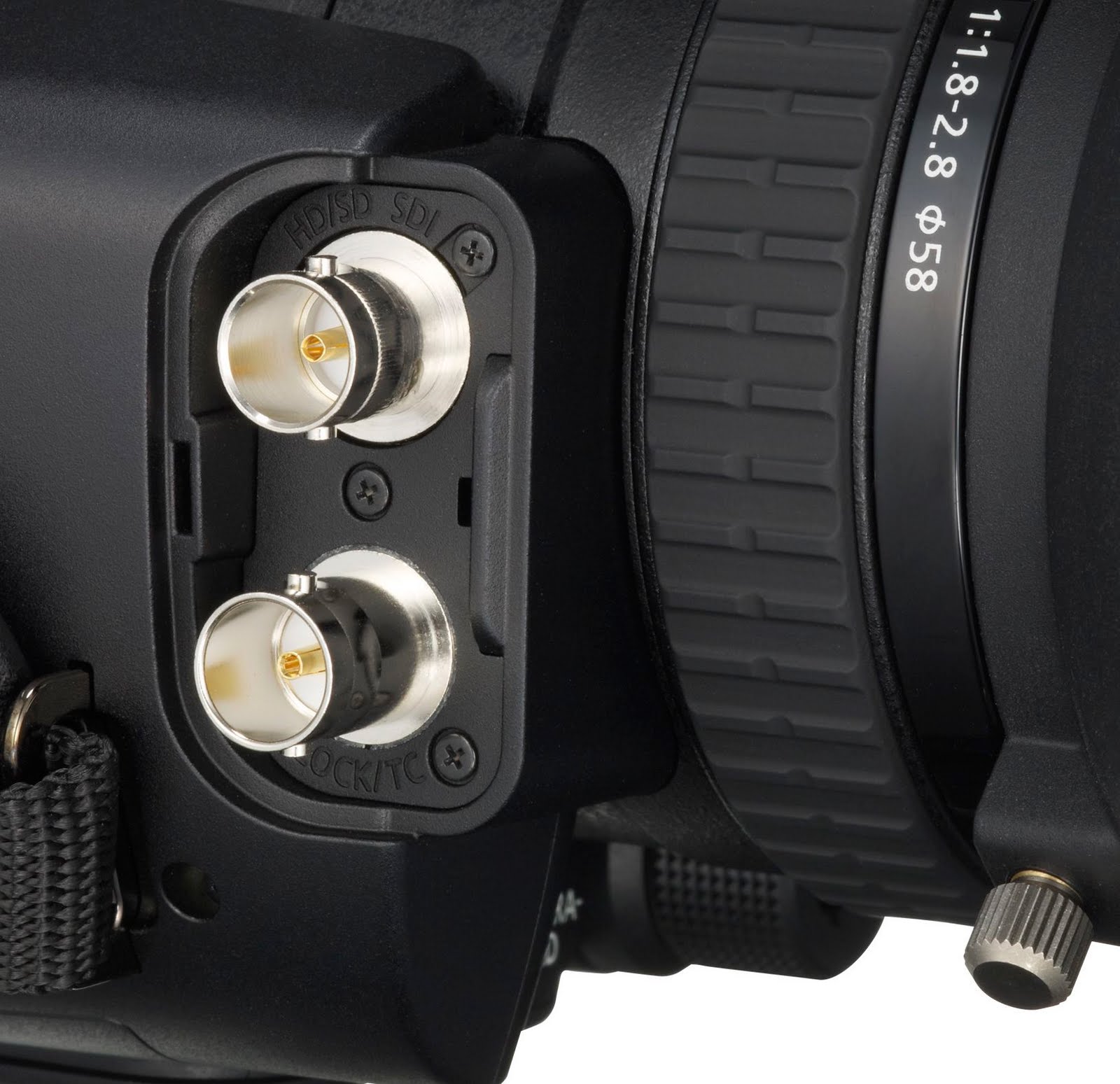
Two new 3D Recording Assist features are also available on both models. The Axis Shift Optical Image Stabilizer (OIS) uses a lens-shift Image Stabilizer system to properly align two connected camcorders during stereoscopic 3D video recording. A Focal Length Guide, meanwhile, helps to precisely synchronize zoom settings.
Personalization
Both camcorders have a large LCD screen, located on the side, for monitoring during recording. This 8.8 cm (3.5") display has a crisp 920,000 pixel resolution, displaying images with incredible clarity. Additionally, a built-in waveform monitor and a Focus on Edge function help set the scene perfectly, with menu selections made via a joystick interface. There is also a 0.61 cm, 260,000 pixel electronic viewfinder, with coverage of 100%.
A manual ring on the lens allows you to control focus, zoom and iris, while a switch on the side helps you instantly switch from one mode to another. It is also possible to select a number of settings, such as iris control, using a combination of the custom key and the command dial.
A dedicated button allows you to switch on demand between manual focus and autofocus (AF). In addition to Canon's Face Detection AF and unique Instant AF modes, a new Face Only AF mode has been included, which limits autofocus to detected faces only, a feature that will be useful for 'solo operators' such as outdoor television reporters.
Like many larger broadcast camcorders, the XF105 and XF100 offer a wide range of options for customization, providing unrivaled flexibility and versatility. Users can configure more than 90 individual image-related variables to their liking using the Custom Image function, which includes selecting one of six preselected gamma curves. Operators will also be able to assign 34 individual functions to 10 customizable buttons, allowing them to optimize the camcorder according to their recording preferences or stylistic considerations.
Up to 9 'custom images' can be stored on each body with the CINE.V and CINE.F gamma settings included among the three presets supplied as standard. Preferred settings can be saved and transferred from one camcorder to another, using SDHC cards, useful for maintaining a creative style across different camcorder bodies or ensuring consistent settings across multiple camcorders.
Advanced Audio
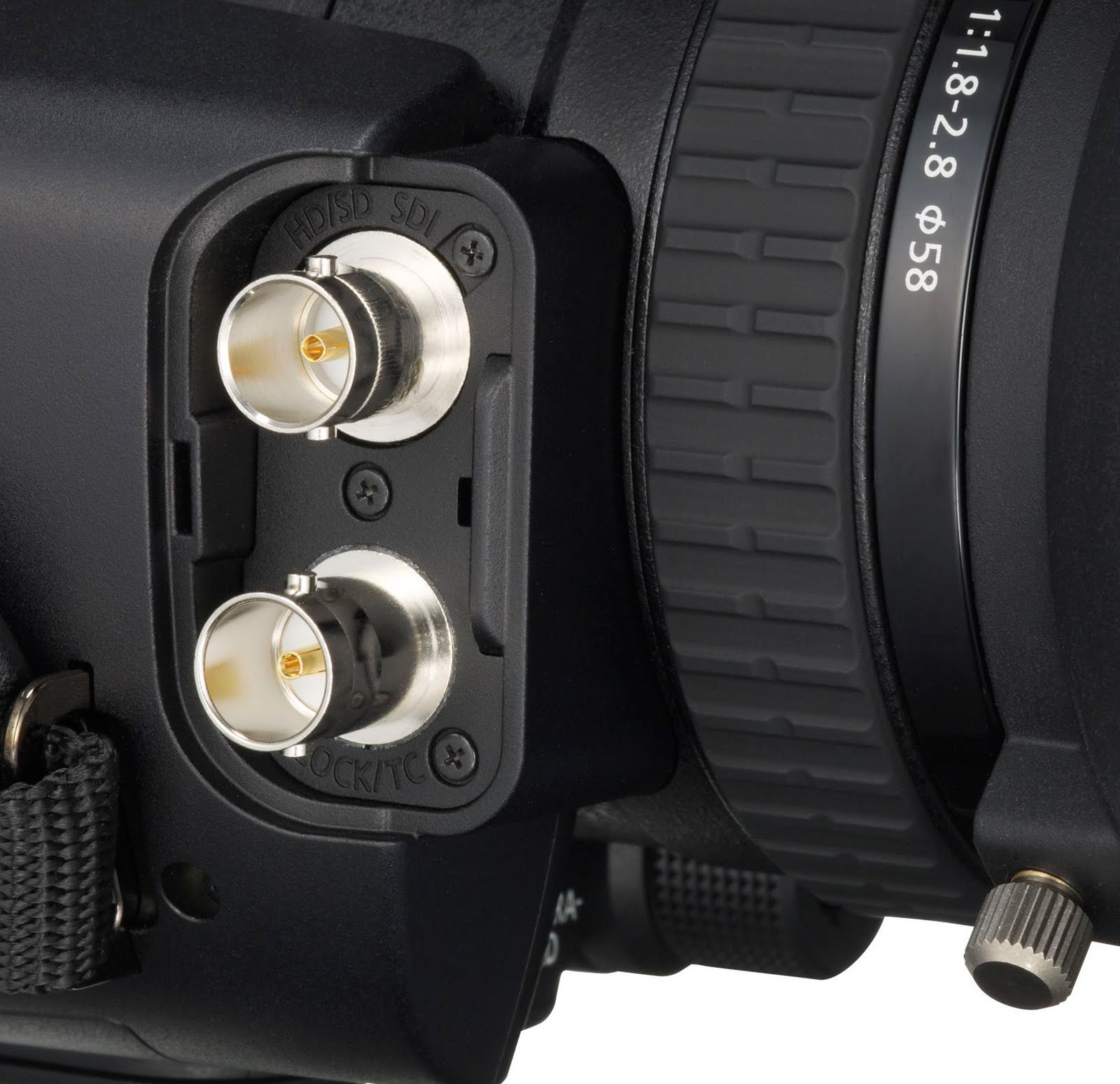
The high-quality images from each of the cameras can be complemented by professional-quality sound recording. Independent sound can be recorded by connecting external microphones to the two XLR inputs, while the camcorders' built-in front microphone records stereo sound. Both models are capable of recording linear PCM audio at 16-bit and 48 kHz, providing sound quality suitable for professional use or television broadcasting.
Gallery
(click on any photo to start the carousel - scroll right and left by clicking on the arrow)
[youtube]http://www.youtube.com/watch?v=WMP7b-pWJLo[/youtube]
Did you like this article?
Subscribe to our NEWSLETTER and you won't miss anything.
Related articles
 Actus X monitoring platform to debut new AI capabilities at IBC 2025
 Canon offers new video capabilities on its EOS R5, EOS R6 and EOS-1D X Mark III cameras
 Canon makes a difference with its new C500MkII and C300MkIII cameras
 This is what the new Canon EOS R5 and EOS R6 mirrorless cameras are like
 Tedial will debut new SmartLive and Hyper IMF features at NAB 2020 and launch a Hybrid-clod solution
 Noa will debut three new proposals for audio ingestion and archiving at IBC
 Canon introduces new 24-inch 4K monitor and two new 4K camcorders
 Matrox will debut new solutions in all its product lines at IBC 2014
 Thomson will debut two new ranges of television transmitters at IBC 2014
 Canon launches two new compact camcorders: XF205 and XF200
 Canon announces new features for its XF series of camcorders
 Canon launches new broadcast-quality network cameras
 Hitachi to debut three new cameras for sports and field production at NAB
 New features in the Canon XF305 and XF300