





Anton/Bauer refuerza la seguridad de las baterías de ion-litio
Anton/Bauer ha reforzado la seguridad de sus baterías de ion-litio con técnicas como el diseño de celda de nido de abeja, en los que cada celda de batería individual está autocontenida, evitando que las celdas que están dañadas puedan dañar las celdas adyacentes.
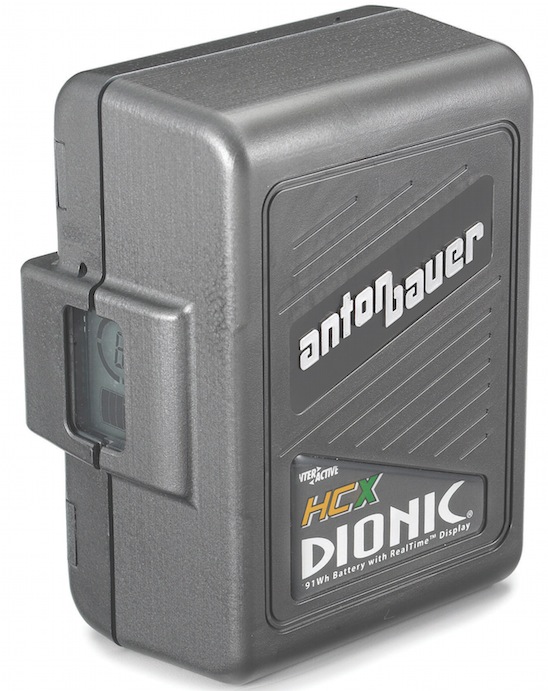 Anton/Bauer ha reforzado la seguridad de sus baterías de ion-litio con un ambicioso programa.
“Lo que intentamos es ser proactivos”, comenta Katherine Finn, directora de cumplimiento y reglamentos para Anton/Bauer. “Hay reglamentos clave establecidos desde hace tiempo que Anton/Bauer cumple escrupulosamente. Somos conscientes que el gobierno endurecerá los reglamentos, así que como compañía gastamos una enorme cantidad de tiempo y dinero para asegurar que estamos al día de los reglamentos, especialmente teniendo en cuenta que no existe una norma global. Nosotros nos esforzamos por cumplir con los reglamentos más estrictos”, ha añadido.
En los últimos años las agencias gubernamentales y de transporte como la Federal Aviation Administration (Agencia Federal de Aviación), Air Transport Association (Asociación de Transporte Aéreo) y el Departamento de Transportes han emitido una serie de prohibiciones y limitaciones para el transporte de baterías de ion-litio.
Las baterías de ion-litio que han sido bien diseñadas, como es el caso de las de Anton/Bauer, incluyen mecanismos de seguridad. Un ejemplo de esto es el diseño de celda de nido de abeja, en los que cada celda de batería individual esta autocontenida, evitando que las celdas que están dañadas puedan dañar las celdas adyacentes.
Las baterías ion-litio, que se consideran como “mercancía peligrosa”, son aquellas que tienen más de 160 vatios-hora. Ocasionalmente las baterías ion-litio que tienen entre 101 y 160 vatios-hora pueden sufrir restricciones de equipaje.
Para asegurar que los clientes están transportando mercancía que cumple con las normas internacionales de transporte, todas las baterías Anton/Bauer se venden en paquetes que cumplen con las normas y han sido aprobados por la ONU – independientemente de si han sido clasificados como mercancía peligrosa o no.
Did you like this article?
Subscribe to our NEWSLETTER and you won't miss anything.
Related articles
 Anton Bauer announces “three-level” protection for its batteries aimed at cinema and broadcast
 Anton Bauer amplía su portfolio de baterías
 Anton Bauer eleva el rendimiento y fiabilidad de sus baterías con el nuevo modelo XT
 Anton Bauer launches new range of batteries designed for digital cinematography
 Anton Bauer incrementa la seguridad y las prestaciones en su serie de baterías y cargadores digitales
 Más seguridad, rendimiento y fiabilidad con las nuevas baterías de Anton Bauer
 Dan Fitzpatrick, nuevo presidente de Anton/Bauer
 Anton Bauer in the most extreme conditions of the Dakar 2012
 Nuevas soluciones de Anton Bauer para baterías en las cámaras Sony, Canon, Panasonic, RED y ARRI
 ‘Distant Thunder’: Anton/Bauer se va de safari a Kenya
 Anton/Bauer avanza en Brasil
 Anton Bauer TM4, un cargador de baterías ultraveloz
 Anton Bauer mostrará en IBC’09 EledZ y ULHM-LED
 Cargador solar de Anton Bauer