





XDCAM Workflow in production and post-production environments
En 2003, Sony introducía por vez primera el XDCAM. Tanto en postproducción como en soluciones de ingesta, edición archivo y recuperación en entornos broadcast, encontramos cada día más la posibilidades de trabajo con ficheros XDCAM.
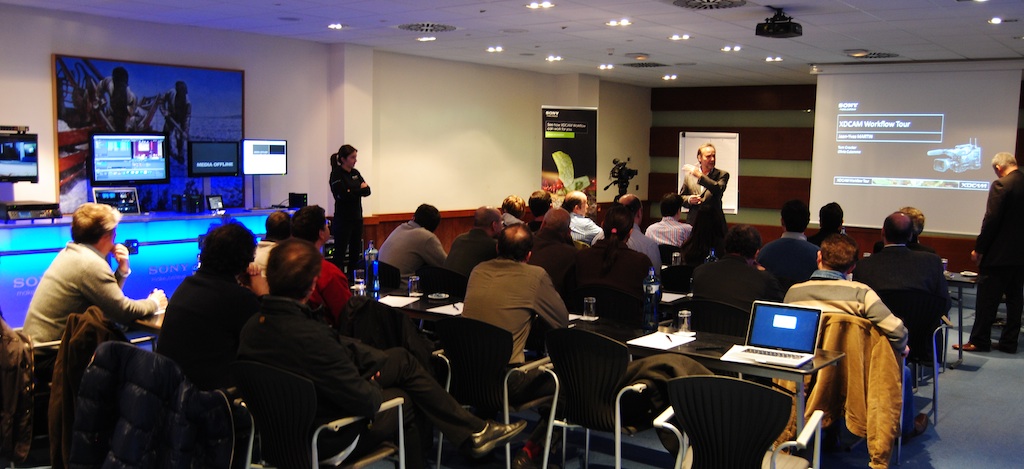
Sony ha organizado este jueves en la Ciudad de la Imagen de Madrid una jornada en la que ha compartido con numerosos profesionales las posibilidades que ofrece trabajar en un entorno con tecnología XDCAM.
Jean Yves Martin y Tom Crocker, responsables de producto de Sony han expuesto el papel que juega el XDCAM en el día a día de los cientos de producciones en todo el mundo que actualmente utilizan este formato en publicidad, ficción, entretenimiento, documental, magazines…
Tanto en postproducción como en soluciones de ingesta, edición archivo y recuperación en entornos broadcast encontramos cada día más la opciones de trabajo con ficheros XDCAM desde el lanzamiento de este formato en 2003.
TVE, Aragón o Telemadrid en España; RTP en Portugal, M6 en Francia o France Televisions en Francia; BBC e ITV en Reino Unido; RTE en Irlanda; RAI en Italia; o NDR, WDR o SWR en Alemania son sólo algunos de los ejemplos que, en cuanto a broadcasters, utilizan XDCAM en sus workflows.
La irrupción de entornos basados en ficheros a finales de los 90 significó, primero en postproducción y posteriormente en toda la cadena de producción la capacidad de trabajar en entornos colaborativos sin cinta. Hoy es posible mover contenidos con más flexibilidad y de forma mucho más rápida.
Trabajar con ficheros supone ahora plantearse cuestiones como con qué codec o bit rate trabajar, ¿aceptará la postproductora mi material?, ¿qué backup o copias debo hacer?… a estas y otras preguntas ha tratado de responder el encuentro entre profesionales organizado por Sony.
Actualmente se puede trabajar con una decena de codecs, de ellos unos cinco son los más populares. “Cada trabajo y workflow significará elegir un códec u otro para lograr la máxima eficiencia, no podemos decir que un códec sea mejor que otro, sino que dependerá de la aplicación que se le vaya a dar porque cada códec tiene su limitación” ha asegurado Martin.
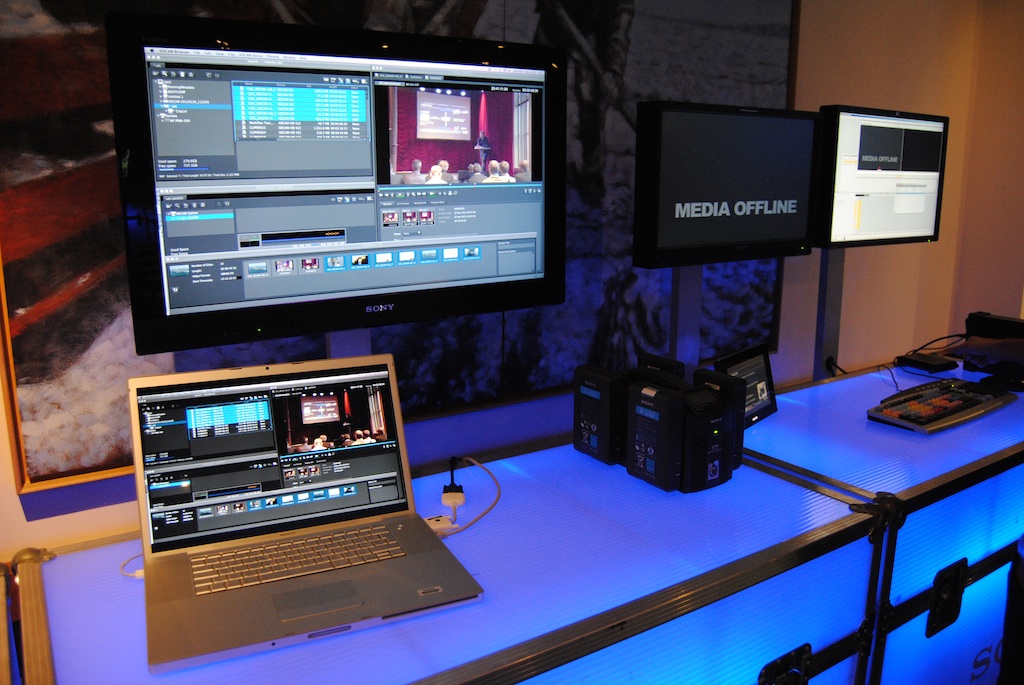
Jean Yves Martin ha reseñado que mientras que el AVC-Intra comprime cada frame de forma individual en una compresión intraframe, con la ventaja de una correspondencia absoluta del timecode y el inconveniente de que a un bajo bit rate se vería afectada la calidad, en el caso de las codificaciones basadas en algoritmos Long GoP (Long Group of Pictures) como MPEGHD422 o AVCHF, la codificación se realiza con una subsecuencia de grupos de frames analizando la similitud y diferencias de cada imagen, por lo tanto basado en la redundancia de la información.
Existen cuatro líneas de productos diferentes: XDCAM SD, XDCAM HD, XDCAM EX y XDCAM HD422. Desde Sony sostienen que la marca nipona es la única que ofrece poder elegir entre media a bajo coste y archivo instantáneo sobre Professional Disc o ultra rápido workflow sobre tarjetas de memoria SxS. Es de destacar que una tarjeta SxS de 64GB puede almacenar 7 minutos sin comprimir y hasta 120 minutos en XDCAM a alta calidad (a 50 Mbps).
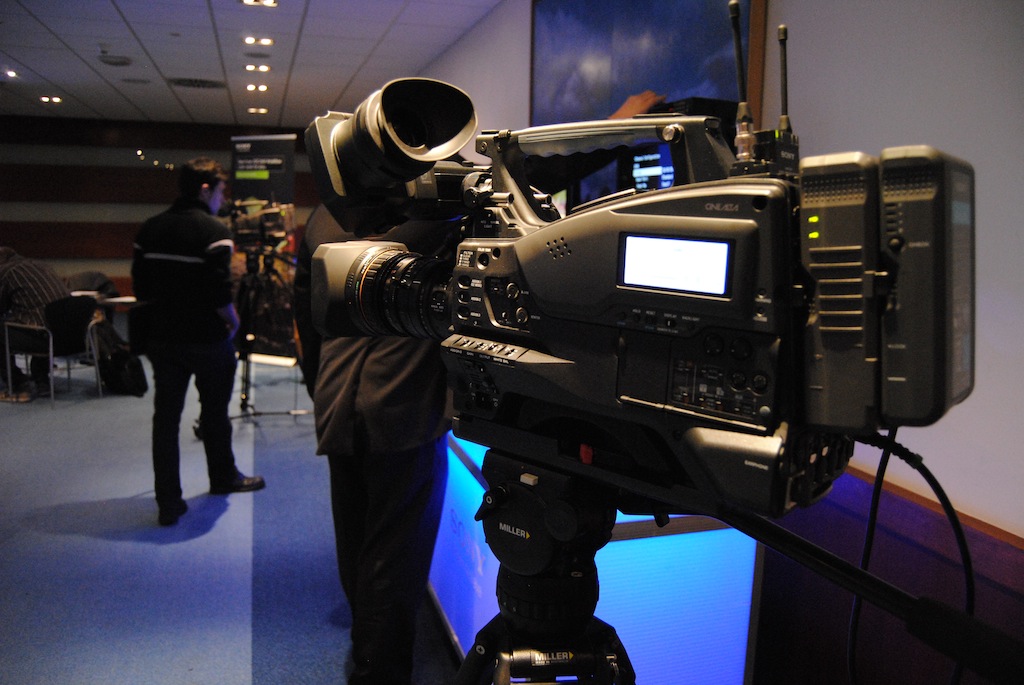
 Soluciones de captación XDCAM
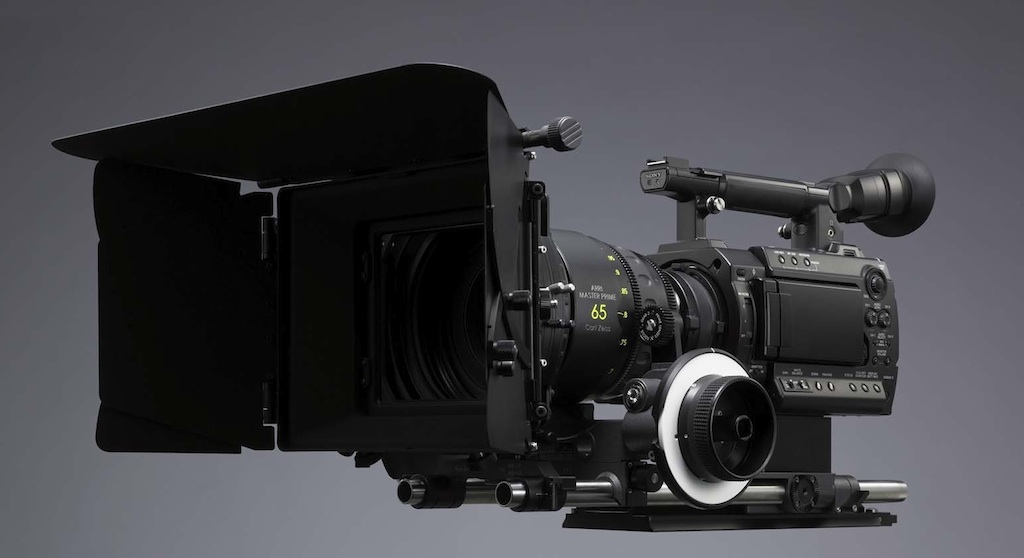
Entre los camcorders de la familia XDCAM, que hemos podido ver en la jornada organizada por Sony, destaca el PMW-F3. Basada en un sensor de Super-35 mm y tecnología de montura PL, permite a los profesionales del cine un acceso a las herramientas de grabación de imágenes de mayor calidad.
Es de reseñar que ahora esta cámara puede contar con un zoom SCL-Z18X140 para determinados segmentos de producción como la publicidad. Ofrece 18-140mm (T 3.8), zoom servo/manual; foco e iris manual/auto y estabilizador Steadyshot.
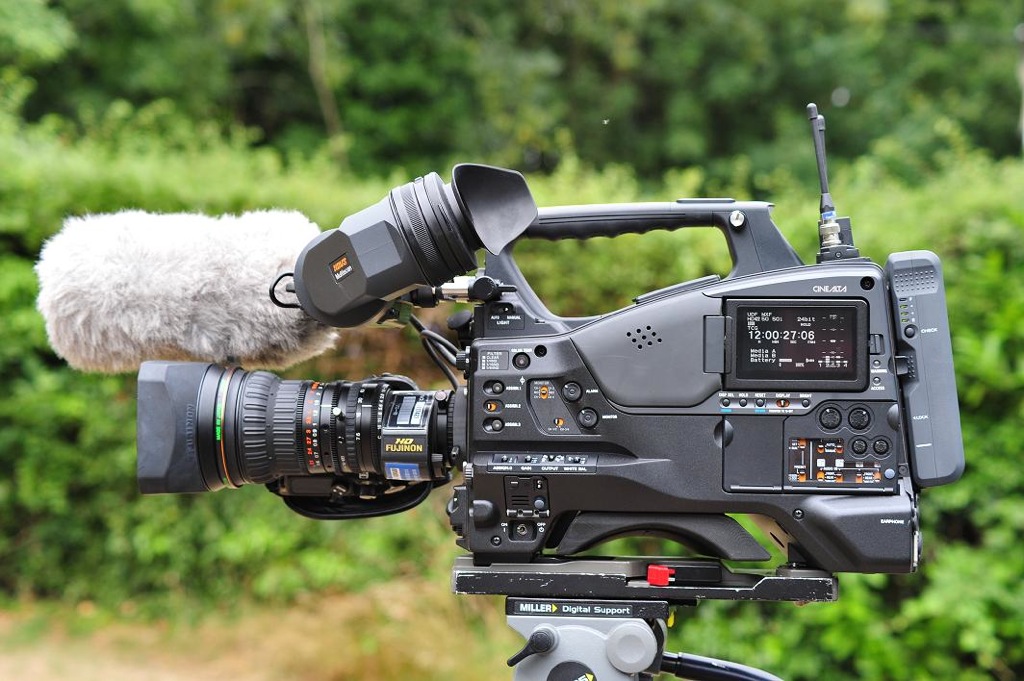 Otro camcorder a destacar es el PMW-500, utilizado actualmente por broadcasters como TVE, BBC, NRK o TRT. El PMW-500 fue el primer camcorder XDCAM HD422 profesional de Sony con grabación de estado sólido. Es compatible con grabación y reproducción MXF Full-HD 422 a 50 Mbps o en formato MP4 HD 420 a 35 Mbps, que permite una integración perfecta cuando se utiliza junto con modelos XDCAM EX.
En cuanto al PMW-320, es un camcorder con grabación de estado sólido XDCAM EX con un nuevo diseño de hombro y tres sensores Exmor CMOS Full HD de 1/2″ de última generación. Ofrece todas las prestaciones de grabación creativas avanzadas del camcorder compacto PMW-EX1R, a las que se añaden mejoras como un sistema de ficheros de escena y 4 canales de audio.
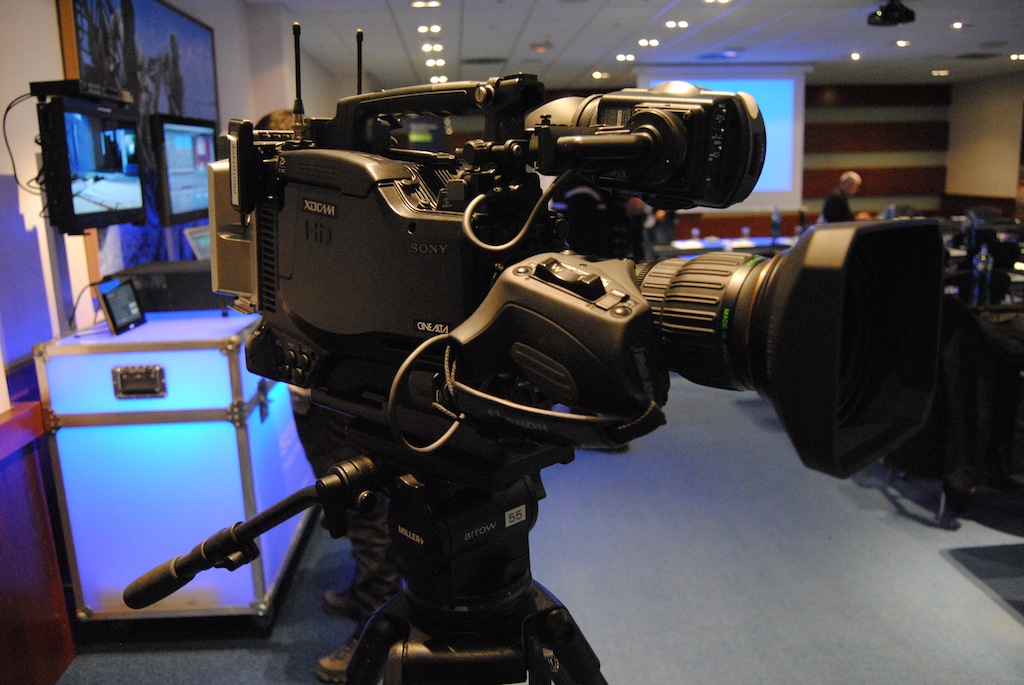 El chasis de esta cámara está basado en el del XDCAM HD422, pero pesa solamente 3,2 kg y es uno de los camcorders de hombro más ligeros de su clase.
Versión mejorada del popular PDW-700, Sony cuenta ahora también en la familia XDCAM con el camcorder PDW-800 que ofrece de serie la flexibilidad de la grabación multiformato: incluye grabación en SD y una velocidad de cuadro de 23,98P en modo 1080.
Las mejoras funcionales, entre las que se encuentran las funciones de cámara lenta y rápida (aumento y disminución de la velocidad de cuadro durante la grabación), convierten al PDW-F800 en una cámara idónea para producciones de cine y dramas televisivos, programas de historia natural, documentales, emisiones deportivas y aplicaciones ENG.
XMPilot, sacando el máximo partido a los metadatos
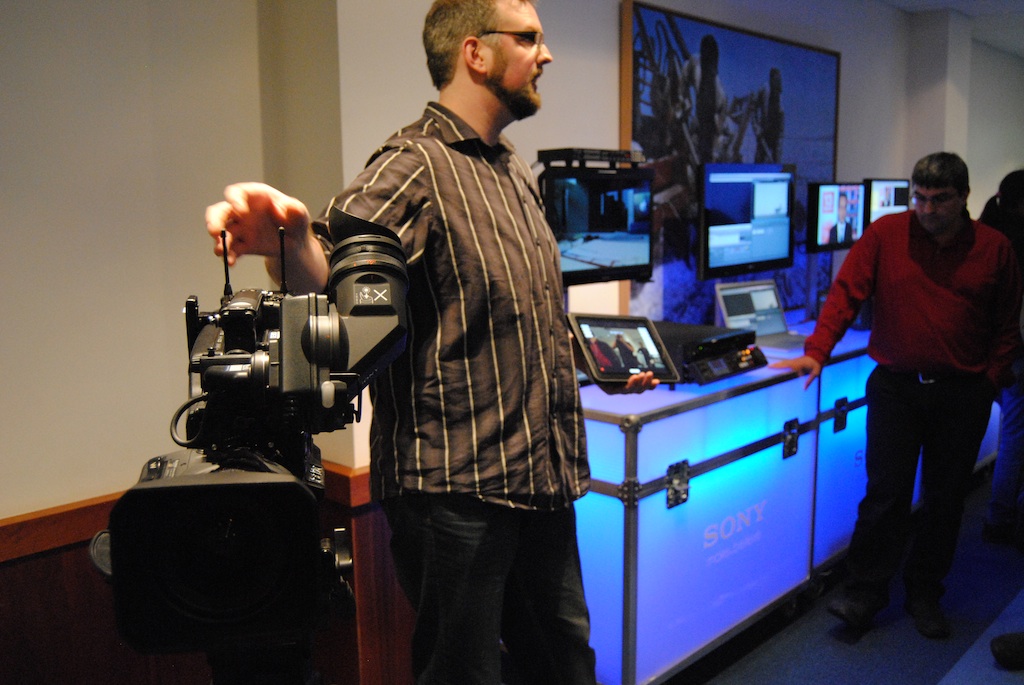
Una de las soluciones que más han llamado la atención a los profesional que han asistido al evento organizado por Sony es XM Pilot. Un sistema que permite desde una tableta, pc o smartphone gestionar todos los metadatos en el mismo momento de la captación de imágenes, facilitando la tarea a redactores, editores…
La solución XMPilot utiliza un módulo compacto de conexión por Wi-Fi o por cable para transmitir vídeo y audio de calidad proxy, al mismo tiempo que se obtiene, a una aplicación específica en un ordenador portátil o teléfono inteligente (sólo por Wi-Fi). El PC con Windows/teléfono inteligente que admita aplicaciones facilitará al director, al director de producción, al asistente de producción o al operador de cámara la tarea de grabar, registrar y añadir metadatos EssenceMark. Estos datos se devuelven de forma inalámbrica a los soportes de grabación del camcorder para conseguir un fácil acceso durante un flujo de trabajo de posproducción XDCAM mejorado y mucho más eficaz.
Al mismo tiempo, los usuarios de teléfonos inteligentes pueden retransmitir vídeo y audio de resolución proxy a la sede central o a un centro de broadcast mediante la conexión móvil de datos del propio teléfono.
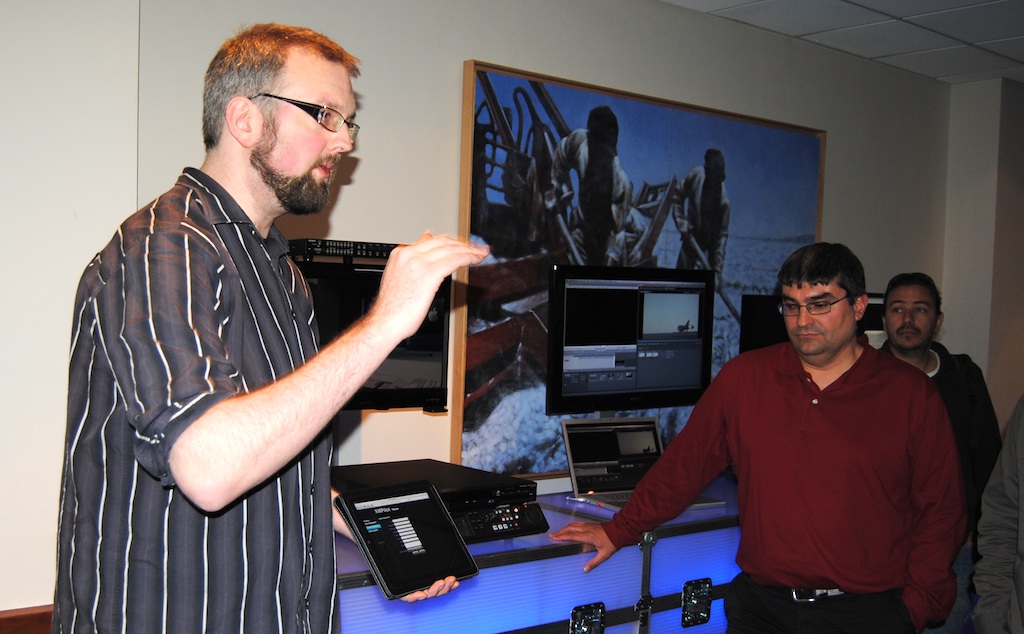 La solución XMPilot está diseñada para ser lo más flexible posible con una gama de posibles implementaciones. El acceso directo (Live Logging) también se habilita mediante la instalación del software opcional CBKZ-UPG01 en un camcorder. Cuando se utiliza el acceso directo a través del cable, el usuario necesita el explorador XDCAM que sea compatible con la función Live Logging.
TalkBack Thames, una de las productoras británicas más importantes, ha utilizado la solución de flujo de trabajo de metadatos XMPilot para la ingesta y el registro de rushes de su famosa serie televisiva sobre la adquisición de propiedades: Escape to the Country. Después de una semana de preparación, los cinco días de rodaje se convirtieron en 40 horas de rushes en XDCAM. Con XMPilot se tardó dos horas en realizar la ingesta y el registro de todo el material.
XDCAM Station, estación multimedia profesional
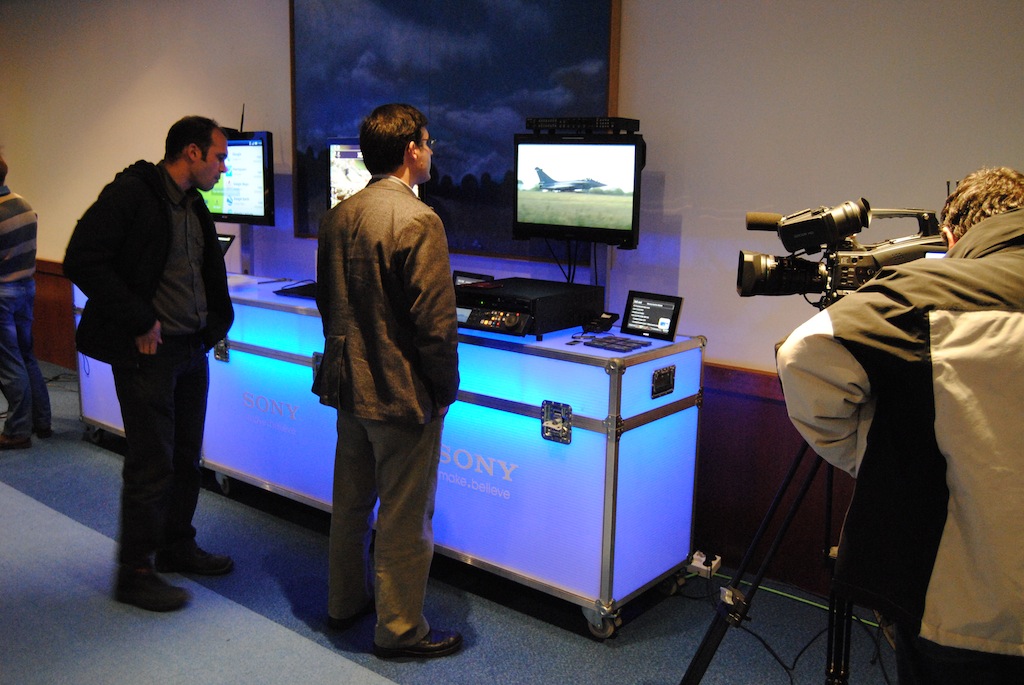
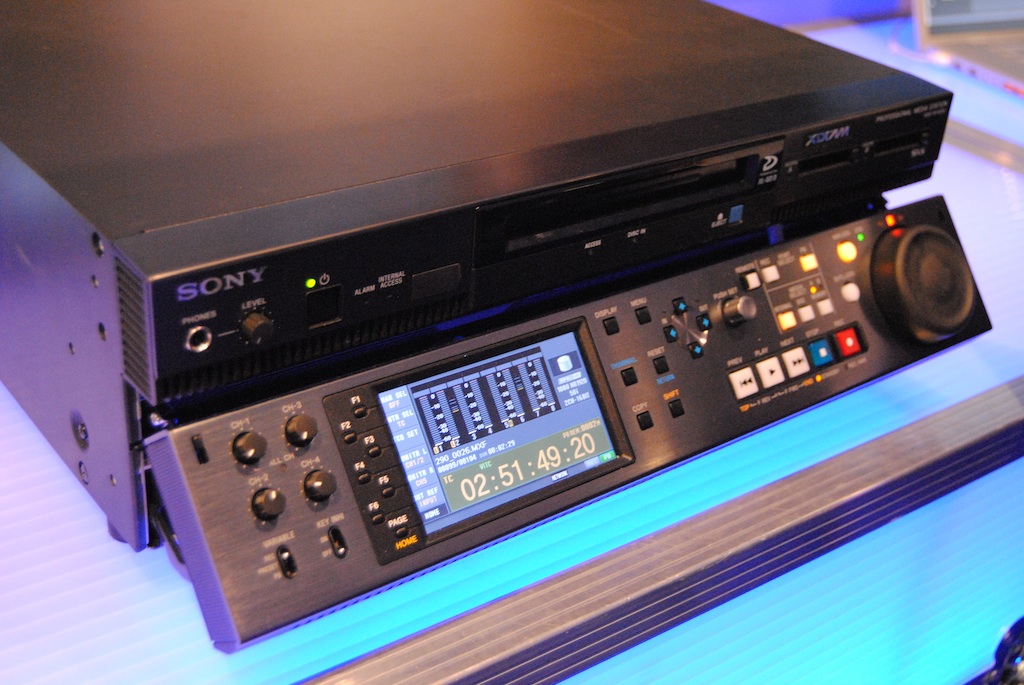
En la exposición de productos organizada por Sony contaba con un espacio relevante la nueva estación multimedia profesional XDCAM Station XDS-PD1000, una solución a medio camino entre un clásico VTR (sin cintas) y un servidor.
El XDS-PD1000 admite todo tipo de tarjetas SxS, como tarjetas Memory Stick o SDHC, mediante adaptadores MEAD. También es compatible con todos los modelos de XDCAM Professional Disc en cualquier formato y modo de grabación. La unidad de disco duro interna (HDD) de 1 TB y la conexión 1Gigabit Ethernet proporcionan aproximadamente un total de 32 horas de grabación continua en HD422 a 50 Mbps y acceso simultáneo para múltiples usuarios al contenido audiovisual.
 La XDCAM Station es una estación multimedia profesional con almacenamiento integrado e interfaces tanto para soporte Professional Disc como para tarjetas de memoria SxS, facilitando el funcionamiento híbrido en un flujo de trabajo XDCAM. Ofrece mejor soporte para operaciones multitarea, conexiones en red y otras funciones de TI. Si se añade la XDCAM Station a un flujo de trabajo XDCAM, las operaciones basadas en ficheros resultan más cómodas y eficientes.
La unidad interna Professional Disc 4G de cuarta generación de la unidad permite llevar a cabo una transferencia parcial de material o realizar una copia de seguridad completa del Professional Disc en la unidad de disco duro interna de 1 TB. Además, el material de la HDD interna puede copiarse parcialmente en el Professional Disc. También es posible grabar en banda base, reproducir y utilizar la cámara lenta de forma simultánea. Otra posibilidad que ofrece es editar durante la grabación misma (edición de ficheros en aumento).
Did you like this article?
Subscribe to our NEWSLETTER and you won't miss anything.
Related articles
 Warner Bros. Belgium launches post-production workflow with Limecraft, DzjinTonik and LockitScript
 La Universidad de Staffordshire elige Panasonic para su workflow ST 2110 de producción de eSports
 MRMC and Pixelscope Create AI-Based Remote Production Workflow for Live Sports
 Riot Games amplía sus entornos de producción con Networked Live de Sony
 RTVE brings together the industry in a workshop on production on IP environments
 Quicklink Remote Communicator finds an interesting application in post-production environments
 Sky News en Reino Unido se prepara para la producción inalámbrica con soluciones XDCAM
 Dalet MAM mejora la eficiencia del workflow de producción de los canales de Fox en Italia y Reino Unido
 Télé-Québec gains flexibility in studio production with an EVS workflow
 DP4K-P: the new Barco projector designed for 4K post-production environments
 IEC and Sony organize an advanced seminar on the XDCAM workflow
 Production and post-production at the highest level with Octopus and VM Broadcast
 Snell simplifies production and broadcasting with a workflow integrated into Canal Extremadura
 Barco launches the DP2K-P, a projector designed for post-production environments