





FAPAE propone “que el cine finance al cine”
El presidente de FAPAE, Pedro Pérez, en el marco del Festival de Cine de San Sebastián, ha anunciado un nuevo modelo de negocio y ha solicitado al Gobierno el pago de la deuda contraída con el cine.
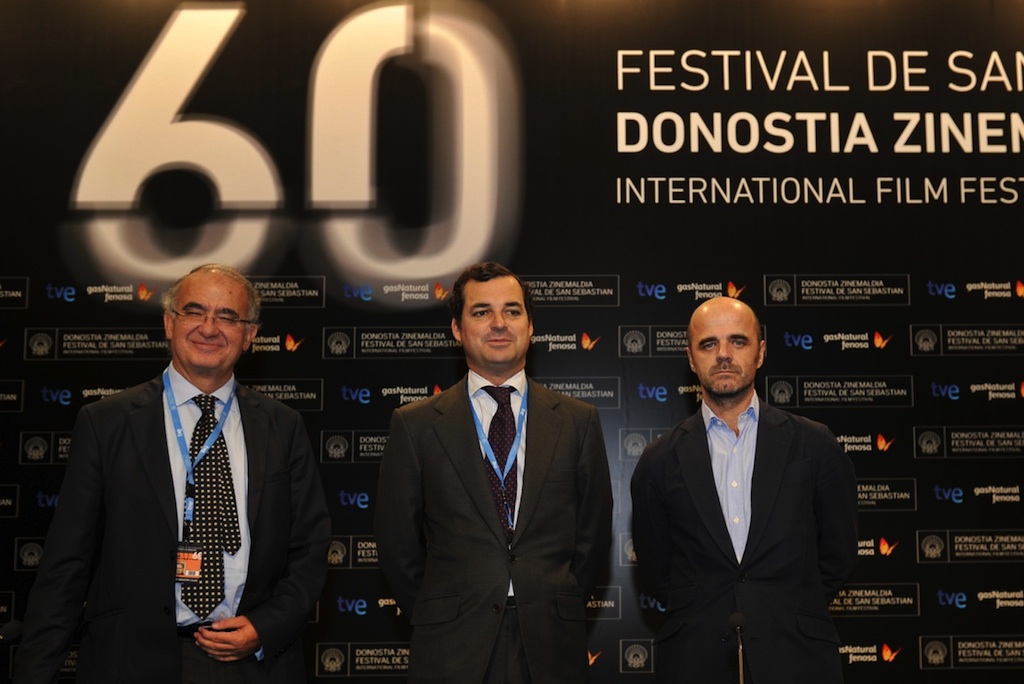
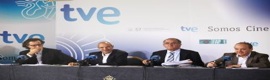
Como ya es habitual en el marco del Festival Internacional de Cine de San Sebastián, se ha celebrado la rueda de prensa conjunta de FAP (Federación de Asociaciones de Productores Audiovisuales Españoles) y Televisión Española, en la que han participado, por parte de FAPAE, su presidente, Pedro Pérez, y por parte de Televisión Española, el presidente de RTVE, Leopoldo González-Echenique y el director, Ignacio Corrales.
El presidente de FAPAE ha valorado la excelente calidad que, un año más, exhibe el Festival de San Sebastián y ha felicitado a su director, José Luis Rebordinos, por mantener el número y la calidad de los títulos españoles que participan en el mismo, así como la constante interlocución que el Festival ha mantenido todo el año con el sector. Pedro Pérez también ha aprovechado esta comparecencia para felicitar a la película “Blancanieves”, que ha tenido su premiere en San Sebastián, por ser elegida para representar a España en la próxima edición de los Premios Oscar.
El presidente de FAPAE también ha destacado la disponibilidad existente, por parte del nuevo equipo de TVE, en colaborar con la producción nacional. Desde la Federación se ha enviado un documento con diferentes propuestas que “estoy seguro valorarán”.
Nuevo modelo de negocio
Pedro Pérez ha planteado en esta rueda de prensa dos peticiones muy claras al Gobierno. Por un lado, ha explicado que la parte principal de las ayudas al cine se pagan dos años después del estreno y durante ese tiempo se contrae una deuda con el ICO (Instituto de Crédito Ofical), es decir “es una deuda del Estado, y como tal, el Gobierno tiene que respetarla”.
Por otro lado, Pérez ha anunciado que, desde FAPAE, se está coordinando un nuevo modelo de negocio en el que “el cine sea el que pague al cine” y, por lo tanto, salir de los Presupuestos Generales del Estado. Para ello, la próxima semana ya se ha previsto una reunión entre los productores y el secretario de Estado de Cultura, José María Lassalle, para empezar a trabajar en este nuevo modelo, que no es nada novedoso, ya que lleva años realizándose en otros países europeos. El Presidente de FAPAE ha insistido en que para poder realizar este cambio, antes hay que pagar la deuda contraída.
La facturación y el empleo caen en un 14,67 %
En San Sebastián, Pedro Pérez ha presentado la Memoria de FAPAE del año 2011, que incluye las actividades institucionales, políticas y de comunicación llevadas a cabo por la Federación, un avance de 2012 y los datos actualizados sobre el sector audiovisual. Cabe destacar que el capítulo de Facturación y empleo contiene información que sólo publica FAPAE.
El presidente de FAPAE ha querido señalar, como dato positivo reflejado en la Memoria, que en el año 2011 las ventas internacionales de la producción audiovisual española experimentaron un incremento del 18,7 %, rompiendo con la tendencia negativa del pasado ejercicio. La causa principal de este cambio es, sin lugar a dudas, el despegue de las exportaciones de cine, que aumentaron un 51,9 % hasta superar los 41,38 millones de euros de facturación internacional.
La Memoria de FAPAE es el único informe elaborado sobre la facturación y el empleo de la producción independiente y entraña una gran dificultad debido a la ausencia de datos económicos oficiales para el sector audiovisual, ya que sólo se dispone de las cifras publicadas en el Registro Mercantil del ejercicio 2010.
Los datos de facturación y empleo en el sector sufrieron una caída del 14,67 % con respecto al año anterior y el empleo directo generado por las productoras independientes disminuyó un 10,37 %. Pedro Pérez también ha realizado un avance en esta rueda de prensa, presentando los datos de facturación y empleo a julio de 2012; según el último Informe del INE sobre las cifras de negocio y el empleo en el sector servicios, las actividades cinematográficas y de programas de televisión sufrieron una caída interanual del 17,8 % en la facturación y un descenso en el índice de ocupación del 10,9 %. Ambas son las mayores caídas dentro del sector servicios, que descendió un 4,9 % de media en facturación y un 2,9 % de media en empleo.
Access a la memoria completa.
Did you like this article?
Subscribe to our NEWSLETTER and you won't miss anything.
Related articles
 The Film Academy proposes the film 'Sirât' to represent Spain at the Oscars
 Next Lab Finance & Tech Navarra reúne en su primera edición a la industria de la animación y los videojuegos
 El Film London Production Finance Market 2017 (PFM) se presenta en Málaga
 El presidente de FAPAE, Ramon Colom, solicita al Gobierno el pago total de la deuda contraída con el cine
 Ramón Colom, new president of FAPAE
 FAPAE urges the Government to implement new financing measures for cinema and audiovisuals
 Pedro Pérez leaves the presidency of FAPAE
 FAPAE y Clipyoo firman un acuerdo de colaboración
Pedro Pérez, re-elected president of FAPAE
FAPAE y Clipyoo firman un acuerdo de colaboración
Pedro Pérez, re-elected president of FAPAE
 FAPAE gets involved in the great technology fair
FAPAE, satisfied with the consensus around the Sinde Law
FAPAE gets involved in the great technology fair
FAPAE, satisfied with the consensus around the Sinde Law
 The Minister of Culture and FAPAE come out in defense of film aid
 FAPAE takes stock in Malaga
 FAPAE takes stock in San Sebastián