





Patching de vídeo y audio para las actuales operaciones cambiantes de media
Los sistemas de patching son particularmente valiosos para entornos trepidantes de producción en directo de alta tensión, cuando cada segundo cuenta y se tiene que configurar y volver a configurar un equipo. Igor Quinteros, director adjunto en Ríos Y Cia. (Chile), reflexiona en esta Tribuna sobre las posibilidades de interconexión que ahora se plantean.
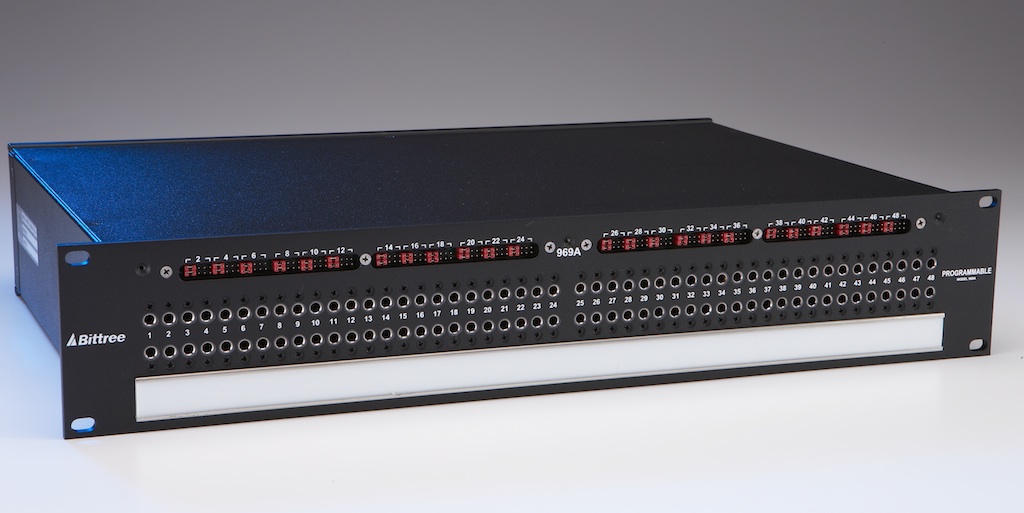
Los sistemas patching de última generación se han convertido en un requerimiento clave para los entornos de broadcast y media, proporcionando flexibilidad y continuidad para producciones de estudio y broadcast en exteriores. Son particularmente valiosos para entornos trepidantes de producción en directo de alta tensión, cuando cada segundo cuenta y se tiene que configurar y volver a configurar el equipo sobre la marcha con cierta frecuencia y lo más rápidamente posible.
Para decirlo de forma sencilla, los paneles patch o patchbays de vídeo y audio ofrecen una serie de circuitos que se pueden interconectar utilizando cables patch de forma ventajosa y flexible. Proporcionan una localización centralizada y conveniente para que los ingenieros puedan parchear las señales de audio y vídeo rápidamente sin tener que enchufar cables en los sistemas y equipos individuales. Con cada señal entrante y saliente de un solo panel patch los ingenieros son capaces de configurar y volver a configurar vídeo y audio de forma rápida para diferentes tipos de eventos, así como llevar a cabo soluciones rápidas y sencillas en caso de un fallo eléctrico o en el equipo durante la producción. Como todos los cambios se pueden llevar a cabo en el patchbay, es mucho más sencillo conectar distintos aparatos en diferentes órdenes para diversos proyectos. Mientras que los patchbays se pueden utilizar en múltiples entornos, nosotros hemos visto que son particularmente útiles en aplicaciones cableadas, como pueden ser nuestros estudios locales de broadcast.
Normalling se refiere a la forma en la que las entradas y salidas del patchbay se cablean. En la mayoría de casos la fila superior de conectores del patchbay esta cableada en la parte posterior a las salidas, mientras que la fila inferior de conectores esta cableada a las entradas. Los patchbays pueden ser half-normal (medio normales) o full-normal (completamente normales) indicando como se conectan internamente las conexiones superiores e inferiores. Con normalling completo, si se inserta una conexión en cualquiera de las dos filas romperá la conexión normal (el normalling) a la fila que corresponde a la conexión, por ejemplo, una conexión insertada en la fila superior (salida) dirige la señal a otro lugar sin que la dirija a la entrada normal, liberando esa salida para que otro dispositivo pueda utilizarla. Con half-normalling, una conexión en la fila superior no romperá el normalling, aunque una conexión en la fila inferior sí lo hará; por lo tanto, una conexión insertada en la fila superior partiría la señal para que se pueda mandar a una segunda entrada adicional. Una conexión en la fila inferior romperá la conexión, que ocasionalmente puede ser algo útil para desconectar una parte del equipo de forma rápida, lo que también se conoce como dead patching.
Un mercado en evolución
Chile es un microcosmos en el mundo de broadcast de América Latina. Al igual que en otros países, aquí hay una gran demanda de programación HD por parte de la audiencia y los canales están respondiendo con ampliaciones de las grandes instalaciones y actualizaciones de equipamiento.
Como el integrador chileno de los sistemas Bittree Patching, estamos viendo cómo aumenta la demanda de equipos de patching de alta calidad y fiables para cumplir con los requerimientos cambiantes. Con un cliente, Channel 13, unas recientes privatizaciones han permitido que la cadena lleve a cabo importantes inversiones en infraestructura e instalaciones, incluyendo una nueva inversión multimillonaria en una instalación de tres estudios que permitirá la producción interna.
Los patchbays de audio y vídeo tenían un lugar importante en las operaciones de Channel 13 durante muchos años y esperamos que la cadena realice una importante inversión en equipamiento de patching vanguardista para las nuevas instalaciones. También, como resultado de una referencia positiva de Channel 13, uno de los broadcasters más importantes de Chile, Megavisión, realizó el año pasado una inversión en equipos Bittree para apoyar su gran red de canales en todo el país, además de en Perú y Argentina.
Nuevas fronteras en la tecnología
Una innovación que se está haciendo muy popular en América Latina es el concepto de patchbays que pueden ser fácilmente programados desde el panel frontal, al contrario que los sistemas habituales que necesitan que el operador quite la cubierta del bastidor y lleve a cabo las modificaciones internas. Estos sistemas, ejemplificados por la serie Bittree 969-A de patchbays de audio programables, permiten cambios rápidos y sencillos a normalling y grounding para todo el patchbay o para circuitos individuales. El operador simplemente quita la tira de designación del panel frontal para revelar una serie de puentes que cambian el flujo de la señal sin necesidad de volver a cablear. Normals se pueden cambiar de forma instantánea a full-normal, half-normal y non-normal, y grounding se puede cambiar a aislado, en bucle o bussed.
A la vez que el mercado de broadcast de América Latina continúa evolucionando, las instalaciones de media continuarán adoptando lo último en equipamiento patching, esto a la par que las grandes cuentas con instalaciones de éxito continúan creciendo. En Ríos Y Cia. estamos emocionados de formar parte de esa evolución.
Igor Quinteros
Director adjunto en Ríos Y Cía. (Chile)
Distribuidor de audio de broadcast profesional
Did you like this article?
Subscribe to our NEWSLETTER and you won't miss anything.
Related articles
 HQ Video (Ishtari) deploys AI to improve audio for remote contributions
 DirectOut Prodigy, eje del diseño de producción remota de audio de NEP para Dyn Media
 Tedial helps medium-sized companies migrate to remote operations
 Ross Video elige las tarjetas de E/S Matrox DSX LE4 SDI para alimentar los procesadores de audio para broadcast SoftGear
 Shane McCarthy se une a Irdeto como director de Operaciones para vídeo y entretenimiento
 Lawo launches new audio and video solutions for IP environments
 Lawo mostrará en ISE sus propuestas para infraestructuras de audio y vídeo basadas en IP
 Calrec launches several technologies for audio and video over IP
 Nuevo Media Player 4K de Sony: soporte para streaming 4K en los actuales Bravia 4K Ultra HD
 Lawo exhibits at NAB an innovative IP network for video, audio and intercom transport
 Riedel: comprehensive solutions for large events with real-time networks for video, audio and communications
 Riedel: comprehensive solutions for large events with real-time networks for video, audio and communications
 WD presenta unos discos SATA pensados para audio y video
 Microfusa: solutions for video and audio capture and post-production