





Six Ibero-American films will be screened in the official section of the Berlinale
‘Nadie quiere la noche’, ‘El botón de nácar’, ‘El Club’, ‘Ixcanul (Ixcanul Volcano)’, ‘Dauna: lo que lleva el río’ y ‘Ausència’ se estrenan en el Festival de Berlín.
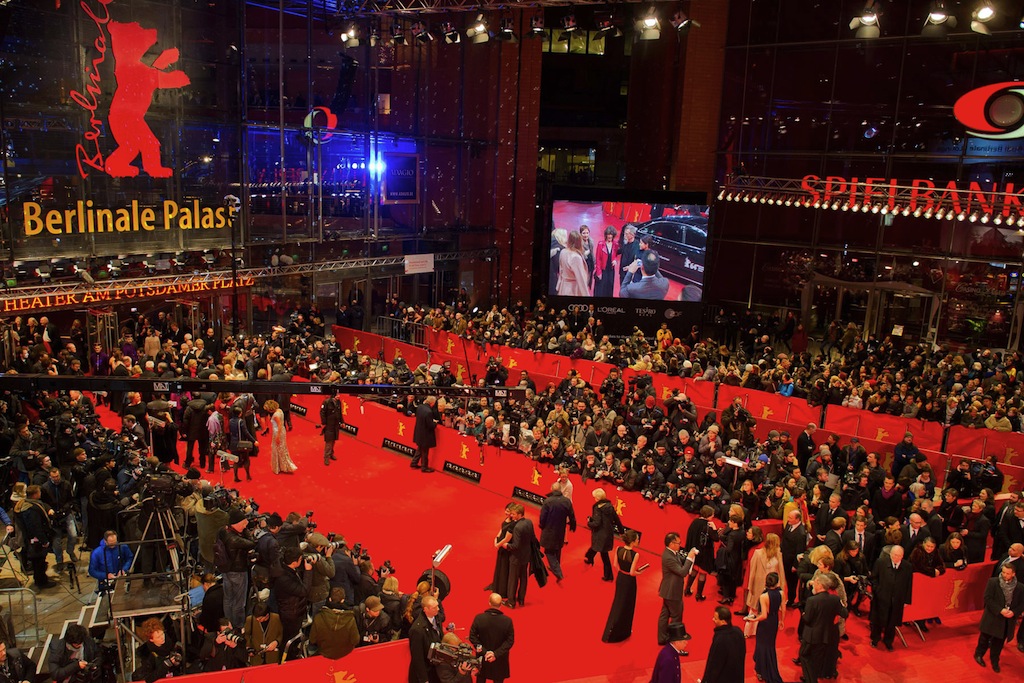
El 65º Festival Internacional de Cine de Berlín contará este año con cuatro películas iberoamericanas compitiendo por el Oso de Oro. Nobody wants the night, de Isabel Coixet; The mother-of-pearl button, del chileno de Patricio Guzmán; The Club, de Pablo Larraín; e Ixcanul (Ixcanul Volcano) de Jayro Bustamante optarán al preciado galardón.
Por otro lado, del 5 al 15 de febrero, la Berlinale acogerá también la proyección en el Programa NATIVe de Dauna, lo que lleva el río, la primera película venezolana en idioma warao, dirigida por Mario Crespo. En la sección Panorama, Chico Teixeira estrenará Ausència.
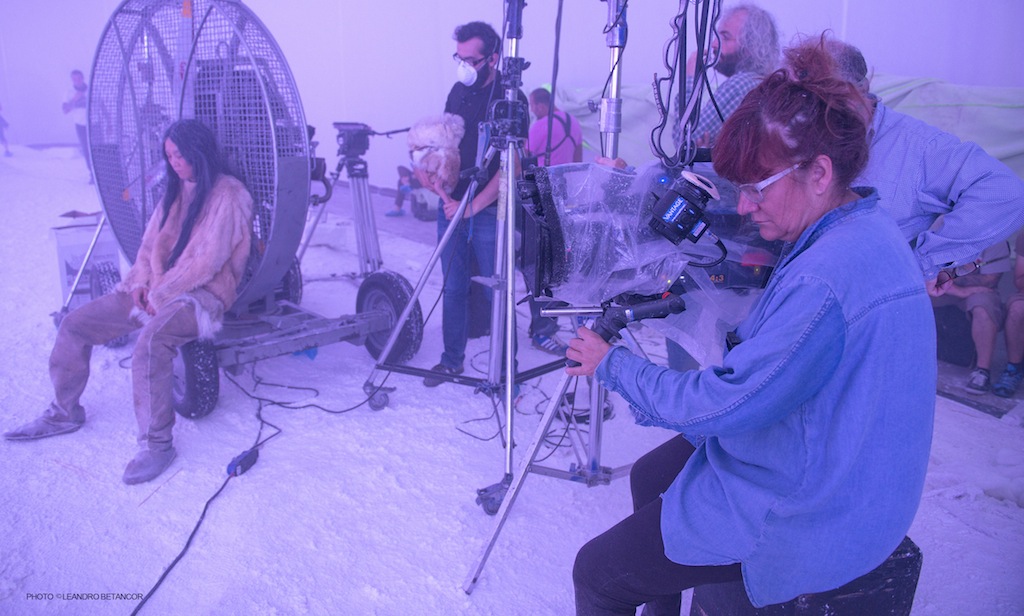 Coixet regresa por quinta vez al festival, en esta ocasión con Nobody wants the night, que abrirá la Sección Oficial este año. La película, coproducida por España, Francia y Bulgaria, está protagonizada por Juliette Binoche y Rinko Kikuchi, y cuenta con la colaboración de Willem Dafoe. Narra la historia de dos mujeres procedentes de dos culturas muy diferentes: una pertenece a la tribu esquimal inuit, y la otra a la alta sociedad neoyorquina. Durante una situación extrema en un viaje al Polo Norte, han de ayudarse la una a la otra a pesar de lo poco que tienen que ver.
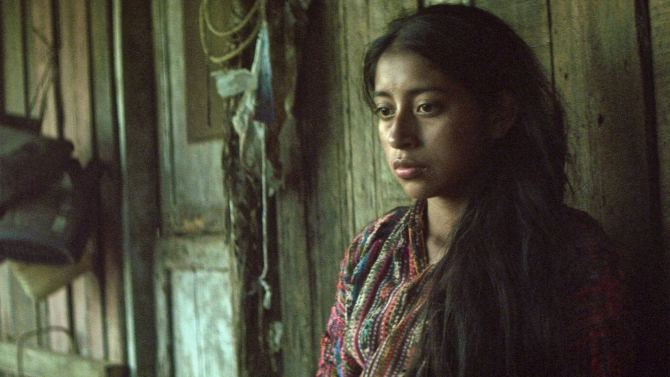 As to Ixcanul (Ixcanul Volcano) es el debut como director del guatemalteco Jayro Bustamante. La película, coproducida por Guatemala y Francia, narra la historia de María, una joven maya cakchiquel de 17 años, que vive con sus padres en una finca cafetalera, en las faldas de un volcán activo de Guatemala.
El chileno Patricio Guzmán intentará convencer al jurado con su largo documental The mother-of-pearl button, una coproducción de Francia, Chile y España que profundiza en las desapariciones de izquierdistas opuestos al golpe de estado de Pinochet, cuyos cuerpos fueron lanzados a la Patagonia desde aviones al mar.
El también chileno Pablo Larraín estrenará en la Berlinale, El club. El filme está protagonizado por Alfredo Castro, Antonia Zegers y Jaime Vadel, actores con los que ya trabajó en su anterior película, No, con la que consiguió la nominación al Oscar a mejor película de habla no inglesa. El club cuenta la historia de cuatro sacerdotes que van a un retiro espiritual para purgar sus pecados. La llegada de un quinto integrante al grupo desata la trama de esta historia.
Dauna, lo que lleva el río del cubano afincado en Venezuela Mario Crespo se proyectará en el Programa NATIVe que recoge este año las mejores películas sobre temas indígenas realizadas en Latinoamérica entre 1986 y 2014. La película, rodada en warao, contó con el apoyo del Programa Ibermedia y del Centro Nacional Autónomo de Cinematografía (CNAC) de Venezuela.
Por último, el drama Ausència de Chico Teixeira, coproducida por Brasil y Chile, sigue de cerca la vida de un joven de catorce años. El espectador sigue día tras día la vida de ese joven “ya no niño, todavía no hombre” en su nuevo papel de hombre de la casa, en su trabajo en el mercado, en su amistad con Mudinho y Silvinha, en su relación confusa con un profesor. La película es un tejido de momentos de la vida de un niño en transición.
Did you like this article?
Subscribe to our NEWSLETTER and you won't miss anything.
Related articles
 The 72nd San Sebastián Festival begins, marked by a powerful official section and a tribute to Almodóvar
 The Pyrenees Mountain Film Festival presents the 21 short films in competition in its official section
 31 webseries from Europe and America compete in the official section of the VII Carballo Interplay
 Seventeen productions will compete in the Official Section of the San Sebastián Festival
 Webseries from around the world compete in the official section of the VI Carballo Interplay
 42 webseries de todo el mundo compiten en la sección oficial del V Festival Carballo Interplay
 Eight films will be part of the Official Section of the Cinema for Women Festival
 The Ibero-American films nominated for the Goya, at the Academy
 The first films of the Official Section of the Malaga Festival confirmed
 'Arbitrage (The Fraud)' will inaugurate the Official Section in competition at the San Sebastián Film Festival
 Enrique Urbizu, Isaki Lacuesta and Benito Zambrano will compete in the Official Section of San Sebastián
 Berlinale: six decades of good cinema
 Today the Gijón Festival begins with fourteen features in the Official Section
 Three Spanish films in the Official Section of San Sebastián