





The protection of minors and the legality of television advertising, priority issues for the president of the CNMC
José María Marín Quemada defiende en ‘Diálogos en el CAA’ la proporcionalidad y la función disuasoria de las sanciones a las televisiones.
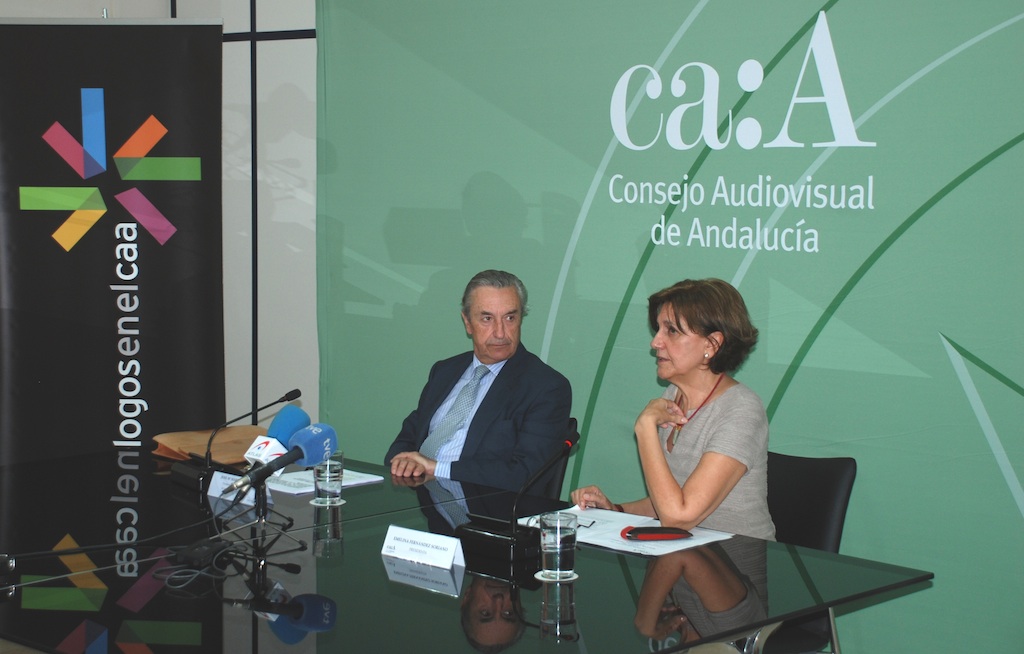
El presidente de la Comisión Nacional de los Mercados y la Competencia (CNMC), José María Marín Quemada, destacó ayer como prioridades del regulador nacional en el ámbito audiovisual la protección de los derechos de los espectadores de televisión más vulnerables, como son los menores de edad, así como la legalidad de los contenidos publicitarios que emiten los medios de comunicación. Marín Quemada hizo estas apreciaciones durante su conferencia en el ciclo Diálogos en el Consejo Audiovisual de Andalucía (CAA), donde confirmó además que el organismo que preside vigilará el cumplimiento del pluralismo y la imparcialidad informativa en Televisión Española.
La CNMC “debe proteger los derechos de los espectadores frente a las intenciones de las televisiones, especialmente en el caso de los menores de edad”, recalcó Marín Quemada, quien afirmó que la televisión puede perjudicar el desarrollo de un menor, cuya protección “es un mandato legal sin matices para la CNMC”.
En el año y medio de vida de la CNMC, explicó, se ha conseguido la retirada de seis series no adecuadas para menores en horario protegido y se han incoado 15 expedientes a varias televisiones nacionales por diversas infracciones relacionadas con esta materia y con vulneraciones en la emisión de publicidad. Marín Quemada avanzó además que la CNMC trabaja con las televisiones comerciales en abierto para homologar criterios de calificación por edades de los contenidos.
Un trabajo que extenderán a las televisiones de pago y que también desea ampliar a los contenidos de Internet: “Queremos conseguir un sistema eficaz de control parental y crear un catálogo de productos de internet que nos conduzca a una lista blanca de contenidos de internet”, dijo Marín Quemada en su conferencia, celebrada esta mañana en el Consejo Audiovisual de Andalucía.
El presidente de la CNMC reivindicó también la función “clásica” de los órganos reguladores en defensa de los derechos de los telespectadores respecto de la publicidad. “La CNMC trata de equilibrar los intereses de las empresas con la protección de los consumidores frente a abusos, y conjugar este equilibrio con los intereses de los propios anunciantes, para que se respeten las normas”, dijo.
En este sentido, consideró muy importante verificar que los contenidos de la publicidad se ajustan a la ley y apostó por sistemas de autorregulación y corregulación por parte de los operadores. Un asunto sobre el que, avanzó, trabaja la CNMC.
En su conferencia, Marín Quemada repasó el panorama audiovisual del momento, donde, recordó las empresas de telecomunicaciones, que hasta ahora nos ofrecen servicios de telefonía y de conexión a internet, empiezan ya a ofrecer contenidos audiovisuales a través de la televisión. “Y eso lo hacen tres o cuatro operadores que quedan en España tras los procesos de fusión”, destacó.
El presidente de la CNMC puso énfasis en la relevancia de estos grupos que, según los datos del regulador, registraron una facturación superior a los 32.000 millones de euros en 2014, lo que representa un 3% del PIB: “Por razones objetivas cualitativas y cuantitativas, estamos en presencia de una actividad que es más que importante”, dijo Marín Quemada.
Marín Quemada defendió la labor de los órganos reguladores frente a “quienes piensan que para lograr el crecimiento es necesaria la permisividad”. “Créanme que es un error. La concentración, que es lo que está detrás de esa idea, lo que genera es indefensión”, recalcó.
En el turno de preguntas, defendió la filosofía de las sanciones que impone la CNMC a las operadoras de televisión: “que sean proporcionales a los daños causados o beneficios obtenidos y sean disuasorias”. “Desde que la CNMC funciona estamos imponiendo sanciones y lo vamos a seguir haciendo”, dijo su presidente, que consideró natural el rechazo a las mismas por parte de las televisiones, si bien, destacó la seguridad jurídica incuestionable para los operadores de televisión.
Otra de las cuestiones sobre las que se pronunció en el turno de debate giró en torno a su función como vigilante del cumplimiento de servicio público de TVE. Marín Quemada confirmó que esta es una de las previsiones de trabajo para los próximos meses de la CNMC, que entrará a vigilar el cumplimiento además del pluralismo y la imparcialidad en TVE.
Did you like this article?
Subscribe to our NEWSLETTER and you won't miss anything.
Related articles
 Alejandro Echevarría, honorary president of Mediaset España and key figure for private television in Spain, dies
 Five technical and artistic workshops for those under 35 years of age make up the CINEMA Training offer
 Fernández-Paniagua details the upcoming actions in the 5G priority bands
 Nagra brings to NAB its latest proposals for simple and efficient protection of pay television
 MediaMath offers an advanced technological solution for purchasing advertising on connected television
 The CNMC sanctions Mediaset with 1.3 million for the broadcast of inappropriate content for minors in 'Sálvame'
 The CNMC sanctions RTVE with more than 1 million euros for the broadcast of advertising that is not permitted
 Convergence, key to the future for digital video and television advertising, according to a study by Videology
 Smartclip and Fraunhofer Fokus present a technological solution to integrate digital video advertising with classic television
 Civolution will demonstrate its advanced content protection solutions at NAB 2014
 The eventual purchase of Digital+ by Telefónica should be analyzed by Brussels, according to the president of the CNMC
 34% of those under 30 years of age admit they do not watch conventional television
 The next generation of content protection in pay television
 Television advertising falls up to 29%