





The Andalusian Government will sanction unlicensed broadcasts with up to one million euros
Las cuantías para las infracciones tipificadas como muy graves, entre ellas la emisión sin licencia, oscilarán entre 80.001 euros y un millón para los servicios de comunicación televisiva, y entre 20.001 y 200.000 para los radiofónicos.
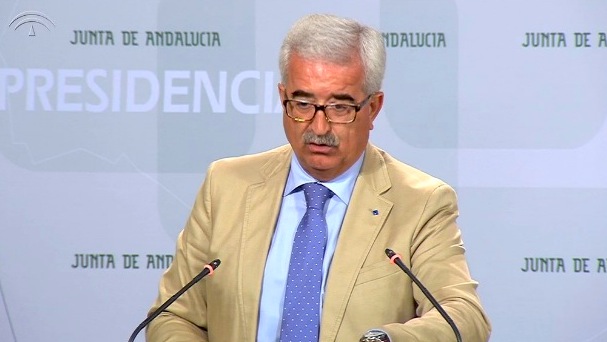
El Consejo de Gobierno ha aprobado el inicio de los trámites para la elaboración del proyecto de Ley Audiovisual de Andalucía. El texto atenderá las necesidades de regulación integral de este sector estratégico para la economía, la cohesión social y la proyección cultural de la comunidad, además de establecer medidas para asegurar la defensa del servicio público en este ámbito de forma que no puedan producirse privatizaciones ni externalizaciones. El documento inicial, que ha conocido el Consejo, estará abierto a las aportaciones de la ciudadanía y los agentes sociales antes de su tramitación como proyecto y remisión al Parlamento.
La futura ley cubrirá aspectos insuficientemente desarrollados por la normativa estatal básica en vigor desde 2010, sobre todo en lo relativo a la ampliación de los derechos de los usuarios, la protección de los menores, la participación de la ciudadanía, el control de las emisiones ilegales y reforzamiento del régimen sancionador. Una de sus principales novedades, también a nivel nacional, será la regulación de ámbitos del sector hasta ahora sin reconocimiento normativo, como es el caso del servicio público audiovisual que prestan universidades y centros docentes.
Respecto a los derechos, el anteproyecto amplía su catálogo considerando a los usuarios no sólo como destinatarios de los servicios, sino como parte integrante de la comunicación audiovisual. En este sentido, establece medidas para mejorar el acceso de la ciudadanía a los medios y el adecuado reflejo de la diversidad política, cultural y social de la comunidad. También impone obligaciones concretas a administraciones y medios de comunicación para la protección de los menores en sus derechos al honor, la identidad y la imagen, además de garantizar el conocimiento de los contenidos de los servicios de televisión y sus horarios de emisión con una antelación suficiente.
Entre otras novedades, la norma andaluza ampliará las franjas horarias de protección reforzada vigentes ahora y fijados por la legislación estatal básica (la Ley General de la Comunicación Audiovisual).
Los contenidos calificados como recomendados a menores de 13 años deberán incluirse entre las 7.00 y las 9.00 horas y entre las 17.00 y las 20.00 horas en el caso de días laborables. Se aumenta así en una hora la franja matutina, actualmente situada entre las 8.00 y las 9.00. Además, los contenidos que puedan resultar perjudiciales para el desarrollo físico, mental o moral de los menores sólo podrán emitirse en abierto entre las 23.00 y las 6.00 horas (actualmente la franja es 22.00-6.00).
De forma similar, la ley garantizará los derechos de las personas con discapacidades auditivas y visuales con diversos requerimientos mínimos en cuanto a horas de emisión adaptada.
Más participación ciudadana
Con el fin de facilitar la implicación de la sociedad, el anteproyecto recoge la creación del Consejo de Participación Audiovisual de Andalucía, que estará integrado por representantes de la ciudadanía y de los agentes del sector. Este órgano, cuya composición y funciones serán detalladas en desarrollo reglamentario posterior, deberá reflejar la realidad plural de la comunidad y funcionará como garante de los derechos de la población en relación con los servicios de comunicación audiovisual.
La regulación de la futura ley alcanzará a todos los prestadores de servicios de comunicación audiovisual, incluyendo los privados, los públicos locales y el autonómico. Por primera vez en España, también se reconocerá y se dará cobertura legal a los que surgen en los ámbitos de las universidades y los centros docentes públicos, así como a los comunitarios sin ánimo de lucro. Con la definición de las condiciones de prestación, la gestión de sus licencias y el control y supervisión de su funcionamiento, el anteproyecto alcanza así la regulación integral de todos los ámbitos del sector.
En relación con el apoyo a la actividad económica y empresarial audiovisual, que actualmente se desarrolla de una forma dispersa, el anteproyecto establece las bases de un sistema de incentivos, bonificaciones fiscales y ayudas a la financiación para respaldar proyectos de creación, producción, distribución, exhibición y promoción exterior.
Estas ayudas, que también cubrirán iniciativas de formación e investigación y otras vinculadas al turismo (como el fomento de nuevas rutas cinematográficas), se concretarán en el Plan de Ordenación e Impulso al Sector Audiovisual, cuyas bases ya ha sentado la Junta y que será elaborado de forma paralela a la tramitación del proyecto de ley.
La ley introducirá también destacadas novedades en relación con los derechos y obligaciones de los prestadores de servicios audiovisuales y fortalecerá los mecanismos de control vinculados a los de carácter público local. Se detallan así medidas para asegurar, con mayores garantías que la legislación estatal, la prohibición efectiva de emitir publicidad en emisoras sin licencia. Con la nueva ley, los anunciantes, las agencias de publicidad y los terceros que contraten con emisoras sin título habilitante serán también responsables.
En la misma línea de un mayor control de la actividad para luchar contra la piratería, se refuerzan la actividad inspectora y el régimen sancionador. En el primero de estos aspectos, la ley dotará a la Administración autonómica de nuevos mecanismos para acceder a los lugares que pueden estar vinculados a emisiones o servicios audiovisuales irregulares o ilegales. En este sentido, se crea la figura del “colaborador necesario”, por ejemplo, para los titulares de parcelas donde se sitúen torres de emisión, que deben prestar su ayuda para el acceso a las mismas.
Sanciones
En cuanto al régimen disciplinario, el anteproyecto tipifica nuevas infracciones y sanciones para los casos de incumplimiento de esta colaboración y también para quienes realizan comunicaciones comerciales con prestadores del servicio sin licencia.
El texto también actualiza las sanciones económicas previstas en la ley básica para hacerlas más acordes con la realidad y dimensión del sector audiovisual en Andalucía. Las cuantías para las infracciones tipificadas como muy graves, entre ellas la emisión sin licencia, oscilarán entre 80.001 euros y un millón para los servicios de comunicación televisiva, y entre 20.001 y 200.000 para los radiofónicos.
En el caso de las infracciones graves, como incumplir el deber de comunicación previa o alterar los parámetros técnicos de emisión, se podrán imponer sanciones de entre 20.001 y 80.000 euros para las televisiones y de entre 10.001 a 20.000 para las radios. El régimen sancionador se completa con multas para infracciones leves de hasta 20.000 y 10.000 euros, respectivamente.
El anteproyecto de ley que ahora inicia su tramitación es fruto del consenso con el sector audiovisual andaluz. El texto inicial ha estado precedido de 23 reuniones entre la Junta y más de medio centenar de entidades vinculadas con esta actividad. Tanto la norma como el plan de apoyo que se desarrollará tras su entrada en vigor constituyen los dos principales compromisos adoptados en 2014 en la Mesa de Ordenación e Impulso del Sector Audiovisual de Andalucía, que congregó a asociaciones de profesionales, operadores, prestadores de servicio de radio y televisión, representantes del sector de las tecnologías de la comunicación, organizaciones sindicales, colectivos sociales vinculados a las personas con discapacidad y a los menores, universidades, consumidores y usuarios, la RTVA y diversas entidades públicas.
Did you like this article?
Subscribe to our NEWSLETTER and you won't miss anything.
Related articles
 Cultura aportará un millón de euros al Programa Ibermedia
 Prime Video donates one million euros to help recover the Spanish audiovisual industry
 The NMS Kybio v3 perpetual license, free until the end of the year
 The United Kingdom renews the license to the Freeview DTT platform until 2034
 The Audiovisual Council of Andalusia still considers the number of unlicensed televisions in Andalusia alarming.
 Sony will add an optional HFR license to the Venice with speeds of up to 120 fps in 4K
 La Junta de Andalucía otorga 98 concesiones de TDT de ámbito local y gestión comercial
 La CNMC sanciona a RTVE con más de 1 millón de euros por la emisión de publicidad no permitida
 The Football Federation forced to pay one million euros to Mediapro
 'Catch the Flag' reaches close to a million and a half euros at the box office in its first weekend on screen
 Airstar celebrates twenty years in the market by announcing that it will invest one million euros in R&D
 La CNMC sanciona a Telefónica con dos multas que se elevan a medio millón de euros
 Free Your Mind invests nearly half a million euros in its technological renewal
 Support from the Andalusian Government to Kandor Graphics