





The position of not modifying the UHF band from 470 to 694/698 MHz begins to gain strength at WRC-15
The countries of Europe and Africa, the Arab States, those in the Commonwealt environment, those belonging to the Asia-Pacific Telecommunications Union and a total of 14 nations in South America oppose reassigning these frequencies to mobile services.
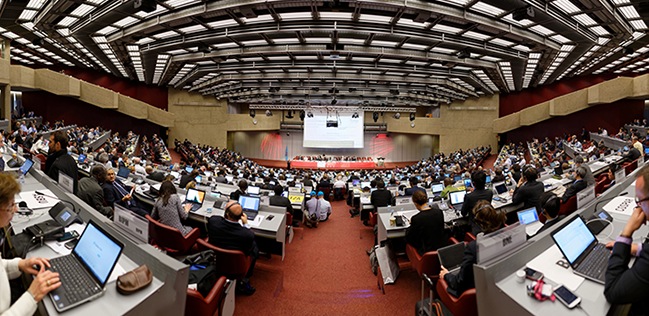
The first week of the ITU World Radiocommunication Conference (WRC-15), taking place this month in Geneva, Switzerland, has given national and regional authorities the opportunity to present their positions on the future allocation of radio spectrum between broadcasting and mobile services.
The European Broadcasting Union (EBU) has expressed its satisfaction upon verifying that the majority of the proposals are in line with not modifying the UHF band from 470 to 694/698 MHz. This band is currently allocated for the terrestrial distribution of television and radio signals.
Although a minority of countries had requested to reallocate the band to mobile telecommunications services, the coordinated regional positions of the countries of Europe and Africa, the Arab States, those of the Commonwealt environment, those belonging to the Asia-Pacific Telecommunications Union and a total of 14 nations in South America have clearly opposed adopting such a measure.
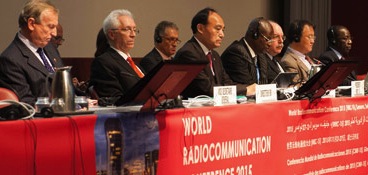 This position is consistent with the opinion of the EBU and other organizations representing more than 630 broadcasters from all over the world. They argue that WRC-15 decisions must reflect the reality that more than 95% of audiovisual content is currently delivered over broadcast and Wi-Fi networks, rather than over mobile networks.
Simon Fell, director of technology and innovation at the EBU, highlighted that despite what telcos would have you believe, "terrestrial television is the most popular television platform in Europe and many other regions of the world. It also continues to offer considerable social and economic value, in particular by providing free-to-air services and facilitating innovation."
Fell has encouraged “the representatives of the countries who in Geneva have presented their positions against a small minority that is trying to impose their views on the rest of the world.”
“Cada administración tiene la responsabilidad de velar por los intereses de sus propios ciudadanos. Animamos a los representantes nacionales en la CMR-15 a encontrar una manera de acomodar sus necesidades nacionales de espectro sin comprometer el futuro de la televisión terrestre. Mantener la banda de frecuencias 470-694/698 MHz para la radiodifusión es clave para el futuro”, añadió.
Did you like this article?
Subscribe to our NEWSLETTER and you won't miss anything.
Related articles
 El Proyecto Kuiper de Amazon comienza a desorbitar prototipos de satélites de banda ancha
 IMAX strengthens its position in the premium cinema market
 The CNMC urges Telefónica to modify its agreement with Dazn
 The tender for 5G frequencies in the 700 MHz band begins on July 20
 'The Voice' sounds strong in the digital environment
 Eutelsat fortalece su posición en el mercado americano
 The EBU welcomes the European position on the second digital dividend
 Telefónica strengthens its position in the CDN market with Akamai
 The BBC reconsiders its position on 3D
 Hitachi aims to regain a position of strength in the camera market
 Ericsson strengthens its position in VoD in China
 VSN steps strongly in the Middle East
 Fox stomps in Benelux
 Seachange stomps