





Luis María Ferrández: “es necesario debatir sobre un modelo de financiación que genere mayor seguridad para los productores”
Del 3 al 5 de marzo tienen lugar en Salamanca las ‘Nuevas Conversaciones del Cine Español’, un encuentro para debatir sobre el estado actual de la industria audiovisual española desde la perspectiva de los creadores, como ya lo hicieran hace seis décadas personajes claves en la historia de nuestro cine como Saura, Martín Patino, Sáenz de Heredia, Fernando Fernán-Gómez, Berlanga o Bardem en las celebres “Conversaciones de Salamanca”. El impulsor de este encuentro, guionista y director, Luis María Ferrández, intercambia impresiones sobre el presente y futuro del cine.
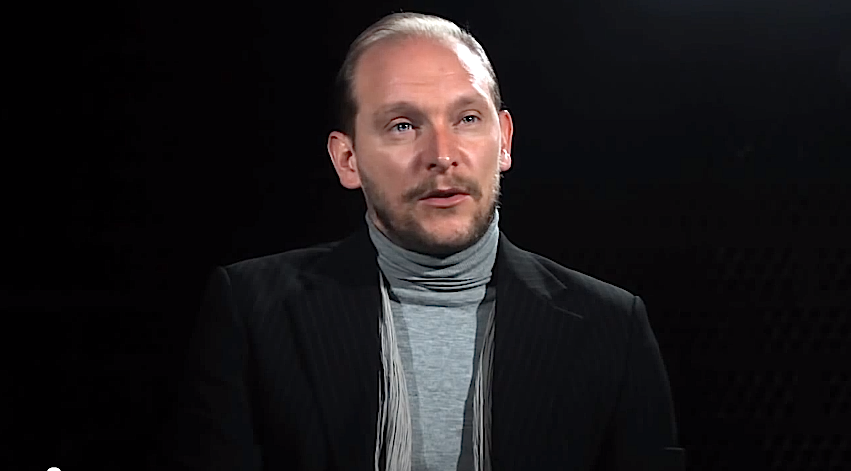
Una entrevista de Rodrigo Espinel
ProduccionAudiovisual.com
¿En qué momento surge la idea de tomar el testigo de las “Conversaciones de Salamanca” de 1955?
Fue cuando me encontraba en pleno proceso de rodaje de la película La pantalla herida, un largometraje documental inédito que hace un estudio sobre la situación de la industria cinematográfica en España a través de varios coloquios entre sectores y generaciones. Para poder dirigir aquel proyecto, me vi inmerso en un trabajo de documentación extraordinario que requirió los cinco sentidos. Esto sumado a la cantidad de información que iban volcando cada uno de los participantes en el rodaje, me dio una perspectiva privilegiada sobre el pulso y el sentir de todo un sector profesional del ámbito cultural. Fue entonces que creí conveniente traspasar la pantalla de cine y hacer que toda este proceso eclosionara en un lugar definido.
Investigando sobre las Conversaciones de Salamanca de 1955, creí atisbar un modelo que se ajustaba en forma, que no tanto en fondo, a lo que podíamos construir en la actualidad. Un modelo que en su aplicación me gustaba por dar prioridad a las personas sobre las instituciones y las asociaciones, donde cada uno se expresa en libertad demostrando una inquietud personal sin representar a nadie más que a si mismo. Sorprendía ver que jamás en 60 años se habían vuelto a hacer ni a retomar estos encuentros, y quizás había llegado el momento. A partir de ahí, empezó un camino largo para convencer a instituciones y organizaciones.
En aquella ocasión, Juan Antonio Bardem resumía, a modo de conclusión de lo expuesto en las jornadas, decía que “el cine español es políticamente ineficaz, socialmente falso, intelectualmente ínfimo, estéticamente nulo e industrialmente raquítico”.
En el frontispicio del Museo de la Secesión de Viena, se puede leer la famosa frase “A cada tiempo su arte, a cada arte su libertad”, pues el arte y el artista son hijos de su tiempo, y por tanto el proceso de creación y las inquietudes de quien lo ejerce son las propias del entorno en que le toca existir. Por ello, la frase de Bardem es perfectamente válida para la España de 1955, pero no lo es para la España actual, pues los momentos e inquietudes sociales, políticas, culturales, económicas e incluso filosóficas son radicalmente distintos. Si es cierto que el cine español arrastra ciertos problemas que no encuentran soluciones eficaces en el tiempo, ya que estos se derivan de decisiones tomadas en el pasado que han ido lastrando la capacidad de funcionamiento de todo el sector.
De todas las afirmaciones categóricas de aquella famosa frase, quizás ahora la que siga más vigente es la ultima, la que hace alusión a la famélica posición de la industria cinematográfica nacional, pero cabe entender que los problemas que aquejan a nuestro cine contemporáneo son el reflejo de los mismos problemas a los que se enfrenta la sociedad española, pues el cine no solo forma parte de ella sino que emana de la misma y por lo tanto, no puede ser ajena a sus penurias y sus alegrías. Las afirmaciones pueden ser en algunos casos extrapolables a diferentes situaciones, pues sabemos que la historia tiene esa a veces peligrosa necesidad de repetirse por su característica pendular, pero en este caso, lo que valía entonces, no puede ser valido ahora. España ha cambiado mucho en estos 61 años, y su cine, también.
¿En qué ha cambiado el cine español en estos años?
El cine español ha cambiado tanto como ha cambiado la sociedad de la que forma parte, pues forma parte de un proceso evolutivo que no es independiente al país al que pertenece; ahora bien, nuestra industria sigue aquejada por una serie de males endémicos los cuales algunos se gestan en el interior de ella y otros proceden de causas externas.
Es evidente que ha habido muchas y varias mejoras: tenemos más escuelas y talleres de cine, lo que promueve mayor conocimiento teórico; mejoras tecnológicas, lo que nos lleva a una mejor calidad en los visionados y efectos visuales; tenemos más asociaciones, un público con una necesidad de consumir proyectos audiovisuales como nunca la ha habido, mayores medios de promoción y difusión de las películas a través de la redes sociales y de internet, una amplia red de festivales nacionales y todo un entorno de herramientas que estarían al servicio de mejorar la capacidad del cine español para generar contenidos de calidad que puedan llegar al público en las mejores condiciones.
Sin lugar a dudas, este tipos de mejora nos llevaría a pensar en que el cine goza de una salud extraordinaria, pero todos sabemos que esto no es así, por lo que algo está fallando en el sistema, la estructura, el modelo y la capacidad en cuanto a una gestión eficaz de todos los procesos cinematográficos en España.
¿Cuál es el principal objetivo de estas jornadas de trabajo?
Conseguir un espacio en el que confluyan todas las inquietudes que emanan de los diferentes sectores y generaciones que desarrollan y quieren desarrollar su carrera en el ámbito de la cultura y la cinematografía de nuestras fronteras. Es un espacio abierto, heterogéneo que da prioridad a las personas por encima de las instituciones y las asociaciones. Y que pretende llegar al final con unas conclusiones que puedan ejercer como referente para una mejora en la estructura y la sostenibilidad de la industria cinematográfica.
Hablemos del evento en sí…
Está abierto a todas las personas que trabajen, quieran trabajar o sus inquietudes estén en torno al cine español y a la cultura en general: guionistas, directores, actores, productores, técnicos, distribuidores, periodistas, estudiantes, historiadores…
La inscripción es gratuita. La estructura gira en torno a seis mesas de conversación con cuatro ponentes y un moderador en cada una. Cada mesa es específica de un tema concreto y tras su desarrollo se extraerán unas conclusiones que se canalizarán para luego terminar en unas conclusiones generales de todas las mesas.
Todas las conversaciones van a ser grabadas en vídeo, todavía estamos estudiando las posibilidades de distribución y exhibición de ese material porque desgraciadamente no gozamos de infraestructura para emitir en streaming.
El primer día se centrará en la financiación del cine en España. ¿Cómo cree que va a repercutir en este aspecto el nuevo modelo de ayudas?
Toda obra cultural necesita un dinero para ser desarrollada, pero el cine posiblemente sea la expresión artística más cara que existe. Eso nos crea una dependencia absoluta de la parte económica, por tanto, el reto de la financiación es fundamental a la hora de acometer la producción. No se puede hacer cine sin dinero, y sin dinero no se crea industria. Por lo tanto, el debate sobre las diferentes fuentes de financiación, su eficacia y la búsqueda de un modelo que genere mayor seguridad financiera para los productores, se presenta absolutamente necesario, por eso es la primera mesa con la que abrimos estas conversaciones.
En los próximos días, estamos citados por el ICAA para una charla explicativa sobre el nuevo modelo de financiación, hasta entonces toda opinión debe ser entendida como tal pero, por lo que he podido estudiar y leer hasta ahora, es un modelo que tiende más a apoyar, proteger, respaldar y abrazar a las grandes producciones que se gestan en el duopolio televisivo que a las pequeñas y medianas producciones tan necesarias e importantes como las anteriores. Es fundamental un equilibrio en el modelo de financiación para poder desarrollar una cinematografía sana en cuanto a cantidad y calidad del producto. El talento y su búsqueda debe ser una prioridad independientemente de quien produzca, porque en el talento y su renovación debe descansar la existencia y el alimento de la industria del cine.
Por cierto, ¿Cree que los productores españoles se están sabiendo adaptar bien al nuevo modelo de negocio que está surgiendo con las ventanas de exhibición online? Escuchando al Presidente de la Academia hablar pareciera que algunos “key decision makers” de nuestra industria no son muy conscientes del nuevo paradigma. ¿Qué opinas?
Cuando hablamos de nuevos modelos de negocio, muchas veces se convierten en conceptos etéreos que no tienen bien definido su estructura de funcionamiento y aún está por demostrar su eficacia como modelo. No hay productor que no quiera que su película sea un éxito, y para que sea un éxito necesita ser vista por el mayor número de espectadores posible. Los canales que se están abriendo como alternativa a la exhibición convencional son tremendamente interesantes, pero funcionarán cuando además el público y el espectador sea educado en el disfrute y el respeto a esas nuevas vías de exhibición. Es muy importante que desde la industria se utilice de manera coherente y eficaz estas ventanas, pero también es fundamental que el público esté educado en el valor de los productos culturales. Es una labor de quien produce y quien ve.
Más adelante también se abordará la internacionalización del cine español. ¿Considera que el cine español se valora mejor en el exterior de lo que lo hacemos nosotros mismos?
A veces caemos en ciertas premisas sesgadas que la sociedad termina adoptando como verdades absolutas cuando generalmente no es así. No es una cuestión de que el cine español se valore más fuera o dentro, creo que cuando una película es buena la sensibilidad del público, independientemente de que sean de Guadalajara o de Wisconsin, la acepta y la admira por su propio valor técnico y artístico sin fijarse en la nacionalidad de la película, porque las historias son universales. El problema al que nos enfrentamos es ¿se valora más la cultura en el extranjero que en España?, ¿se educa mejor al ciudadano en el valor de la cultura fuera de nuestras fronteras? Este es el gran reto al que nos enfrentamos. Sabemos hacer buenas películas, y funcionan solas, pero debemos acercar más la cultura al ciudadano.
Por último, ¿cuál es el principal reto que debe afrontar el cine español a corto plazo?
Vertebrar la profesión en torno a un Centro Nacional de Cinematografía, que aglutine como un punto fundamental de referencia, todas las inquietudes que emanan de las necesidades de cada sector y asociación de nuestra profesión. Antes de los objetivos personales debemos poner un objetivo colectivo. Mirar por lo de todos debe ser una prioridad ante mirar por lo de cada uno. Entiendo que cada persona necesita un proceso de identificación con causas que le son legítimas y defendibles, pero también todo esto ha dejado la unidad del sector tocada y a veces en un estado de letargo que hace fuertes a quienes ven en la desunión la posibilidad de debilitar a todo el sector.
Encontrar un discurso referente que a la vez refleje la pluralidad del cine español sin perder de vista unos referentes intelectuales. Y para mi también es fundamental encontrar una identidad, que creo se ha perdido o se ha puesto en duda, cosa que no beneficia el desarrollo y el progreso lógico de una profesión que necesita de la solidaridad y del equipo como una maquina engrasada y precisa. Debemos adentrarnos en un proceso de critica y autocrítica, escuchar y hablar más, exigir en justa medida y girarse hacia quien tenemos al lado para decirle en que le podemos ayudar. La sinergia es fundamental en una industria cultural como la nuestra. Todo esto sin encorsetarse, sin forzar situaciones y rechazando estereotipos además de conseguir comunicar de manera certera y eficaz con el público potencial de nuestro cine para hacerle comprender que cada película producida en nuestras fronteras es patrimonio cuya función es entretener, divulgar y promocionar lo mejor de cada uno de nosotros.
Lo más importante es nunca dejar de hacer películas, muchas veces fracasaremos, otras acertaremos, pero siempre nos quedará la pasión de quienes hemos elegido una profesión que no es para miedosos. Arriesgamos porque creemos en lo que hacemos. Si nunca dejamos de creer en lo que hacemos, no habrá temporal ni tempestad que doblegue nuestra voluntad creativa
Did you like this article?
Subscribe to our NEWSLETTER and you won't miss anything.
Related articles
 Filming begins on 'Rabios@', a thriller with western touches directed by Luis María Ferrández
 AERC reúne a la radio deportiva para debatir sobre audiencias, emoción y creatividad
 Carlos Ferreira: “el paso a un modelo con mayor peso del software conlleva cambios a nivel humano, de producto y organización en Grass Valley”
 CARTV organiza una jornada sobre financiación audiovisual
 La Academia de Televisión reúne a un grupo de expertos para debatir sobre la nueva ley de comunicación audiovisual
 RTVE will hold a showcase to show its news and discuss trends in production, distribution and consumption
 “Top engineers” de Reino Unido apuestan por la 4K Summit 2017 para debatir sobre 4K/UHD-HDR
 Producers warn about the consequences of the digital single market
 Lucca (Italy) will bring together experts from all over Europe to discuss Ultra High Definition and interactivity
 Juristas, broadcasters y productores debatirán en una jornada sobre los nuevos modelos audiovisuales
 El Tribunal de la UE avala el modelo de financiación de RTVE
 Consenso en la Comisión sobre un nuevo modelo de financiación de la cinematografía
 MEDIA organiza una sesión informativa sobre ayudas a productores independientes
ASIMELEC rechaza el modelo de financiación de la tv pública propuesto por el Gobierno
MEDIA organiza una sesión informativa sobre ayudas a productores independientes
ASIMELEC rechaza el modelo de financiación de la tv pública propuesto por el Gobierno