





Sony promotes news production for new generation audiences with Hive
Fruto de dos décadas de innovación continua en la producción de informativos en red, la nueva plataforma Sony Media Backbone Hive promete marcar un punto de inflexión para cadenas y creadores de contenidos a la hora de producir noticias con la mayor flexibilidad.
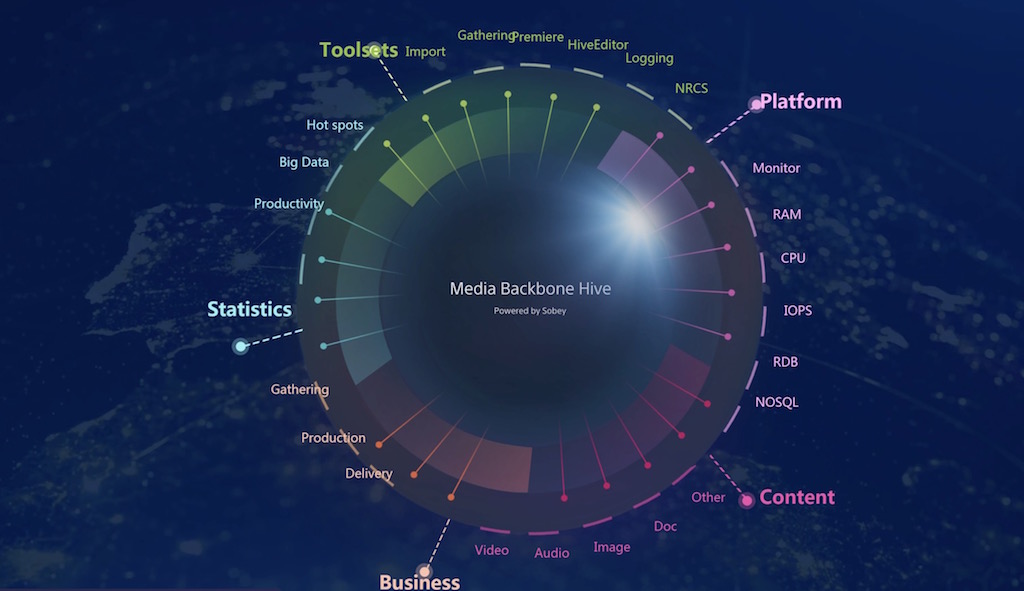
Más allá de ser un proveedor de soluciones de referencia, Sony está apostando fuerte por consolidarse como un socio estratégico a la hora de gestionar flujos de trabajo de forma vanguardista. Su tecnología ha ayudado a casi trescientos broadcasters de todo el mundo a implantar sistemas de producción en red destacando entre ellos Telemadrid (España), SIC (Portugal), RAI (Italia), VRT (Bélgica), Canal+ o TF1 (Francia), FujiTv o NHK (Japón), Tv Globo (México), Televisa (México) o Televisión Nacional en Chile.
En un nuevo entorno IP, la irrupción de Sony Media Backbone Hive como heredero del popular Sonaps promete un antes y un después en la forma en la que productores y broadcasters (tradicionales y nuevos) plantean la forma de producir, gestionar y distribuir sus contenidos.
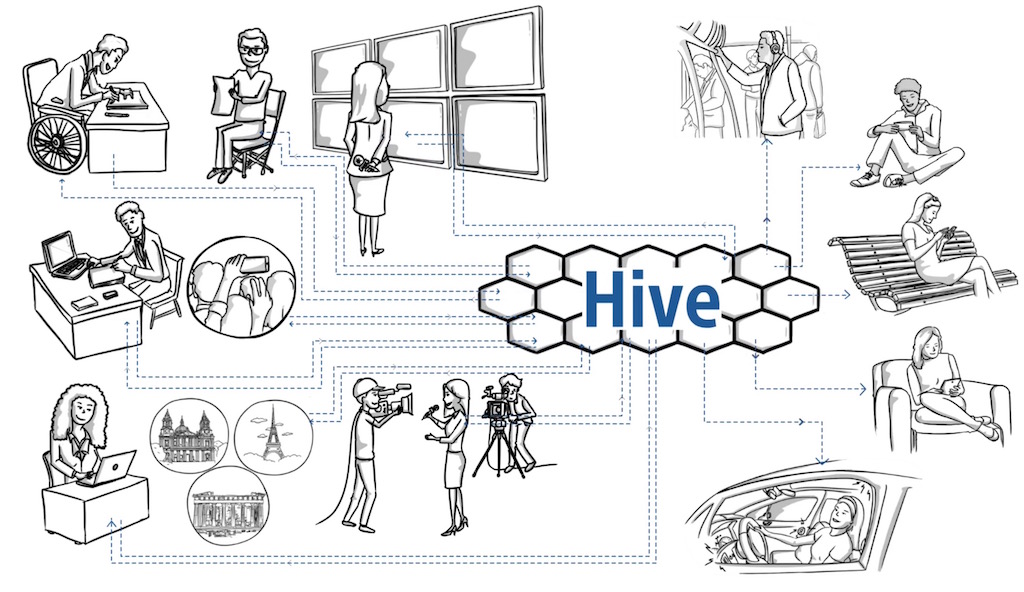 Como subrayan a Panorama Audiovisual dos expertos en Media Solutions en Sony, José Antonio Bolós y Héctor Sierra, el consumo de noticias está cambiando ya que más del 60% de la audiencia de 16 a 24 años consume noticias vía online (en la mayoría de casos en movilidad). Sin embargo, al mismo tiempo, el 90% de la población de más de 55 años continúa considerando al medio televisivo como su principal fuente de noticias. “Esa es la clave, ya que los broadcasters buscan atraer a esa audiencia que están perdiendo sin perder la que a día supone su principal fuente de negocio”, señala Bolós.
Sierra considera que el verdadero reto está en desarrollar el concepto de ‘central kitchen’ o cocina central. “Los broadcasters han atravesado por varias etapas. En una primera que se dio entre 2008 y 2011 primaba el enfoque de media tradicional ocupando Internet un segundo lugar. Entre 2012 y 2014, al medio tradicional se le sumaba como añadido Internet y móvil. Ahora, vivimos un enfoque de gran ‘central kitchen’ en el que toda la información se prepara en una gran cocina central para dar salida a medios tradicionales, Internet y móvil sin jerarquías y en cualquier momento”.
Junto a esta línea, se está desarrollando el periodismo en movilidad por el que Sony está apostando por la tecnología MOJO que permite crear noticias desde campo, con live streaming en tiempo real desde la propia cámara, y un nuevo concepto de producción en vivo sobre IP. Por otro lado, en los últimos meses Sony ha dado pasos de gigante en esta línea de cara a permitir la mezcla de paquetes en un ambiente 100% IP con producción remota y deslocalizada. Es aquí donde jugarán un papel fundamental los data centers aplicados al broadcast ya que permitirán la adaptación flexible de infraestructuras y recursos humanos según las diferentes necesidades de producción en cada momento.
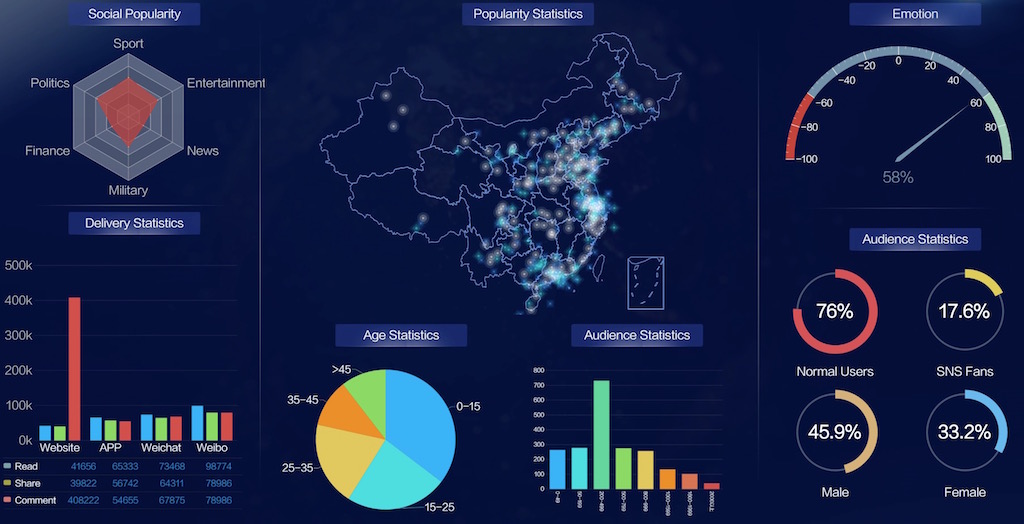 Y es que hoy los espectadores no esperan pacientemente hasta el prime time para ver las noticias más importantes del día en la televisión: para esa hora ya han visto una entrada, blog o vídeo desde sus teléfonos inteligentes. Las noticias se producen en cualquier parte y en cualquier momento, por lo que la verdadera competencia para las cadenas es cualquiera con una cuenta en una de las redes sociales.
Diseñado para este nuevo y trepidante panorama actual de creación de contenidos, el sistema Sony Media Backbone Hive se basa en dos décadas de innovación de Sony en la producción de informativos, cuya solución más popular es Sonaps, con gran popularidad entre las cadenas de todo el mundo. Sony ha escogido ahora lo mejor de Sonaps y lo ha mejorado, aprovechando la resistencia, la flexibilidad y la rentabilidad de las tecnologías de Internet y las últimas tendencias de TI.
Sus ventajas son procesos más rápidos, posibilidades de producción más creativas, además de un cambio positivo desde los anteriores sistemas que requerían una mayor inversión de capital a un modelo operativo orientado hacia los gastos operativos, capaz de reducir considerablemente el coste real de la producción de informativos.
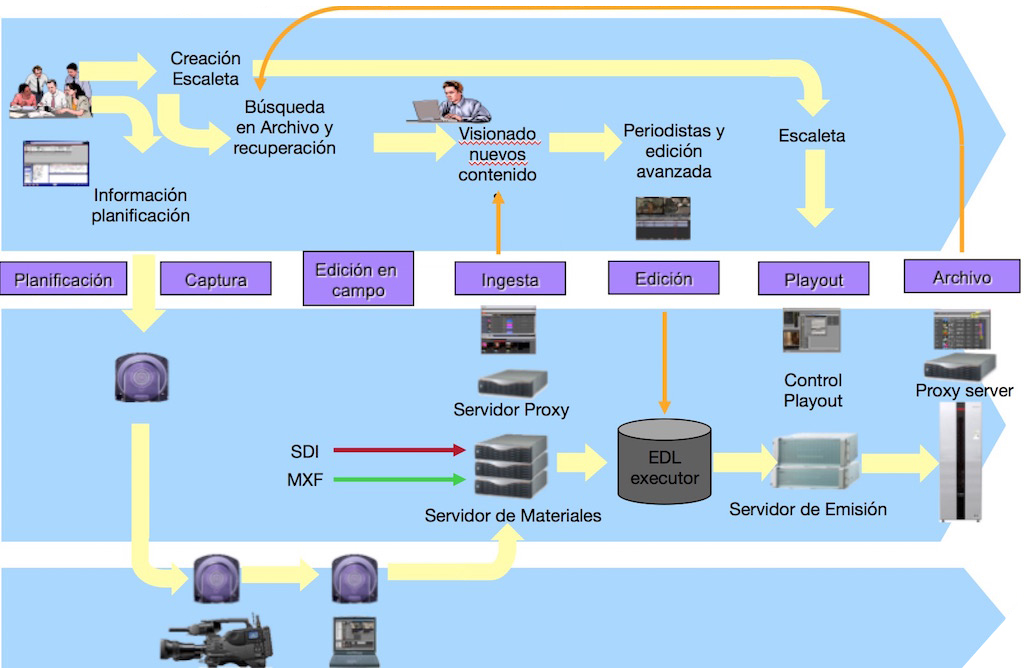
Media Backbone Hive coordina todas las fases de este flujo de trabajo de noticias y proporciona aplicaciones potentes e intuitivas para las funciones de planificación, ingesta, navegación, edición, publicación, reproducción, archivado y gestión.
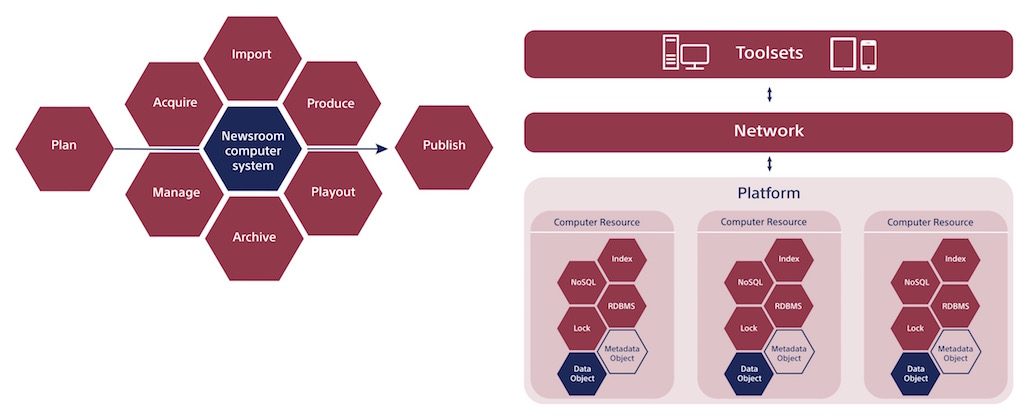
Producción en red con Hive
Como sistema de producción en red para todos los medios, Media Backbone Hive admite la creación de contenidos rápida y eficiente tanto para Internet como para aplicaciones móviles, redes sociales y emisión. Y lo que es igual de importante, proporciona una integración fluida con las principales plataformas gráficas y de sistemas informáticos para redacción del mercado para garantizar que los periodistas y operadores pueden seguir trabajando con las herramientas con las que están familiarizados. Además, mientras que Sonaps estaba centrado en métodos convencionales de trabajo ENG basados en cámaras, Hive tiene en cuenta la posibilidad de que la noticia se grabe y se vea en un teléfono móvil o una tableta.
Media Backbone Hive es el último sistema de producción en red para todos los medios de Sony con una plataforma escalable avanzada basada en la tecnología Hyper Convergent Nodes. El sistema de producción de deportes y noticias proporciona una gestión integral del flujo de trabajo y de los contenidos de cámara a archivo, con una serie de ventajas para el cliente en cuanto a velocidad, facilidad de integración y flexibilidad sin precedentes.
El heredero del popular Sonaps, Sony se basa en ahora en pequeños nodos que incluyen una parte de base de datos, computación… de esta forma es posible añadir o restar nodos en función del dimensionamiento del medio, de las necesidades informativas o del crecimiento orgánico.
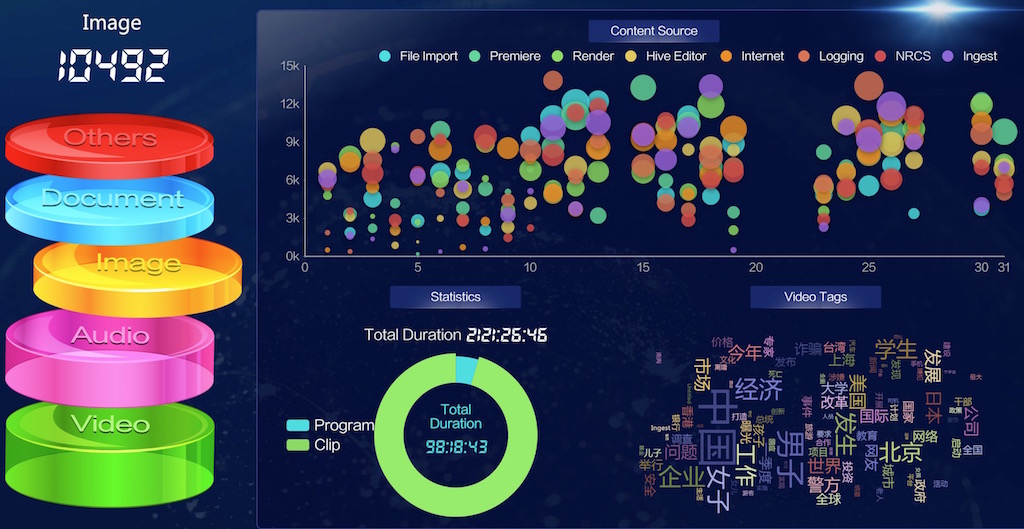 De esta forma, la capacidad, el ancho de banda y la potencia de procesamiento para todo el sistema pueden ajustarse añadiendo o quitando nodos en cualquier momento. Los usuarios podrán disfrutar de un rendimiento excepcional, con ampliaciones y actualizaciones de software sin costosas interrupciones en el sistema. Y puesto que los recursos pueden ampliar o reducirse rápidamente para satisfacer las cambiantes necesidades y presupuestos, esto hace posible contar con un enfoque dinámico de pago por uso realmente rentable para la prestación de servicios.
Las infraestructuras en broadcast se basaban hasta la fecha en un hardware dedicado para almacenamiento, base de datos, recursos de computación… “Crecer en esa estructura era muy difícil. Sin embargo ahora, con Hive y una serie de aplicativos que funcionan contra un hardware IT estándar es posible adaptar la estructura según sea necesario”, destaca Sierra.
“La estructura hardware estándar IT permite que Media Backbone Hive se conciba bajo un esquema pay-as-you-go en nube en un data center. Por lo tanto, parte de un planteamiento más OPEX que CAPEX”, señala Bolós.
Al tratarse de una propuesta escalable, nativa en nube y flexible, Hive permite acortar el tiempo de lanzamiento de nuevos servicios al tiempo que se gana en eficacia y creatividad a la hora de llegar a nuevas audiencias.
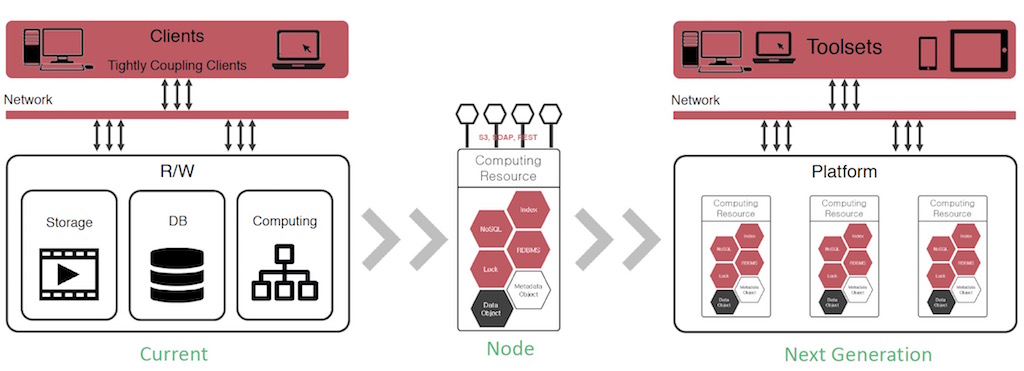
Hyper Convergent Node
Media Backbone Hive ha sido diseñado desde cero por Sony como un sistema de producción broadcast basado en tecnologías de centros de datos de alta gama. Además, ha reinventando la producción de informativos en torno a un ágil modelo de centro de datos basado en la nube y tecnologías de código abierto aprovechando las infraestructuras informáticas de última generación que permiten ampliar o reducir capacidades rápidamente a medida que cambian las necesidades.
Este enfoque descentralizado de TI optimiza drásticamente los flujos de trabajo y las estrategias de gestión de contenidos de las cadenas. También posibilita que los activos multimedia no estén archivados en costosos espacios de almacenamiento in situ, sino que estén disponibles de inmediato para cualquier usuario, tanto si está fuera como dentro de las instalaciones. Asimismo, si hay una gran historia, como unas elecciones o un desastre natural, resulta más fácil añadir más capacidades sobre la marcha, sin necesidad de detener el sistema.
En el núcleo de Media Backbone Hive se encuentra nuestra tecnología Hyper Convergent Node de próxima generación. Al sustituir los antiguos “silos” independientes para los recursos de almacenamiento, de procesamiento y de la base de datos, cada uno de los nodos agrupa varias aplicaciones en un único elemento muy escalable capaz de responder a los nuevos retos en producción ágil de noticias.
Principales características de Hive
- Flujo de trabajo de producción optimizado de cámara a archivo
- Solución totalmente integrada para un proceso eficiente desde la planificación a la publicación
- Ofrece flujos de trabajo en Internet y dispositivos móviles que se adaptan a las tendencias digitales
- Conjunto de herramientas reconocidas para periodistas y usuarios
- Sistema dinámico de pago por uso escalable y funcional
- Capacidad de ampliación o reducción para ajustarse a los requisitos empresariales
- Solución adaptable y abierta con posibilidad de ampliarse a nuevas áreas de producción

La experiencia de Sony en Telemadrid
Sony cuenta con una larga experiencia en la implantación de sistemas de producción en red. Una de las instalaciones de referencia a nivel mundial que han basado en Sonaps su producción de informativos es el broadcaster público madrileño Telemadrid. La multinacional japonesa mantiene una larga relación con Telemadrid desde que a finales de los 90 instalara su primer servidor de producción y su primer sistema de redacción digital con una configuración personalizada.
Con el soporte de tecnología y servicio de Sony, Telemadrid ha creado un flujo de trabajo optimizado y probado utilizando NewsBase, e incorporado paulatinamente nuevas tecnologías como la producción de archivos XDCAM, difusión en HD, distribución multiplataforma y un rico sistema de archivo de metadatos.
Telemadrid fue el primer canal regional en adoptar un entorno de trabajo en red. Tras haber utilizado el sistema NewsBase de Sony, de forma ininterrumpida durante 15 años, la autonómica madrileña licitó a finales de 2014 a Sony la implantación de su solución Sonaps.
La innovadora capacidad para gestionar metadatos de Sonaps, administrar contenido creativo de forma rápida y su interfaz abierta fueron algunos de los aspectos que el canal valoró de cara a mejorar drásticamente la velocidad, calidad y creatividad en los contenidos audiovisuales, reduciendo, a su vez, los costes de explotación.
Además, como todo el sistema se diseñó con software de estándar abierto y utilizando hardware estandarizado, permitió continuar empleando sistemas de terceros ya existentes evitando los riesgos asociados a los proyectos de infraestructura tradicional. La implantación de Sonaps supuso la puesta en marcha de un auténtico sistema digital de producción en red con una gestión global de todos lo procesos y un flujo de trabajo optimizado.
Integrado con XDCAM, Sonaps ha permitido a Telemadrid lograr la máxima rapidez y eficiencia desde la ingesta a la emisión. Al tratarse de un sistema abierto, Sonaps está totalmente integrado con sistemas de NRC (via MOS) y archivo (vía “carpeta caliente”) trabajando mano a mano con soluciones de ENPS, Harris, Tedial o Avid (iNews y Orad). En este último caso, por ejemplo, Sonaps permite la integración de Orad en la propia línea de gráficos por lo que el usuario solo tiene que seleccionar el template, arrastrarlo al timeline y editarlo. Posteriormente, decidirá si quiere incluir el gráfico en la propia pieza o generar una copia paralela “sin quemar” para utilizarla en otras ocasiones.
Durante estas casi dos décadas de estrecha colaboración con Sony, Telemadrid se ha enfrentado con éxito a dos grandes retos: la migración de SD a HD (HD 4:2:0, 1080i/59.94i, 50i, HDV y HD 4:2:2 50Mbps) y la gestión y control con precisión de una cada día mayor cantidad de metadatos. Una de las grandes ventajas del uso de Sonaps en Telemadrid es precisamente el uso intensivo de metadatos desde captura hasta el archivo
Gracias a la tecnología de Sony, Telemadrid ha logrado una gestión global de todos los procesos (end to end) en un entorno totalmente gestionado en cuanto a planificación, ingesta, producción, emisión y distribución con integración con sistemas de redacción y archivo de terceros y conexión remota entre sistemas.




Did you like this article?
Subscribe to our NEWSLETTER and you won't miss anything.
Related articles
 Quicklink to showcase next-generation AI-ready 8K video production platform at IBC 2023
 TV2000 selects Sony's next-generation IP technology for multimedia production
 Pyramid: Dalet's next-generation solution for unified news production
 Telefónica Servicios Audiovisuales implements Sony's Mediabackbone Hive production system in Telemadrid
 This is the new generation of 4K live cameras from Sony
 Vatican News will optimize multiplatform content production with Sony Media Backbone Hive
 New CNN affiliate in Albania implements state-of-the-art news production system with Avid
 SRG SSR adopts Sony's Hive third-generation news production platform
 China's CCTV paves the way for global news distribution with Sony's Hive
 Sony will incorporate Full Frame sensor and support for anamorphic in the new generation CineAlta
 Sony presenta Media Backbone Hive, su nuevo sistema de producción en red sucesor de Sonaps
 Estructure shows at NAB the new generation of Kosmos, its powerful comprehensive news production system
 Sony and Panasonic close an agreement for the development of a new generation of optical discs
 Sony promotes the new generation of 4K digital cinema in Europe