





Blockchain: una gran oportunidad para creadores, medios y empresas
Crea Cultura, el movimiento de Atresmedia para defender y valorar la Propiedad Intelectual, celebra en Madrid su IX Foro bajo el título ‘¿Será “blockchain” la salvación de los creadores?’
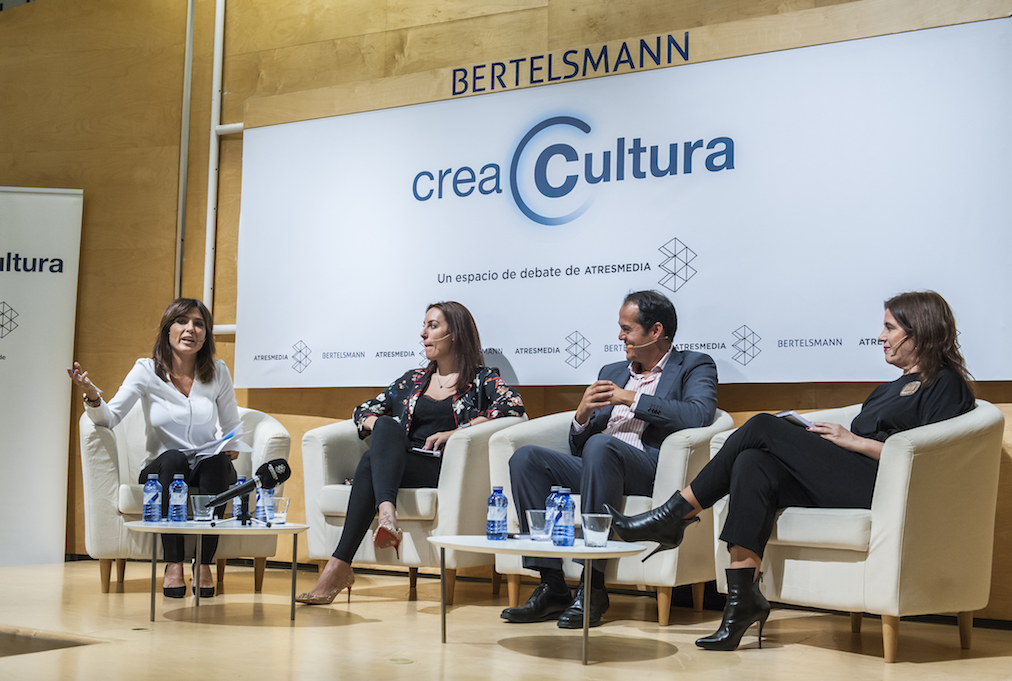
En colaboración con Bertelsmann, Atresmedia ha organizado una nueva edición de su foro Crea Cultura en el que se ha analizado la tecnología blockchain y lo que esta denominada cuarta revolución industrial aportará a la cultura y los medios de comunicación.
En el debate, moderado por la periodista Helena Resano, presentadora de LaSexta Noticias, han participado la cofundadora del Observatorio Blockchain y corresponsal de CriptoNoticias, Covadonga Fernández; la abogada especializada en propiedad intelectual y tecnologías de la información, Cristina Carrascosa; y el Fundador Blockchain España y coautor del libro “Blockchain, la revolución industrial de internet”, Álex Preukschat.
Helena Resano ha pedido a los intervinientes una definición de lo que significa el concepto de ‘blockchain’. Alex Preukschat ha reconocido que es “una pregunta muy difícil, quizá la más difícil; la tecnología blockchain está en un estado prealfa, pero podemos apuntar que en los últimos 20 años hemos visto que la descentralización de los paquetes de información puede trasladarse a todos los sectores y crear nuevos modelos de negocio que a día de hoy no podemos ni imaginar”.
A este respecto, Cristina Carrascosa ha añadido que “bitcoin tuvo mucho intentos de hablar de la descentralización, es la fase inicial del negocio, ahora el negocio va por otras partes”.
Covadonga Fernández ha destacado del ‘blockchain’ las “cualidades de seguridad y transparencia en cualquier tipo de transacción y en medios de comunicación puede evitar todo tipo de noticias falsas porque se puede ver el origen de la noticia falsa. Es una herramienta que proporciona bastante seguridad, pero aún no absoluta, se está trabajando en ello y creemos que en unos años será mucho más seguro, es algo en lo que están trabajando las grandes corporaciones”. “Podrá mejorar e incluso premiar los buenos contenidos periodísticos y los anunciantes podrán decidir dónde poner su publicidad”, ha añadido en este sentido posteriormente en el turno de preguntas.
Preukschat ha apuntado que este sistema permitirá “romper barreras de intermediarios” y, en lo que respecta a los creadores de contenido “va a abrir un mundo de oportunidades de poder monetizar sus creaciones. Para los grandes grupos de comunicación ofrece un gran reto: tras una primera ola de internet, esto es una segunda ola, un nuevo tsunami para adaptarse”.
“El valor fundamental de blockchain es que devuelve a los autores el control sobre la difusión de su obra; como la copia se puede reproducir hasta el infinito no tiene ningún valor y esto le devuelve el control del derecho de la copia y el control del derecho de autor”, ha subrayado Covadonga Fernández.
Para entender mejor este sistema, Fernández ha destacado el ejemplo real de Flixxo, una compañía que “quiere competir con Youtube descentralizando la plataforma, lo que hace es que a cambio de que los usuarios le cedan el almacenamiento de su dispositivo, son remunerados”.
“Todos los modelos de negocio están en fase prealfa, están intentando inventar, Mediachain, de Spotify, es un ejemplo muy bonito”, ha añadido el Fundador Blockchain España.
“Se están desarrollando sistemas inteligentes que eliminan intermediarios y, por ejemplo, más que seguir la copia ilícita, podrá rastrear dónde se está gestionando ese contenido, Mediachain crea ese protocolo para rastrear la música”, ha añadido Álex Preukschat.
Carrascosa ha añadido que “también se está aplicando a la fotografía, por ejemplo a través de mecanismos para avisar al autor de que alguien está utilizando su fotografía”.
“Todas las empresas están intentando implantar la tecnología a sus negocios. La tecnología llega, tenemos el caso de Uber La dificultad de esta tecnología es que es muy complejo”, ha apuntado Fernández quien, a la pregunta de ¿cómo va a afectar a los usuarios?, ha vaticinado que “creo que, por primera vez, los usuarios van a poder ser remunerados por ver contenidos y publicidad. También es una forma de consumir publicidad de una manera mucho más racional y lógica. Ahora hay infinita comunicación e información, y lo que hace falta es atención, falta atención y Blockchain permite pagar esa atención”.
“Estamos en una fase similar a como surgió Internet, en el 92, especulando cómo va a ser dentro de 20 años, los modelos económicos se están definiendo. Hay mucho dinero de gente fluyendo y apostando por ello, pero no significa que sepamos exactamente dónde va, que se convierta por ejemplo en un Second Life o quizá definitivamente se cree un modelo descentralizado. Nadie imaginaba hace 20 años que en esa era que surgía de internet íbamos a utilizar Twitter de esta forma que se usa hoy”, ha manifestado Preukschat.
Insistiendo en el papel de los medios y, concretamente, en la figura del periodista ‘freelance’, Carrascosa ha añadido al respecto que “una herramienta muy útil son los sistemas de reputación, normalmente se basan en criterios objetivos”. En este sentido, ha dicho “yo, por ejemplo, en twitter sigo a un montón de medios y sigo a un fotógrafo freelance que cubre la guerra de Siria y para saber lo que pasa en Siria sigo su perfil, pero también sigo viendo el de los medios; ni vamos a pasar a ver la información todo por estas plataformas, ni vamos a dejar los medios tradicionales”, ha augurado.
“Blockchain es como cooperativa inmensa que habrá una red de corresponsales por todo el mundo. Los periódicos te ordenan la actualidad, te organizan la agenda, no sé cómo lo van a resolver estas plataformas”, ha añadido Covadonga Fernández.
 ¿Una amenaza?
¿Y cómo juegan los grandes esta revolución? “Si la base de tu negocio es extraer las ganancias a través de los datos de los usuarios, como hacen Google o Facebook, la tecnología blockchain te parte por la mitad este modelo porque devuelve al usuario el control sobre sus datos”, ha apuntado Carrascosa. “En Google debe de haber un señor pensando cómo arreglar el movimiento cultural que está generando blockchain”, ha añadido la abogada especializada en propiedad intelectual y tecnologías de la información, Cristina Carrascosa.
Por su parte, Covadonga Fernández ha subrayado en este sentido: “El planteamiento de blockchain es romper el pastel a los grandes de internet y que los contenidos que se vean se remuneren”
E igualmente afecta a la publicidad en medios, ya que según han apuntado las expertas, “se está rompiendo el modelo tradicional de internet porque el pastel ahora mismo se lo está llevando uno solo”.
Preguntados por un posible mal uso de este sistema, Carrascosa ha dicho que ”hay gente que tiene mucho conocimiento de esta tecnología y mentes perversas hay en todos los sitios, creo que es un porcentaje ínfimo quien pueda manejar esto”.
España, ante una gran oportunidad
Sobre el planteamiento global que se está produciendo hacia esta tecnología, Alex Preukschat ha comentado que “hay países que abrazan la innovación y lo ven como una oportunidad, una prosperidad y una vía de generar empleo como Japón, Dubai o Singapur y otros como una amenaza. España está en un punto intermedio. Lo que queremos ver desde España es que abracemos la innovación y podamos generar y experimentar en el país modelos de negocio, que podamos participar en esa transformación.
“Tenemos que intentar sobre todo entender la tecnología, juguemos y experimentemos con ella y luego hagamos modelos de negocio. Tenemos que entender primero cómo funcionan estos ecosistemas, quizá no vendamos aplicaciones, pero tendremos grandes ingenieros. Es lo que están aplicando los japoneses, esta vez vamos a estar. Y los de Emiratos están pensando en lo mismo”, ha asegurado.
Carrascosa ha añadido sobre este punto: “si esto lo hubiésemos hecho en los 90 podríamos haber afrontado otros modelos de negocio y no tendríamos que haberlos importado de otros países. ¿Cuándo lo podremos aplicar?, ¿cuándo veremos los primeros caos de uso? Quizá en dos años ya lo veamos”. “Soy partidaria de cambiar la mentalidad, de no cerrarse ni tener miedo”, ha dicho, para añadir que “la Policía y el Ejército ya se están poniendo las pilas en esto”.
Preukschat ha remarcado que “es una oportunidad para España de posicionarse. Dejémonos del complejo de si lo harán los americanos, es una oportunidad presente. Tenemos este talento y este capital. Los de Singapur no tienen miedo, unámonos a esa mentalidad”.
Did you like this article?
Subscribe to our NEWSLETTER and you won't miss anything.
Related articles
 La banda 6GHz es la “única oportunidad” para el desarrollo del nuevo 6G en Europa
 El nuevo CyberSecurity Summit de ISE 2026 convertirá la ciberseguridad en oportunidad para el sector audiovisual
 Creando para los creadores de contenido: un mercado audiovisual por explotar
 EITB será la anfitriona de Input 2025, evento global para creadores de medios de comunicación
 LG Ultrafine OLED Pro: monitores con negro puro para creadores de contenidos
 Zero Density Academy: una nueva plataforma online para creadores gráficos
 Canon España lanza Content Creators Hub, un microsite para creadores de contenido
 Así es SanDisk Professional, la nueva gama de Western Digital para creadores de contenidos
 Sennheiser detalla sus kits móviles para creadores de contenidos
 26 empresas españolas acuden, con respaldo de AMETIC, a la gran cita del sector en IBC 2019
 Samsung lanza en CES 216 el SSD portátil T3 pensado para creadores de contenidos y profesionales
 Tribo Tv arranca sus emisiones regulares con gran impacto en medios sociales
 Gran despliegue técnico de TVE, con medios de última generación, en los Mundiales de Natación
 DVB-T2 Lite: una nueva ventana de oportunidad para los servicios en movilidad