





Riedel launches “standalone” version of Bolero and a new SmartPanel
En NAB 2018, Riedel está presentando la aplicación independiente de Bolero, una mejora mediante licencia que proporcionará mejoras de rendimiento, junto con capacidades independientes.
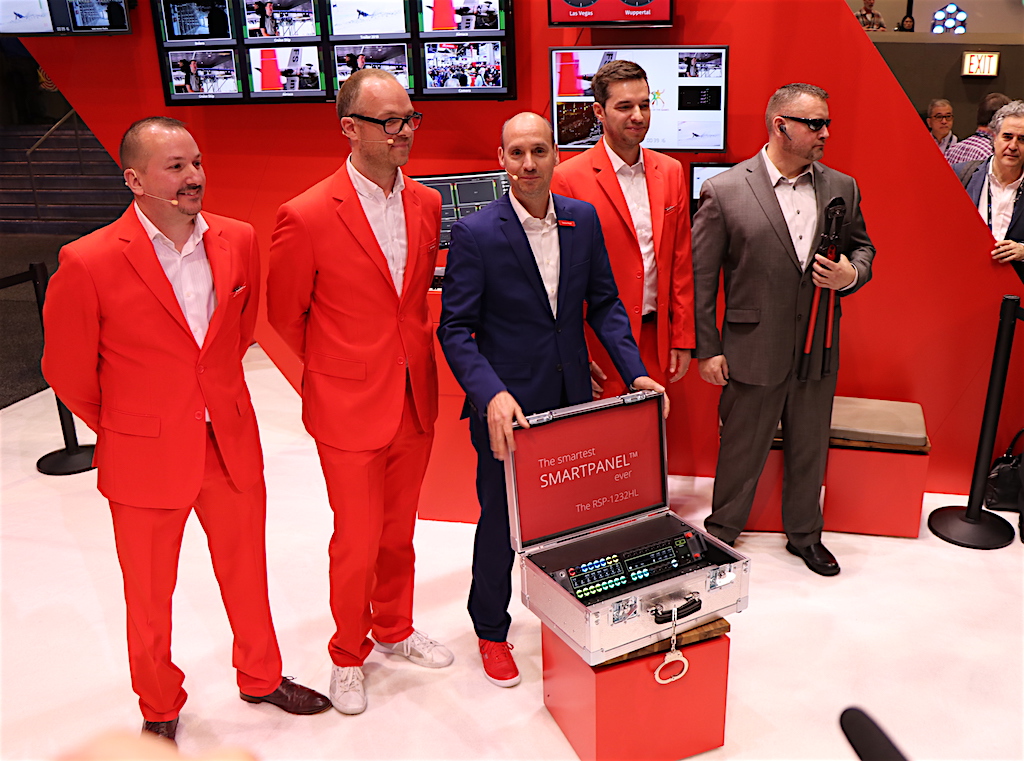
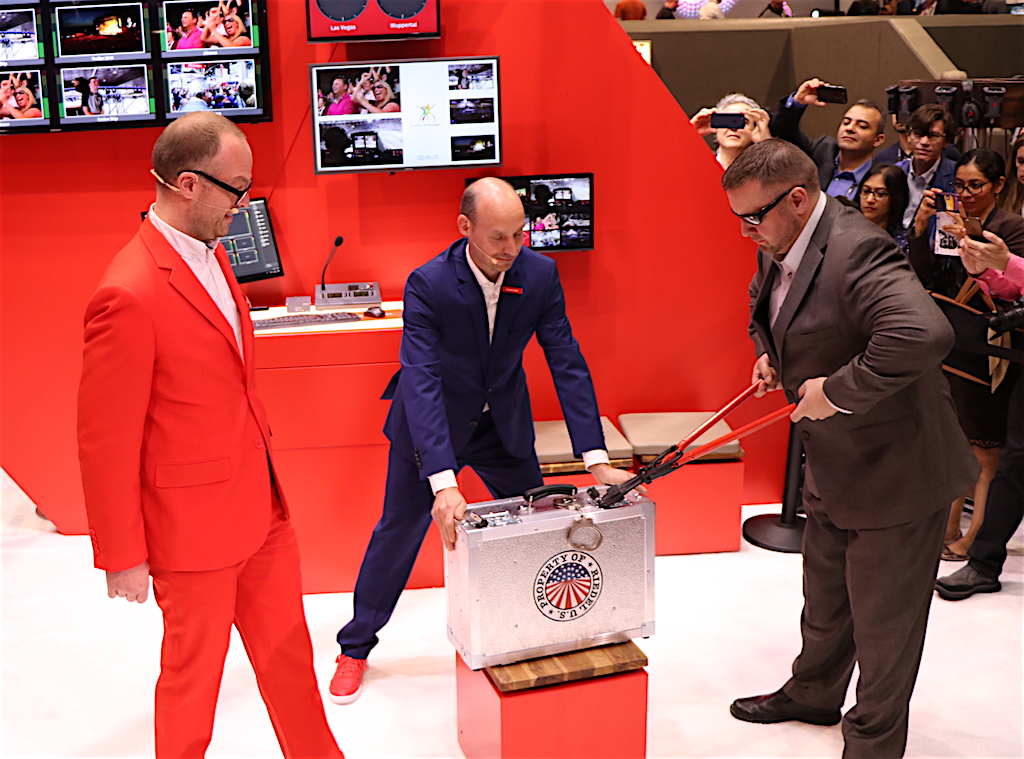
Rodeado de gran misterio y como ya suele ser habitual en las presentaciones de Riedel en las grandes ferias, el CEO de la compañía, Thomas Riedel, ha desvelado con una parafernalia al más puro estilo de agente secreto un nuevo SmartPanel de la serie 1200.
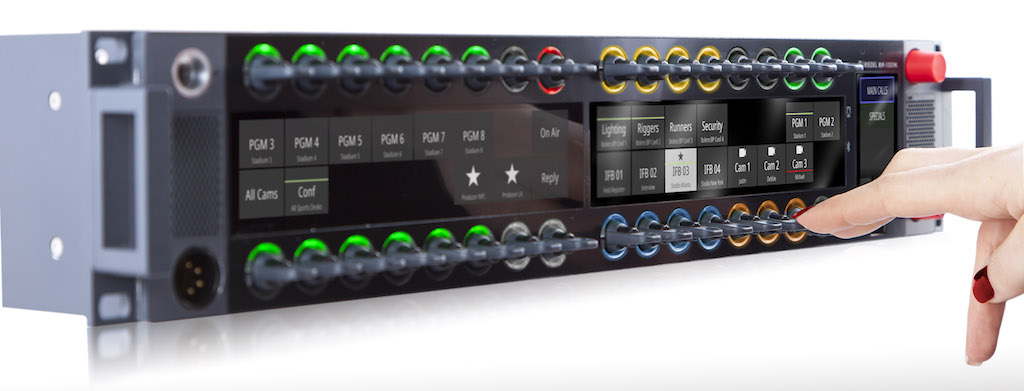
 El nuevo panel RSP-1232HL supone un salto cualitativo en la flexibilidad, la potencia y la conectividad de los flujo de trabajo. Este nuevo panel, que presenta múltiples pantallas multitouch a pleno color, 32 teclas palanca híbridas innovadoras, la capacidad de aprovechar aplicaciones para su funcionalidad y la capacidad de adaptarse fácilmente a los diversos flujos de trabajo que se utilizan hoy en día, este nuevo panel se encuentra en una posición de permitir a los usuarios trabajar como siempre lo han hecho, al mismo tiempo que abre para ellos posibilidades completamente nuevas.
El esfuerzo de investigación y desarrollo de dos años que se encuentra detrás del panel RSP-1232HL ha contado con aportaciones de muchos usuarios y profesionales del sector. Se han evaluado todos los aspectos de la tecnología de paneles existentes, desde el espaciado de los componentes, hasta su aspecto y tacto.
El resultado es una interfaz de usuario de 32 teclas en la que cada tecla palanca tiene un codificador rotativo integrado que proporciona control de parámetros en el mismo lugar que la tecla. Las palancas se han diseñado cuidadosamente para tener la forma, el peso, el confort, la respuesta y las calidades antifatiga perfectas para redefinir con eficacia la forma en la que debe sentirse un panel de un intercomunicador.
 El RSP-1232HL se ha diseñado para apoyar diversos flujos de trabajo. Algunos usuarios de intercomunicadores prefieren flujos de trabajo de tipo “Talk & Listen”, en los que el usuario elige qué escuchar desde un panel inicialmente en silencio. Otros flujos de trabajo prefieren un flujo de trabajo “Talk & Mute”, en el que los usuarios comienzan con un panel que retransmite todo y los usuarios eligen de forma selectiva qué señales desactivar. Los usuarios deciden qué modo prefieren en cada panel.
Inventar un panel desde cero también permite tener nuevas características que ayudan en gran medida a hacer que el panel sea más fácil de entender para los usuarios. El nuevo concepto de grupos lógicos de Riedel permite a los usuarios elegir colores personalizados para las etiquetas de las teclas o los anillos LED situados alrededor de cada tecla. La etiqueta de cada tecla tiene una etiqueta principal de ocho caracteres, una subetiqueta de 16 caracteres y etiquetas con iconos definidos por el usuario. Junto con ello, se encuentra un mecanismo de señalización mediante iconos para indicar al usuario en qué estado se encuentra cada tecla en cualquier momento. Open Mic, Muted Key, Incoming Beep, o Port Busy son fáciles de leer y comprensibles de un vistazo. Los usuarios pueden obtener cuanta información sea necesaria sobre cualquier tecla determinada.
La conectividad siempre es un aspecto importante para Riedel y era importante que el nuevo panel aprovechara tanto la conectividad digital AES3 que la empresa ha utilizado siempre, junto con la conectividad SMPTE 2110-30 (AES67) que ha adoptado en los últimos años. Las conexiones AES67 son dos SFP de fibra y dos conexiones RJ45 que crean diversas opciones de encadenamiento y redundancia para obtener una flexibilidad de cableado extraordinaria.
Otras características incluyen altavoces estéreo con precisión de fase, silenciado de micrófono del panel frontal y ajustes de tonos, USB delantero/trasero, conectividad por Bluetooth y NFC (como en la gama inalámbrica Bolero de Riedel), puertos GPIO y de cuatro hilos y un sensor de luz para la autocalibración del brillo de la pantalla en entornos en los que cambia la luz.
Bolero, ahora “standalone”
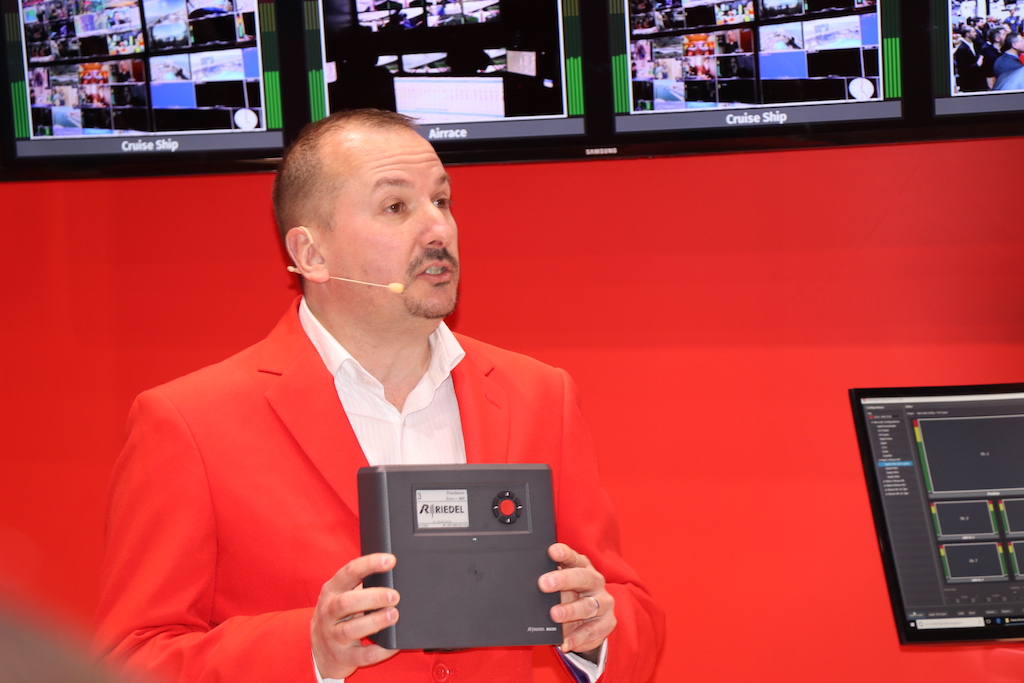
Con la versión “standalone” de Bolero, las antenas se conectan en cadena entre sí en una línea o en un anillo redundante a través de una red TDM sincronizada de baja latencia. La solución es realmente de tipo plug-and-play, sin que sea necesaria una configuración IP.
Una nueva alimentación externa puede alimentar hasta cinco antenas, así que se consiguen con facilidad redundancias de alimentación y datos.
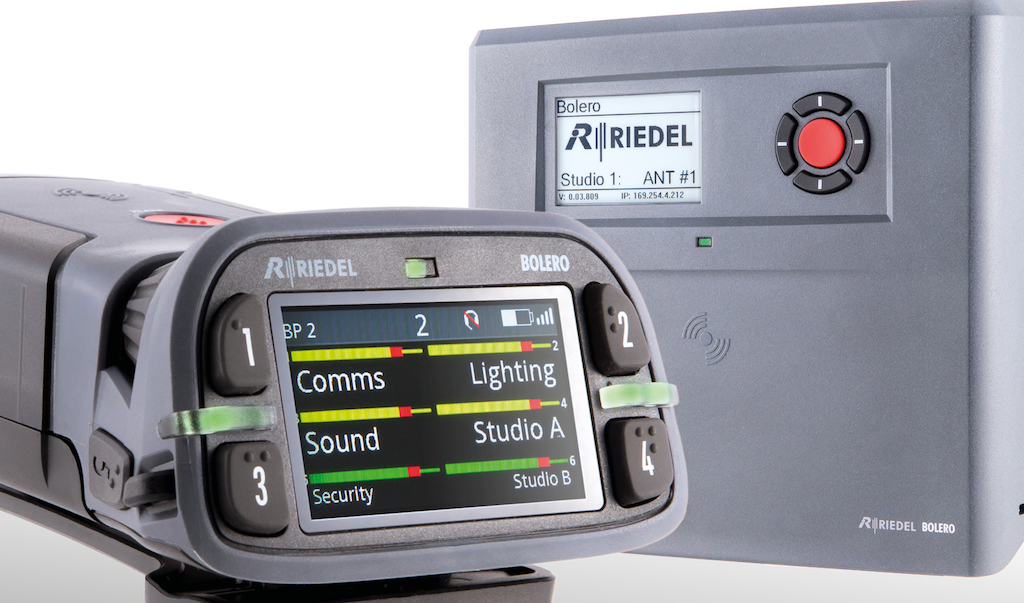 Una caja de interfaz externa de anchura media de un único RU, con seis circuitos analógicos de cuatro hilos y tres GPIO, puede conectarse directamente a cualquier antena y después parchearse en un sistema de intercomunicación existente. El sistema se configura fácilmente a través de una GUI web interna de las antenas.
Otras nuevas capacidades proporcionadas por la actualización del sistema de intercom Bolero, que cumple ahora un año, incluyen programación rotativa individual, soporte de auriculares por Bluetooth y una nueva característica QuickMute incorporada en el cinturón que permite a los usuarios fijar fácilmente el volumen de todos los canales en cero.
Wolfgang Fritz, senior product manager de Riedel Communications, ha destacado que “la versión independiente de Bolero es una solución de intercomunicación inalámbrica perfecta para empresas de alquiler, clientes con necesidades menores en las que las necesidades de intercomunicación pueden cubrirse exclusivamente gracias a la flexibilidad de Bolero y clientes que ya han invertido en otras soluciones de intercomunicación. Con una calidad de sonido superior, un rendimiento de RF sobresaliente y una interfaz sencilla, muchos más usuarios podrán disfrutar ahora las ventajas de Bolero”.
Access to the NAB 2018 SPECIAL in Panorama
Did you like this article?
Subscribe to our NEWSLETTER and you won't miss anything.
Related articles
 StageLink, Virtual SmartPanel y el nuevo DSP-1216HL, grandes atractivos del showcase de Riedel en NAB 2025
 SAME and Virtual SmartPanel, two of Riedel's innovative proposals in audio over IP
 Erebus Motorsport launches Riedel Bolero communications supplied by D2N
 Riedel's Bolero intercom receives the Engineering Emmy Award
 Five years after the launch of Bolero, Riedel surprises with a 2.4 GHz version
 The Comédie-Française opts for Riedel's Bolero intercom system
 Riedel Artist, Bolero and SmartPanel arrive at Crealine productions
Riedel's Artist, Bolero and SmartPanel come to Crealine productions
Riedel Artist, Bolero and SmartPanel arrive at Crealine productions
Riedel's Artist, Bolero and SmartPanel come to Crealine productions
 Riedel designs the SmartPanel RSP-1216H, a new model of its smart panels
 Atresplayer launches new design, 4K content and an international version
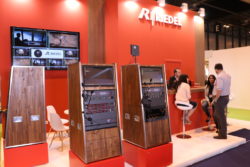 Riedel gives a twist to intercommunication with Bolero, now in its standalone version
 The new standalone version of Bolero, the RSP-1232HL smartpanel and BrIPge, a bridge to the IP world… Riedel stars at NAB
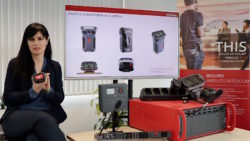 Riedel Bolero, a before and after in intercommunication
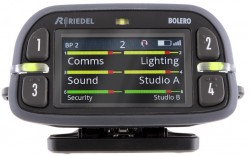 Riedel takes a giant step in intercommunication with the launch of Bolero