





Vodafone starts the deployment of pre-commercial 5G in Madrid, Barcelona, Seville, Malaga, Bilbao and Valencia
Tras la subasta de espectro, Vodafone cuenta con el mayor volumen de frecuencias para ofrecer los nuevos servicios 5G (90 MHz en la banda de 3.700 MHz –TDD- y 20 MHz de la banda de 2.600 M MHz –TDD-).
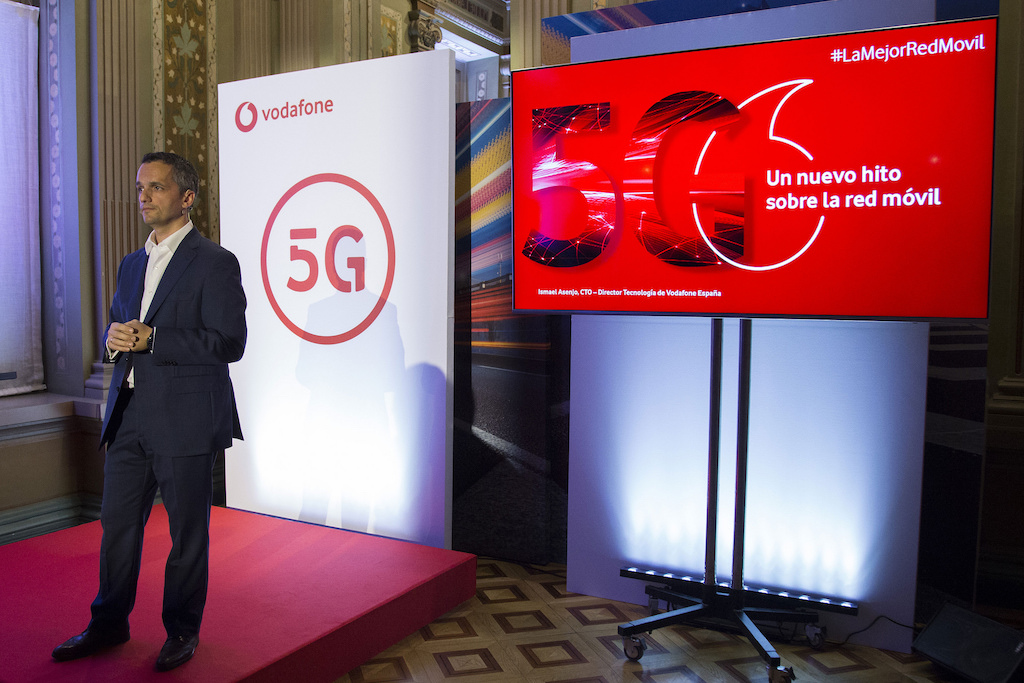
Tras la adjudicación de las nuevas frecuencias, Vodafone Spain ha comenzado el despliegue precomercial de los primeros nodos de su red 5G NSA en zonas céntricas de Madrid, Barcelona, Sevilla, Valencia, Bilbao y Málaga.
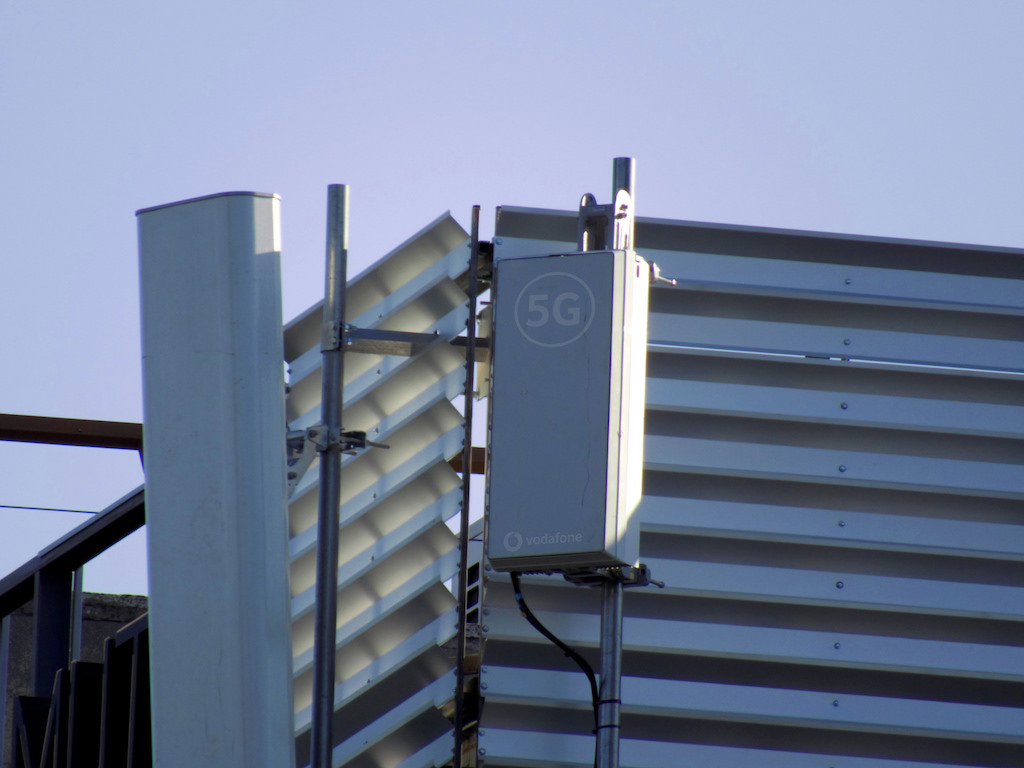
Vodafone ha desplegado, en colaboración con Huawei, more than 30 antenas 5G en las distintas ciudades. Se ha dotado de cobertura 5G a zonas céntricas, parques tecnológicos o zonas universitarias donde se realizarán los primeros pilotos de la nueva tecnología. Este despliegue se ha realizado utilizando la banda de 3,7Ghz.
La tecnología de quinta generación permite la descarga de datos desde la red con velocidades de hasta 2,2Gbps, así como aumentar la capacidad de la red. Además, con 5G se reduce la latencia alcanzando velocidades de respuesta inferiores a 5 milisegundos. La menor latencia resulta clave en aplicaciones en tiempo real como coches autónomos, realidad virtual, telemedicina, vídeo Ultra HD ó 8K, gaming, etc.
En febrero de 2017 presentó la primera red comercial de NB-IoT del mercado español con más de 1.000 estaciones de red actualizadas con esta tecnología. Cada estación base puede conectar más de 100.000 dispositivos en entornos IoT.
Además, en junio de 2017, presentó comercialmente 4,5G, que combinaba funcionalidades avanzadas de 4G y Massive MIMO, uno de los motores de 5G. Con 4,5G se conseguía reducir la latencia en 5 veces y se quintuplicaba la capacidad de la red.
El pasado mes de febrero, Vodafone y Huawei completaron la primera llamada 5G en el mundo, realizada desde Castelldefels (Barcelona) a Madrid, utilizando las especificaciones del estándar comercial NSA (Non
Stand Alone) aprobado por 3GPP y la banda de espectro de 3,7 GHz, especificaciones y espectro que se utilizan ahora en el despliegue pre-comercial.
En marzo de este año, gracias a la tecnología MEC (Multi-access Edge Computing) y a la infraestructura virtualizada, Vodafone consiguió reducir a menos de la mitad el retardo en aplicaciones relacionadas con la realidad virtual, un adelanto especialmente importante para sectores como telemedicina, educación, turismo, industria y entretenimiento.
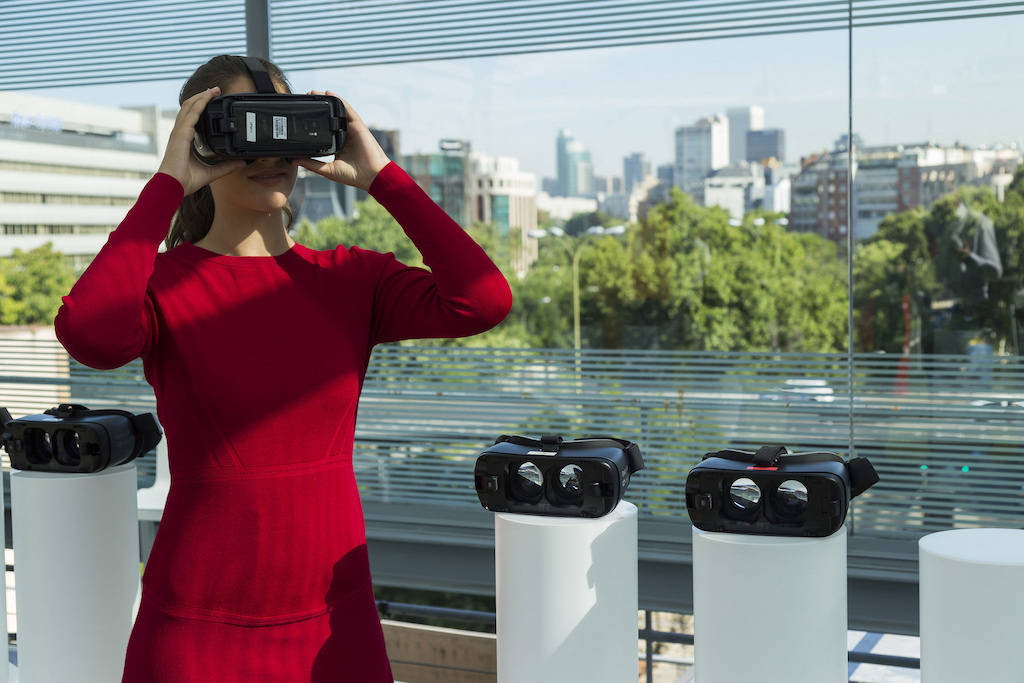
Realidad virtual en directo con 5G
Vodafone ha mostrado hoy, por primera vez, en un entorno de red real 5G NSA, las posibilidades de la nueva tecnología en aplicaciones de realidad virtual, mejorando la experiencia gracias a la menor latencia y a la mayor velocidad de descarga.
Los ciudadanos podrán probar las nuevas velocidades de 5G gracias a varios routers WiFi que estarán disponibles en distintos puntos de Madrid, Barcelona, Sevilla, Bilbao y Valencia durante los próximos meses.
La red 5G de Vodafone posibilitará nuevos servicios multimedia y aplicaciones que requieren conexiones ultrarrápidas. También facilitará el desarrollo de las smartcities y nuevos servicios empresariales y de administraciones públicas en áreas como automoción, sanidad…
Espectro disponible
Tras la subasta de licencias convocada por el Ministerio de Economía y Empresa, Vodafone cuenta con 90 MHz de espectro contiguo en la banda de 3,7 GHz, a los que se añaden los 20 MHz TDD disponibles en la banda de 2,6 GHz. Todo ello convierte a Vodafone en el operador que tiene más espectro para ofrecer los nuevos servicios 5G.
Ismael Asenjo, CTO de Vodafone España, ha manifestado que “el hecho de que tengamos 90 MHz contiguos y en condiciones inmediatamente utilizables nos coloca en la mejor situación para ofrecer las nuevas funcionalidades 5G y acercar sus aplicaciones a todos nuestros clientes”.
Did you like this article?
Subscribe to our NEWSLETTER and you won't miss anything.
Related articles
 The 25th edition of the Malaga Festival begins: programming, industry, tributes...
 MOD Producciones and Kowalski Films shoot 'La vida padre' in Madrid and Bilbao
 El Terrat begins filming in Barcelona for the TNT series 'Faggot Lost'
 Orange 5G is now available in Madrid, Barcelona, Valencia, Seville and Malaga
 The Malaga Festival starts, the first great reunion of Spanish cinema
 Vodafone participará un año más en el 5G Forum de Málaga
 The Observatory of New Technologies starts in Malaga
 The 4K Summit, the world summit of Ultra High Definition, starts in Malaga
 El Sony Pro Tour 2017 recorrerá Valencia, Bilbao y Santiago de Compostela
 'Survivors 2017' begins with the greatest technical-human deployment
 Arranca en Sevilla la primera edición de los Spanish Screenings
 The First International Conference 'Madrid Plató' kicks off the plan to promote cinema in Madrid
 Gol TV starts the season on TDT, Movistar, Vodafone and Telecable
 The dLive Roadshow 2016 begins with demonstrations in Madrid, Barcelona and Valencia