





El Museo de Ciencias Universidad de Navarra impulsa el primer festival de cine y vídeo científico de España para jóvenes
El jurado del certamen internacional #LabMeCrazy Science Film Festival está formado por expertos como Vladimir de Semir.
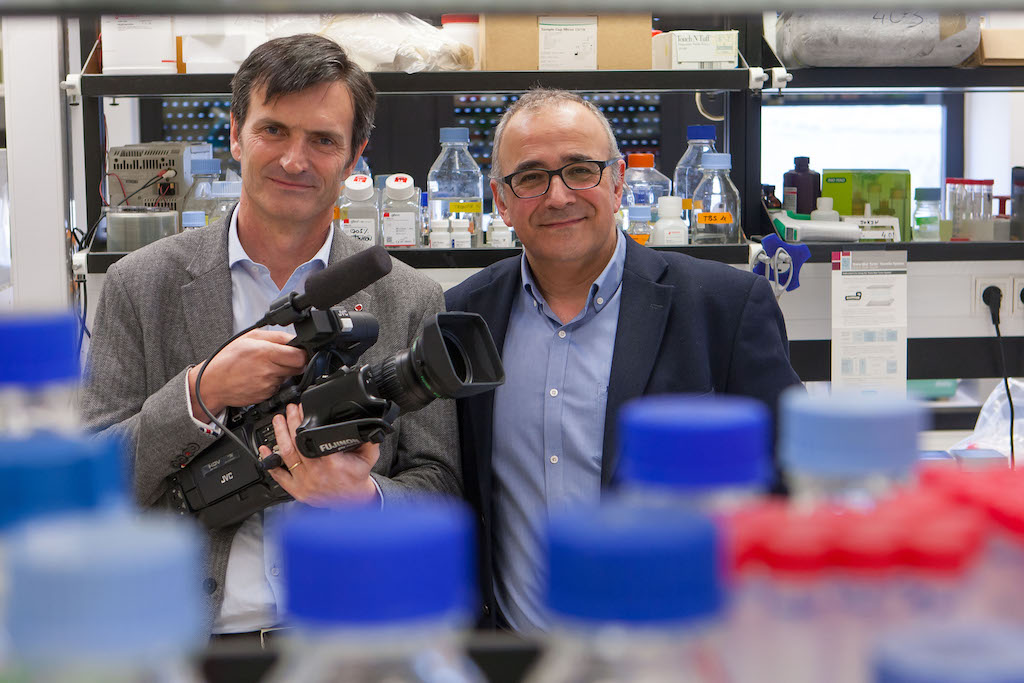
He Museo de Ciencias Universidad de Navarra ha lanzado un festival internacional de cine científico, único en España que se dirige específicamente a los jóvenes. Bajo el título #LabMeCrazy Science Film Festival, tiene como objetivo acercar la ciencia a este sector del público.
Al festival, abierto a producciones de todo el mundo, pueden concurrir documentales, reportajes, cortometrajes de ficción, programas, reportes de televisión y cualquier video para web o redes sociales de cualquier temática relacionada con la ciencia y cuya producción sea posterior al 1 de enero de 2016. La inscripción (abierta hasta el próximo 28 de abril) se realiza a través de la plataforma Filmfreeway.
Todos los trabajos presentados serán seleccionados por un jurado preliminar integrado por profesores e investigadores de la Universidad de Navarra y los finalistas en cada categoría se valorarán por parte de un jurado profesional en el cual figuran expertos como el periodista científico y director del Máster en Comunicación Científica, Médica y Ambiental de UPF-IDEC Vladimir de Semir; Bibiana González, directora de programación de Discovery Networks España y Portugal; Alessandro Griffini, presidente de IAMS (International Association for Media in Science); o Iván Couso, productor ejecutivo de National Geographic Partners, Europa y África, entre otros.
Los trabajos se enmarcarán en seis categorías: documental, reportaje o producción de televisión, cortometraje de ficción, video para la web o las redes sociales, producción realizada por estudiantes y trabajo producido o coproducido por una universidad.
Las producciones finalistas se verán, en pases abiertos a toda la ciudad, del 17 al 20 de septiembre en el Museo Universidad de Navarra, con la celebración de un coloquio posterior con sus autores. Por último, la gala de entrega de premios tendrá lugar también en el salón de actos del Museo el 20 de septiembre.
En opinión de Vladimir de Semir, la televisión sigue siendo el principal vehículo de transmisión del conocimiento a la sociedad, que se ha potenciado con las redes sociales: “A través de ellas, la diseminación del mundo audiovisual ha pasado de ser una forma pasiva de acceder a la cultura a una opción activa en la que los públicos pueden elegir a la carta y en cualquier momento lo que ven y lo que les interesa”.
“En este contexto -continúa el experto en comunicación científica-, es muy importante que lo que se ofrezca al público cumpla los requisitos de amenidad y rigor indispensables para una buena divulgación científica atractiva. Y #LabMeCrazy encaja perfectamente en la búsqueda de estas características y cualidades”.
Bienvenido León, director del festival y profesor de Periodismo Científico en la Facultad de Comunicación de la Universidad de Navarra, añade: “Alrededor del 80% de todo el tráfico de datos en internet se realiza en forma de vídeo. El vídeo se ha convertido en una herramienta imprescindible para trasladar la ciencia al conjunto de la sociedad. La cámara de vídeo es hoy tan importante para la ciencia como un microscopio”. Asimismo, remarca que el festival se dirige, en primera instancia, a los jóvenes, mediante un lenguaje sencillo, claro y fresco, que es el que ellos utilizan.
“Es fundamental que los jóvenes se apasionen con la ciencia. De esa pasión depende, finalmente, que haya más vocaciones científicas y que gracias a ellas avancemos como sociedad”, culmina el experto, quien ya dirigió, durante 12 años, el festival de cine documental Telenatura, que alcanzó un gran prestigio internacional.
Did you like this article?
Subscribe to our NEWSLETTER and you won't miss anything.
Related articles
 El 31º Festival Jóvenes Realizadores anuncia su programación, que se cerrará con ‘Flores para Antonio’
 Blackmagic URSA Cine Immersive: primer sistema de cámaras comercial para Apple Immersive Video
 ASG powers remote workflow for premier sporting events with Dante Connect
 Nace el primer consorcio de Turismo de Cine de España
 Juan A. Fernández, vice president of AEC: between fiction cinema and scientific cinema
 TVU solutions make the First Ephemeral Film Festival of Catalonia possible
 The Malaga Festival starts, the first great reunion of Spanish cinema
 Barcelona will host the first Virtual Reality film festival held in Spain
 Atresmedia Cine impulsa la creación de ‘MadridCortoFest’, el festival de cortos orientado al mercado profesional
 Nace el primer “festival de cine postal” en España
 Mediaset Italia y España crean Ad4ventures, compañía de venture capital para inversión en jóvenes empresas tecnológicas
 Iber.film.america: primer festival en Internet de cine iberoamericano
 Vitelsa at the Public University of Navarra
 IEC in the Science Park of the University of Valencia