





Sony updates the Venice and FX9 cameras and its professional 4K HDR monitors
Expande también su portfolio de herramientas de gestión de contenido y colaboración basada en la nube Ci con una solución de gestión de activos híbrida y mejorada, que unifica Ci y NavigatorX, así como el nuevo Media Analytics Portal.
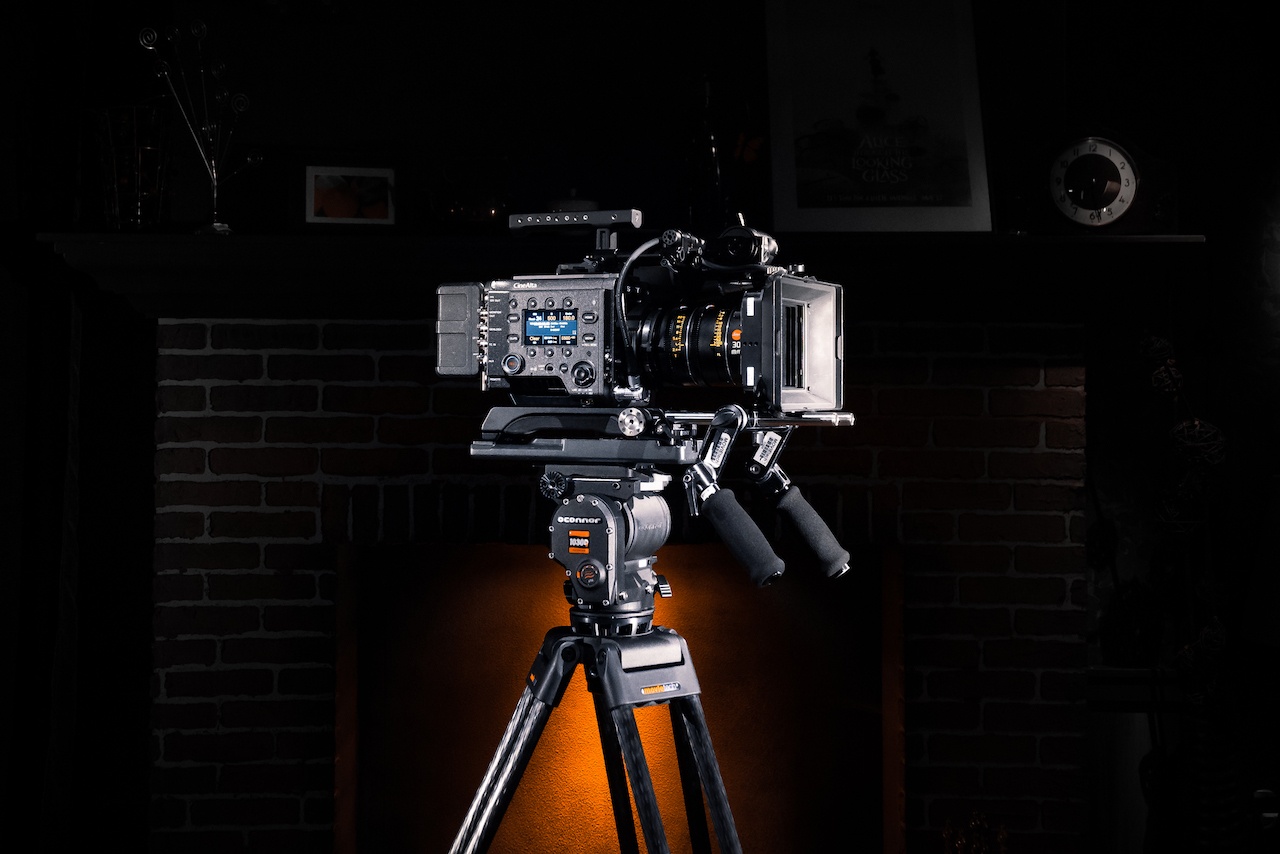
Sony ha presentado virtualmente nuevos productos y soluciones desarrollados en colaboración con la industria de media, que harán realidad las distintas visiones creativas.
Entre los aspectos clave, se incluyen grandes mejoras en la cámara de cine digital Venice and the camcorder de fotograma completo FX9 de Sony, y actualizaciones en sus monitores profesionales 4K HDR. Sony expande también su portfolio de herramientas de gestión de contenido y colaboración basada en la nube Ci with a solución de gestión de activos híbrida y mejorada, que unifica Ci y NavigatorX, así como el nuevo Media Analytics Portal.
En lo que respecta a captación,el camcorder de hombro 4K de 2/3” PXW-Z450 estará disponible a partir de agosto en un kit que incluirá un zoom 4K de 18x, visor y micrófono.
Por otro lado, las videocámaras de mano compactas 4K PXW-Z1901 y PXW-Z280 se mejorarán mediante la incorporación de la capacidad de transmisión por RTMP/RTMPS en FHD. Esto les permitirá a los usuarios transmitir en vivo y cargar el material en sitios de intercambio de contenido de video y plataformas de medios sociales rápidamente, y en cualquier momento y lugar.
 Unidad máster de configuración
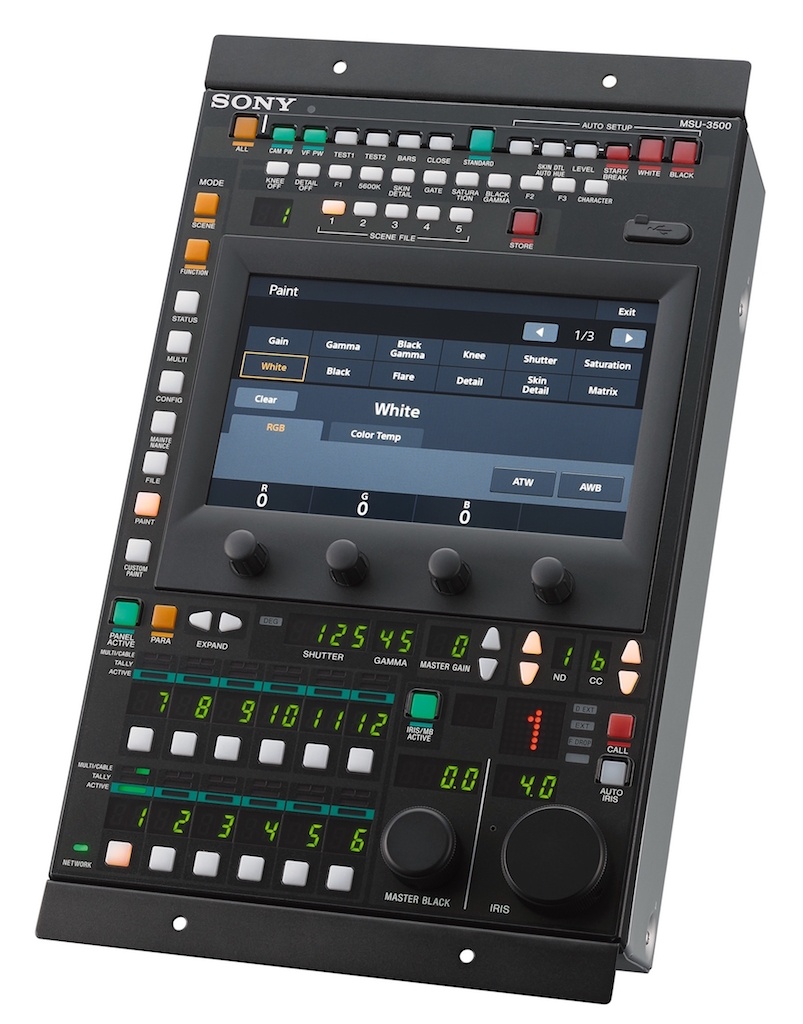
También es novedad la unidad máster de configuración es MSU-3500 y MSU-3000 un panel de control para la configuración y el mantenimiento de la cámara. Ambas unidades están equipadas con un nuevo panel táctil LCD WVGA de 7 pulgadas que brinda mayor visibilidad al usuario. La unidad MSU-3500 tiene orientación vertical y un ancho de medio rack, mientras que la unidad MSU-3000 tiene un ancho de un rack completo y orientación horizontal. Ambas estarán disponibles en el tercer trimestre de 2020.
Sony también ha anunciado la unidad PDW-U4, que estará disponible a partir de enero de 2021, es una unidad de disco portátil y fácil de usar, con capacidad de hasta 128 GB (grabable) y 100 GB (regrabable), que admite soportes Professional Disc XDCAM de 1, 2, 3 y 4 capas.
Mediante la adopción de la unidad DCHS (Dual Channel Head System) de 4 canales, la unidad PDW-U4 alcanza velocidades de transferencia de archivos aproximadamente 2 veces (lectura) y 1,7 veces (escritura)2 más rápidas que las de la unidad PDW-U2 actual. La unidad PDW-U4 ofrece un flujo de trabajo veloz para la ingesta de los archivos grabados con la cámara y el archivo de la edición final.
Más HDR
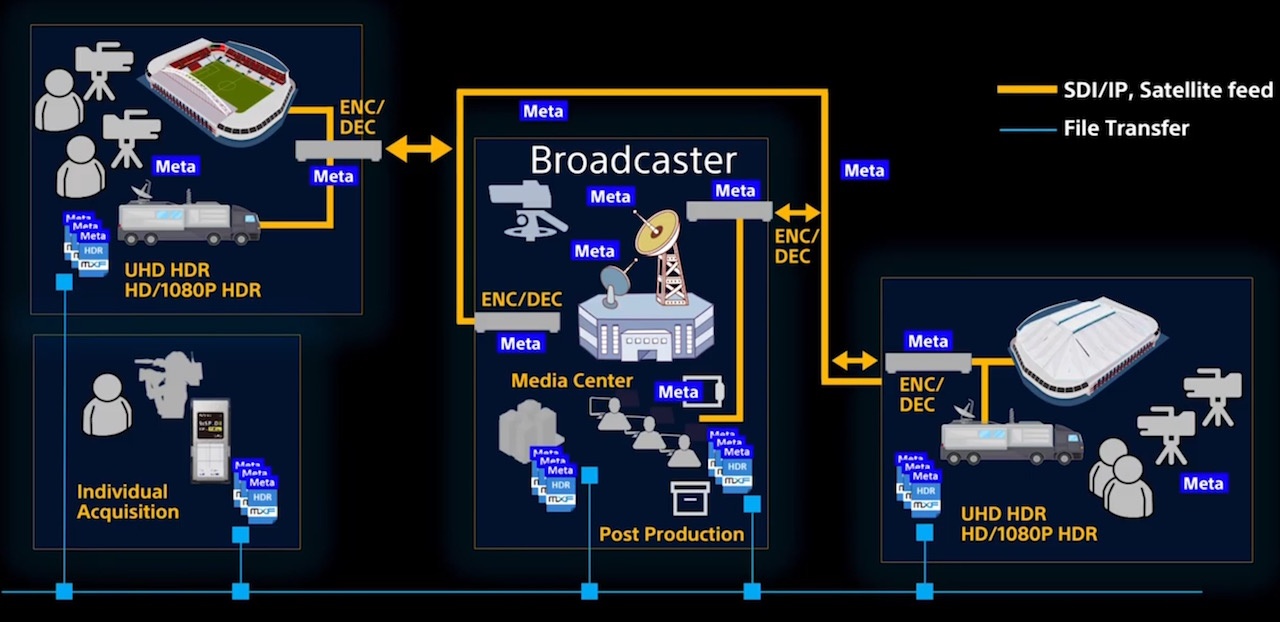
Con el continuo crecimiento de la demanda de contenido HDR, Sony está totalmente comprometida a admitir el formato HDR en todo su portfolio de soluciones profesionales.
He flujo de trabajo SR Live se centra en crear los mejores programas Live HDR y SDR en simultáneo mediante una sola unidad de producción. Las cámaras HDC de Sony capturan la configuración y la envían a todo el proceso de producción. Esto permite replicar perfectamente la producción SDR con la intención exacta que tuvo el artista. Solo se deben cambiar y dirigir las señales HDR, lo que elimina la necesidad de incorporar personal de producción separado para manejar las señales SDR.
Los metadatos SR Live ya se admiten en la unidad conversora para producción HDR HDRC-4000 y en el servidor PWS-4500. A partir del tercer trimestre de 2020, también se admitirán en los sistemas de producción en vivo de Sony, como las cámaras de sistema serie HDC con capacidad de grabación en CCU.
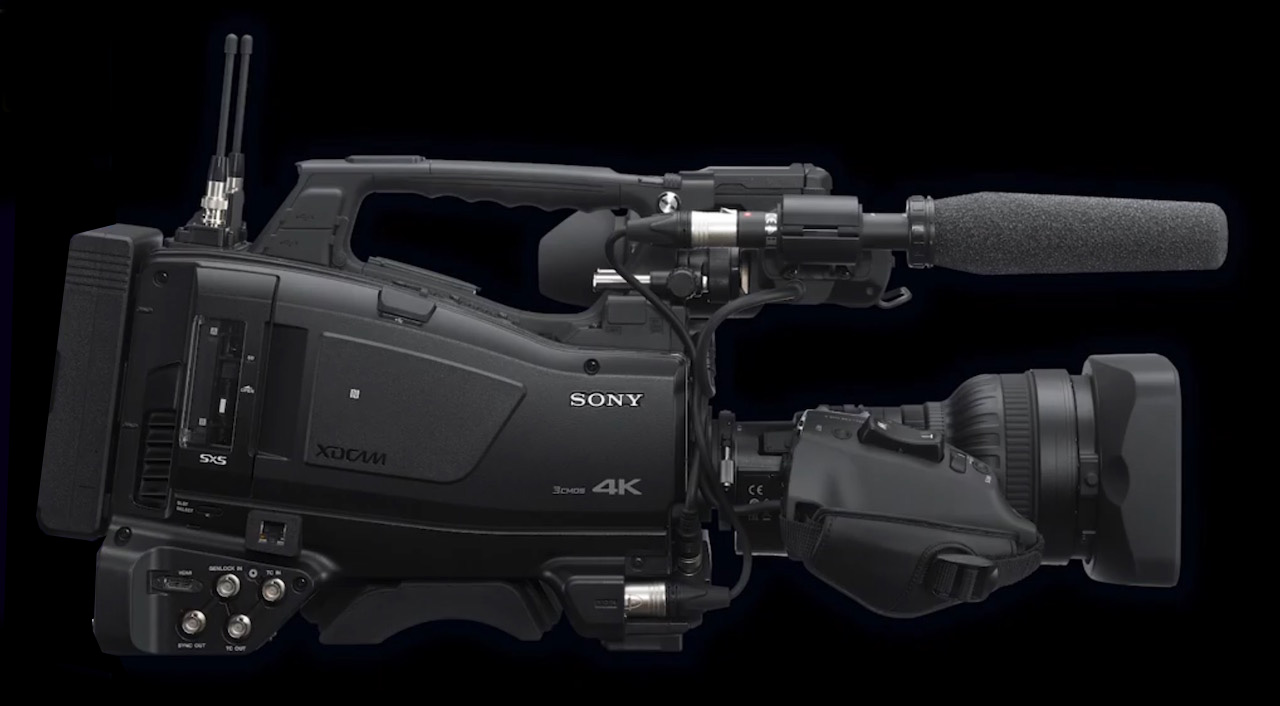 Además, los sistemas de producción basados en archivos, como las videocámaras profesionales PXW-Z750, PXW-Z450 y PXW-X40033, admitirán los metadatos SR Live mediante el software de aplicación Catalyst Prepare para el final de 2020.
Sony también ha anunciado que ofrecerá licencia HD HDR opcional CBKZ-SLHL1 para la cámara PXW-X400. Se trata de una videocámara de hombro de 2/3” de avanzada, que graba en una variedad de formatos con calidad de broadcast. Gracias a su peso balanceado, bajo consumo de energía y características de red flexibles, la videocámara PXW-X400 es una herramienta versátil para producción en exteriores. A partir de julio de 2020, la licencia de software opcional CBKZ-SLHL1 agregará al modelo la capacidad de grabación HDR 1080 60p/50p.
Como anunció anteriormente este año, los monitores de imagen 4K HDR de próxima generación PVM-X2400 (24″) y PVM-X1800 (18.4″) cuentan con la tecnología TRIMASTER y logran un nivel de luminancia de 1000 cd/m2 en zonas totalmente blancas y una coincidencia del 100% con la gama de colores del monitor master Trimaster HX BVM-HX310, lo que asegura la precisión del color desde la producción hasta la posproducción. Después del lanzamiento oficial programado para julio de 2020, se prevé ofrecer una actualización futura opcional en marzo de 2021, que mejorará los monitores aún más mediante la incorporación de la conversión interna de HDR a SDR y 4K-HD.
Por otro lado, para satisfacer la creciente demanda de herramientas de producción 4K HDR, el mezclador serie XVS ahora admite la conversión HDR. Sony también ofrecerá dos nuevos paneles de mezcla y efectos: el XKS-8215 para el mezclador XVS-9000/8000 y el XKS-7215 para el mezclador XVS-7000. Los nuevos paneles ofrecen cuatro keyers por ME en 4K totalmente funcionales, con redimensionadores, croma key y prioridad de capas. La admisión de la conversión HDR y estos nuevos paneles estarán disponibles a comienzos de 2021.
Producción IP
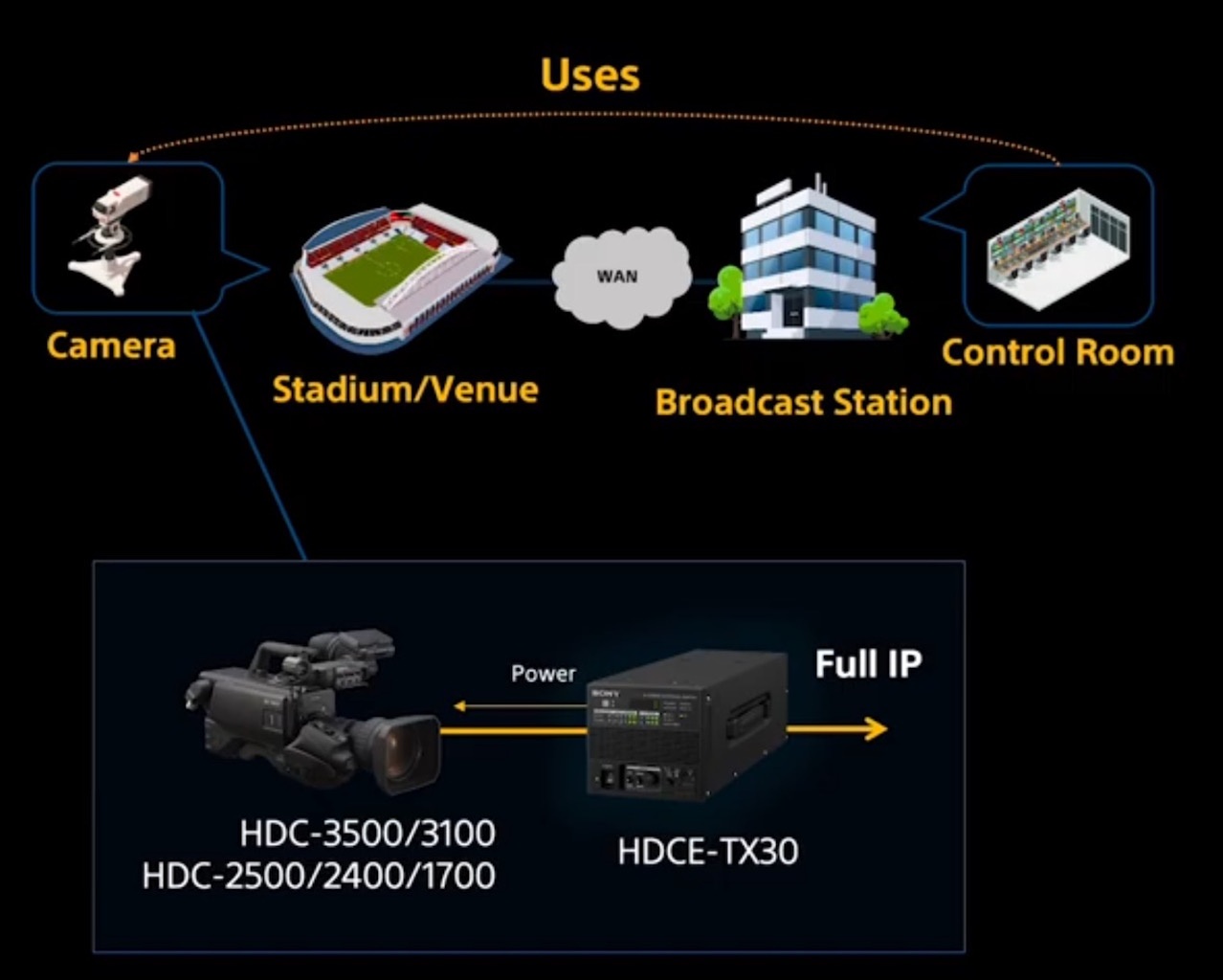
Sony ha entregado sistemas de producción IP Live para más de 100 estudios de transmisión en vivo y vehículos de exteriores a clientes que incluyen a Groupe TVA y NFL Network. Las actualizaciones de varias de las soluciones IP Live ofrecerán nuevas características de eficiencia y retorno de la inversión a las emisoras de todo el mundo.
La compañía ha realizado importantes aportes al desarrollo de sistema de producción basados en estándares abiertos. Por ejemplo, en el evento Joint Task Force on Networked Media (JT-NM), que se llevó a cabo en marzo de 2020, Sony confirmó que su ecosistema de producción IP Live cumple con los estándares más recientes, SMPTE ST 2110 y AMWA NMOS, lo cual ofrece a sus clientes verdadera interoperabilidad para crear los sistemas más avanzados y centrados en el futuro mediante la tecnología IP.
Además, ha actualizado las placas de conversión SDI-IP NXLK-IP50Y/IP51Y que siguen los estándares SMPTE ST2110 y cuentan con la capacidad de convertir señales de video HD, 4K, SDI e IP. Al ser compatibles con los formatos de transmisión ST 2110-20/30/40 y ofrecer una conversión de señal con muy baja latencia, son ideales para integrarlas a entornos de producción en tiempo real IP Live. En septiembre de 2020, se incorporará una mejora a las licencias de conversión ascendente y descendente SDR/HDR para agregar la corrección de color. Las nuevas licencias, que admitirán la capacidad de retardo del audio, estarán disponibles al mismo tiempo.
Operaciones en la nube
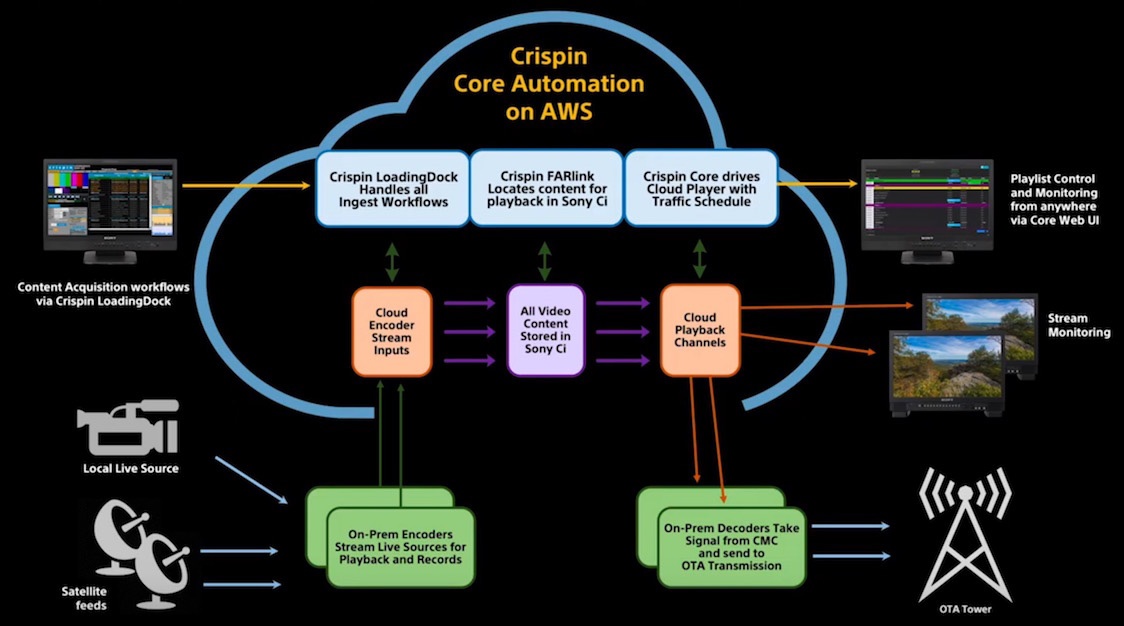
Sony ha desarrollado una variedad de servicios que aprovechan el uso de la nube para optimizar los flujos de trabajo de producción, edición y entrega. Las actualizaciones más recientes de los servicios incluyen la mejora de la plataforma Ci Media Cloud.
Diseñada para consolidar diversos sistemas y transferencias redundantes de archivos en una única plataforma unificada, Ci tiene previsto realizar actualizaciones en mayo de 2020, lo que incluye el lanzamiento de Ci Catalog. Ci Catalog optimiza la gestión de activos de grandes empresas de medios y mejora la gestión de los activos finalizados mediante la optimización del trabajo de los equipos de mercadeo, ventas, distribución y archivo.
A partir de junio de 2020, Sony ofrecerá una solución de activos híbrida de clase mundial que será diferente a todo lo que se ha visto en la industria. Los clientes podrán gestionar el contenido en cualquier instalación o en la nube.
Con respecto al uso de la inteligencia artificial en los flujos de trabajo de media. La solución basada en la nube Media Analytics Portal que Sony lanzó recientemente apoya a los creadores de contenido con sus distintos modelos y servicios de análisis mediante IA, que incluyen reconocimiento de objetos y comandos de voz a texto a través de un único portal web.
También se integra perfectamente con Ci Media Cloud Services, XDCAM air y Media Backbone NavigatorX. Ya sea que se lo use para la gestión de contenido de deportes o la producción de programas, Media Analytics Portal mejora los flujos de trabajo de medios mediante el incremento de metadatos y la automatización de los procesos de medios para lograr mayor eficacia y productividad. Se prevé su disponibilidad para el cuarto trimestre de 2020.
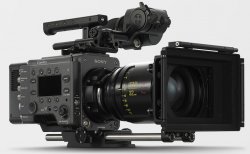
Actualización de Venice y FX9
Durante el 2020, Sony ampliará las capacidades de las cámaras cinematográficas de fotograma completo Venice y FX9 para ofrecer más posibilidades expresivas y de uso a los directores de fotografía y sus colaboradores en las tareas de producción y posproducción.
Venice ofrecerá más opciones de monitoreo y alta frecuencia de cuadros y la cámara FX9 expande las capacidades de filmación y grabación para los creadores de contenido.
Desde su lanzamiento en el año 2017, la Venice ha sido utilizada para capturar más de 200 estrenos transmitidos por TV, cable y streaming, lo que incluye The Plot Against America de HBO y otras dieciséis series estrenadas durante los meses de marzo y abril de 2020.
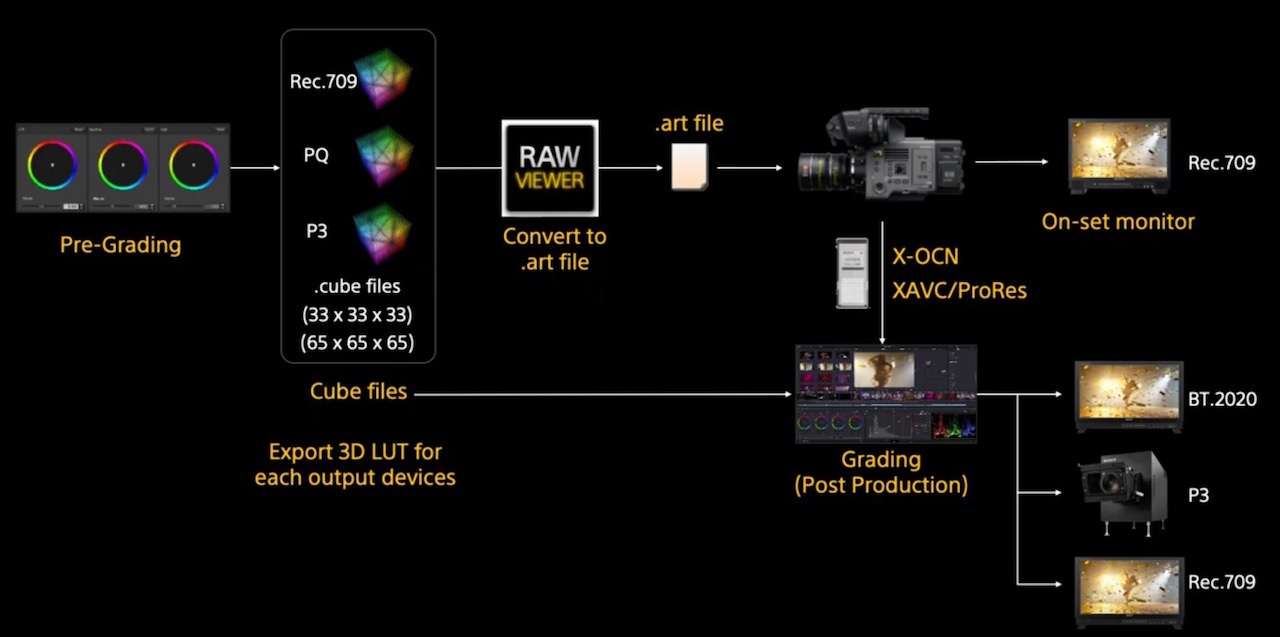
La versión 6.0 de firmware permitirá la importación de archivos Advanced Rendering Transform (.art) que mejoran el monitoreo de la calidad de imagen y las opciones de visualización en el set. Estos archivos .art pueden generarse a través del software RAW Viewer de Sony o de los propios archivos 3D LUT de los usuarios. Asimismo, Sony está colaborando con Technicolor y sus galardonados científicos en color para crear una nueva “biblioteca de apariencias” para la cámara Venice, que está disponible en línea como un recurso para los creativos que deseen acceder en forma rápida a las principales apariencias de Technicolor, inspirados por su historia cinematográfica.
Otra de las mejoras incluidas en la versión 6.0 de firmware de la cámara Venice es la capacidad de filmar con una segunda línea de frames del usuario. Esto permite a los directores de fotografía aprovechar más fácilmente las ventajas del gran sensor de la cámara Venice, y filmar material para una distribución horizontal y vertical en la misma composición.
El nuevo firmware además incluye información del girosensor en metadatos por lo que los datos Tilt & Roll de la cámara pueden ser consultados por los equipos de efectos visuales.
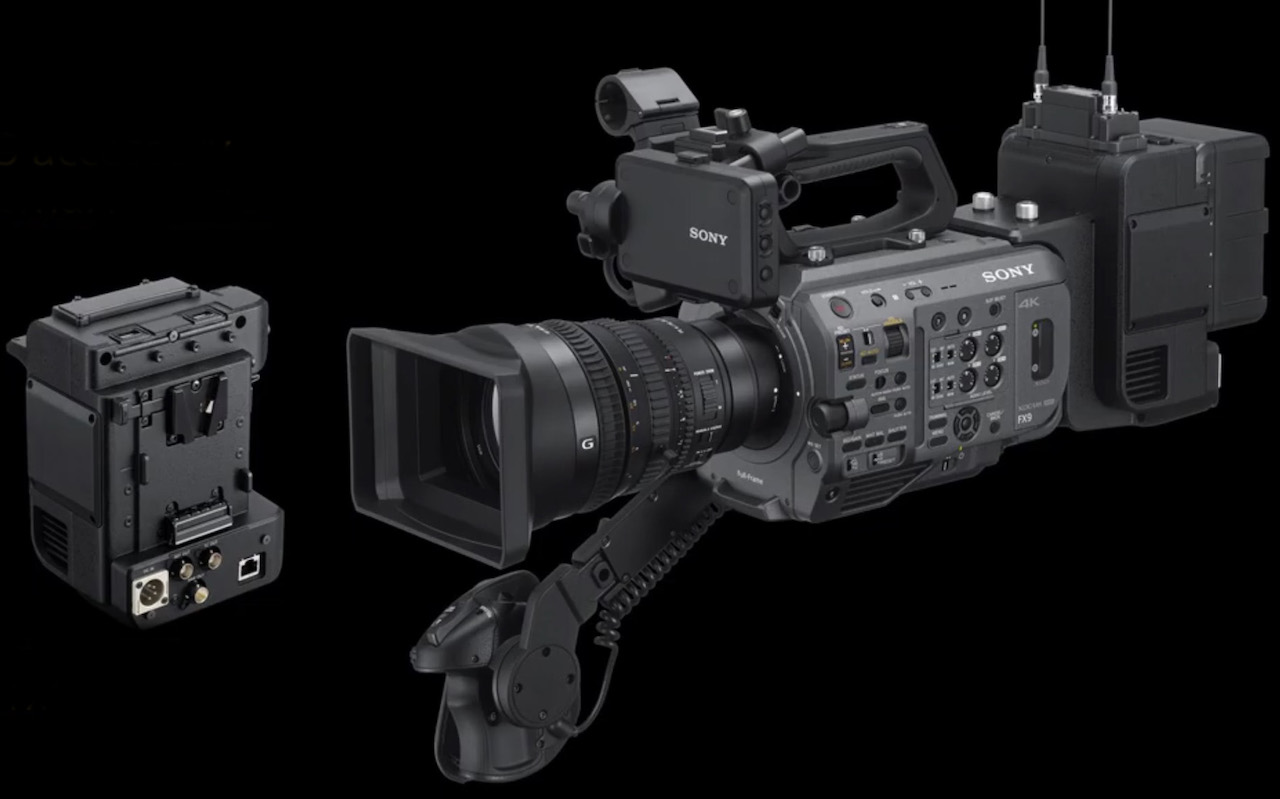 Por lo que respecta a la cámara FX9, lanza el pasado año, 2019 para acercar las imágenes de fotograma completo a las producciones independientes, estilo “run and gun” y documentales. Utilizando el factor de formato, la ergonomía y el flujo de trabajo de las cámaras FS7 y FS7II de Sony, esta cámara full frame reúne las tecnologías de ciencia de color de las cámaras Venice y enfoque automático (AF) de las cámaras Alpha de lente intercambiable de Sony para los creadores que desean un equipo más pequeño.
La versión 2.0 del firmware de la cámara FX9 es compatible con la grabación 4K 60p/50p a través de tecnología de supermuestreo a partir de un área recortada en 5K de la imagen de un sensor 6K de fotograma completo. La versión 2.0 también admite la salida de señales RAW 4K de 16 bits a un grabador externo con el accesorio opcional XDCA-FX9. Esta profundidad de bits adicional, además de la grabación de 10 bits interna de la cámara, es ideal para proyectos que requieran tareas de posproducción más intensas.
Asimismo, la versión 2.0 de firmware de la cámara FX9 ampliará el funcionamiento de la cámara con la tecnología Eye AF y funciones de panel táctil para control de enfoque y ajustes de menú en el visor.
El lanzamiento de la versión 6.0 de firmware de la cámara Venice está programado para noviembre de 2020, y el de la versión 2.0 de la cámara FX9 está programado para octubre de 2020.
https://www.youtube.com/watch?v=6LBoiXM8ELk
Did you like this article?
Subscribe to our NEWSLETTER and you won't miss anything.
Related articles
 Sony promotes “Venice in Venice”, an event at the Venice Film Festival dedicated to the film production of the future
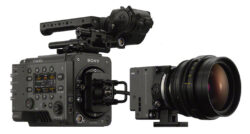 Sony presents its new Venice Mini extension system, aimed at the Venice 2
 Canon updates the firmware of seven of its professional cameras
 Sony's Venice 2 and Burano cameras give a cinematic look to the Coppa Italia Frecciarossa final
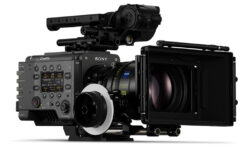 Globo renews its camera fleet with the Sony Venice and Venice 2 models
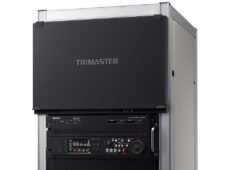 Trigital obtains specialization in professional monitors from Sony
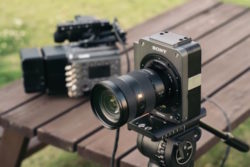 Sony Adds New Capabilities to Venice Full-Frame Cinema Camera System
 Ludwig Kameraverleih: first rental company in Europe to receive Sony Venice cameras
 Sony reveals Venice, the next generation of CineAlta full frame 6K cameras
 Sony updates its range of professional OLED and LCD HD monitors
 Sony launches the new Bravia 4K LED professional monitors
 Canon updates the firmware of its professional cameras and incorporates Spanish in the menu
 Sony redefines professional monitor technology
 New Sony OLED viewfinders for professional cameras