





Sony revela Venice, la próxima generación de cámaras CineAlta full frame 6K
Venice se presenta como una solución de fotograma completo de 36×24 mm, con capacidades anamórficas, sensor intercambiable, sistema de filtros ND de 8 niveles, nuevo sistema de gestión de color y un diseño totalmente modular.
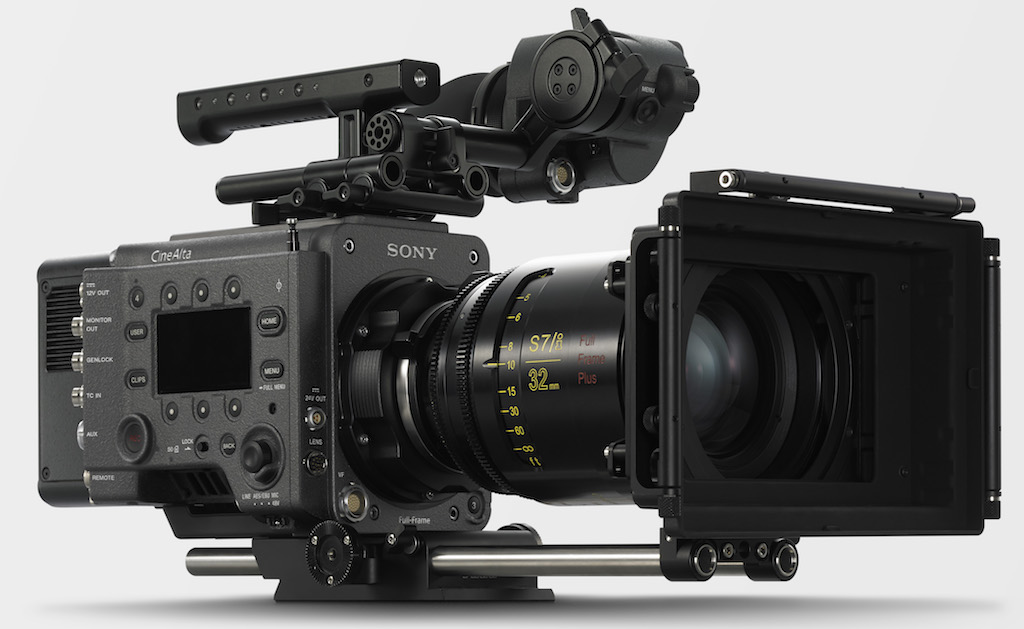
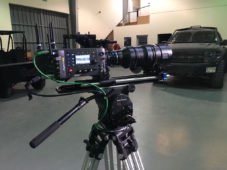
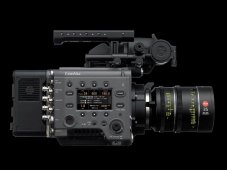
En la antesala de IBC, Sony ha revelado su nueva cámara para cinematografía digital Venice, una solución de fotograma completo 6K de 36×24 mm, con capacidades anamórficas, sensor intercambiable, sistema de filtros ND de 8 niveles, nuevo sistema de gestión de color y un diseño totalmente modular. La nueva generación de cámaras CineAlta de Sony, que hereda aspectos de las populares F65 y F55, pretende expandir la libertad creativa de los directores a través de la captura de imágenes de cine en fotograma completo y un gran formato, ofreciendo tonos naturales de piel y excelente respuesta en las bajas luces.
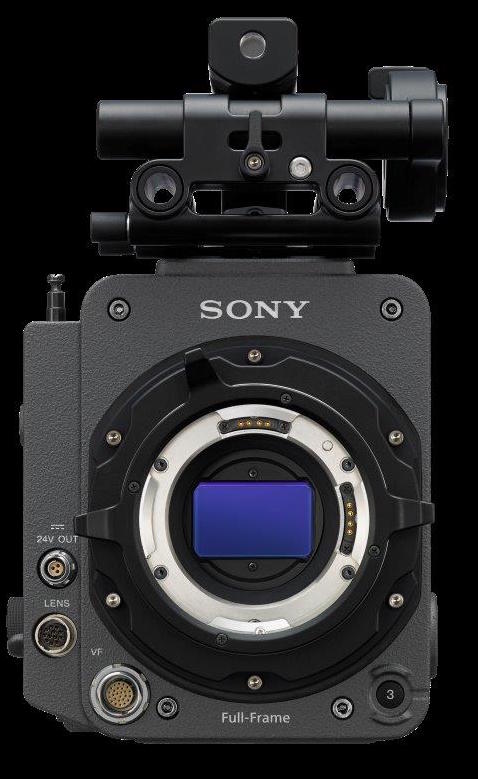 La multinacional japones ha desarrollado esta cámara fruto de una estrecha colaboración con directores de fotografía y profesionales de la producción cinematográfica. Entre las demandas de los profesionales destaca la versatilidad a la hora de elegir las ópticas adecuadas a cada producción. Ahora, el sensor de fotograma completo de 36×24 mm de la Venice permite la compatibilidad con una amplia gama de lentes, incluyendo lentes anamórficos, Super 35mm y montura PL de fotograma completo, lo que aumenta la libertad creativa con escasa profundidad de campo.
El montaje de la lente también se puede cambiar para soportar lentes de montura E para situaciones de disparo que requieren lentes más pequeñas, más ligeras y más anchas. Las áreas seleccionables por el usuario del sensor de imagen permiten disparar en Super 35 mm 4 – perf. Futuras actualizaciones de firmware permitirán a la cámara manejar una resolución de 36mm 6K. La tecnología de escaneo rápido de imágenes minimizará, además, el denominado efecto”Jello”.
Otro aspecto que aporta la nueva Venice es su avanzada gestión de color que pone en manos de los creativos un mayor control y libertad para afinar color desde la propia cámara y preparar el camino para la corrección final en postproducción. Venice también tiene más de 15 stops de latitud para manejar desafiantes situaciones de iluminación con poca luz o luz solar directa con un suave roll-off.
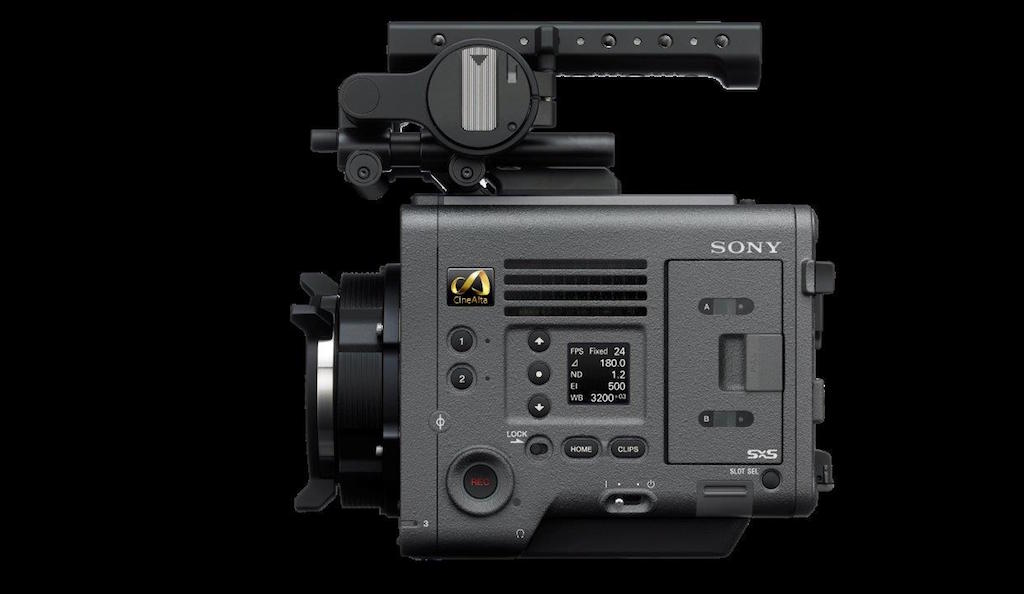
Peter Crithary, director de marketing de Sony, destaca que “nuestro sistema de cámaras de próxima generación es una iniciativa de desarrollo que incluye un sensor de imagen completamente nuevo. Consideramos cuidadosamente aspectos clave como el factor de forma, la ergonomía, la calidad de construcción, la facilidad de uso, una imagen refinada y el look de imagen, con un flujo de trabajo simple y establecido. Trabajamos en estrecha colaboración con profesionales de la industria cinematográfica. También consideramos la estrategia a más largo plazo al diseñar un sensor intercambiable de usuario que sea tan rápido y sencillo de cambiar como cambiar cuatro tornillos, adaptándose así a diferentes escenarios de rodaje según sea necesario”.
Sensor como “emulsión”
Destacar que la cámara Venice tiene la capacidad para cambiar el sensor permitiendo a los directores de fotografía escoger el look que desean como si de las antiguas emulsiones de película se tratara. Sony propone desarrollarlos en el tiempo para diferentes aplicaciones y a pedido de los directores de fotografía
Su sensor 6K full frame responde con una relación señal/ruido altamente eficiente en bajas luces logrando un mayor rango dinámico, aspecto clave en los nuevos entornos HDR.
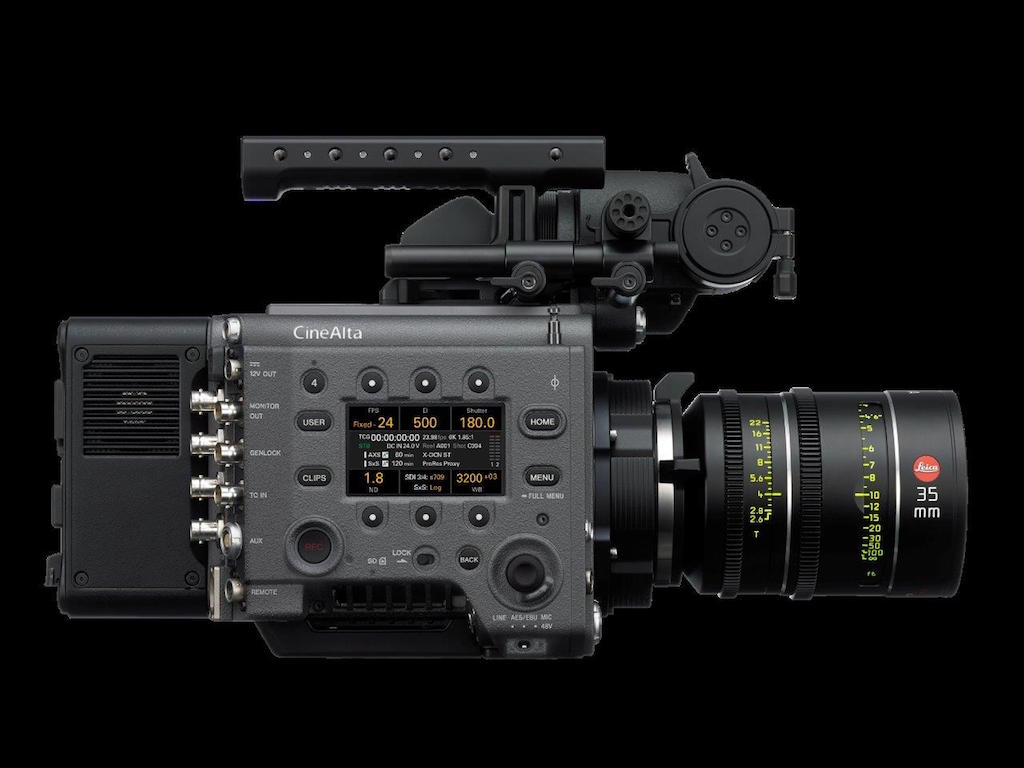
Por último, señalar que es la primera cámara con un sistema de filtro ND de cristal de 8 etapas incorporado, mejorando la eficiencia y simplificando la configuración de la cámara. La cámara está diseñada para una operación sencilla con un panel de control intuitivo colocado en los lados de la cámara. Una entrada / salida de 24 V de alimentación y un conector LEMO permiten el uso de numerosos accesorios diseñados para usarse en ambientes hostiles.
Sony espera comercializar la nueva Venice a partir de febrero de 2018.
Did you like this article?
Subscribe to our NEWSLETTER and you won't miss anything.
Related articles
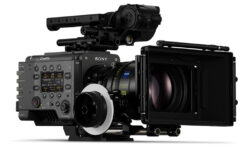 Globo renews its camera fleet with the Sony Venice and Venice 2 models
 Teltec adquiere 50 unidades de las nuevas cámaras PTZ Full Frame FR7 de Sony
 Sony brings the full frame sensor and interchangeable lenses to the PTZ world with the new FR7
 Panasonic designs a new 35mm F1.8 lens for Lumix S Series Full-Frame cameras
 Sony launches its new FX3 full-frame camera with a cinema look and greater operability
 The Sony FX9 Tour stops in Madrid to present the new Full-Frame camera
 Sony unveils the new FX9 at IBC, a 6K camera with full frame sensor, autofocus and dual ISO
 Siete cámaras CineAlta de Sony se unen a la alianza de tecnología de postproducción de Netflix
 Fujifilm and Musashi launch a new optical adapter for cameras with a full frame sensor
 Sony comienza a entregar las primeras unidades de su nueva cámara CineAlta Venice
 RED announces its new full frame sensor for Weapon cameras, Monstro 8K VV
 Sony to launch a full frame 36x24mm sensor CineAlta camera
Sony will incorporate a Full Frame sensor and support for anamorphic in the new generation CineAlta
Sony to launch a full frame 36x24mm sensor CineAlta camera
Sony will incorporate a Full Frame sensor and support for anamorphic in the new generation CineAlta
 Drago Broadcast Services adquiere cuatro cámaras Cinealta F55 de Sony