





CBS filmed the second season of 'All Rise' with Blackmagic Pocket Cinema Camera 6K
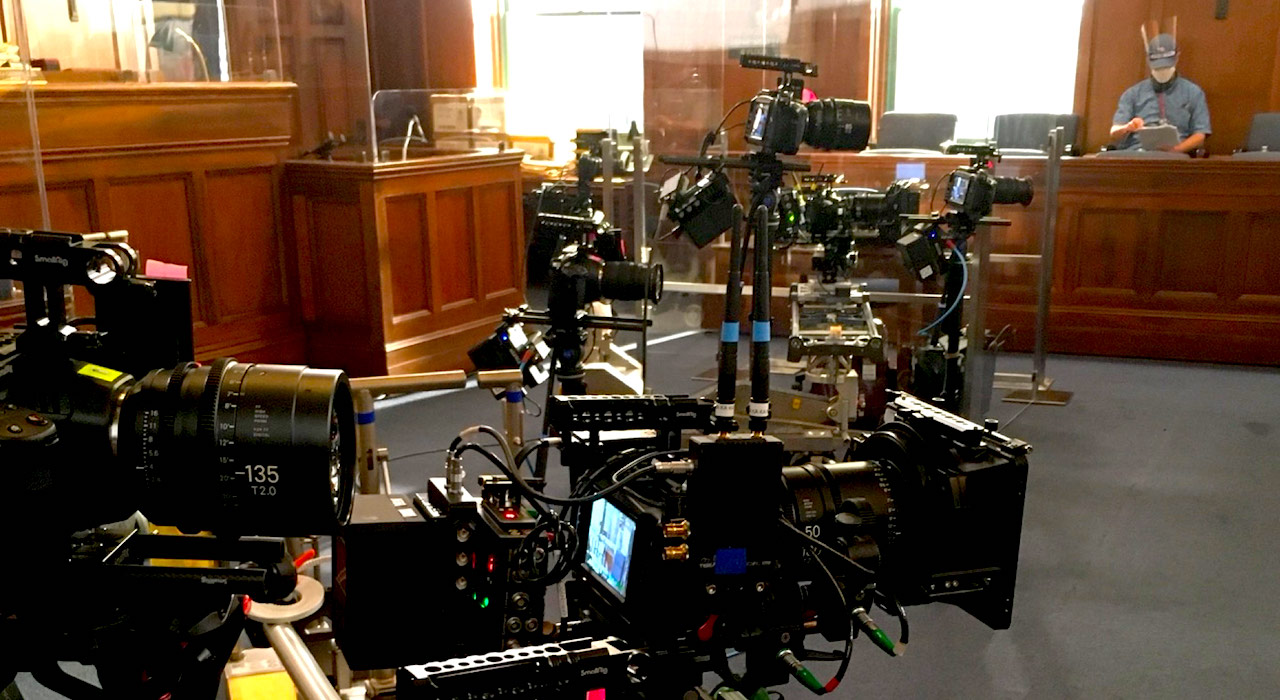
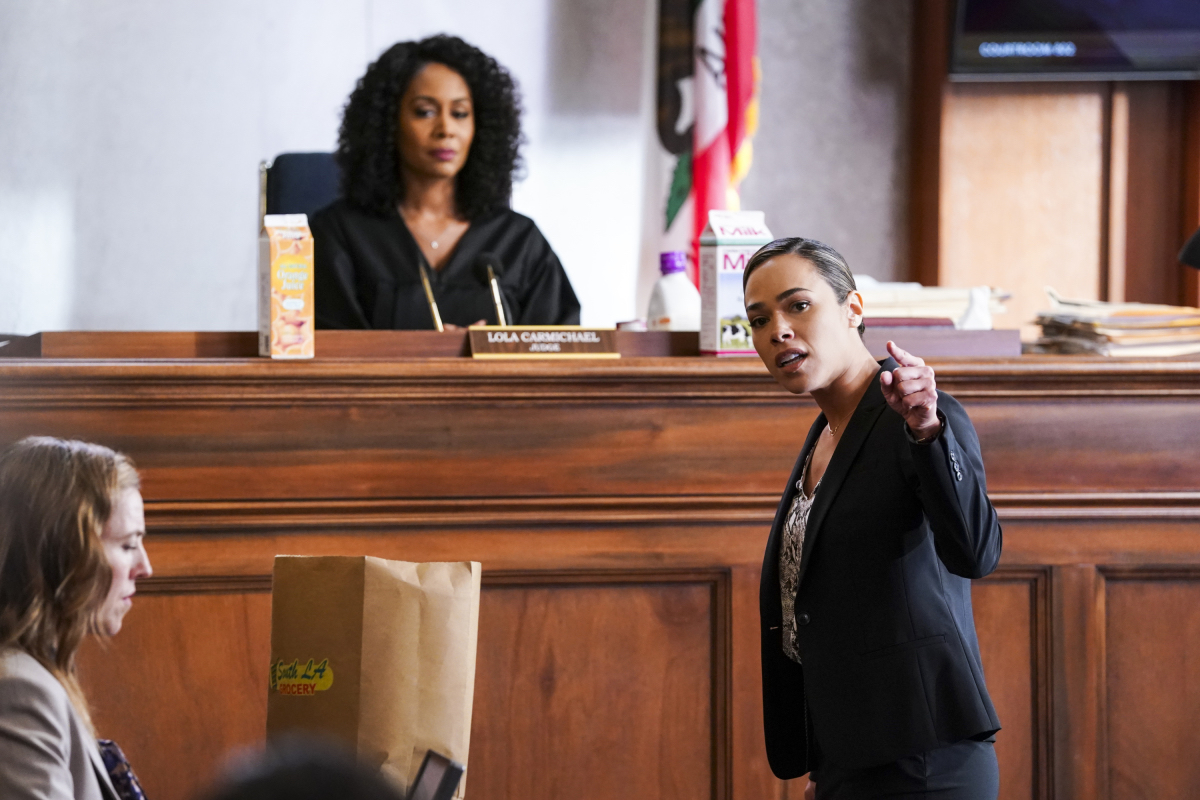
The second season of the popular legal drama All Rise from CBS was filmed using multiple Pocket Cinema Camera 6K units from Blackmagic Design for the purpose of maintaining safety protocols during the pandemic.
The filmmakers David Harp y Amanda Treyz were faced with a unique situation, as preparation for the second season began in August 2020. At the time, the pandemic was raging and the idea of filming a series on set with actors and a crew spending long hours together simply wasn't an option.
That's when executive producer Michael Robin suggested Harp use multiple Blackmagic Pocket Cinema Camera units. The filmmaker had limited experience with such cameras, but was always amazed by the quality of the images they offered, so he knew it was time to adopt something new.
Harp says, "We had to create a system that allowed us to split both the production crew and performers into separate booths to limit personal exposure. In order to achieve this, we went from a series of 3 or 4 cameras to a total of 27, all Pocket 6K."
From a set in Los Angeles that represents a courthouse, All Rise follows the chaotic, hopeful, and sometimes absurd lives of judges, prosecutors, and public defenders as they work alongside bailiffs, clerks, and police officers to bring justice to people in an imperfect legal process.
Although the first season was shot traditionally, the second would be produced in a very different way, but it was essential that the aesthetic of the series maintained quality, despite the turbulent times. In order to continue, it was important to find a safe system, and both the production team and the performers quickly adapted to the new paradigm. “It was surreal to go to work when most people didn't even leave their homes,” Treyz says.
The solution was to place Pocket Cinema Camera 6K units in a variety of PTZ heads remote controlled systems Ronin 2 of DJI, remote sliders or stabilizers Steadicam. The rest of the cameras, up to 13, were in fixed positions.
Treyz reports that "the Pocket 6K model is so affordably priced that we were able to purchase multiple units. Plus, we could film long shots and close-ups simultaneously."
The set was full of cameras on platforms, all without operators. “Basically every angle we thought needed was photographed, usually with two setups,” adds Harp.
Flexibility in post-production
The additional features of shooting at a high resolution were invaluable and offered filmmakers flexibility in post-production. “Filming in 6K gave us a lot of options,” says Treyz. “We could shoot a medium close-up, and if the director wanted a closer one, the editor could achieve the desired framing.” For Harp, the quality of the images was equally gratifying. "A pleasant surprise was the images that the 6K cameras provided us. When looking at a small camera, one assumes that it will not provide the overall quality of a traditional film unit. But that was not the case. The material that the Pocket 6K model provides is fantastic, with exceptional color and great intensity. I have really enjoyed the images that we have delivered this season."
With the unique setup, only the cameramen operating the tracking shot and Steadicam stabilizer were physically required on set, in addition to the performers. The director, cinematographer and camera assistants could enter the set if necessary, thus reducing the risk of gathering professionals in the same place, despite rigorous testing for the virus.
Almost all the lighting work was done with high platforms that provided 360-degree angles without the equipment being visible on the screen. Although the environment was very different from usual, the professionals adapted quickly. “Everyone's reaction was acceptance,” Harp acknowledges. "The presence of the coronavirus meant that we had to redesign traditional methods, so we were all part of the restructuring process. I am very proud of the team, as they threw themselves into using the new system and made it work."
Regarding the cast, Harp believes that, although it was strange at first, he came to appreciate the hidden values of the new style. “At first, the interpreters were a little confused due to the lack of staff and the wall of cameras, but as time went on, they fell in love with the method,” adds Harp. “Plus, with fewer setups, they didn't have to repeat each scene as many times, which they appreciated.”
Neither Harp nor Treyz are new users of Blackmagic Design cameras, but the recent season of All Rise It brought with it a new idea of what was possible. “I choose the camera depending on the look I want to achieve and what I need for the shoot,” says Treyz. "I've previously used Blackmagic cameras to get complementary angles or specialized shots. I've found that Blackmagic RAW images match those of other models perfectly, and because the company's cameras provide robust footage, they're versatile enough to fit a variety of aesthetics."
In the end, Robin was pleased with the decision to use the cameras. “The new production system kept both cast and crew safe, while giving us a show with a fantastic aesthetic.”
For Harp, after some time, the new system quickly became the norm, and the images offered by the cameras did not disappoint him. "Overall, I am very impressed with this model. Honestly, when this concept was first proposed to me, I was skeptical. I was worried that we would miss the cameras that we had used for the previous season and that we had felt very comfortable with. However, the quality of the Pocket 6K model is excellent, and I am proud of every episode we have created with it."
Did you like this article?
Subscribe to our NEWSLETTER and you won't miss anything.
Related articles
 'Heart of the Man', shot with Blackmagic's compact Pocket Cinema Camera 6K Pro
 Blackmagic Pocket Camera and Cinema Camera 6K expand their capabilities with 8.6 software
The Blackmagic Pocket Camera and Cinema Camera 6K expand their possibilities with software 8.6
Blackmagic Pocket Camera and Cinema Camera 6K expand their capabilities with 8.6 software
The Blackmagic Pocket Camera and Cinema Camera 6K expand their possibilities with software 8.6
 El documental ‘Touch the Water’ rodado con Blackmagic Pocket Cinema Camera 6K
 'Deadline' triumphs at Cannes with the look of Blackmagic's Pocket Cinema Camera 6K
 Pocket Cinema Camera 6K by Blackmagic, in the 2nd season of the HBO Max phenomenon 'The White Lotus'
 xxxHOLIC comes to life with the Blackmagic Pocket Cinema Camera 6K
 The microscopic world, revealed with the Blackmagic Pocket Cinema Camera 6K
 Blackmagic presents new camera: Pocket Cinema Camera 6K G2
 ‘Simone vs Herself’, rodada con la Pocket Cinema Camera 4K de Blackmagic
 CBS series ‘All Rise’ shoots season 2 with Blackmagic Pocket Cinema Camera 6K
 Blackmagic reveals the second generation of Ursa Mini Pro and adds RAW to the Pocket Cinema Camera 4K
 Blackmagic Design surprises with the new Pocket Cinema Camera 4K
 Blackmagic now allows you to format storage devices from the Cinema Camera and Pocket Cinema Camera