





The 10 key technological innovations of Tokyo 2020
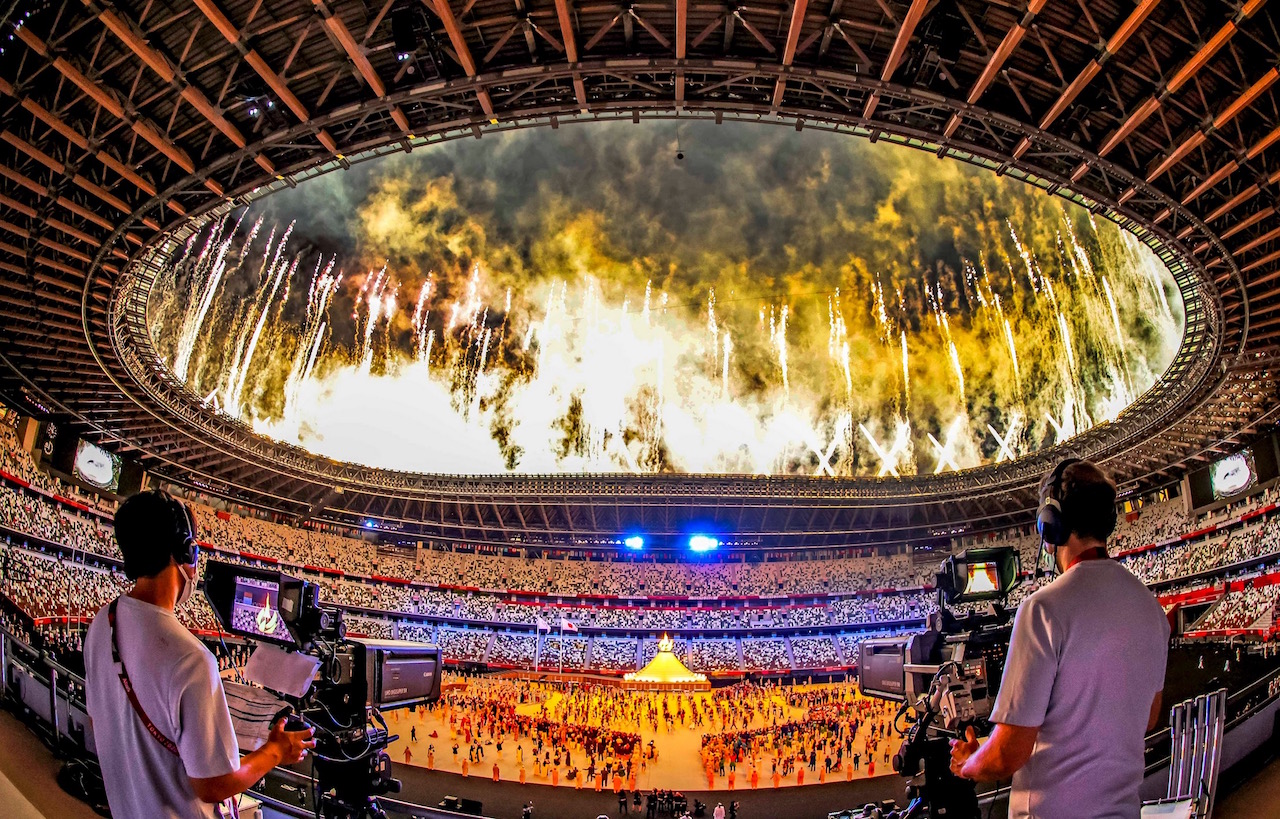

Los Juegos Olímpicos de Tokio 2020 ciertamente están siendo diferentes, dado el contexto en el que se celebran. Sin embargo, esta circunstancia no ha impedido un espectacular despliegue técnico cargado de innovación. El host broadcaster del mayor acontecimiento deportivo, Olympic Broadcasting Services (OBS), ha introducido una decena de interesantes innovaciones.
1. Los primeros Juegos UHD de la historia
Por primera vez en la historia de las producciones de OBS, los Juegos Olímpicos se está produciendo con el UHD como estándar. De esta forma, se busca aportar detalles nunca antes visto, mejorar la reproducción del color y, en cualquier caso, fidelizar a una audiencia cuya exigencia por la fidelidad visual cada vez es mayor.
Los 42 recintos de la competición están siendo captados con cámaras UHD. A total of 31 unidades móviles (con capacidades IP ST-2110 para aportar vídeo con latencia ultrabaja) y 22 sistemas fly-away han sido específicamente rediseñados para adaptarse a las nuevas exigencias de este formato. Con respecto el audio, este se está capturando con una configuración inmersiva 5.1.4, para la cual se ha empleado un total de 3.600 micrófonos of 38 modelos diferentes.
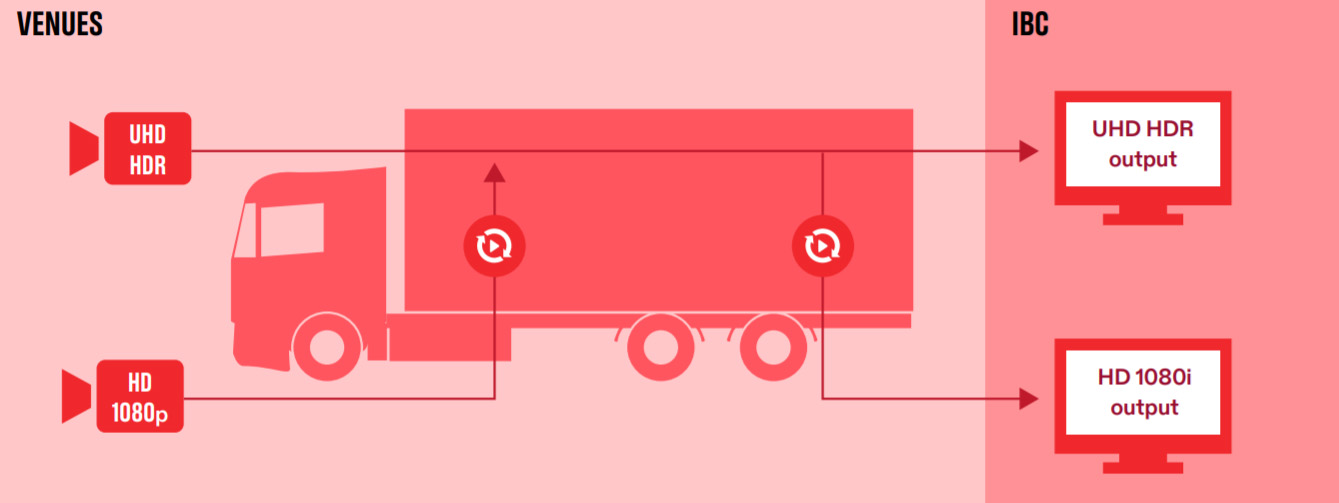
Volviendo a la captación, tal y como detalla Isidoro Moreno, responsable de ingeniería de OBS, prácticamente todo el contenido está siendo captado en UHD, si bien algunas cámaras especiales siguen con un output de 1080p SDR. Estas señales se convertirán a UHD HDR para ser integradas en el feed de la competición. Del mismo modo, se han automatizado centenas de procesos para así conseguir que, si bien los contenidos se producen en UHD, cada una de las unidades móviles sea capaz de generar inéditamente un output 1080i SDR con el objetivo de agilizar la distribución de contenido y lograr por el camino una mayor calidad de imagen que la conseguida si se hubiera producido directamente con cámaras HD.
Más allá de estas cuestiones estratégicas, Moreno detalla las especificaciones técnicas de la producción: “Para Tokio, se utiliza la norma SMPTE 292 para la producción de la señal HD-SDI 1080i/59,94. OBS seguirá la especificación de 59,94 Hz. Los receptores UHD recibirán la señal internacional en UHD HDR, con configuración de audio 5.1.4. La producción UHD se adherirá a la norma SMPTE 2036-1 y seguirá la especificación de 59,94 Hz. El estándar HDR será Hybrid-Log Gamma (HLG)”.
 2. 5G: Primeras pruebas que serán consolidadas en Beijing 2022
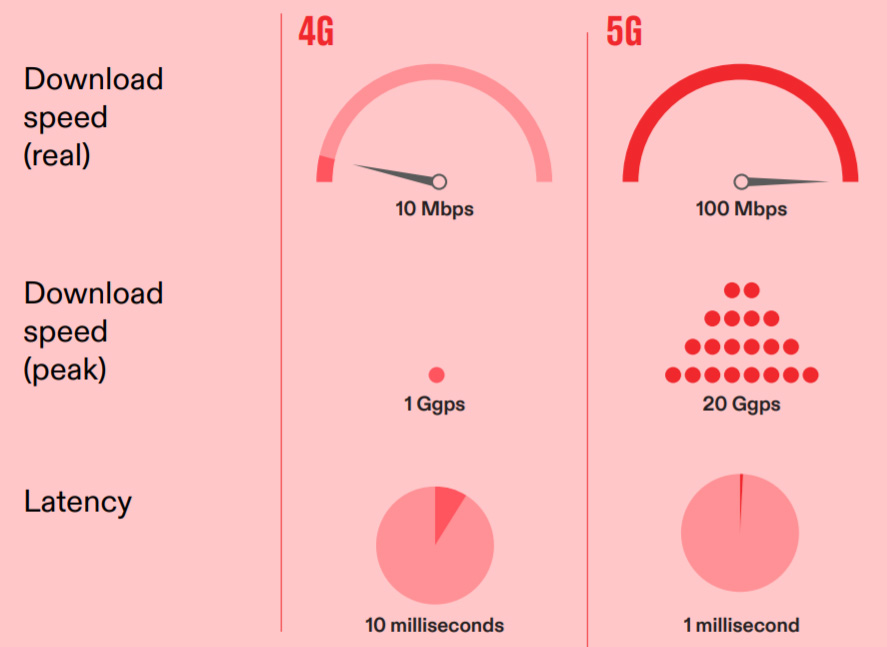
He 5G ha llegado para quedarse. Multiplicará las posibilidades de conexión y de transmisión, ya sea por sus posibilidades de edge computing (que permitirá avanzar en cuestiones como la producción en la nube) o por sus altísimas velocidades de retransmisión. La comparativa no deja lugar a dudas: mientras que el 4G puede subir contenido a una velocidad de 10 Mbps, esta velocidad se eleva a 100 Mbps en el caso del 5G. La latencia es otro elemento clave: la nueva tecnología permite una diferencia de tan solo 1 milisegundo, frente a los 10 que ofrece la cuarta generación de telefonía móvil.
Para Tokio 2020, OBS ha preparado nuevos test 5G que implicarán la retransmisión de contenidos durante las ceremonias de apertura y clausura a través de cámaras ENG. Estas señales se enviarán al IBC (International Broadcast Center) para la medición de su velocidad y calidad. Si los resultados son los esperados, y la tecnología sigue evolucionando al ritmo previsto, “tendremos cobertura 5G en todos los recintos de competición de los Juegos Olímpicos de Invierno de Beijing 2022”, tal y como afirma Mark Wallace, responsable de contenido de OBS. Los procesos de IA, al igual que el 5G, estarán presentes en Tokio 2020 en fase de pruebas.
3. Multi Clip Feeds: multiplicando las posibilidades de los broadcasters
Más allá de la cobertura estándar de OBS (la cual alcanza altos estándares de calidad teniendo en cuenta la complejidad y dimensiones de la producción), los broadcasters contarán con herramientas adicionales con las que podrán personalizar o completar sus retransmisiones: los Multi Clip Feeds.
Esta innovación, presentada de nuevo por Wallace, es un conjunto de señales que se ofrecen de forma simultánea a la cobertura principal y que ofrecen tomas como planos POV (Punto de vista) o cámaras super-slow, entre otros recursos. Con el objetivo de que los propietarios de derechos puedan beneficiarse de estas ventajas, OBS ha desarrollado cerca de 100 multi clips feeds. Siempre que la tecnología lo permita, estas señales estarán disponibles en formato UHD.
“Los Multi-Clip Feeds sirven como respuesta a las demandas de los propietarios de derechos. En Tokio 2020, la mayoría de los deportes cuentan con estas señales”, concreta el responsable de contenidos.
4. Los primeros Juegos Olímpicos (verdaderamente) multiplataforma
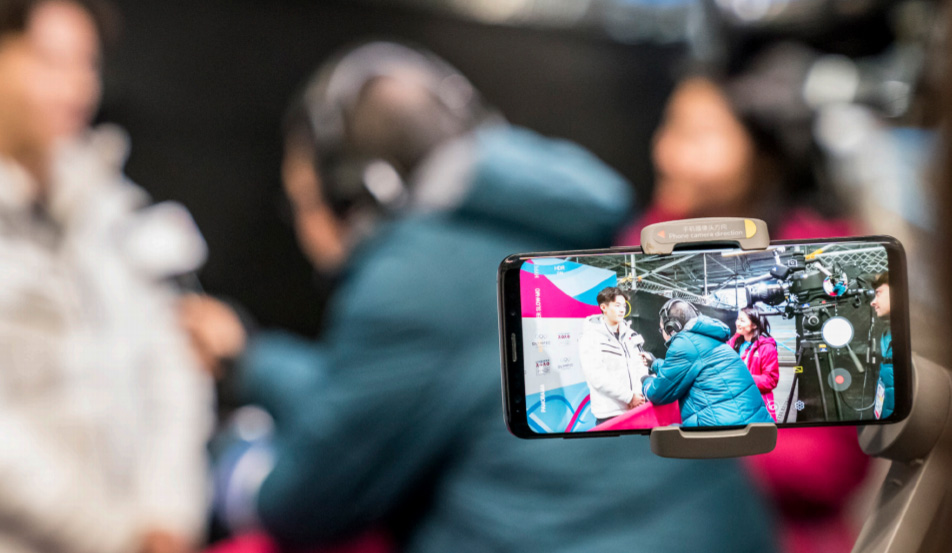
Las televisiones han encontrado nuevas vías para narrar los juegos olímpicos. El concepto de sofá como base de operaciones se desdibuja para ofrecer nuevos canales cuya demanda continúa creciendo. De esta forma, los móviles, tabletas u ordenadores emergen como vías paralelas que requieren de contenido específico y adaptado.
OBS se ha adaptado a estos requerimientos multiplicando su producción de contenido. Concretamente, ofrecerá más de 9.500 horas de contenido en numerosos formatos y para todo tipo de perfiles. Para facilitar estos procesos, OBS ha ampliado su servidor de medios cloud, ofreciendo la posibilidad de editar y descargar todas las piezas de formato reducido adaptadas a diferentes ventanas y en diferentes resoluciones. De esta forma, el broadcaster puede “olvidarse” de adaptar el feed principal, pudiendo tomar como base contenido predefinido para plataformas.
Para favorecer estos procesos, OBS ha desarrollado servicios adicionales como Content+, que al término de la competición habrá puesto a disposición de los broadcasters entre 7.000 y 9.000 clips pensados exclusivamente para su distribución a través de smartphones, por ejemplo. Karen Mullins, directora de gestión de producto de OBS, también destaca el servicio Sports Clip Service, el cual ofrecerá hasta 1.800 clips con los mejores momentos de las producciones deportivas.
5. Tecnologías inéditas en los Juegos Olímpicos
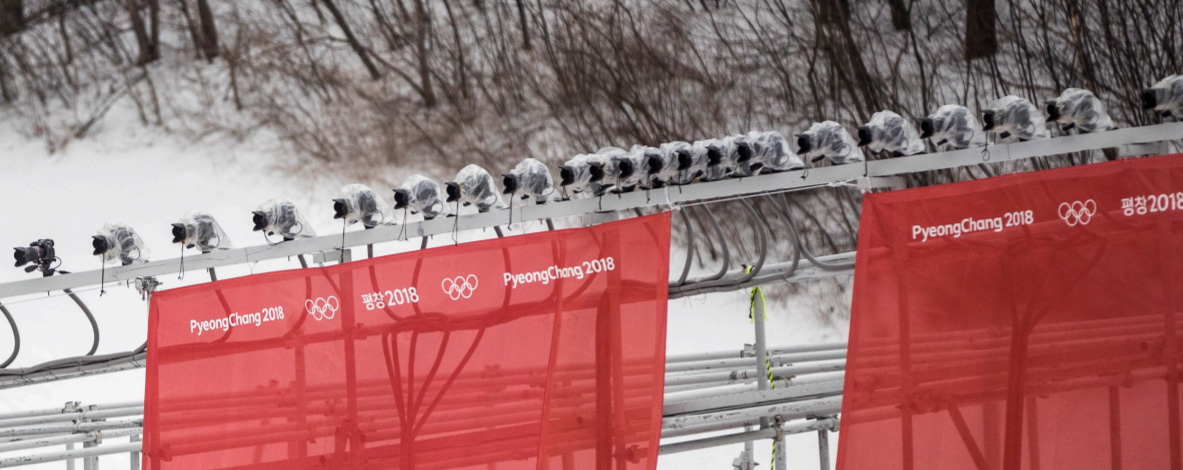
Más allá de las aplicaciones de formatos emergentes en la industria como UHD o 5G, Tokio 2020 cuenta con varias innovaciones que permiten enriquecer la retransmisión de una forma nunca antes vista en los Juegos Olímpicos. Entre estos desarrollos se encuentran los sistemas de repetición multicámara, compuestos de entre 60 y 80 cámaras 4K que permiten recrear acciones en 360 grados para que el espectador, tras cinco segundos de procesamiento, pueda ver todos los ángulos de una acción. Este sistema está siendo empleado en deportes como el Basketball 3×3, el Volleyball o Skateboard.
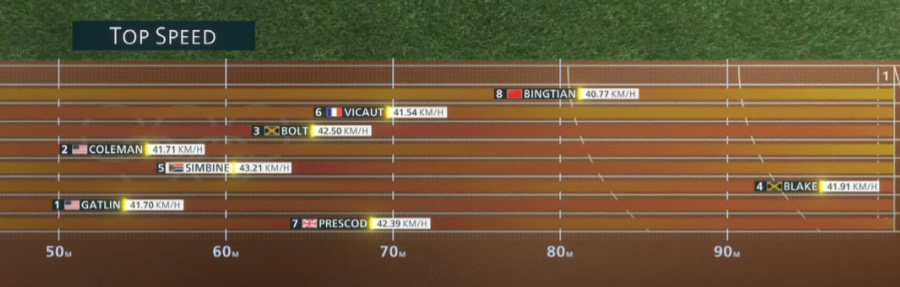 Otra innovación es el seguimiento de imágenes en 2D, que permite realizar un trackeo de los competidores basándose en la captación de la imagen en vez de en tecnología GPS. Esta iniciativa permite el renderizado de gráficos asociados a cada uno de los competidores de maratón, ciclismo o triathlon. Por otro lado, el trackeo 3D de atletas, developed by Intel y Alibaba, permitirá una representación gráfica completa del desarrollo de las principales carreras de atletismo, permitiendo identificar en qué momento los corredores han esprintado o alcanzado su máxima velocidad, por ejemplo. El sistema funciona con el procesamiento y posterior computación en tiempo real de las imágenes captadas por cuatro cámaras situadas en el estadio olímpico de Japón.
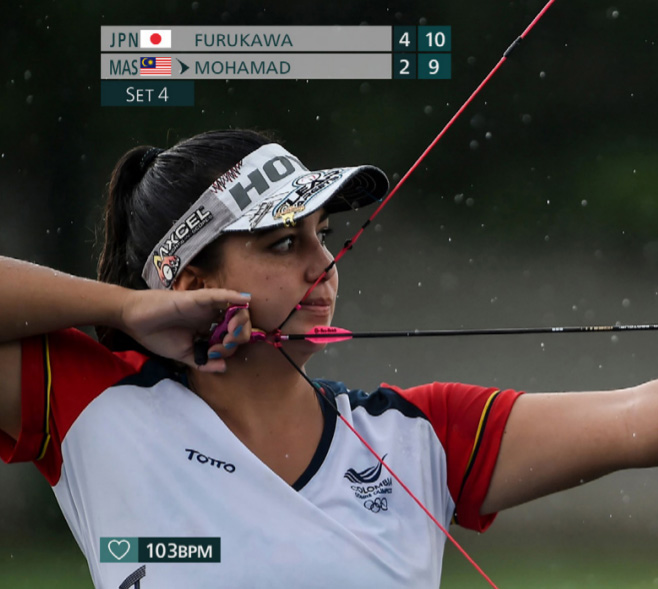 Tokio 2020 depara tres innovaciones más. Por un lado, la recopilación de datos biométricos ya es una realidad en las producciones deportivas. Una vez superadas cuestiones controvertidas como la protección de los datos, los espectadores de tiro con arco podrán descubrir en tiempo real el pulso de los atletas. Estos datos biométricos se consiguen a través de 4 cámaras Panasonic situadas a 12 metros de los atletas, las cuales pueden identificara los ligeros cambios del color de la piel generados por la contracción de los vasos sanguíneos y generar un pulso aproximado a tiempo real. Otra clave de la cobertura es True View, sistema de Intel que permitirá construir repeticiones tridimensionales basándose en 35 cámaras 4K situadas en el Saitama Super Arena, pabellón empleado para los encuentros de baloncesto.
Finalmente, Tokio 2020 también está ofreciendo gráficos virtuales en 3D en la disciplina de escalada deportiva. Este sistema permitirá el análisis en tiempo real de la superficie de escalada. Basándose en la realidad aumentada, la solución ayudará a explicar las dificultades y opciones a las que se enfrentan cada uno de los deportistas durante su participación en la prueba.
 6. Inmersión a través de realidad virtual
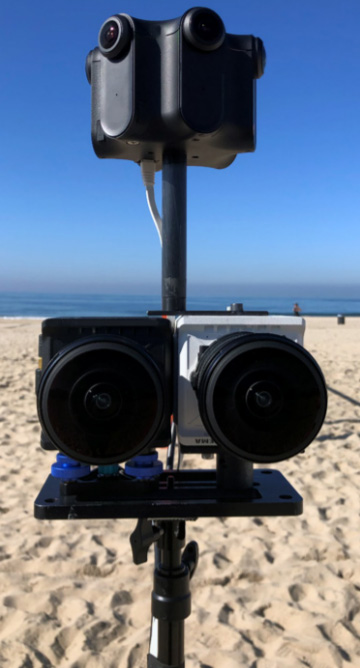
Como parte del esfuerzo de OBS para ofrecer a los propietarios de derechos todo tipo de opciones de difusión, Matt Millington, director de producción de contenido digital, ha impulsado la producción de 110 horas de contenido inmersivo en 180º y 360º. Este tipo de contenido está siendo aplicado tanto en las ceremonias de apertura y clausura (360º), y en deportes como atletismo, baloncesto, volley playa, boxeo y gimnasia (180º).
Para ofrecer esta opción, OBS ha desplegado un total de seis cámaras estereoscópicas de 180 grados. Aquellos broadcasters que quieran brindar este tipo de visualización vía streaming, permitirán a los espectadores no solo acceder a nuevos ángulos durante la producción en directo de las pruebas, sino también a contenidos inéditos como “mejores momentos” o planos POV.
El sistema, para cuya integración los broadcasters han contado con un SDK específico, es compatible con hardware específico como el Oculus Quest, con navegadores web y con dispositivos móviles.
 7. Producción remota íntegra en tenis y ruedas de prensa
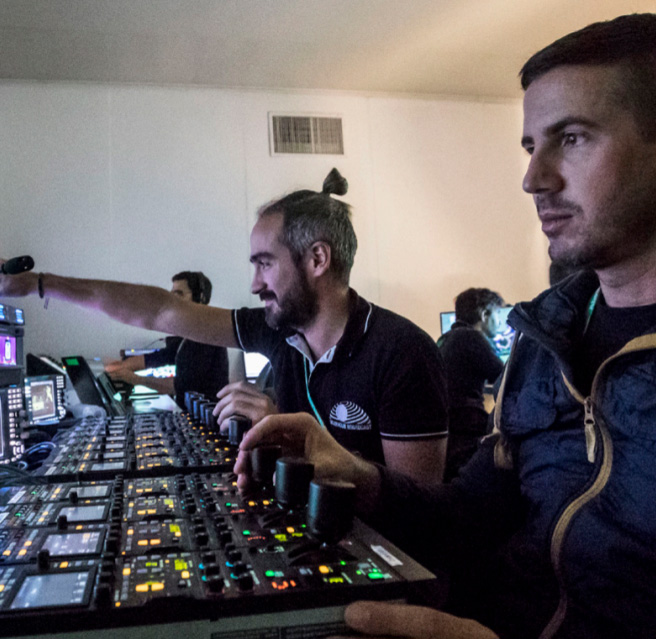
La producción remota, teóricamente, ya está lista. Los procesos, fabricantes y tecnologías están sobre la mesa. De hecho, muchos productores de contenidos ya se lanzan a producir ambiciosas producciones deportivas de esta modalidad. Sin embargo, OBS ha optado por ser cauto en esta área.
Tras poner a prueba en los Youth Olympic Games de Buenos Aires 2018 estos flujos de producción, todos los partidos de tenis de Tokio 2020 se captarán con cámaras robóticas. Por otro lado, la producción de las imágenes se hará directamente desde el IBC. Se aplicará un modelo similar para la cobertura de las ruedas de prensa.
 8. El cloud llega para agilizar la producción
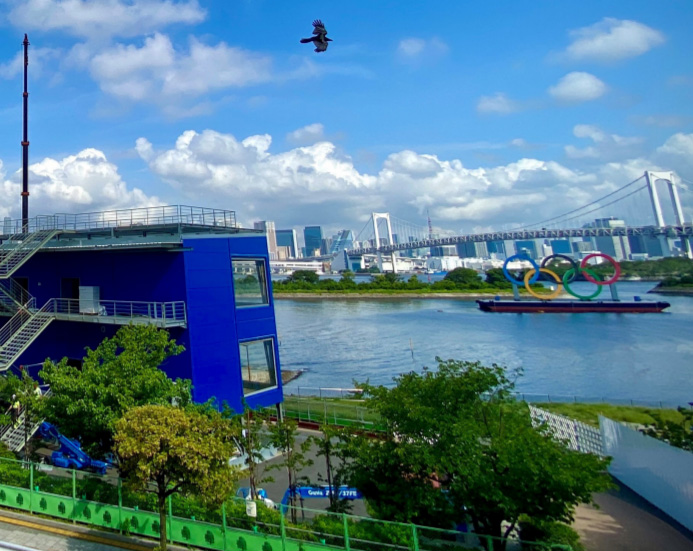
Más allá de estos procesos de producción remota, la nube consolida su presencia en los Juegos Olímpicos para aportar flexibilidad, procesamiento y acceso instantáneo tanto al equipo de OBS como a los propietarios de derechos de todo el mundo.
De cara a Tokio 2020, OBS ha unido fuerzas con Alibaba Group to create OBS Cloud, un conjunto de soluciones en la nube y adaptadas a flujos de trabajo broadcast “extremadamente exigentes y con gran cantidad de datos”. OBS Cloud, más allá de ofrecer capacidades de conectividad, procesamiento y almacenamiento de alto, también permite establecer sus propios sistemas de creación, gestión y distribución de contenidos dentro de la plataforma.
OBS prevé que, a medida que se sigan multiplicando las horas de contenido y las peticiones de acceso inmediato a contenido, la tecnología cloud será fundamental para cumplir sus objetivos, dada su escalabilidad y opciones de producción.
9. CTA: Mini centros de datos para optimizar la producción
Los contenidos de Tokio 2020, requeridos por propietarios de derechos de todo el mundo, se benefician en la gran mayoría de ocasiones de conexiones del feed oficial. De esta forma, los broadcasters ahorran recursos permitiendo centrarse en la personalización y narración de los contenidos. No obstante, 21 propietarios de derechos cuentan con su base de operaciones en el propio IBC de Tokio.
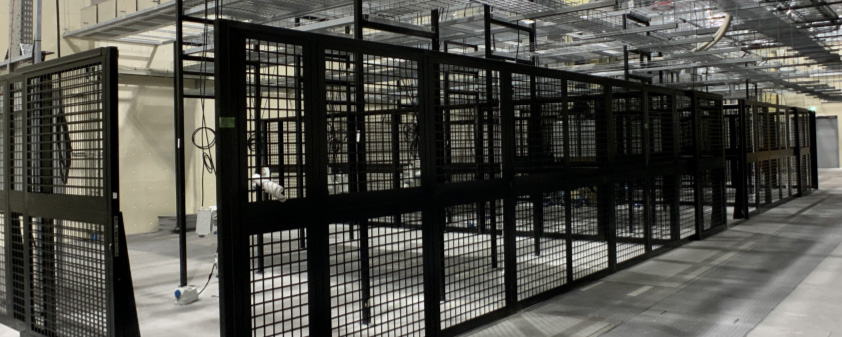
Los espacios utilizados por estas corporaciones incluyen desde pequeños escritorios con ordenadores, a sets más completos que implican platós, salas de edición, cabinas de comentarios o salas de producción de noticia. De cara a esta edición de los Juegos Olímpicos, y con el objetivo de optimizar las operativas broadcast, OBS ha impulsado las CTA, Centralised Technical Areas (Areas técnicas centralizadas).
In the words of Tomoyo Sato, responsable sénior de servicios broadcast, estos minicentros de datos adyacentes a las zonas de los distintos propietarios de derechos “albergarán y centralizarán todos los equipos técnicos de cada RHB en una zona dedicada y segura con capacidad de refrigeración específica”.
 10. Conectando a los atletas con los aficionados

La unidireccionalidad ya no es la única vía. Los fans están acostumbrados a interactuar y crear unas relaciones afectivas e identitarias gracias al despliegue de las redes sociales. In this way, the engagement se convierte en un concepto imprescindible para entender la fidelidad de los espectadores hacia un evento como Tokio 2020 y, más concretamente, hacia aquellos artistas que representan un país, una colectivo social o quizá las nuevas voces de una generación.
De cara a abordar estas necesidades, OBS ha impulsado una suite digital de engagement fan, la cual permite a los espectadores interactuar con los atletas en diferentes momentos de su día a día. Esta colección de herramientas digitales, en palabras de Yiannis Exarchos, CEO de OBS, “no sólo permitirá a los amigos y familiares interactuar con los atletas dentro del recinto, sino que también proporcionará a las emisoras acceso a nuevos flujos de participación y módulos interactivos que ofrecerán una gran cantidad de oportunidades de contenido, al tiempo que permitirán a los aficionados de todo el mundo participar activamente en el apoyo a sus héroes nacionales”.
Entre las iniciativas específicas que OBS ha puesto en marcha encontramos Cheer Map, un mapa en el que se puede comprobar en tiempo real qué audiencias están animando con más ímpetu a sus equipos nacionales, o Fan Video Wall, un muro de vídeo interactivo en el que los espectadores pueden grabarse animando.
Un reportaje de Sergio Julián
Tokio 2020 en cifras
- 9.500 horas de contenido producidos por OBS
- 4.000 horas de deportes y ceremonias
- 30% más contenido en comparación con Rio 2016
- 118 feeds de contenido HD
- 68 feeds UHD
- 76 feeds de distribución HD44 de distribución UHD
- 46 canales estéreo de radio
- 31 mobile units
- 22 sistemas fly-away
- 1.048 cameras
- 210 cámaras slow motion
- 250 mini cams
- 145 cámaras de radio frecuencia
- 18 cablecams
- 27 cámaras de seguimiento
- 37 grúas
- 3.600 microphones
- 40.000 metros cuadrados en el IBC
- 30 propietarios de derechos + Olympic Channel
- 140 organizaciones broadcast
- 220 países y territorios
- 8.100 trabajadores de OBS
Did you like this article?
Subscribe to our NEWSLETTER and you won't miss anything.
Related articles
 La NHK desvela los hitos de la cobertura 8K de Tokio 2020 en la 4K-HDR Summit
 UHD in Tokyo 2020: balance, challenges, 8K in Beijing and Paris…
 NHK will tell how it worked in 8K during Tokyo 2020 at the 4K HDR Summit
 OBS will give the keys to Tokyo 2020 production within the framework of the 4K-HDR Summit
 Connections with LiveU increased by 400% at Tokyo 2020
 NBC Olympics to produce Tokyo 2020 with Dell storage solutions
 940 Panasonic broadcast cameras, at the service of the Tokyo 2020 Olympic Games
 NBC Olympics to benefit from Grass Valley IP technology at Tokyo 2020
 Estas son las diez predicciones tecnológicas para 2020 según Juniper Research
 Panasonic heads into the final stretch ahead of the Tokyo 2020 Olympic Games
 Olympic Broadcasting Services partners with Alibaba to offer cloud services ahead of Tokyo 2020
 Intel promises 360º video in 8K at Tokyo 2020
 Panasonic, Sony and NHK: Japanese alliance to promote 8K technology before Tokyo 2020
 NHK confirms its plan to produce the 2020 Tokyo Olympics in 8K