





Sony presents the new Venice 2 cinema camera, with an interchangeable 8.6K sensor
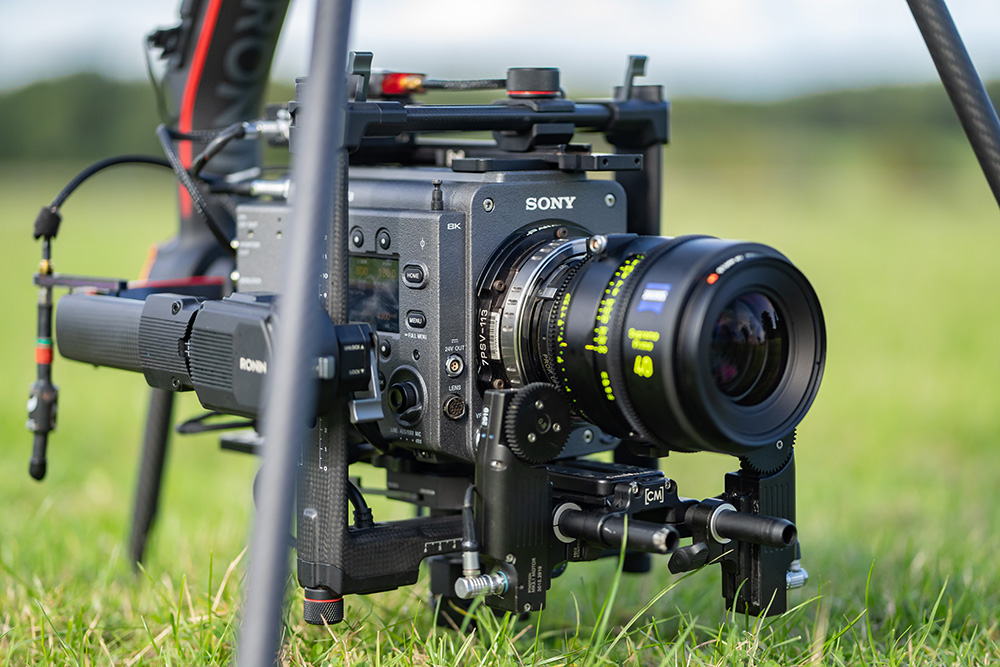
The flagship of the cinema area Sony, the Venice, evolves into Venice 2, a model equipped with a more compact body, internal recording in X-OCN and the possibility of using both the new 8.6K sensor and the original 6K sensor of the Venice.
The model Venice 2, which will coexist with the original Venice, stands out for having a censor CMOS Full Frame 8,6K (8640×5760), offer a total latitude of 16 steps and count on the same color technology than the original Venice. Other outstanding features of an exclusive dual base mode ISO 800/3200, which allows filmmakers to capture images in a wide range of lighting conditions.
The CineAlta Venice 2 supports all types of formats, from full frame (even full frame anamorphic) up to super 35mm, with a 4K minimum resolution. This versatility seeks to convince all photography managers to see the new Sony camera as a “multipurpose and versatile” solution for “any type of production.”
The Venice 2 camera with 8.6K sensor is scheduled to begin shipping in February 2022. The camera can be used with the extension system with the existing 6k sensor. A next-generation extension system for the 8.6K sensor is scheduled to be commercially available in early 2023.
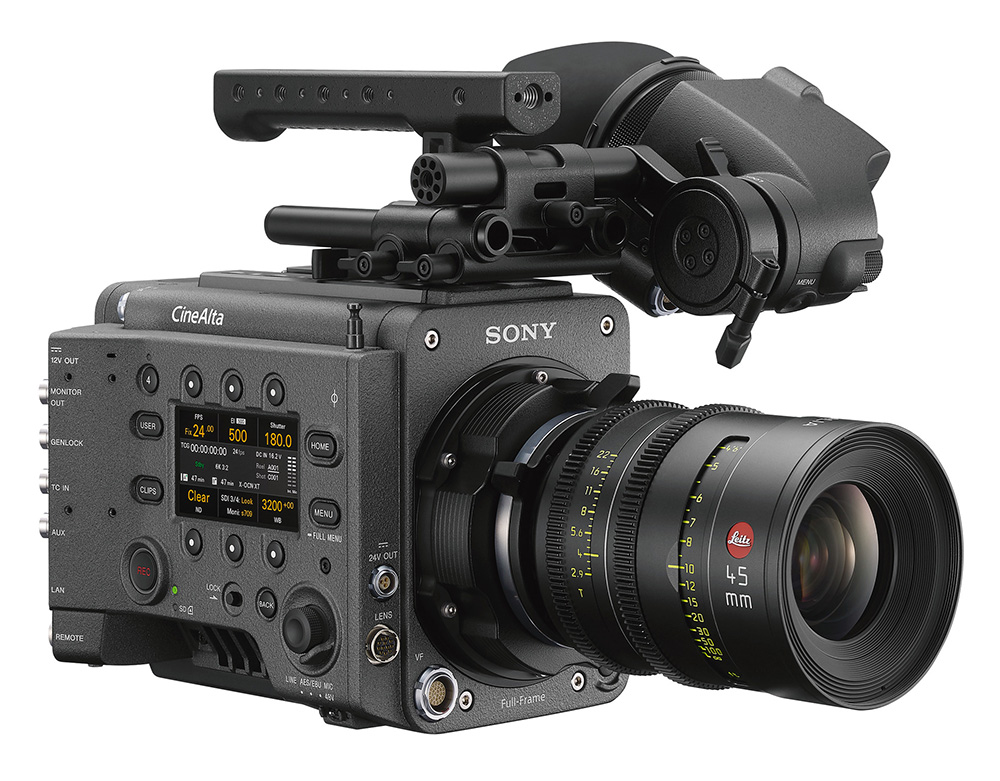
Improvements over Venice
Thanks to feedback from the production community, the Venice 2 has been designed with a smaller and lighter body than that of the original Venice, while its intuitive operation has been preserved. Despite being 44 mm smaller and approximately 10% lighter, the Venice 2 has new features such as recording X-OCN internal and Apple 4K Pro Res 4444 y 422HQ without the recorder AXS-R7.
The user-selectable capture resolution of the 8.6K image sensor allows recording in different modes, including 8.6K in 3:2 at 30 FPS and full frame; 8,2K in 17:9 at 60 FPS and full frame; 5.8K in 6:5 anamorphic at 48 FPS and super 35; either 5,8K in 17:9 at 90 FPS and Super 35.
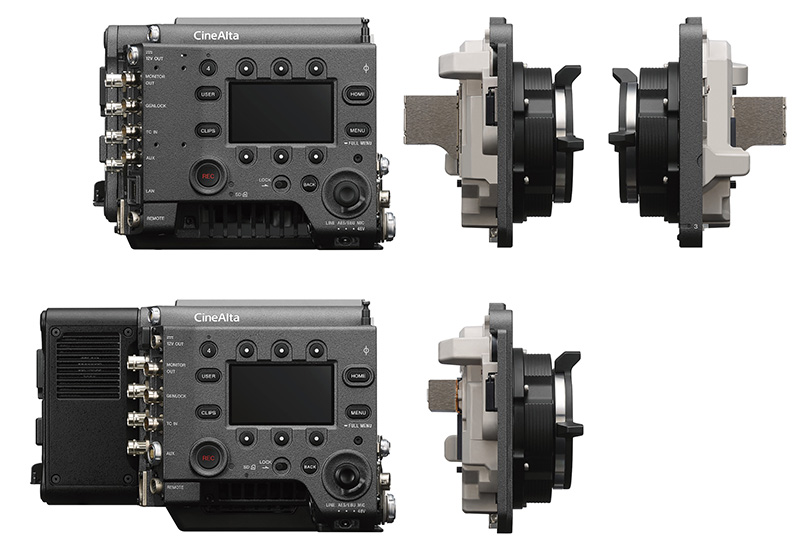
On the other hand, in order to provide greater flexibility, the Venice 2 chassis continues to incorporate the exclusive functionality that allows swap image sensor block. The camera can be used with both the 8.6K sensor and the original 6K sensor block. The camera body automatically recognizes the change and works without the need to exchange or reinstall firmware, providing greater flexibility during filming. The original 6K sensor offers a higher frame rate.
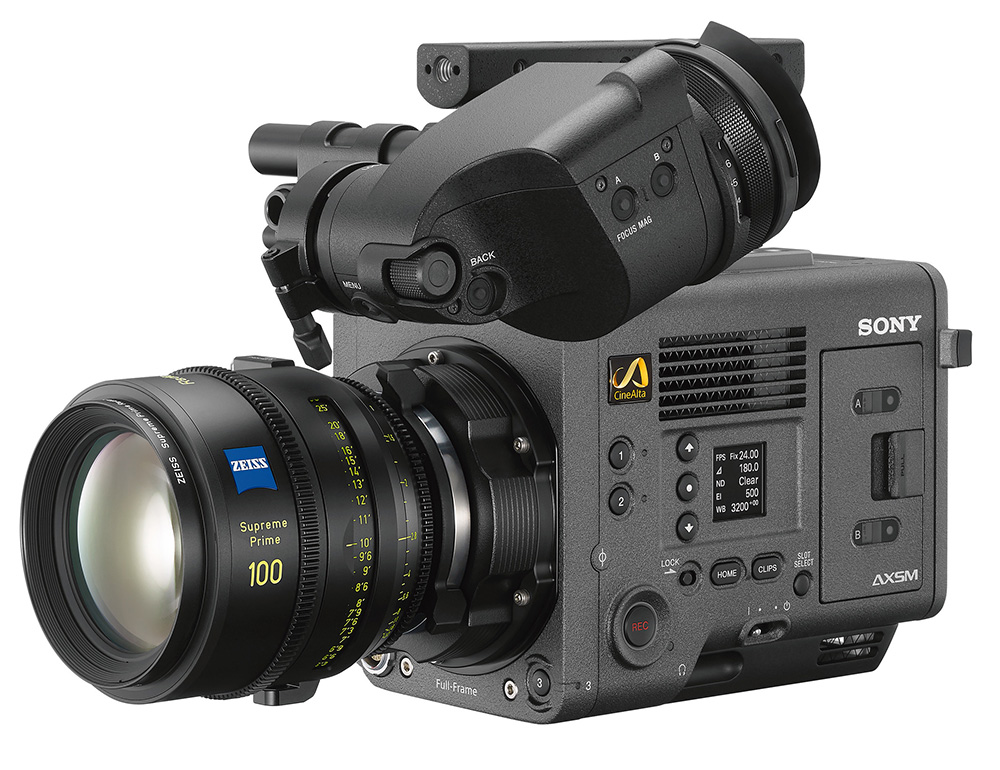
AXS and optimized functionalities
Sony's Venice 2 uses the new card AXS high speed 6,6 Gbps AXS-A1TS66 for recording in 8K 60p. card readers AXS existing, including AXS-AR3 through the interface Thunderbolt 3, are compatible with the new formats.
Regarding the user interface of the Venice 2, this is the same as the original, although it incorporates improvements to make its use simpler and more intuitive. The camera has a renewed design, while being compatible with almost all the original Venice accessories. Other improvements widely demanded by the community that have been applied are the 4K output with LUT applied; improved processing of LUT 3D to improve image quality; EI changes applied to S-Log3 outputs; LUT/ASC-CDL control through Ethernet/Wi-Fi; function Zoom to Fit (recording full frame with 17:9/16:9 monitoring); Ethernet connector position changed to valet side; output connector Lemon 2 pin for 12 V; or a internal microphone incorporated.
 A system put to the test
Several cinematographers have had access to the Venice 2's new 8.6K sensor. Robert McLachtan (ASC, CSC), who has worked in Game of Thrones, Westworld y Lovecraft Territory, defines the experience this way: "I would have loved to have a large format 8.6K sensor like the Sony Venice 2 during the filming of Game of Thrones. It would have made it look more epic and attractive, thanks to its higher resolution and sharpness. The higher frame rate and sharper reflections and shadows, along with the potential for a very shallow depth of field, would have been a huge advantage."
On the other hand, Claudio Miranda (ASC, ACC), after testing the Venice 2 in a California desert, states: "The film maintains fidelity in the shadows, and the open shots are incredible. No movie lighting was used in this shoot; the only light source was the car headlights and the fire. In fact, that was the goal: we were in the middle of nowhere and we had to light a big bonfire to illuminate the mountain and see how far the new sensor could reach without noise."
Finally, Rob Hardy (BSC), author of films such as Mission Impossible: Fallout, He comments: "I'm used to using the Venice. I'd say I'm a big supporter of that camera. The opportunity to use the Venice 2 is really fantastic. It's the first time I've used this 8.6K sensor. Additionally, we were lucky enough to get anamorphic lenses that cover the entire sensor and which we adjusted to create a cinematic effect. The ISO ranges have increased, allowing me to shoot faster in low light, something that wasn't possible before. This is a big advantage for me."
Did you like this article?
Subscribe to our NEWSLETTER and you won't miss anything.
Related articles
 Ikegami presents the new UHK-X700RF, SDI broadcast camera with native UHD sensor
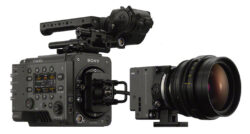 Sony presents its new Venice Mini extension system, aimed at the Venice 2
 Sony announces the HDC-P50A, camera with triple 2/3” 4K sensor and ST 2110 capabilities
 Sony presents its new Burano film camera, a complement (or alternative) to the Venice 2
 Mediapro Argentina incorporates the use of Sony's Venice camera in its sports broadcasts
 ARRI presents the Alexa 35, a 4K Super 35 camera with an unprecedented sensor
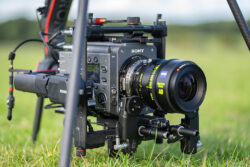 Sony introduces new Venice 2 film camera with interchangeable 8.6K sensor
 Sony launches its new FX3 full-frame camera with a cinema look and greater operability
 Sony presents its new FX9 camera together with the Venice at the AEC Microhall
 Sony unveils the new FX9 at IBC, a 6K camera with full frame sensor, autofocus and dual ISO
 Sony Venice: a 100% cinematic, full-frame, simple and modular camera
 Sony begins to deliver the first units of its new CineAlta Venice camera
 Sony will offer full frame image recording (24x36 mm) on the new Venice camera
 Sony presents a new analog camera with a fixed minidome