





How is the color of advertisements post-produced?


The team of Pijama Studio, estudio de postproducción audiovisual en Barcelona que ha trabajado para firmas como American Express, Apple, Audi, Google o Samsung, aborda las principales consideraciones técnicas en el tratamiento del color en los anuncios publicitarios.
A la hora de empezar a trabajar la corrección de color de un anuncio, hay algunas consideraciones técnicas que hay que tener en cuenta. Y es que, a diferencia de lo que se puede creer, este proceso empieza en la preproducción. Aspectos como la cámara, las lentes, el formato y la resolución son elementos claves que afectarán al tratamiento del color en la post-production phase.
 Calidad de imagen
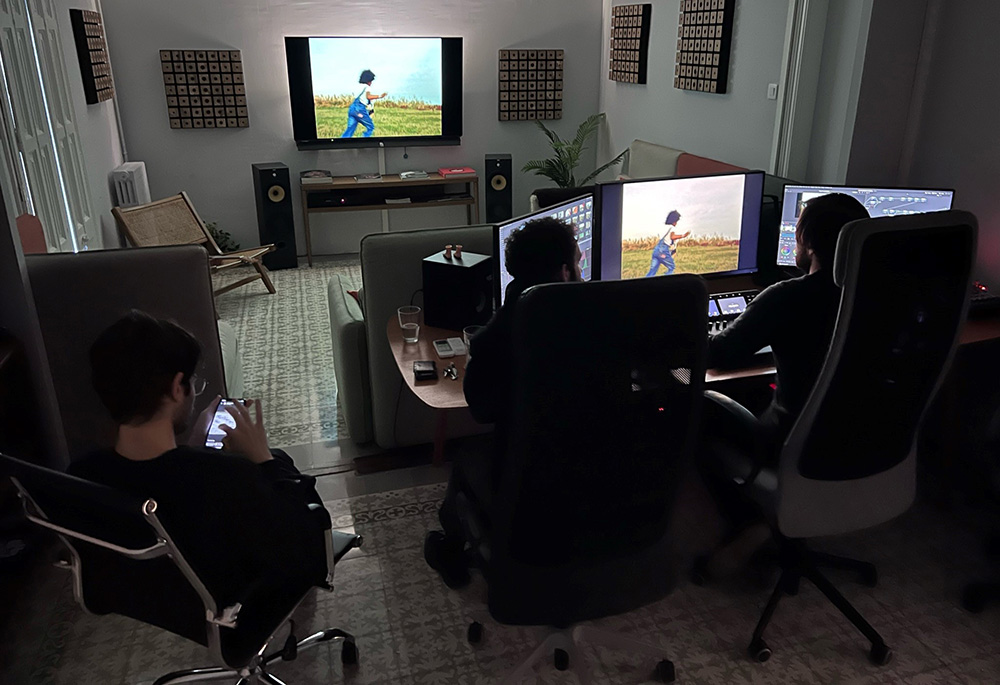
Si tuviésemos que resumir en una sola frase cuales son las condiciones óptimas para trabajar el color, diríamos que el footage siempre necesita la máxima calidad disponible. A mejor calidad de imagen original, mejor es el resultado final.
Muchas veces se confunde resolución con calidad de imagen cuando, en realidad, hay muchos otros aspectos que hay que tener en cuenta. Uno de estos aspectos es el códec. La diferencia entre rodar en RAW, Log y lineal puede ser abismal. En condiciones ideales, trabajaríamos sobre un formato RAW, que nos permitiría modificar aspectos del archivo original, como la exposición y/o la temperatura de color, actuando sobre el material original de rodaje. Otras veces, tendríamos que trabajar sobre el formato ya codificado y procesado, como podría ser un ProRes 4444 XQ in LOG. En ese caso, al tratarse de una codificación de altísima calidad y de muy poca compresión, añadido a que la curva de la imagen es logarítmica, seguiríamos teniendo margen suficiente para trabajar sobre la imagen.
El peor escenario para trabajar sería una imagen muy comprimida, tanto por codificación, como resolución. Un ejemplo de este último escenario serían archivos de vídeo en .mp4 o similar, like imágenes de archivo (stock footage) que poseen un rango de muestreo muy bajo (4:2:0) en la mayoría de casos, con una resolución por debajo de Full HD y códec de vídeo lineal, es decir, con muy poco rango dinámico.
En postproducción de contenidos para publicidad trabajamos habitualmente con proyectos muy distintos y estamos acostumbrados a encontrarnos con material de rodaje y archivos de todo tipo, tanto de máxima calidad como de una calidad muy baja, en la que queda muy poco margen para la corrección de color. Un estudio de postproducción, y el colorista en concreto, debe saber trabajar con todo este abanico de materiales y sacar el máximo provecho de cada uno de ellos.
 Espacios de color
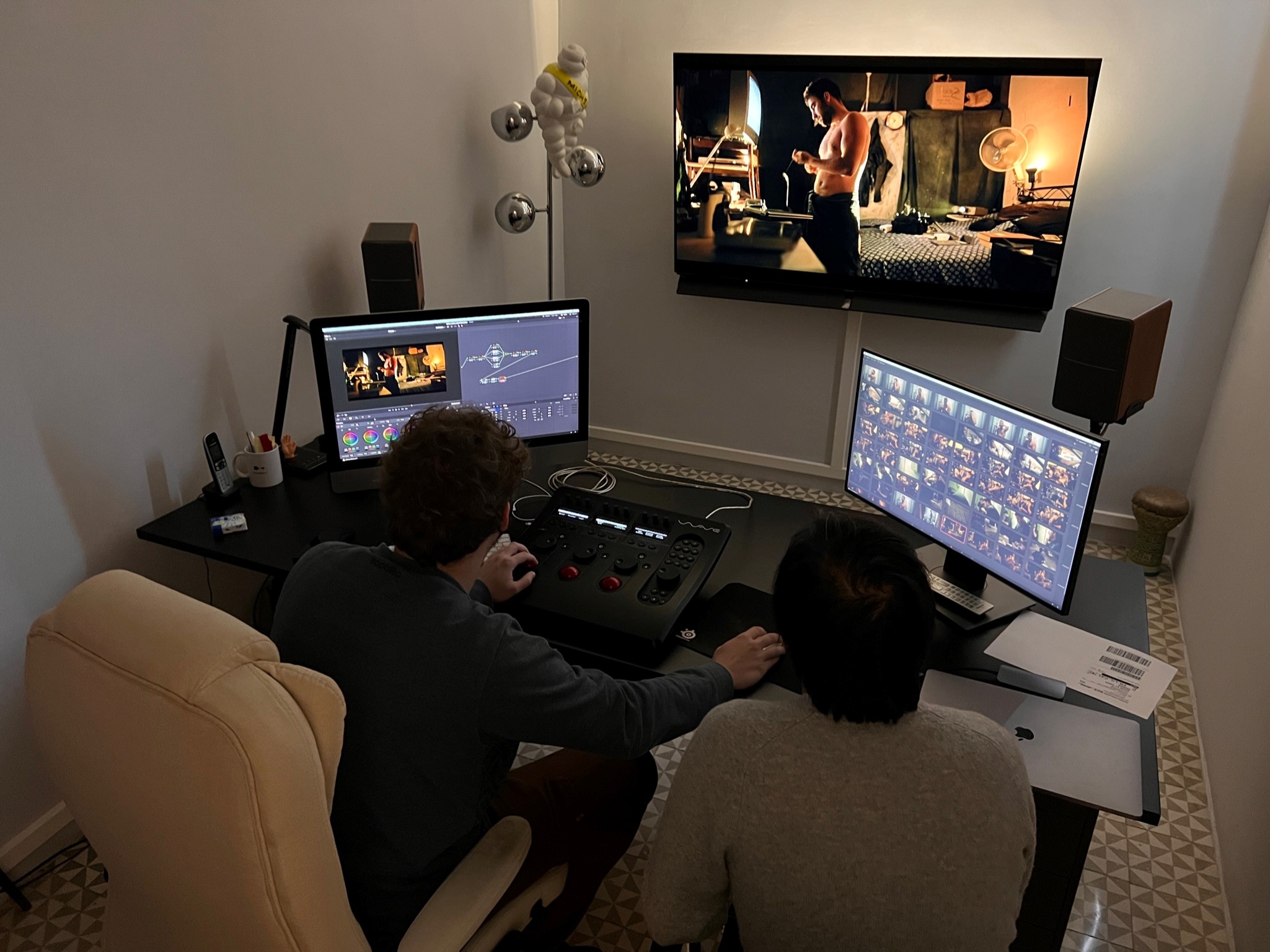
Relacionado con los diferentes formatos y orígenes de las imágenes, nos encontramos con la importante tarea del buen manejo de los espacios de color. Un buen entendimiento de este campo es cada vez más indispensable para obtener los mejores resultados.
Mayoritariamente, el espacio de color sobre el que se trabaja en la fase de telecine en publicidad es Rec709, dado que muchas de las piezas se van a emitir en la misma plataforma (TV), pero cada vez es más habitual que la misma pieza sea visionada en diferentes medios y plataformas. Por lo tanto, el porcentaje de anuncios publicitarios destinados únicamente a ser visionados en TV ha ido descendiendo, mientras que las piezas híbridas (tanto para TV como digital) y las que van destinadas solo a plataformas digitales han ido en aumento.
Cada destino necesita de un espacio de color propio y esto abre un amplio abanico a tener en cuenta. Las pantallas de ordenador, móviles, tablets y televisiones cada vez son capaces de reproducir espacios de color más amplios, es por eso que hacer un buen trabajo de “color management” es esencial para afrontar un proyecto publicitario y/o ficción.
Workflow
Como consecuencia de lo anterior, el workflow of the casas de postproducción y del colorista está adaptándose a las nuevas necesidades, exigiendo de estos unos conocimientos y una manera de trabajar específica. Esto, añadido a la gran cantidad de versiones, cambios de última hora and the apretados tiempos de entrega que manejamos en el entorno publicitario, hacen de un buen diseño de postproducción un elemento clave para obtener los mejores resultados.
El workflow de postproducción en ficción y publicidad ha ido por caminos distintos durante mucho tiempo, pero recientemente estamos viendo cómo se está empezando a utilizar en publicidad el workflow que hasta ahora se había aplicado mayoritariamente en ficción. Este es, centralizar el proyecto en el entorno de trabajo de corrección de color y finalizar la pieza (generar deliveries en todos los formatos y resoluciones necesarias) en este mismo entorno.
Esta manera de trabajar da al colorista más responsabilidad en el flujo de trabajo y es esencial para que el proyecto cumpla con unos estándares de máxima calidad. Si se lleva a cabo con la atención que se merece, este workflow ayuda a reducir posibles problemas entre diferentes implicados en la fase de postproducción y agiliza todos los procesos.
 Etalonaje en ficción y publicidad
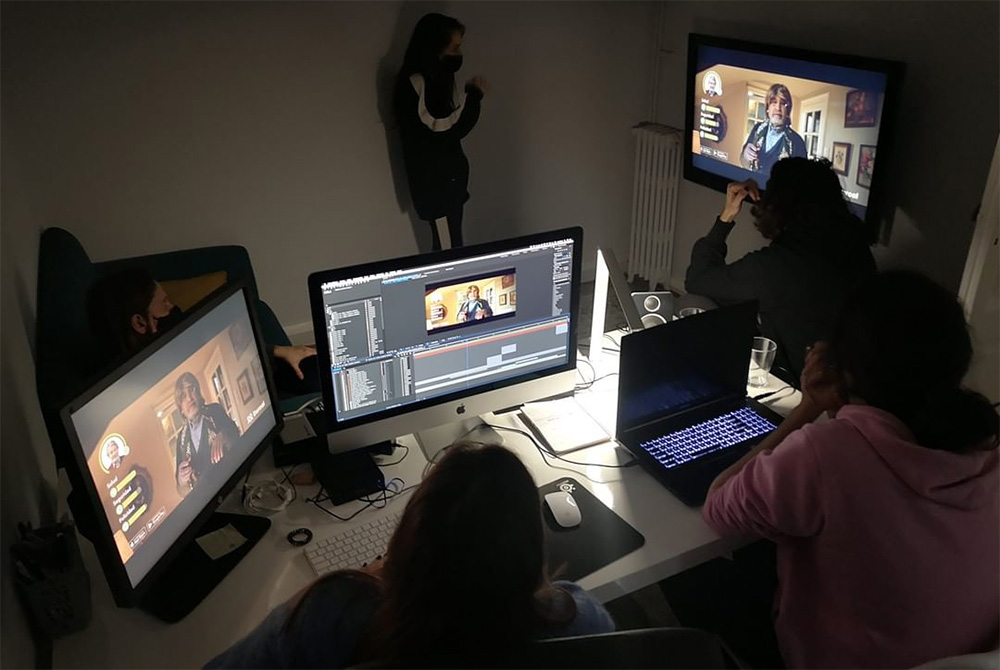
Además de todo lo anterior mencionado, no hay que olvidar la función principal del colorista: trabajar sobre la pieza y hacerla crecer con las herramientas que tiene a su alcance.
Cuando el colorista se pone ante un nuevo proyecto, debe entender cuál es la finalidad de su trabajo y, aunque en muchos aspectos, el trabajo del colorista en ficción y publicidad es muy parecido, sí que nos encontramos con algunas diferencias. La principal de ellas es que, en ficción, el color está totalmente supeditado a la historia y es una herramienta fundamental que ayuda a la narrativa, mientras que en publicidad, el enfoque es un poco más abstracto. Cuando trabajamos en un “spot de TV” nunca podemos olvidar que el objetivo de una pieza publicitaria es enfatizar un producto y su mensaje correspondiente.
En publicidad, aunque el look sigue siendo muy importante, ya no es el elemento principal que va a conducir el telecine, porque la prioridad es destacar aquello que estamos anunciando. Es por ese motivo que en publicidad la atención al detalle es aún más relevante. El trabajo con máscaras y secundarios es algo habitual para conseguir el mejor resultado. El tiempo y dedicación que exige cada plano es mayor y es común estar una jornada entera trabajando para finalizar un anuncio de 60 segundos.
Conclusión
Como hemos podido observar, las consideraciones técnicas en el tratamiento del color de una pieza publicitaria no solo se limitan al trabajo que se hace durante una sesión de color. Hay muchos otros aspectos a tener en cuenta que, si no se les presta la atención necesaria, pueden hacer que un buen trabajo de color quede empañado por culpa de no haber tenido una visión más completa de qué significa hacer el color de una pieza publicitaria.
Pijama Studio
Estudio de postproducción audiovisual en Barcelona, especializado en las últimas plataformas de software y los nuevos canales de entrega.

Did you like this article?
Subscribe to our NEWSLETTER and you won't miss anything.
Related articles
 Nick Eagleston shoots ads adapted to a vertical format with AJA ROI-SDI as a key tool
 Kauai Made Films postproduce íntegramente ‘Too Much Life’ con DaVinci
 Sony ofrece nuevas herramientas para producción virtual tanto en preproducción como en gestión de color
 Matt D’Avella post-produces content for YouTube from the cloud with Blackmagic Cloud
 Anuncios publicitarios: una aproximación desde la dirección de fotografía
 Patrick Kalyn postproduce su último corto con los módulos Fusion y Fairlight de DaVinci Resolve
 The Canary Islands present their weapons as a set for advertising shoots
 Telson postproduce el sonido de la película ‘El olvido que seremos’, de Fernando Trueba
 RGB Laser Projection: How to Turn Rec. 2020 Color into a Reality
 Tres60 BCN Apuntolapospo postproduce ‘Solo Química’
 Digital Jungle produces and post-produces its first feature film with Pablo 4K
 Imasblue postproduce los efectos digitales de ‘Blancanieves’
 Can Communicate postproduce con Pablo en 3D ‘Safari Park Adventure’
 Telson postproduce ‘La piel azul’ para BocaBoca y Antena 3