





Sustainability and modular workflow: new keys for live production
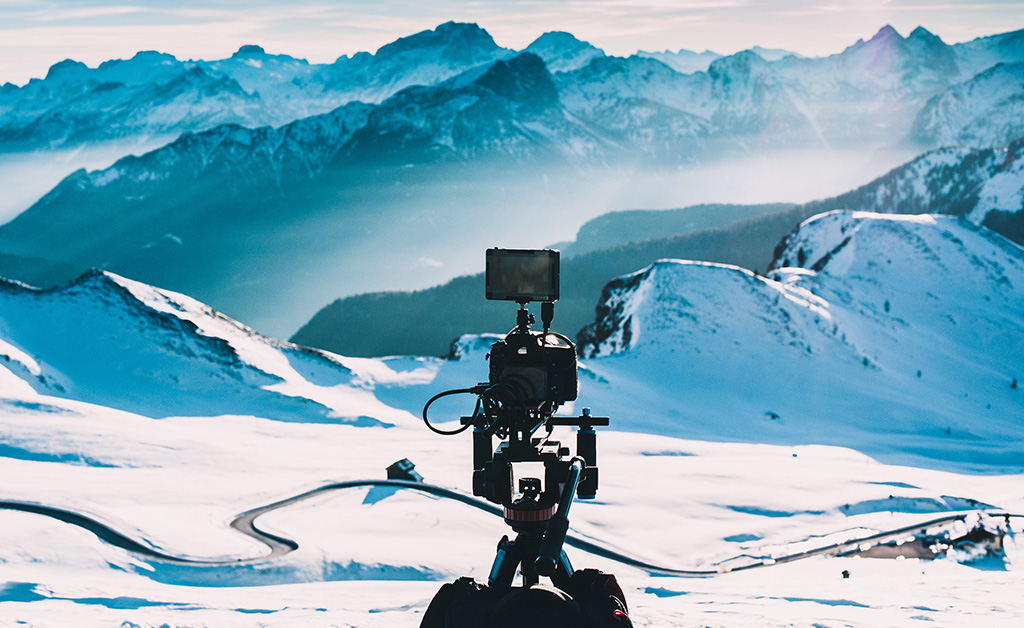

Norbert Paquet, jefe de producción en directo de Sony Europe, aborda con perspectiva renovada las grandes oportunidades que tienen frente a sí las empresas dedicadas la producción en directo en todas sus vertientes.
En 2021, el Grupo Intergubernamental de Expertos sobre el Cambio Climático pronosticó que las temperaturas aumentarían 1,5 °C, lo que ocasionaría daños irreparables en el ecosistema mundial. Solo durante este año, se han destruido casi 660.000 hectáreas en incendios forestales en toda Europa. No cabe duda de que estamos sufriendo una emergencia ambiental que se agrava por todo el mundo. Mientras los organismos mundiales hacen frente al reto de la sostenibilidad, las empresas deben convertirse en parte de la solución.
Los cambios legislativos y la mejor accesibilidad a los informes de sostenibilidad ayudan a que las empresas tomen medidas con respecto al cambio climático. El sector del broadcast ha avanzado en conjunto y entidades importantes como la BBC, RTE y STV se han comprometido a medir el impacto que generan, reducir a la mitad las emisiones de carbono de aquí a 2030 y usar su contenido para ayudar al público a comprender el significado que puede tener para ellos abordar el cambio climático.
With a enfoque modular de la producción en directo, es posible reducir el consumo de recursos and the emisiones de gases de efecto invernadero.
Sin embargo, sigue habiendo dudas sobre las iniciativas de la producción en directo para adoptar prácticas sostenibles. Lo que se observa es que la producción en directo depende de determinados recursos para funcionar correctamente y, por lo tanto, los cambios en el proceso comprometerían las producciones.
Sin embargo, como socio clave del sector, Sony ha analizado este reto y ha buscado oportunidades que permitan incorporar soluciones más sostenibles en partes concretas del proceso. Creemos que, con un enfoque modular de la producción en directo, es posible reducir el consumo de recursos and the emisiones de gases de efecto invernadero que se asocian a este tipo de producción. De esta forma, disminuiría la huella de carbono general.
El entorno empresarial cada vez se centra más en los criterios ambientales, sociales y de gobernanza, por lo que las empresas que no sigan el mismo camino no sobrevivirán. Si el sector de la producción en directo puede encontrar la forma de cumplir las rigurosas credenciales de sostenibilidad, no solo se asegurará el futuro del planeta, sino también el éxito del sector en el futuro.
Convirtiéndose en el eslabón más verde de la cadena
El transporte representa actualmente casi una cuarta parte de las emisiones de gases de efecto invernadero de Europa (y de este el 70% es transporte por carretera). En la live production, las mobile units, que suelen pesar más de 40 toneladas, son la solución para transportar el equipo grande y pesado de una ubicación a otra. Probablemente sean las culpables de al menos una gran parte de las emisiones de una producción.
Aprovechar la tecnología en la nube para el procesamiento podría promover iniciativas de sostenibilidad.
En la práctica, estas unidades no se pueden eliminar sin más del proceso. Sin embargo, con tecnologías de IP y remotas que nos permitan separar las funciones de producción en partes más pequeñas y conectar las que se necesiten en cada producción, podemos preparar unidades más pequeñas que lleven mucho menos equipo y personal. También podemos reducir el número de unidades móviles en circulación. De esta forma, disminuirían considerablemente las emisiones y los costes.
Además, aprovechar la tecnología en la nube para el procesamiento podría promover estas iniciativas de sostenibilidad. De esta forma, no solo se reducirían el equipo y los recursos necesarios, sino que tener una única ubicación de procesamiento y permitir trabajar en remoto ofrece muchas advantages para reducir las emisiones in situ y las de la logística (desplazamientos del personal, transporte del equipo, etc.).
Adoptando un flujo de trabajo modular
Si bien ya hay varias soluciones, como las funcionalidades remotas y centralizadas, al adoptar un enfoque modular of the live production (separar las operaciones y los sistemas de producción en módulos independientes), las producciones pueden ver las soluciones sostenibles desde una nueva perspectiva.
Separar las operaciones en módulos puede llevar mucho tiempo, pero traerá ventajas importantes a largo plazo.
Hay que analizar minuciosamente cada proceso de producción integral to identificar oportunidades con las que lograr ese cambio sostenible. Al fin y al cabo, los cambios deben ir en consonancia con los objetivos empresariales más amplios y tener en cuenta la eficacia, la calidad, el coste y el impacto sostenible. Adoptar la modularity implica que se can cambiar (y no «se deban cambiar») partes del proceso de producción para las que haya soluciones sostenibles, y que las producciones puedan acceder a opportunities para ser más sostenibles sin renunciar a la calidad ni a la fiabilidad.
Separar las operaciones en módulos puede llevar mucho tiempo, pero traerá ventajas importantes a largo plazo. Al usar las tecnologías de IP, de software y en la nube para las funciones de procesamiento principales de las unidades móviles que antes eran monolíticas, se pueden agilizar las operaciones. Tal y como hemos comentado, la unidad se divide en módulos funcionales que se interconectan mediante IP, y se combinan y separan según las necesidades de cada producción. Los equipos pueden usar los recursos con mayor eficiencia y utilizar lo que necesiten cuando lo necesiten, nada más.
Conseguir un sector sostenible
Un socio como Sony aportará lo necesario a las empresas de producción en directo para que adopten soluciones sostenibles a medida de las necesidades concretas que tengan. Cada producción tiene requisitos únicos. Un sistema modular permitirá a los operadores elegir las soluciones con las que hacer frente a sus retos concretos y también les ayudará a reducir el aprovisionamiento excesivo y minimizar los recursos, los residuos y las emisiones de carbono de los desplazamientos.
Alex Mahon, director ejecutivo de Channel 4, ha afirmado que se trata de un momento crucial para el sector. El público y los broadcasters se están uniendo con entusiasmo para abordar la crisis climática. Si siguen los criterios ambientales, sociales y de gobernanza, las empresas de producción en directo pueden contribuir al compromiso más amplio del Acuerdo de París sobre el cambio climático y conseguir cero emisiones netas. Cuando ocupen un lugar más verde en la cadena de suministro del sector, podrán transmitir estas credenciales a sus clientes de broadcast y avanzar conjuntamente para lograr un futuro sostenible.
Visita este link para obtener más información sobre las iniciativas de sostenibilidad de Sony para los profesionales de este sector
Norbert Paquet
Jefe de producción en directo de Sony Europe

Did you like this article?
Subscribe to our NEWSLETTER and you won't miss anything.
Related articles
 Dimension announces a new workflow for content production 100% based on AI
 Sony identifies the keys to achieving sustainable live production
 TV Tokyo (Japan) broadcasts live from Barcelona with a Blackmagic Design workflow
 Moncada organizes the live event 'Canon Cinema: From camera to post-production. Workflow in Raw Light'
 InfinitySet 4 revolutionizes virtual production workflow
 Area Broadcast professionals will be present at IBC 2019 to present their workflow proposal in production environments
 Qvest Media transforms public broadcaster Deutsche Welle's production workflow
 Sony to unveil new 4K and IP workflow offerings at NAB 2015
 Sony Announces 4K Upgrade License, Plus Improved Connectivity and Workflow Efficiency for PXW-X70 and PXW-X200 Cameras
 The production and dissemination of content over IP and new 4K cameras: JVC keys for IBC 2014
 Sony and Adobe collaborate on 4K content production workflow
 Adobe Delivers New Creative Tools While Accelerating Your Workflow
 Orad iFind MAM expands its production workflow design capabilities for graphics and audio
 Cinegy revelará nuevas herramientas de flujo de trabajo digital en IBC’09