





RTP: on the verge of its most crucial broadcast transformation
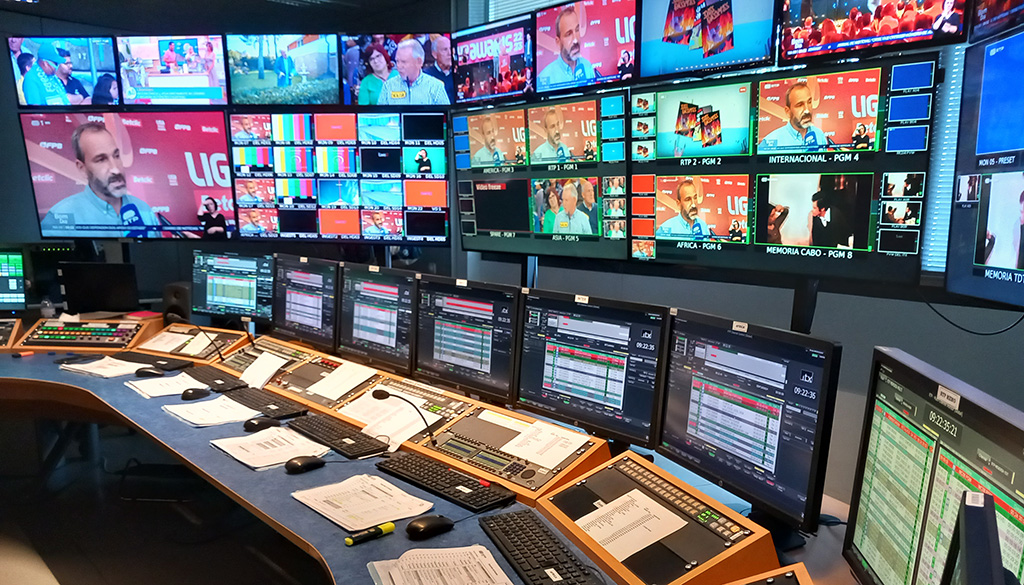

Mónica Cañete Palomo, directora de ingeniería, sistemas y tecnología de RTP, explica el proceso de rediseño broadcast que está atravesando la radiotelevisión portuguesa, que abordará profundos cambios estructurales durante los próximos años.
RTP, the Rádio e Televisão de Portugal, se aproxima poco a poco a su 90º aniversario. Con sus primeras emisiones radiofónicas en 1935 y su salto a la imagen en 1957, la radiotelevisión lusa ha acompañado a varias generaciones en su educación, entretenimiento e información. Ni su historia difiere de sus homólogas europeas, ni ha podido esquivar muchos de los condicionantes que acarrea el modelo de financiación público.
Un importante descenso en inversión en infraestructuras y equipos tecnológicos durante la última década, profundamente marcada por las crisis económicas que han marcado el panorama económico global, llevó a la RTP a un modelo de supervivencia técnica. Mientras que debía seguir cumpliendo su labor de servicio público, la imparable evolución tecnológica y la explosión del mundo digital provocó que el equipo de ingeniería de la cadena hiciera todo lo que estuviera en sus manos para aproximarse lo máximo posible a la vanguardia televisiva.
Esta problemática, compartida históricamente por muchas televisiones estatales ante periodos inciertos de financiación, parece encontrar solución en un futuro cercano. La dirección de RTP ha sido consciente de la necesidad de cambiar el rumbo tecnológico de la corporación aunando una transformación profunda que permita racionalizar los esfuerzos tecnológicos, sustituir múltiples sistemas core que están a las puertas de estar descontinuados, y afrontar una nueva etapa para abordar el nuevo panorama mediático multiplataforma. Solo así será posible asegurar la continuidad de sus ocho canales lineales, sus casi dos decenas de emisoras radiofónicas, o sus múltiples plataformas online, lideradas por RTP Play.
Mónica Cañete Palomo, recientemente incorporada a las filas de RTP, es la encargada de liderar este ambicioso proyecto. Tras adquirir un conocimiento transversal del negocio broadcast en compañías destacadas como RTVE, Vitelsa o Telefónica Servicios Audiovisuales (TSA), y ocupar diversos puestos de responsabilidad ya en territorio portugués como TVI y Record TV durante dos décadas, afronta su mayor proyecto hasta la fecha con el firme propósito de “redibujar” los sistemas para ir “al encuentro de las necesidades de todos los departamentos” de la casa. Palomo traslada su experiencia hasta la fecha acompañándola de una fotografía que permite anticipar cómo será la transformación de la radiotelevisión pública portuguesa.
¿En qué punto está RTP?
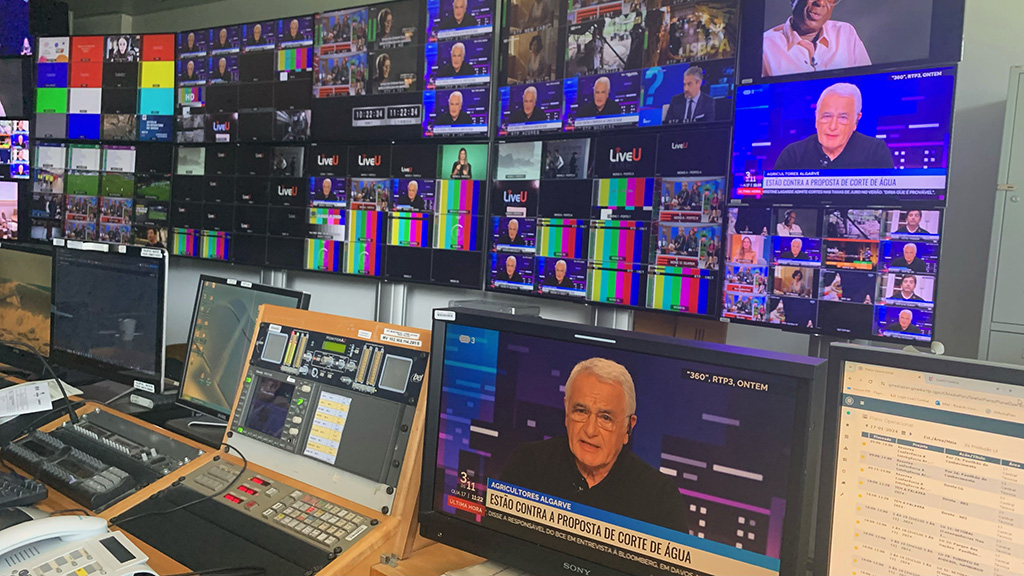
“Apagando fuegos”: así define Cañete Palomo cómo ha sido la convivencia del equipo de ingeniería de RTP con sus instalaciones y soluciones tecnológicas durante los últimos años. A nadie le hará arquear la ceja: hablamos de una situación sempiterna en muchos entornos broadcast.
El día a día de la televisión ha hecho que los limitados recursos otorgados por las administraciones publicas hayan sido empleados de la “mejor manera posible” haciendo “mucho con lo poco que tenían”, reconoce la directora técnica, quien también aclara que “se han ido haciendo cosas muy bien hechas, pero por islas, de forma que, en ocasiones, no han quedado integradas una con otras. Creo que esto lo sentía la Administración, puesto que la televisión en ocasiones no conseguía avanzar en sus proyectos. Ahora RTP ha tomado la determinación de redefinir procesos y plataformas; modernizarse, integrar y preparar toda su infraestructura para afrontar los retos actuales del mercado y todos los futuros que se nos vienen encima con los nuevos hábitos de consumo”.
RTP ha tomado la determinación de redefinir procesos y plataformas; modernizarse, integrar y preparar toda su infraestructura para afrontar los retos actuales del mercado y todos los futuros que se nos vienen encima con los new consumer habits”.
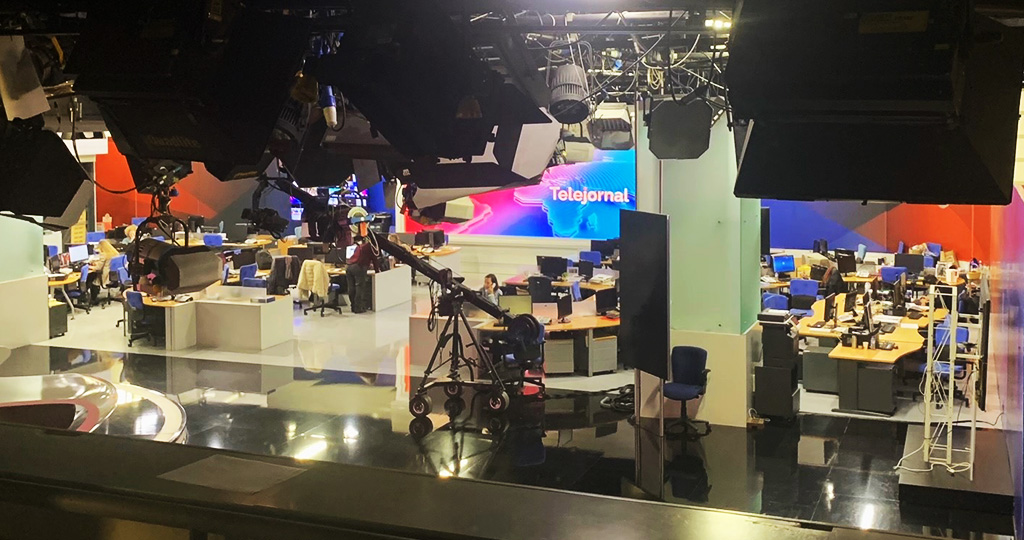
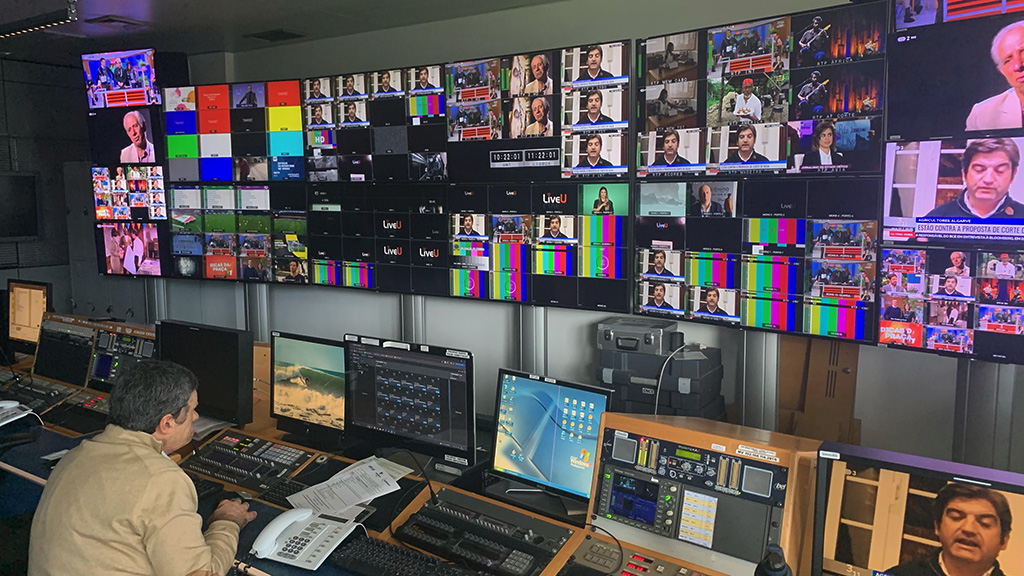
Reunión tras reunión, Palomo y su equipo van identificado los puntos críticos para entender la situación de una televisión compleja, con infraestructuras de producción distribuidas en Lisboa, Porto, Coimbra, Faro, Madeira y Azores que se encuentran en diferentes niveles de transformación: “Queremos tener una visión global para todos los proyectos. A lo mejor una parte del equipo está realizando tests con codificadores SRT para un tipo de contribución, mientras que otro lo está haciendo con un objetivo diferente. El objetivo será construir una plataforma común de contribución”.
Una reorganización obligada por la industria
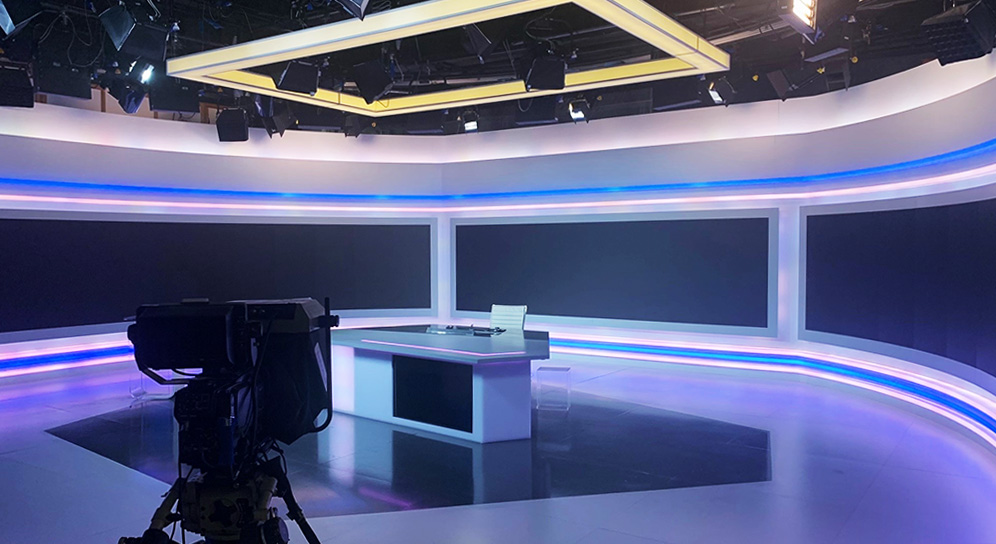
“¿Dónde queremos llegar? ¿Cómo lo vamos a hacer?” son dos de las preguntas que espera resolver a corto plazo RTP para emprender su nueva etapa tecnológica. Para ello, Cañete Palomo y su equipo se encuentran trabajando en una línea de tiempo que definirá los objetivos fundacionales de esta nueva etapa tecnológica, sin descuidar las prioridades inmediatas de la televisión: “Ahora tenemos la necesidad de renovar un estudio en Oporto. Es algo que queremos hacer y que es algo urgente, pero no nos puede desviar de otros proyectos de base: las plataformas centrales que tenemos que sustituir”.
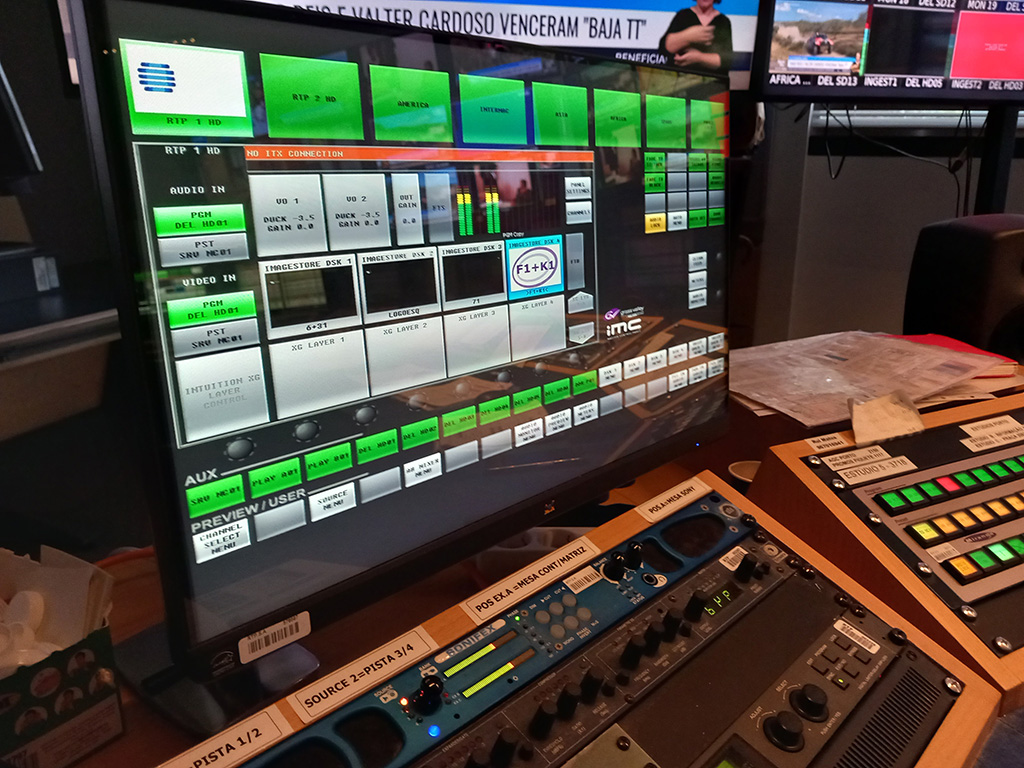 Cañete Palomo identifica como plataformas centrales a los equipos core de la infraestructura que están cerca de ser descontinuados tras una larga vida útil, de más de 15 años en algunos casos. Sistemas heredados todavía en uso de Quantel, Omnibus, la plataforma de playout iTX de Grass Valley o el sistema de redacción de Avid (previo a la transformación SaaS de MediaCentral), encaran sus últimos días de funcionamiento por cese de soporte o descontinuación de su fabricación: “El mercado broadcast han cambiado. Se han comprado las empresas, han desaparecido líneas completas… Puedes comprar una cosa y que en un plazo razonable de años ya haya desaparecido”.
Esta nueva coordinación de los componentes básicos de la cadena de producción de RTP, debe convivir en la medida de lo posible con los últimos esfuerzos realizados en los centros de producción de la cadena. Por ejemplo, la sede de Azores, que se encontraba deteriorada por el paso de los años, recibió una notable inversión con equipos más adaptados a la actualidad del broadcast como los software de The valley, mientras que para la infraestructura de Madeira, también renovada recientemente, se escogieron soluciones Omnibus e ITX, del mismo tipo de los que se encuentran en Lisboa. A corto plazo esta “mezcla de centralización en Lisboa y sistemas independientes en las delegaciones” pasará a ser “lo más integrada posible”, para potenciar la coherencia entre centros y realizar inversiones lo más inteligentes posibles: “En función del presupuesto veremos cómo podemos ir cambiando todo eso. Por ejemplo, ya nos encontramos creando una capa de BPM para poder orquestar todo coordinadamente”.
Un futuro SDI con la mirada puesta en el IP
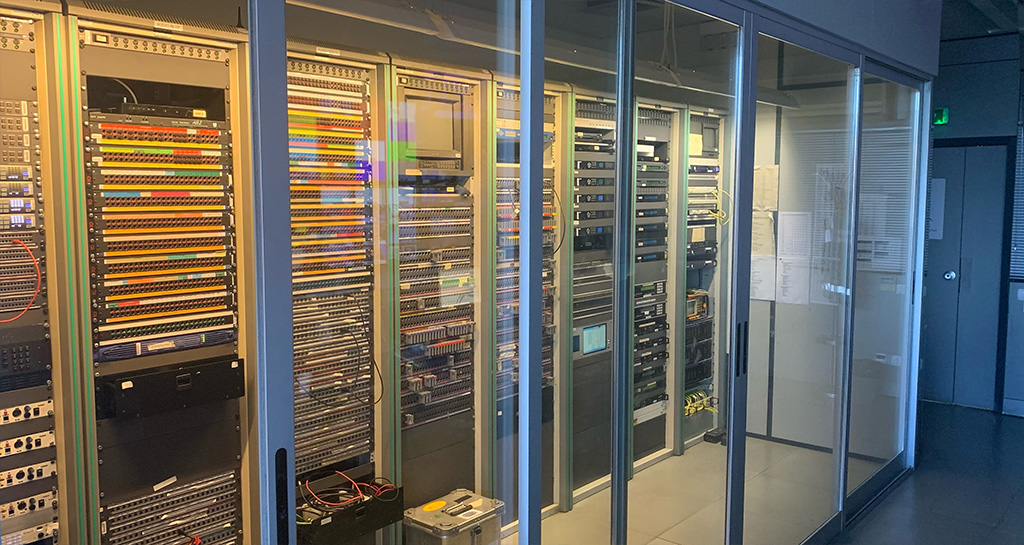
SIC, cadena privada portuguesa y principal líder del mercado audiovisual en Portugal junto con la también privada ITV y la propia RTP, acometió una profunda transformación al IP en 2021 y 2022, aprovechando su cambio de sede y adelantándose a una corriente que comienza a extenderse por toda Europa: “Ellos tuvieron la suerte de que iban a cambiar de ubicaciones, y si ahora iniciáramos cualquier cosa de cero, me iba a IP y punto. El problema es cuando tienes una infraestructura hecha y ya está en producción”, señala Cañete Palomo justificando la apuesta presente de la radiotelevisión pública portuguesa por el SDI. Los condicionantes actuales de RTP así como la naturaleza del IP, especialmente con problemática como la ciberseguridad, la detección de fallos o la necesidad de contar con superusuarios pendientes de acompañar a la televisión en su nueva etapa, lleva a la cadena a ser extremadamente cauta con este salto. También preocupa la cuestión de la interoperabilidad entre equipos: “Ya pasaba con el MXF, que era un estándar, pero ya daba muchos problemas de compatibilidad”.
No obstante, la directora técnica de RTP tiene claro que a medio plazo marcará el futuro de la cadena. Por ello, ya se están tomando los pasos adecuados para hacer que las renovaciones más inmediatas de la radiotelevisión tengan en cuenta una posible transición en el futuro: “Habíamos pensado en hacer un primer estudio IP en Oporto, pero la cuestión es que nuestra fuerza técnica está aquí, y queremos contar con un seguimiento cercano para que también sirva de aprendizaje. Por ello, estamos viendo en nuestro presupuesto la posibilidad de dejarlo más o menos preparado para migrarlo en el futuro”.
“Estuve hablando hace poco con Chema Casaos y me contaba todas las posibilidades del IP para cambiar de configuración inmediatamente que están aplicando en Telemadrid”.
Oporto quedará en standby en relación al IP, pero se abre una puerta para las instalaciones de RTP en Lisboa: “Aunque ya hayamos hecho la transición al HD de toda la televisión, todavía queda un estudio en SD, el último. Lo vamos a migrar a HD de forma más o menos rápida para este año, pero nuestra idea es hacer una renovación total a finales de año para que ya esté en IP”. Las posibilidades tientan al equipo de ingeniería portugués, muchas veces por las palabras positivas de otros compañeros de profesión: “Estuve hablando hace poco con Chema Casaos y me contaba todas las posibilidades del IP para cambiar de configuración inmediatamente que están aplicando en Telemadrid”.
Finales de 2024 será la fecha en la que el IP llegará a RTP, pero de una forma “relativamente simple, con poco riesgo”, y la transición continuará paso por paso hasta que, quizá, llegue a los procesos de emisión en 2027: “En tres años vamos a tener que cambiar todo nuestro playout. ¿Por qué? Porque se discontinua ITX. Cuando eso suceda, vamos a intentar meterle todo el IP posible”.
Renovación inminente en la encrucijada entre OPEX y CAPEX
Dado que Cañete Palomo se encuentra inmersa en un proceso de conversaciones para contar con la mejor fotografía posible de la distribución tecnológica de RTP y de las necesidades de cada grupo de trabajo, no está asegurada la continuidad de ningún equipo en la televisión portuguesa. Las decisiones son tomadas con el paso de las semanas, lo que hará que equipamiento de estudios, sistemas de seguimiento, almacenamiento, MAM o playout varíen con soluciones todavía sin determinar que contribuirán a la homogeneización tecnológica de la cadena portuguesa. Apenas un par de marcas privilegiadas continuarán a medio plazo: “Continuamos comprando, porque estamos muy contentos, mesas de Theirs tanto para radio como para televisión. Además, acabamos de hacer ampliación de la parte de transcoding de Vantage (Telestream)”.
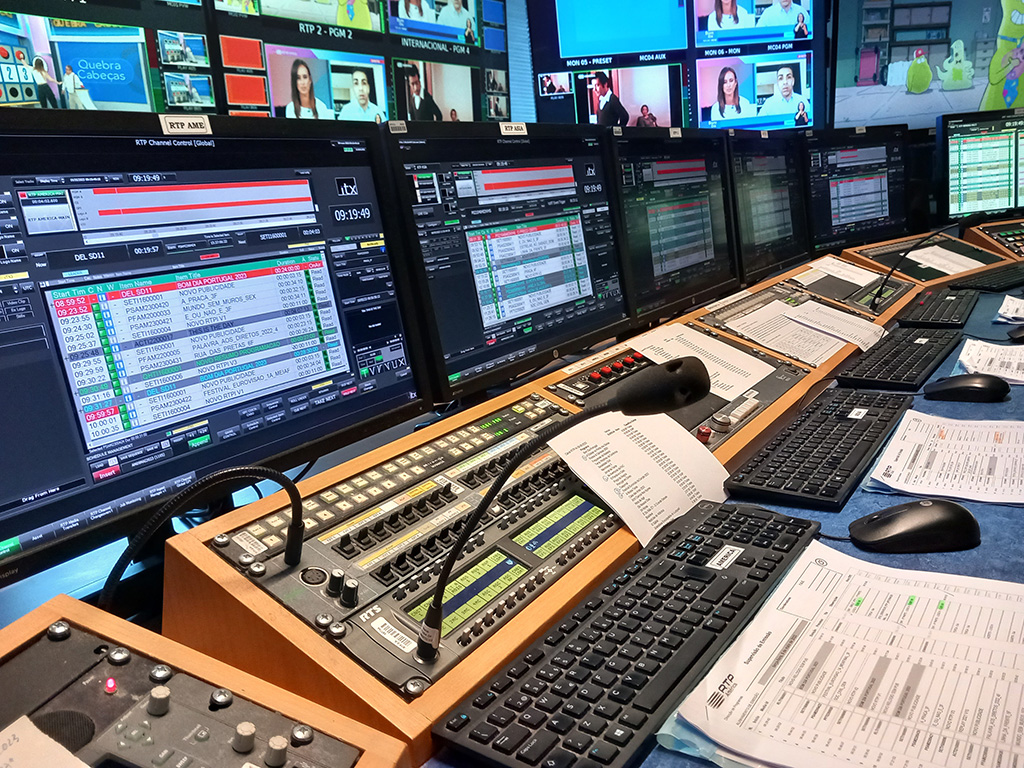 El resto de inversiones se decidirán teniendo muy presentes los mundos SaaS, cloud e incluso las oportunidades de la virtualización, pero aún más la complejidad del modelo OPEX para los gastos de una radiotelevisión pública financiada por un estado: “La cuestión no es como lo veamos nosotros, sino cómo lo vea el gobierno. Toma el tema de Omnibus, cuyo ciclo de vida ha sido de 15 años. Si tienes un sistema por el que estás pagando una suscripción, no puedes dejar de pagarla. Pero, por otro lado, puedes pensar que puedes comprar dos o tres equipos de Omnibus y dejarlos de espejo. Porque si tu OPEX es muy alto, a lo mejor no consigues llegar a todas las inversiones que te gustaría hacer para este modelo. Habrá que aplicarlo para algunas cosas para las que sí tendrá sentido, porque serán equipos que sí o sí tendrán que estar actualizados. Imagínate la emisión, que es tan importante”.
A pesar de los beneficios del modelo OPEX, así como la indudable tendencia de la industria broadcast hacia este modelo, Cañete Palomo reconoce que “no va a ser fácil siendo una televisión pública”.
La UHD en RTP
Al tiempo que RTVE está realizando sus primeros pasos en el mundo UHD con el lanzamiento de su canal 4K, RTP da pasos en esta dirección con la producción de algunos formatos con estas características a fines de preservación y distribución a través de las plataformas digitales de la corporación.
Cañete Palomo no considera que el UHD figure una prioridad para responder a la demanda de la sociedad portuguesa. Aún con todo, reconoce que el salto a la experiencia 4K, HDR, WCG y más de la radiotelevisión pública portuguesa es posible y respondería, en cualquier caso, a una cuestión estratégica: “Tener un canal en Ultra HD por ahora no está en nuestras prioridades, pero mañana puede cambiar. Seguiremos apostando por la UHD en eventos específicos, como lo estamos haciendo en nuestra plataforma OTT o incluso grabando conciertos en UHD, pero ahora tenemos tantas cosas por hacer y tecnologías con tantas posibilidades reales, como la ciberseguridad o la inteligencia artificial…”
La reconversión de las unidades móviles
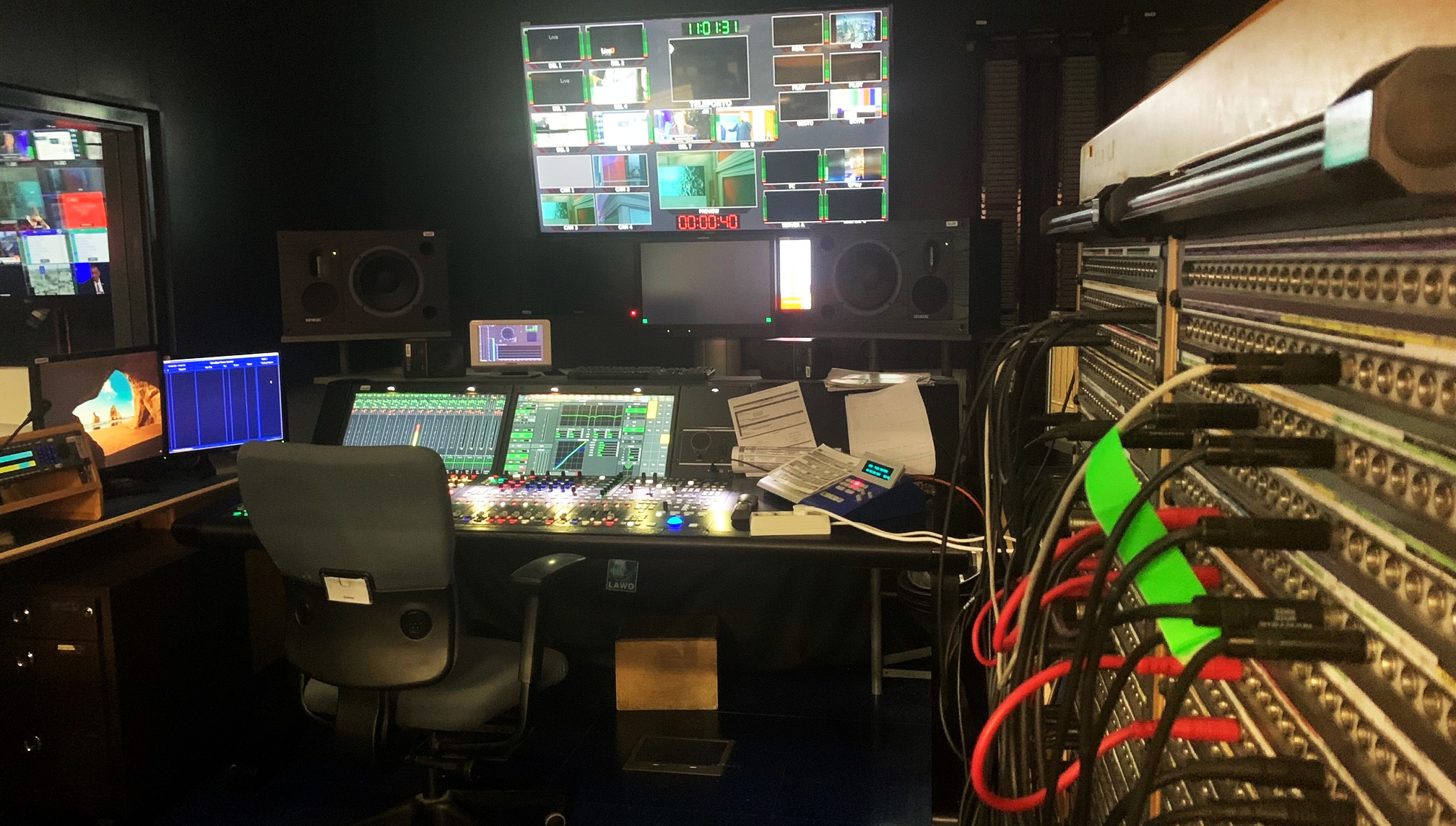
RTP cuenta en la actualidad con una flota de cuatro unidades móviles y varias DSNG, las cuales han constituido el corazón de sus coberturas en exteriores hasta las llegadas de las mochilas de retransmisión 4G y 5G. Su versatilidad, estabilidad y notables ahorros operativos, al igual que al resto de la industria broadcast mundial, han convencido al equipo de la compañía lusa: “El estándar que tenemos actualmente es LiveU, pero para mí puede ser también TVU, Quicklink… No tengo ningún problema con mezclar plataformas siempre y cuando nos aporten alguna ventaja”.
La dependencia del satélite alcanza mínimos históricos año tras año, lo que incluso ha llevado a RTP a acometer un proceso de reconversión de los vehículos DSNG a “unidades ligeras de producción” que puedan facilitar el poder alquilar un circuito de fibra para un evento especialmente exigente para la cobertura móvil para poder enviar señales vía SRT o incluso explorar las posibilidades de los receptores Starlink: “Queremos que los operadores prueben Starlink, 5G y hagan todo tipo de pruebas para que se les quite el miedo a operar combinando este tipo de sistemas”.
Plataformas digitales para llegar a nuevos grupos de edad
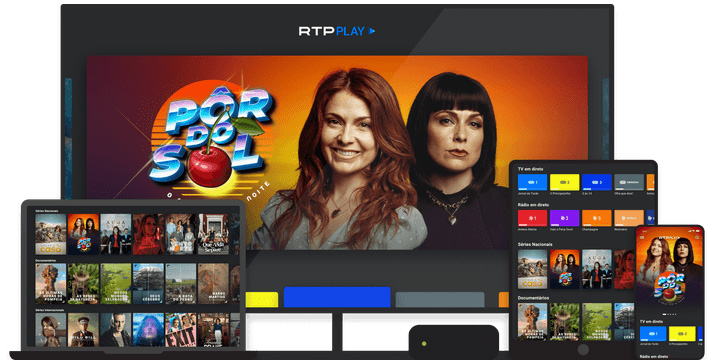
He public service que rige las decisiones de RTP obliga a la corporación de situarse en cada ventana en la que se encuentren sus espectadores para así llegar y ofrecer un valor a todos los ciudadanos portugueses. La explosión de las plataformas de video bajo demanda, así como del consumo deslocalizado a través de dispositivos móviles, ha empujado a la radiotelevisión a crear nuevos formatos dirigidos a métodos de distribución alternativos: “Estamos trabajando para que esa plataforma con la que llegamos a nuevos públicos cuente con todo el soporte tecnológico que necesite”.
Siempre que tengamos la inversión necesaria, trataremos de confiar en un producto BPM de terceros what personalizaremos, parametrizaremos e integraremos con nuestra estructura para dar soporte a las plataformas OTT.
Cañete Palomo y su equipo han decidido confiar en un proveedor externo para construir su nueva plataforma BPM, de modo que puedan responder a la espídica evolución del mercado para situarse a la vanguardia y así dar apoyar a las plataformas de vídeo bajo demanda de RTP: “No somos una empresa de software. Podríamos hacer ese desarrollo nosotros más barato, pero trayendo numerosos problemas y desventajas. Siempre que tengamos la inversión necesaria, trataremos de confiar en un producto BPM de terceros que personalizaremos, parametrizaremos e integraremos con nuestra estructura para dar soporte a las plataformas OTT, entre otras muchas áreas”.
Grupos de trabajo para definir una nueva identidad broadcast
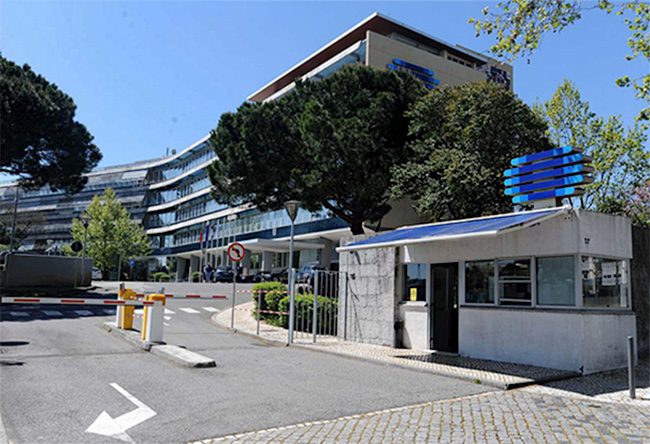
RTP se encuentra en un punto de convergencia clave para afrontar un periodo repleto de desafíos. La inteligencia y la lógica en los procesos será aplicada de manera transversal en toda la radiotelevisión para lograr una optimización de recursos humanos y tecnológicos que garantice que la labor de servicio público se desarrolle de manera coherente, efectiva y responsable.
La toma de decisiones que acompañará la transición en las soluciones core de la producción y distribución de la radiotelevisión portuguesa se llevará a cabo acompañado de una “unificación de los estándares a todos los niveles” para así “pararse a analizar todo y redefinir cada elemento entre todos”: “Queremos reconvertirnos, reinventarnos a nivel de workflows y a nivel de plataformas tecnológicas que nos den soporte para los desafíos actuales y futuros que van a venir. También vamos a integrar nuevas tecnologías de IA, ciberseguridad o cloud, que va a ser muy importante, por ejemplo, a nivel de disaster recovery. En definitiva, vamos a redibujar de alguna forma los sistemas que nos dan soporte para poder ir al encuentro de todas las necesidades de todos los departamentos”.
A report by Sergio Julián Gómez
Did you like this article?
Subscribe to our NEWSLETTER and you won't miss anything.
Related articles
 Entain inicia su transformación IP con Lawo y Arista
 Twin Pines: the VFX factory, at the gates of the new and crucial stage of fiction
 Telos Alliance: actualización crucial para la gama Axia con StudioCore y StudioEdge
 ATK Versacom: ambitious Riedel deployment at a crucial championship of the eSports universe
ATK Versacom: Riedel's ambitious deployment in a crucial eSports world championship
ATK Versacom: ambitious Riedel deployment at a crucial championship of the eSports universe
ATK Versacom: Riedel's ambitious deployment in a crucial eSports world championship
 The crucial moment: the consolidation of the IP in Telemadrid
 Broadcast and expanded color: on the threshold of a new era?
 The Goya 2023 will take place on February 11 in Seville with a crucial novelty
 NextRadioTV acelera su transformación digital y expansión de red con Dalet
 Atos demuestra en el IP Showcase su visión de la transformación IP en broadcast
 Connecting Media: los expertos debaten sobre la verdadera transformación digital del broadcast al IP
 BIT Broadcast 2014 abre sus puertas abordando la tecnología audiovisual en su más amplia perspectiva
 SET Broadcast&Cable 2012 cierra sus puertas
 Broadcast'09 opens its doors today at IFEMA