





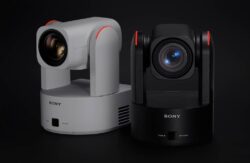
Sony BRC-AM7: the new 4K 60p PTZ with AI-based autoframing
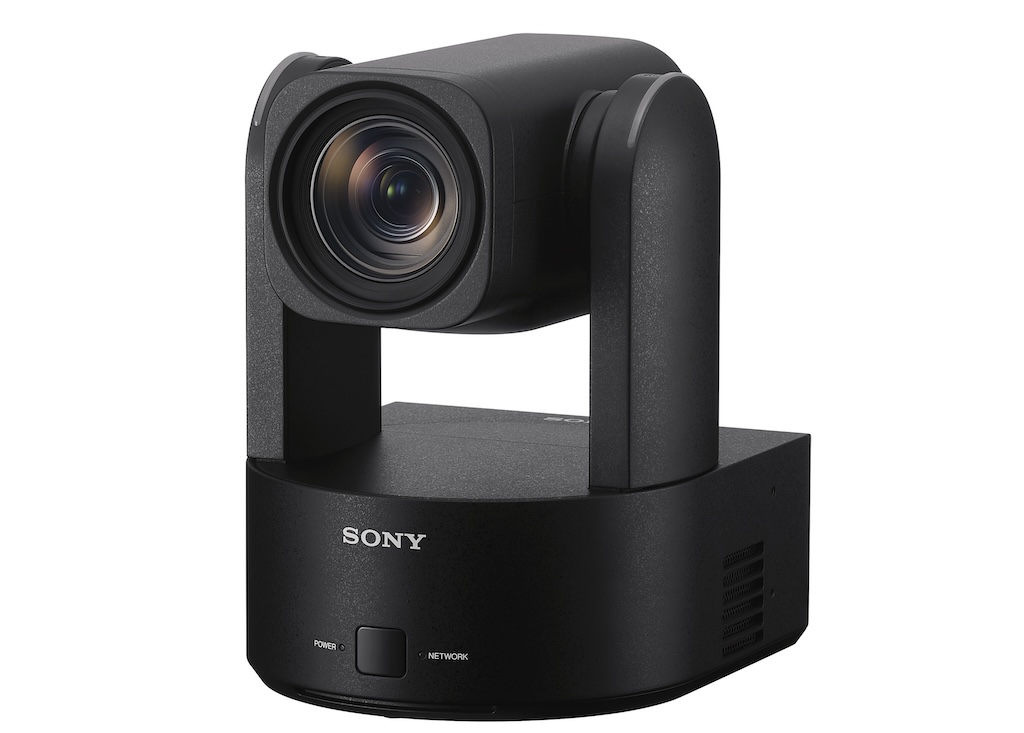
Al incorporar la tecnología PTZ Auto Framing, que utiliza la tecnología de inteligencia artificial (IA) para un reconocimiento avanzado, la nueva cámara BRC-AM7 de Sony facilita un seguimiento automático preciso y natural de los sujetos en movimiento.
Estas innovaciones permiten simplificar la producción de vídeo de alta calidad para retransmisiones, eventos en directo y producciones deportivas.
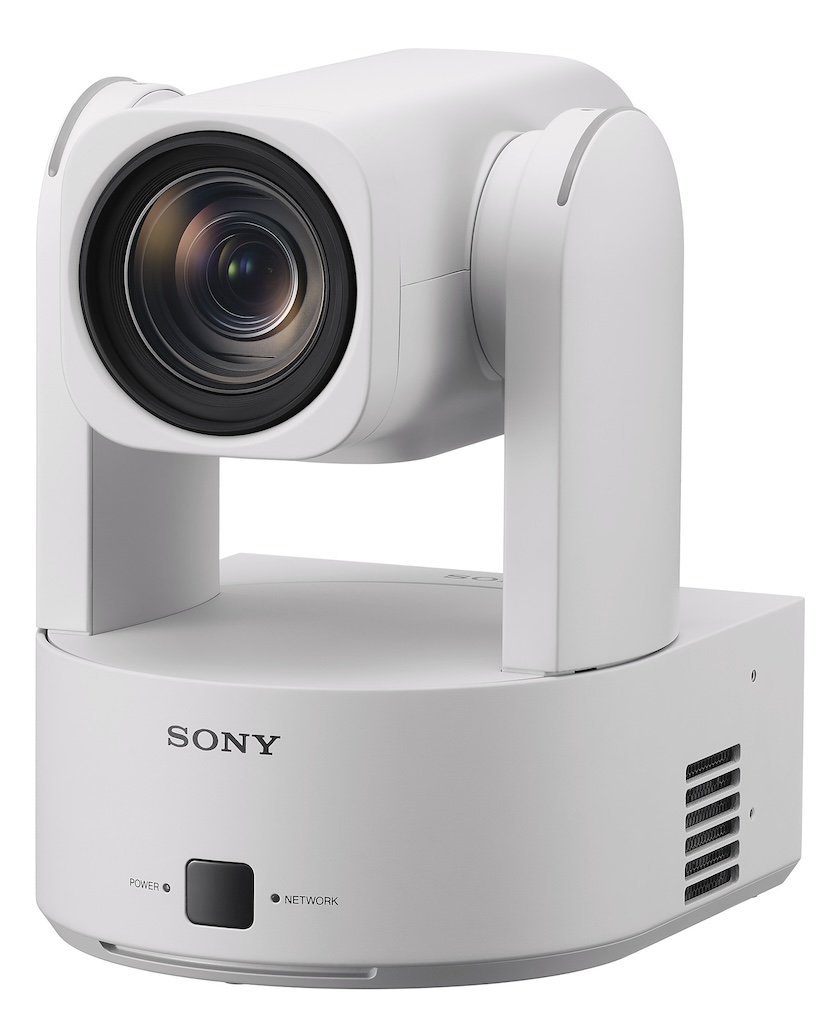
Con unas dimensiones de 168,7 mm de ancho, 225,2 mm de alto y 192,3 mm de profundidad, y un peso de unos 3,7 kilos, el tamaño y el peso favorecen una mayor libertad, incluida una mayor flexibilidad de instalación, una accesibilidad más amplia en ubicaciones difíciles y más puntos de observación. La BRC-AM7 también funciona sin esfuerzo junto con el ecosistema de cámaras profesionales de Sony, proporcionando compatibilidad y una perfecta combinación de colores.
Al combinar el sensor de imagen CMOS Exmor RS apilado compatible con 4K (3.840 x 2.160 píxeles) de tipo 1.0 y el último motor de procesamiento de imágenes BIONZ XR, la BRC-AM7 consigue imágenes de alta resolución 4K 60p con menos ruido.
He sobremuestreo 5K permite a los usuarios capturar vídeo 4K de alta resolución, y también es compatible con imágenes 4K HDR, que representan claramente tanto las escenas brillantes como las oscuras.
El nuevo objetivo “todo en uno” está equipado con un zoom óptico de 20 aumentos y Clear Image Zoom, un zoom de súper resolución con todos los píxeles que permite hacer zoom de gran aumento manteniendo la resolución, lo que proporciona una captura con teleobjetivo de hasta 30 aumentos en 4K o 40 aumentos en Full HD.
También cuenta con un filtro ND variable electrónico integrado que permite ajustar a la perfección la transmitancia del filtro de 1/4 a 1/128. Además de poder ajustar la exposición sin cambiar la profundidad de campo, los usuarios también pueden aprovechar la configuración automática para ajustar automáticamente la intensidad de la luz al nivel establecido en la cámara para adaptarse a entornos con condiciones de iluminación difíciles.
Encuadre automático
La tecnología de encuadre automático PTZ de Sony, que también incorpora el enfoque automático, emplea análisis de IA integrados para un reconocimiento avanzado, realizando un automatic tracking de un sujeto basándose en información detallada como el esqueleto, la cabeza, la cara y la ropa de la persona. El funcionamiento intuitivo y las capacidades remotas ayudan a crear eficiencias en la gestión de una producción o un evento en directo.
El nuevo mecanismo de rotación horizontal y vertical permite un funcionamiento rápido, suave y silencioso a una velocidad de 0,004 grados por segundo hasta 180 grados por segundo. Amplía la gama de aplicaciones, para incluir escenarios que requieren un movimiento de encuadre preciso, como danza, conciertos, servicios religiosos y deportes. Además, la BRC-AM7 está equipada con una función de preajuste que permite registrar y recuperar la composición de la cámara para reproducirla sin esfuerzo.
La BRC-AM7 se integra fácilmente en la gama de cámaras de Sony, empleando compatibilidad con ITU709, 709tone, S-Cinetone y S-Log3 para simplificar el ajuste del color. También cuenta con una experiencia de usuario y un funcionamiento familiares. La cámara admite terminales GENLOCK y es compatible con las unidades de configuración maestra y los paneles de control remoto de Sony, lo que permite el funcionamiento multicámara, así como la integración con los conmutadores de Sony.
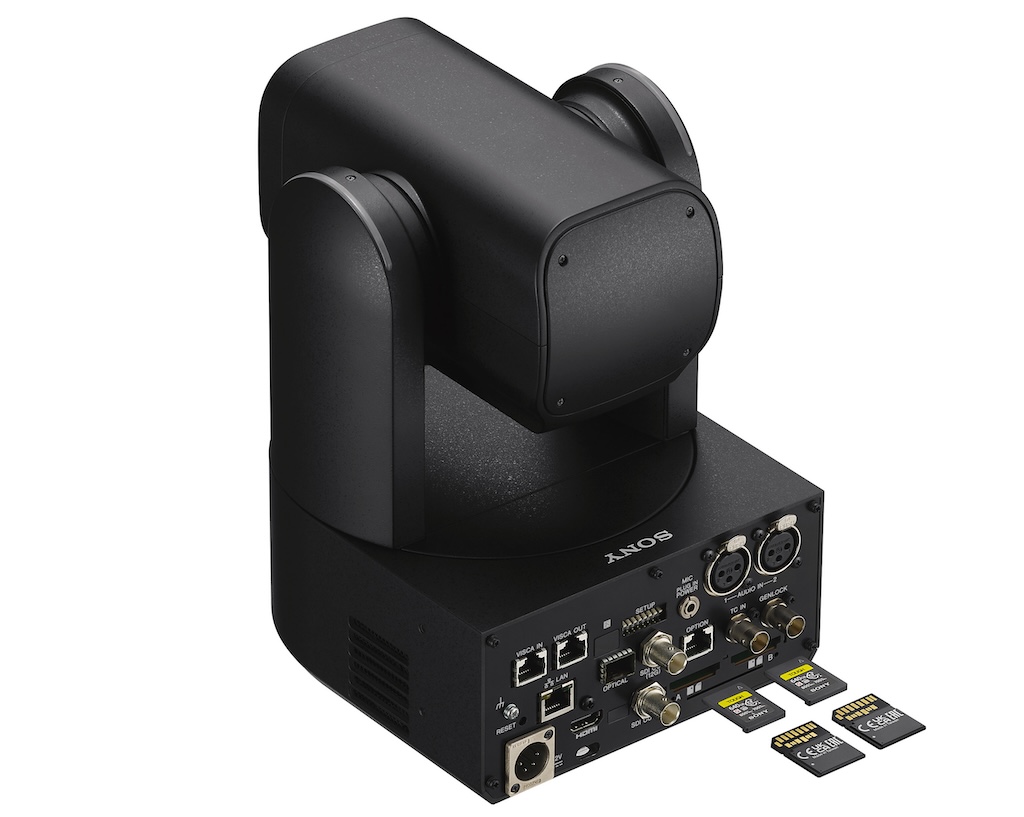
Además, el diseño compacto y ligero de la cámara permite la captura en ubicaciones difíciles de instalar, como techos, grúas o bastones en el escenario, así como la grabación con trípode utilizando los orificios para tornillos 3/8-16 UNC y 1/4-20 UNC de la superficie inferior. En cuanto a la alimentación, la BRC-AM7 es compatible con el versátil conector XLR de 4 patillas y admite PoE++ (Power over Ethernet Plus Plus)2.
Las versátiles entradas de audio y salidas de vídeo permiten una mayor expansión y personalización del sistema. La cámara cuenta con salidas 12G-SDI y HDMI, y 3G-SDI para salida de monitor. Para el audio, la BRC-AM7 dispone de dos canales de conectores XLR de 3 patillas y una entrada estéreo de φ3,5 mm.
 Compatibilidad con IP y free-d
El BRC-AM7 es compatible con SRT, RTMP, RTSP, NDI3 y fibra óptica, lo que permite la producción remota a través de redes IP. Es compatible con VISCA sobre IP, el protocolo S700PTP, y CGI, permitiendo el control remoto de la cámara a través de comandos externos. También es compatible con IP Tally, proporcionando un soporte integral para la producción remota.
Además, el BRC-AM7 es compatible con el protocolo free-d, que se utiliza habitualmente en virtual productions como la realidad aumentada (RA) y la realidad virtual (RV). Puede transmitir con precisión la información de seguimiento de la cámara (movimiento horizontal/vertical/zoom/enfoque/iris) a un espacio 3D, lo que permite una integración perfecta de imágenes en directo de personas reales con fondos y personajes de gráficos por ordenador en 3D, creando imágenes compuestas realistas.
Mostrada por vez primera en NAB 2024, la cámara estará disponible a principios de 2025.
Did you like this article?
Subscribe to our NEWSLETTER and you won't miss anything.
Related articles
 Panasonic introduces automatic framing to its PTZ cameras
 Sony adds two 4K camcorders with AI-based autofocus, tracking and auto-framing to its portfolio
 Movie People implements a virtual production system based on Sony technology
 BRC-AM7: la nueva PTZ 4K 60p de Sony con Auto Framing basado en IA
 SimplTrack Lite, the new HuddleCamHD streaming camera with automatic tracking
 Sony unveils the new FX9 at IBC, a 6K camera with full frame sensor, autofocus and dual ISO
 This is the new HXR-MC88 from Sony, a basic and compact HD camcorder with fast hybrid autofocus
 Sony debuts its new FDR-X1000V POV camera at CES
 Sony will debut its new PXW-X500 camera at IBC
 Qlive, new application for recording and automatic segmentation of broadcasts
 Sony HXR-NX5: a camcorder, based on AVCHD, that includes… even GPS
 Sony and Ovide BS present the new SRW-9000
 New promotion of Sony HDV camcorders
 PDW-HR1, new field recorder from Sony