





Estándares abiertos y conversión IP en directos


En esta tribuna, Dan Maloney, responsable de marketing técnico de Matrox Vídeo, reflexiona sobre las posibilidades que el IP arroja al mundo de los eventos en directo y destaca la importancia de la conversión en el contexto tecnológico actual.
En el mundo de la live event production, la tecnología de vídeo está evolucionando rápidamente, virando de forma significativa hacia los flujos de trabajo basados en IP. La fuerza motriz de esta transición es la necesidad de beneficiarse de formas más flexibles, escalables y eficientes de mover las señales de vídeo a través de distintos tipos de equipos y redes.
Los estándares abiertos y la conversión a IP se han convertido en elementos fundamentales para afrontar los retos que plantea esta diversidad de formatos y protocolos de vídeo en los eventos en directo. Mientras que los estándares abiertos permiten una interoperabilidad vital y simplifican los flujos de trabajo, las tecnologías de conversión a IP abren nuevas posibilidades para lograr producciones más creativas y eficientes.
El reto de las islas de producción
La producción de eventos en directo se ha visto limitada durante mucho tiempo por las islas de producción: los sistemas y protocolos dispares que coexisten en un entorno de producción. Algunos equipos de vídeo dependen de SDI, mientras que otros utilizan NDI, SMPTE ST 2110 u otros protocolos. Aunque cada uno de estos formatos tiene sus ventajas, la falta de interoperabilidad entre sistemas y protocolos puede crear cuellos de botella en un mismo flujo de trabajo de producción.
Aunque cada format tiene sus ventajas, la falta de interoperabilidad entre sistemas y protocolos puede crear cuellos de botella en un mismo flujo de trabajo de producción.
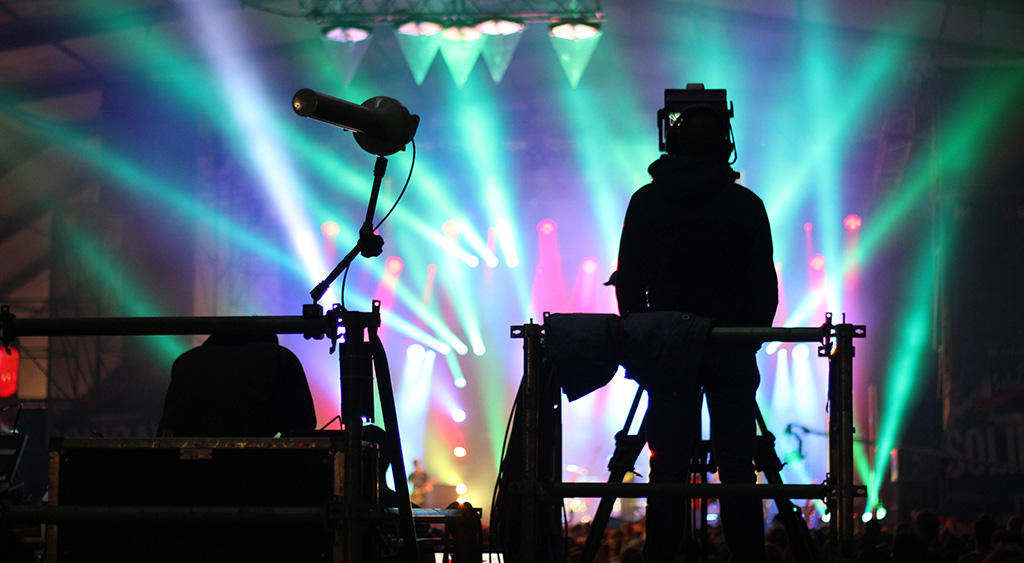
En un evento en directo típico, ya sea un concierto, una cobertura deportiva o una presentación corporativa, el camino que recorren las señales de vídeo desde las cámaras a los monitores, los conmutadores y, en última instancia, a las grandes pantallas o proyectores, implica la conversión de señales entre distintos formatos (esto es aún más evidente cuando coexisten herramientas de producción tanto locales como remotas). Sin una forma de unir los distintos formatos, el equipo de producción se ve obligado a luchar para garantizar que todos los dispositivos puedan comunicarse de forma eficaz.
Conversión IP: la puerta a la interoperabilidad
Las tecnologías de conversión IP resuelven este problema de interoperabilidad sirviendo de pasarela entre los distintos formatos de vídeo; facilitan una comunicación fluida y permiten que varios sistemas funcionen bien juntos dentro de un flujo de trabajo más amplio.
Los conversores IP traducen las salidas de vídeo IP a un estándar común que puede enrutarse a través del sistema de producción.
Un caso típico de uso de la conversión IP en eventos en directo es el transporte de señales de vídeo desde las cámaras a los equipos de producción. Las cámaras IP pueden instalarse en un recinto para captar la acción, con salida de vídeo en formatos como NDI, RTSP o ST 2110 o JPEG XS. Estas señales deben procesarse y mostrarse en grandes monitores o pantallas, o grabarse para la postproducción, y los conversores IP lo hacen posible traduciendo las salidas de vídeo IP a un estándar común que puede enrutarse a través del sistema de producción.
La conversión IP también se extiende más allá de los flujos de trabajo locales, ya que admite producciones en las que intervienen varias ubicaciones o que transmiten contenidos fuera del lugar del evento. En estos casos, en los que se depende de una WAN or of Internet, las herramientas de conversión IP permiten la entrega de vídeo H.264/5 dentro de un flujo SRT, lo que permite a los responsables del evento en directo mantener un vídeo de alta calidad al tiempo que se minimiza la latencia durante la transmisión.
La importancia de los estándares abiertos
Aunque las soluciones patentadas pueden resolver problemas específicos del flujo de trabajo y reducir los problemas de interoperabilidad, a menudo crean silos what limitan la capacidad de los distintos sistemas para trabajar juntos. Al proporcionar un lenguaje común para la comunicación entre dispositivos y sistemas de vídeo, independientemente del fabricante, los estándares abiertos como SMPTE 2110 e IPMX ofrecen un enfoque más flexible y preparado for him future.
Al proporcionar un lenguaje común para la comunicación entre dispositivos y sistemas de vídeo, los estándares abiertos como SMPTE 2110 e IPMX ofrecen un enfoque más flexible y preparado for him future.
Además de promover la interoperabilidad, los estándares abiertos garantizan que los responsables de los eventos en directo tengan la flexibilidad de elegir las mejores herramientas para sus necesidades sin verse atrapados en un único ecosistema. Como resultado, los equipos de producción mantienen la agilidad necesaria para adaptarse a diversos entornos de producción, ya trabajen con cámaras basadas en IP, sistemas de transporte basados en fibra o incluso con distribución de vídeo por Internet. Además, la capacidad de enrutar y descubrir señales de vídeo mediante estándares abiertos simplifica la integración, lo que facilita a los equipos técnicos la configuración y gestión de flujos de trabajo complejos.
Consideraciones sobre latencia, calidad y flujo de trabajo
Las necesidades específicas de una producción en directo dictarán qué aspectos de un sistema de conversión IP son más importantes. Para muchas producciones, la latency es un factor crítico, especialmente cuando se trata de vídeo en directo que debe sincronizarse con la acción en tiempo real. En estos casos, el uso de vídeo sin comprimir sobre IP, como SMPTE ST 2110, garantiza que no se comprometa la latencia ni la calidad. Sin embargo, en situaciones en las que el ancho de banda es limitado, los productores de eventos en directo pueden optar por formatos de vídeo comprimido, como JPEG XS, que ofrecen una calidad visual sin pérdidas con una latencia mínima. Este enfoque es especialmente útil para producciones que necesitan transmitir vídeo a través de redes gigabit en lugar de conexiones de fibra de mayor ancho de banda.
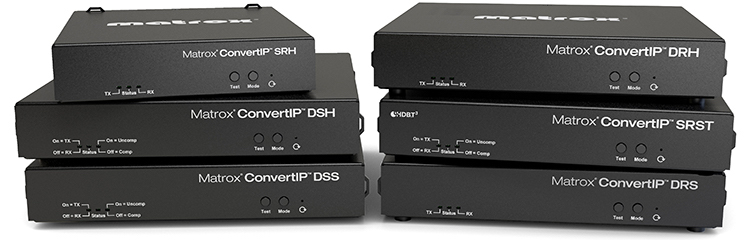 To entornos de red más estándar, protocolos como NDI y SRT ofrecen un buen equilibrio entre latencia, calidad y requisitos de ancho de banda. Aunque estos formatos pueden implicar algunas compensaciones en latencia o calidad de píxel perfecta, son ideales para entregar vídeo de alta calidad a través de la infraestructura de red existente sin necesidad de costosas actualizaciones. Sea cual sea la situación, las sólidas puertas de enlace de vídeo IP, como las familias de convertidores y codificadores/decodificadores Matrox ConvertIP o Vion, pueden admitir diversas aplicaciones, formatos, códecs y tipos de red a la vez que equilibran las necesidades de calidad, latencia y velocidad de bits, sirviendo como una herramienta versátil para crear y optimizar flujos de trabajo de producción en directo.
Libertad creativa para los productores de eventos
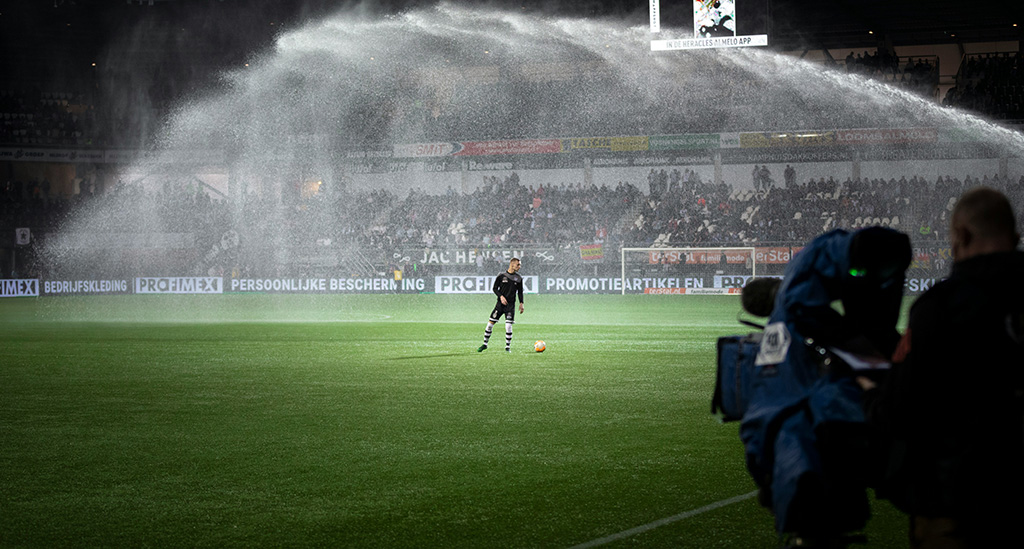
Una de las ventajas más interesantes de adoptar flujos de trabajo basados en IP y estándares abiertos en los eventos en directo es la creative freedom que pueden conseguir los equipos de producción. Al eliminar las preocupaciones sobre la infraestructura subyacente, los productores de eventos pueden centrarse en lo más importante: ofrecer una experiencia excepcional a su público. Ya se trate de retransmitir en directo un acontecimiento deportivo, retransmitir un concierto o producir una presentación corporativa, pueden utilizar la tecnología de conversión IP para integrar las mejores herramientas para el trabajo.
Dado el creciente número de profesionales expertos en redes e infraestructura IP, cada día es más fácil para los equipos de eventos en directo gestionar estos sistemas ciertamente complejos. Con el apoyo adecuado, los productores de eventos pueden utilizar el vídeo de formas nuevas e innovadoras.
Mirando al futuro: el mañana del IP en los directos
The technologies of conversión IP and the estándares abiertos están transformando la production of eventos en directo al permitir la interoperability, mejorar la flexibility y ofrecer nuevas oportunidades creativas. La flexibilidad y escalabilidad que ofrecen los sistemas basados en IP los convierten en una solución ideal para un sector que exige adaptabilidad e innovación.
Dado el creciente número de profesionales expertos en redes e infraestructura IP, cada día es más fácil para los equipos de eventos en directo gestionar estos sistemas ciertamente complejos.
A medida que siga creciendo el uso de IP en la producción de vídeo en directo, los estándares abiertos y la conversión a IP desempeñarán un papel cada vez más esencial; no solo para permitir flujos de trabajo interoperables en los eventos en directo, sino también para garantizar que estas redes puedan soportar la creciente demanda de vídeo de alta calidad y baja latencia.
Así, en el futuro, los productores de eventos en directo tendrán más herramientas a su disposición para crear producciones atractivas y dinámicas que cautiven al público, ya sea in situ o a distancia.
Dan Maloney
Responsable de marketing técnico de Matrox Vídeo

Did you like this article?
Subscribe to our NEWSLETTER and you won't miss anything.
Related articles
 Avid reveals its cards for IBC 2025: automation, open ecosystems and unified experiences
 Zero Density seeks to create new standards in rendering with EVO II and Lino
 Panasonic and Lang commit to continue promoting SMPTE ST 2110 IP standards
 José Manuel González Pacheco (Secuoya Studios): “We are open to new collaborations in the field of cinema”
 SMPTE publishes standards for immersive audio in cinemas
 Todd Howard, creator of 3D open worlds, will receive the Legend Award at Gamelab 2018
 Los líderes tecnológicos unen esfuerzos para acelerar los estándares 5G
 Teranex AV: conversión de estándares con una latencia extremadamente baja
 Telefónica y Mozilla impulsan los primeros dispositivos abiertos basados en HTML5
 AEQ joins Ravenna to promote open standards in audio distribution over IP
 Itelsis presenta sus nuevos equipos en los estándares DVB-T2 e ISDB-Tb
 Brightcove Video Cloud: video en nube bajo código y estándares abiertos
 Snell CVR800 and TBS800: convert HD formats and standards with one click
 RTL presenta un teletexto de alta resolución basado en estándares CE-HTML