





“Dead Girl Summer”: a mystery story told through Blackmagic's URSA Cine 12K LF
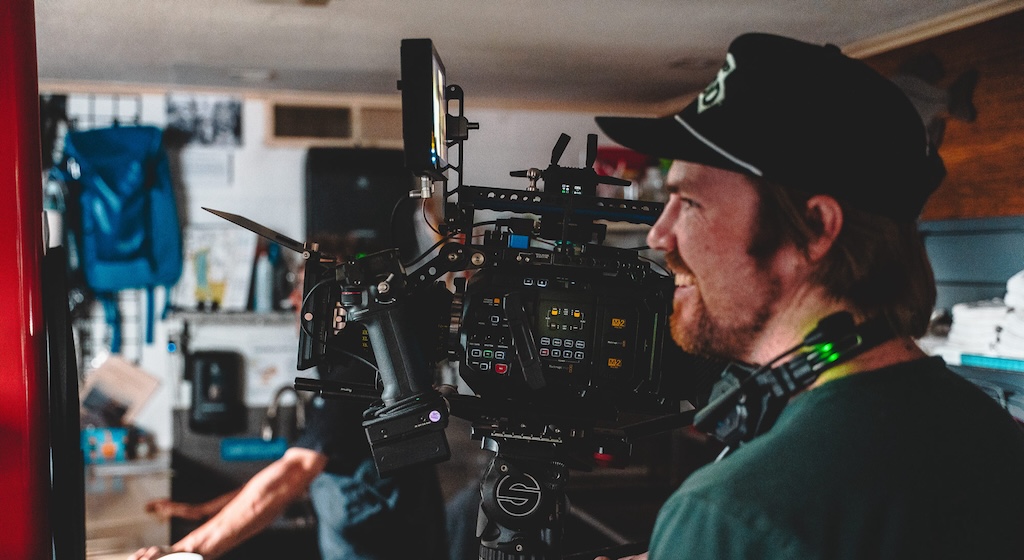
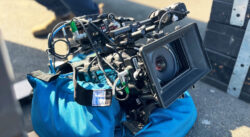
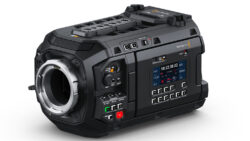
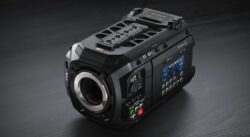
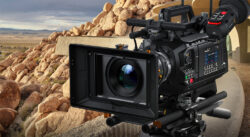
The movie “Dead Girl Summer” Lifetime It was shot with a digital film camera Blackmagic URSA Cine 12K LF and was produced by Goodform, while the cinematography was carried out by John Sweeney.
During post-production, the colorist Jeff Spott (Umami Color and Finishing) turned to the program DaVinci Resolve Studio when working on the final edition, grading and finishing. Likewise, it used the platform Blackmagic Cloud to store DaVinci Resolve project files to optimize collaboration.
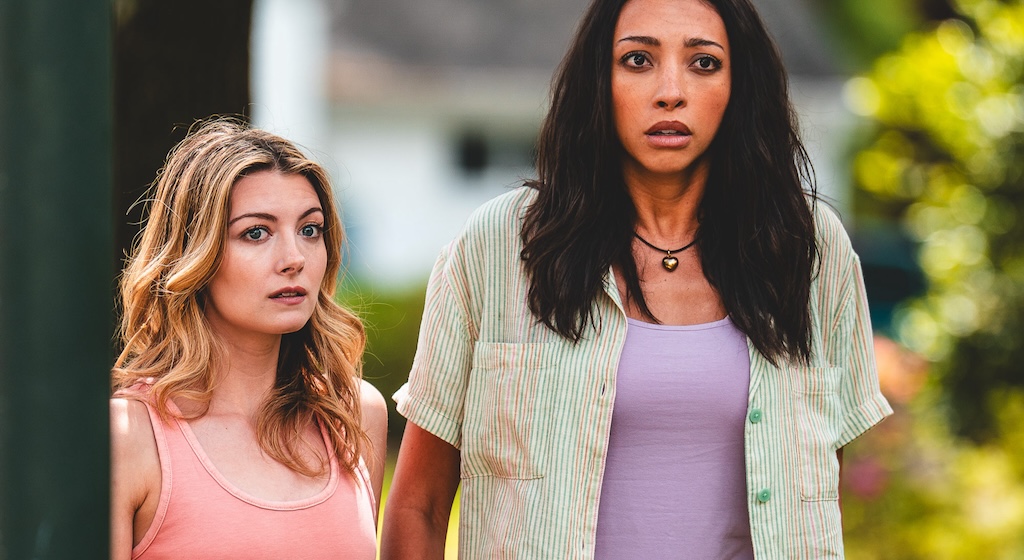
The film tells the story of Avery and Jade, two college graduates who return to their childhood vacation spot with the idea of reconnecting with an old friend. However, Jade disappears under suspicious circumstances that reflect a past tragedy.
"For these films, it is crucial to have the original content in the camera and that it can be extracted and exported as 'proxy' files quickly so that they can be synchronized and uploaded to the editor while achieving robust color depth for visual effects and finishing. Finding the balance between file size, resolution and compression level for a complete final product is often a priority, and the URSA Cine 12K LF model turned out to be adequate to meet the challenge," comments the supervisor of post-production Patrick Evans.
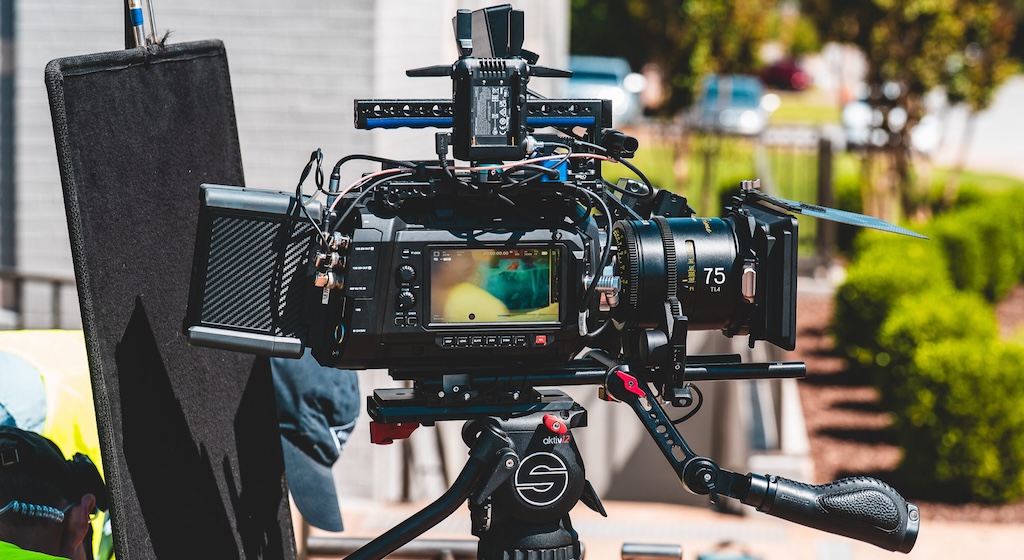
 “The URSA Cine 12K did not present any problems and produced uniform and aesthetically pleasing results. The side screen was a success on the set, and several people, from the travel shot operator to the director, commented on how useful it is,” highlights the director of photography. John Sweeney. "Also, because it's a large format camera that you can shoot using the entire sensor area, it gives you a lot of flexibility when using different lenses and really allows you to separate the subject from the background. For me, one of the shots that stands out the most is when Avery is out running and stops in front of a barn. The way his image contrasts with the barn was achieved by combining the full-frame sensor with a 40mm lens and setting the aperture to T1.4."
Sweeney points out that, thanks to the URSA Cine 12K LF model, he was able modify the color in your favorite part of the movie. "It's a five-minute sequence where Avery enters the boat repair shop, then goes to the bait shop, and finally sneaks into the sheriff's station. Playing with color, it was amazing to be able to see how the camera handled saturation in each scene, from the blue hues of the boat shop and the blue-green hue of the bait shop lights, to the warmth of the sheriff's station. We shot in the boat shop in full daylight. day, so we had to cover all the windows, but we left the diffuse lights from the skylights to make it look like night. I adjusted the color temperature of the camera to simulate that the moon was emitting a soft bluish light,” he adds.
A nostalgic look
Spott leaned more toward evoking the feeling of summer in Arkansas in the present-day scenes, while employing some nostalgic touches for shots from the past; this allowed him to alternate between two different stories, using color to differentiate them.
“Images from the present were designed to look sharper, while images from the past were more like a warm, faded memory,” he explains. "The Resolve's Magic Mask feature was used extensively during the lakeside campfire scene. It was great to be able to film the actors and be able to isolate them from the sky to easily change the time of day in the story.”
"As soon as the URSA Cine 12K was released, it immediately became my new primary camera. There is something special about the overall ergonomics of this model, the feel of the image, and how color, grain, and dynamic range are represented," Sweeney added in closing. “I've used the camera on high-budget commercials and documentaries in a variety of environments, from filming in the stark snowy mountains of Montana to the dusty deserts of California, and I've loved its reliability and results.”
Did you like this article?
Subscribe to our NEWSLETTER and you won't miss anything.
Related articles
 Recording large format theater with the URSA Cinema by Blackmagic
 Creating advertising campaigns for Apple Vision Pro with URSA Cine Immersive (Blackmagic)
 Craterr shoots Kia's latest campaign with Blackmagic's URSA Cine 12K LF and Pyxis 6K
 Blackmagic URSA Cine 12K LF Brings Cinematic Look to WeatherTech's Latest Ad
 Blackmagic Camera 9.3 app adds long-awaited support for URSA Cine 17K 65
 Blackmagic Design will market only the body of the Blackmagic URSA Cine 12K
Blackmagic Design to market the Blackmagic URSA Cine 12K body only
Blackmagic Design will market only the body of the Blackmagic URSA Cine 12K
Blackmagic Design to market the Blackmagic URSA Cine 12K body only
 Netflix gives the green light to recording movies and series with Blackmagic's URSA Cine 12 LF
 Filming of 'The Walking Dead “Daryl Dixon”' concludes, the largest in the history of Aragón
 Blackmagic Unveils URSA Cine Immersive Camera: 8K Stereoscopic 3D for Apple Vision Pro
 URSA Cine 12K: the definitive Blackmagic camera for top-level productions
 Revolution in the Aragón TV studios: the story told from within
 'Sons of Summer' brings back the legacy of 'Summer City' with Blackmagic Design cameras
‘Sons of Summer’ revisits ‘Summer City’ legacy with Blackmagic Design cameras
'Sons of Summer' brings back the legacy of 'Summer City' with Blackmagic Design cameras
‘Sons of Summer’ revisits ‘Summer City’ legacy with Blackmagic Design cameras