





Recording large format theater with the URSA Cinema by Blackmagic
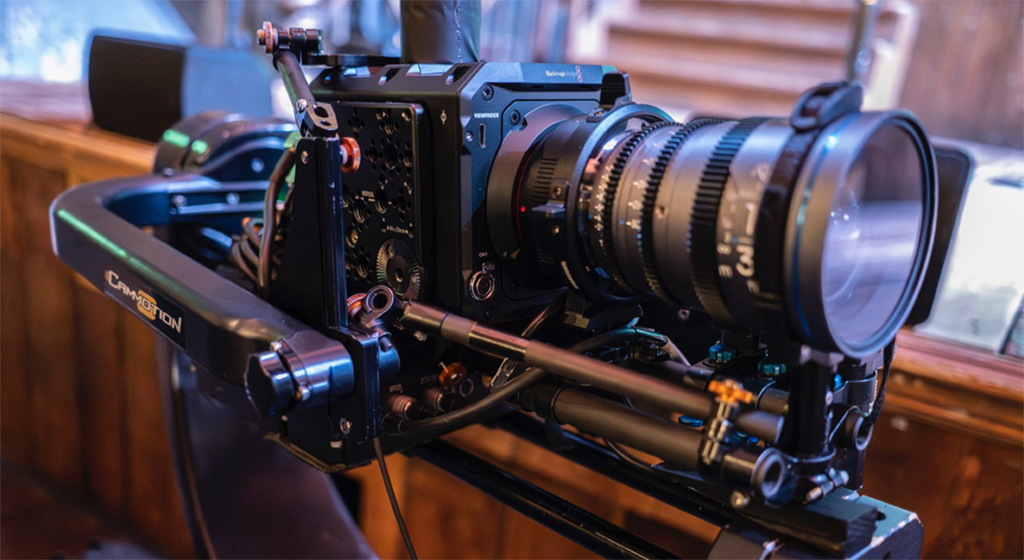
James Tonkin, director of photography for the production company Hangman, has filmed the work 'Musik' with digital cinema cameras Blackmagic URSA Cine 17K 65, URSA Cine 12K LF, Pyxis 12K, Pyxis 6K and Pocket Cinema Camera 6K in the iconic Wilton's, one of the oldest theaters in London.
Throughout three functions, Tonkin The goal was to achieve coverage that would balance spectacularity and delicacy. "Places like Wilton's have a unique atmosphere. If you are lucky enough to film in a special place, you have to recognize the strength of its architecture and incorporate it into the visual language. I always try to prevent the environment from being lost in the darkness. I like to rescue details from the shadows to show the space, because it is also part of the artistic work," explains the director of photography himself.
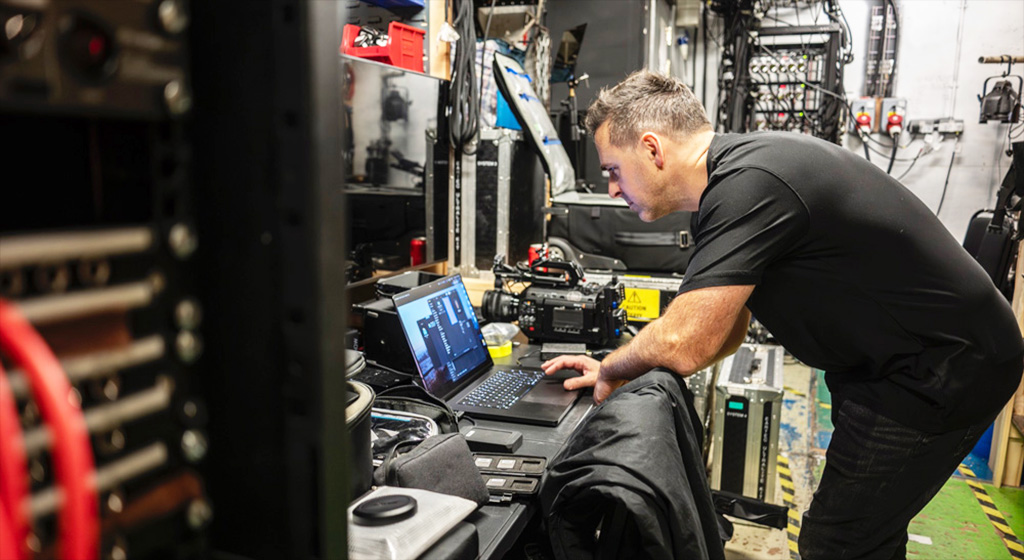 In this project, the director of photography was faced with a one-man play, which led him to manage up to sixteen unique camera angles, avoiding overlaps, to capture all the angles and make the viewer feel inside the work, from home: "We needed the right amount of angles to maintain the energy without losing the feeling of presence. We had a camera on our shoulder to the left of the stage to provide a freer and more natural touch. The rest was a combination of moving cameras or with telephoto lenses. They were all configured to move smoothly, instead of being handled in an excessively chaotic manner."
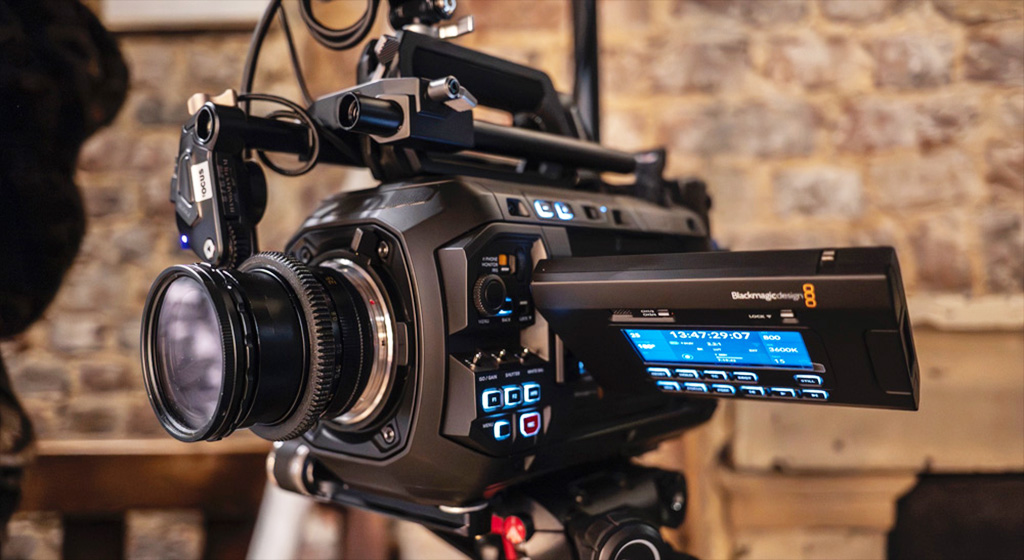
To make this montage a reality, the director of photography resorted to an ambitious set of eight cameras, composed of a URSA Cine 17K 65, una URSA Cine 12K LF, una Blackmagic Pyxis 12K, tres Blackmagic Pyxis 6K y dos Blackmagic Pocket Cinema Camera 6K. Each device provided specific ergonomic advantages: "The Pyxis, with its boxy design, is ideal for a travel shot, a fixed position, a Shotover system or a stabilizer. It can be used on the shoulder, on a tripod or as a portable camera. As for the URSA Cine, I prefer to use them in more complex configurations, usually on tripods or heavy stands with long lenses. Canon”.
He large format was key for Tonkin to meet its creative goals: "We shot in full frame format, so the size of the sensor and the possibility of interspersing material between cameras was fundamental for me. (...) I am fascinated by large format, I am completely surrendered to its feet. In a small, intimate environment, a larger sensor invites you to enter the performance: you can get closer with the lens and still maintain a wide field of view. You still feel the space."
A shoot in Blackmagic RAW
The recording took place in Blackmagic RAW con la colorimetría de quinta generación de Blackmagic, lo que simplificó enormemente la gestión cromática. “Filmar en 17K con el sensor completo solía implicar una locura de datos. Pero la eficiencia de la compresión del formato Blackmagic RAW permite mantener un tamaño de archivo razonable, incluso grabando con todo el sensor. Lo mejor es que, cuando lo necesito, puedo reducir la resolución a 8K directamente en cámara sin renunciar a la calidad ni al campo visual”, explica Tonkin.
Las actuaciones se supervisaron con un ATEM SDI Extreme ISO, que brindó la oportunidad de ver varias fuentes simultáneamente y permitió al equipo tomar decisiones sobre la exposición y el color al instante. Tal y como explica: “No necesitábamos realizar una mezcla en directo para este proyecto, pero el ATEM nos permitió configurar una galería de forma sencilla para que todos pudieran ver todas las señales transmitidas tanto por cables SDI como de forma inalámbrica. Se instaló muy rápido, y en cuestión de horas teníamos un sistema de supervisión multicámara plenamente operativo. La mayoría de las señales eran SDI, aunque había algunas inalámbricas debido al lugar, y el ATEM las reconoció todas sin ningún problema. También pude corregir el valor ISO o ajustar la temperatura del color”.
De cara al futuro, Tonkin se muestra entusiasmado con las posibilidades que brindan estos sensores RGBW de gran tamaño, combinados con las nuevas generaciones de objetivos cinematográficos de fotograma completo y de 65 mm: “Por fin, la cinematografía de eventos en vivo se está adentrando en el terreno del gran formato. El siguiente desafío será combinar lentes y expansores. El mercado se está moviendo, y cada vez hay más objetivos cinematográficos de distancia focal variable para sensores de fotograma completo y de 65 mm. Es apasionante, porque impulsa este tipo de cinematografía. Estamos utilizando sensores mucho más grandes que antes, y eso cambia por completo la sensación del espacio en la pantalla”.
Did you like this article?
Subscribe to our NEWSLETTER and you won't miss anything.
Related articles
 Creating advertising campaigns for Apple Vision Pro with URSA Cine Immersive (Blackmagic)
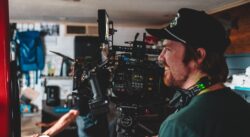 “Dead Girl Summer”: a mystery story told through Blackmagic's URSA Cine 12K LF
 Cinematographer Blake McClure shoots his next project with Blackmagic's URSA Cine 17K 65
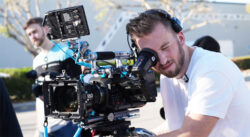 Craterr shoots Kia's latest campaign with Blackmagic's URSA Cine 12K LF and Pyxis 6K
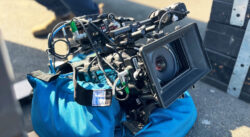 Blackmagic URSA Cine 12K LF Brings Cinematic Look to WeatherTech's Latest Ad
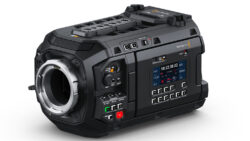 Blackmagic Camera 9.3 app adds long-awaited support for URSA Cine 17K 65
 Blackmagic URSA Cine 12K LF allows you to film scenes from the 'LAID' series in 4K at full frame and 220 fps
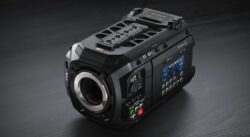 Blackmagic Design will market only the body of the Blackmagic URSA Cine 12K
Blackmagic Design to market the Blackmagic URSA Cine 12K body only
Blackmagic Design will market only the body of the Blackmagic URSA Cine 12K
Blackmagic Design to market the Blackmagic URSA Cine 12K body only
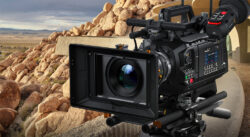 Netflix gives the green light to recording movies and series with Blackmagic's URSA Cine 12 LF
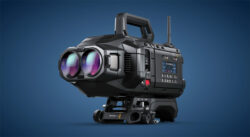 Blackmagic Unveils URSA Cine Immersive Camera: 8K Stereoscopic 3D for Apple Vision Pro
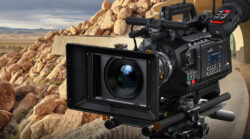 URSA Cine 12K: la cámara definitiva de Blackmagic para producciones de primer nivel
 Sony bets on dual 4K projection for large format cinema screens
 Barco adds a new dimension to large format cinema with 11.1 audio