





El director de fotografía Blake McClure rueda su próximo proyecto con la URSA Cine 17K 65 de Blackmagic

La URSA Cine 17K 65 de Blackmagic Design se erige como la cámara principal del nuevo trabajo del director de fotografía Blake McClure, responsable del acabado visual de series como ‘The Dropout’, ‘Miracle Workers’ o ‘Loot’.
El primer contacto con la cámara, y con el sensor de gran formato de la misma, ocurrió al ver la obra del director de fotografía Dylan Rucker. “Vi un rodaje de muestra que filmó Dylan. Hubo una toma que se me quedó particularmente grabada: un hombre bebiendo café en una cocina, mirando una hacienda a la distancia. Esa sola imagen me atrapó y de inmediato me hizo pensar en la fotografía de retratos en formato medio. Me hizo sentir una cercanía con el actor, por la elegancia con la que se diluía el fondo, y la naturalidad con la que se habían renderizado los tonos de piel. Los matices eran perfectos. Era una toma sencilla, pero a la vez increíblemente efectiva”, recuerda McClure.
El director de fotografía, que está acostumbrado a grabar episodios para series con un estilo visual muy estático, quería algo distinto para este proyecto: “En los programas de media hora hay poco espacio para usar movimientos de cámara dinámicos. Siempre me he valido de la luz y del color para crear imágenes interesantes. La cobertura usualmente se limita a tomas por encima del hombro, planos limpios y, de vez en cuando, alguna panorámica; estaba buscando algo nuevo”. Para dar una vuelta a su trabajo, decidió apostar por el sensor de 65mm de la URSA Cine 17K 65 of Blackmagic, cuyo sensor permite un acercamiento mayor al sujeto eliminando la habitual distorsión. McClure aporta más detalles: “Estábamos rodando planos medios en 55 mm, a unos dos metros de distancia. Para lograr el mismo campo de visión en formato Super 35, necesitaríamos un objetivo de 30 mm, o bien estar dos veces más lejos del sujeto. Quería que la serie fuera como un retrato: íntima y con un énfasis en las relaciones entre los personajes. Siempre me ha encantado la fotografía de formato medio, y este proyecto ha sido lo más que me he acercado a ese estilo, solo que con movimiento”.
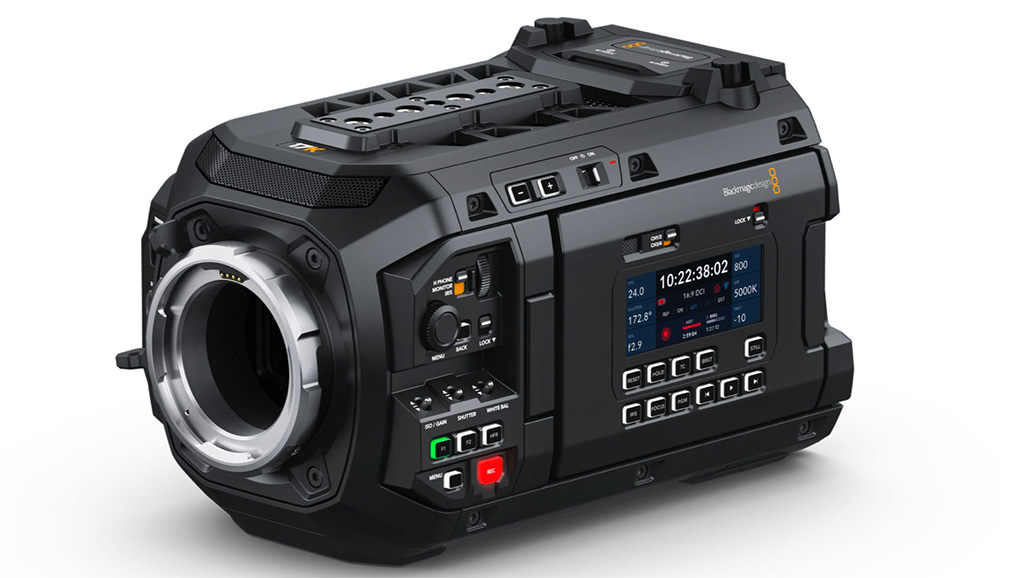 Las ventajas del sensor RGBW del modelo URSA Cine 17K 65, así como la gran variedad de opciones de compresión que ofrece, también le permitieron a McClure gestionar sus datos de forma más activa: “Rodamos con el sensor completo a una resolución de 8K, y la capacidad de filmar en varios formatos de alta resolución sin tener que recortar la imagen fue una función increíble de esta cámara. También puedes grabar con una configuración de compresión constante, que es lo que se hace usualmente en la industria, o bien usar el modo de calidad constante. Grabamos con la opción Q3, que asigna más datos a aquellas zonas con un nivel de detalle más alto, y menos a las partes estáticas del encuadre, con lo que se reduce la velocidad de transferencia de datos en general; es algo que no se distingue visualmente pero que da como resultado archivos más pequeños. Esto hizo que fuera más fácil que el estudio accediera a esta opción, ya que no les estábamos pidiendo que nos aprobaran el uso de una cantidad enorme de espacio de almacenamiento para procesar imágenes digitales o para la posproducción”.
For its part, Logan Hall, primer asistente de cámara, destaca la versatilidad de la cámara para adaptarse a diferentes situaciones. Para ello, fue de gran utilidad su sistema de armazones: “Podíamos adecuar la cámara en función de cualquier propósito, ya fuera para grabar en el estudio, para montarla en un soporte estabilizador, o incluso para usarla con estabilizadores compactos, tales como un Ronin 2”. Otra ventaja fue la segunda pantalla en el lateral derecho de la cámara: “Tener las dos pantallas integradas fue sumamente útil. Hubo muchas ocasiones en las que Blake estaba en el set haciendo ajustes y, sin importar de qué lado de la cámara estuviera, podía echar un vistazo a la pantalla sin tener que volver a la estación de trabajo del técnico en imágenes digitales. Me di cuenta de que los directores, los asistentes de dirección y hasta los asistentes de producción miraban la pantalla lateral del asistente de cámara, lo que les permitía ver los ajustes que se iban haciendo de manera inmediata, sin salir del epicentro de la acción”.
“Cada vez que un nuevo actor o actriz llegaba al set, mencionaba lo mucho que se le acercaban las cámaras en alguna escena en particular. Pensaban que estábamos usando objetivos gran angulares para los primeros planos; sin embargo, una vez que les enseñábamos la toma, no podían creer la apariencia que lográbamos obtener. Todos se quedaban muy impresionados”, concluye McClure.
Did you like this article?
Subscribe to our NEWSLETTER and you won't miss anything.
Related articles
 Grabando teatro en gran formato con la URSA Cine de Blackmagic
 DoP Blake McClure shoots his next project with Blackmagic’s URSA Cine 17K 65
 Craterr shoots Kia's latest campaign with Blackmagic's URSA Cine 12K LF and Pyxis 6K
 La aplicación Blackmagic Camera 9.3 añade la esperada compatibilidad con la URSA Cine 17K 65
 Blackmagic Design comercializará solo el cuerpo de la Blackmagic URSA Cine 12K
Blackmagic Design to market the Blackmagic URSA Cine 12K body only
Blackmagic Design comercializará solo el cuerpo de la Blackmagic URSA Cine 12K
Blackmagic Design to market the Blackmagic URSA Cine 12K body only
 Amazon rueda ‘Sangrientos dieciséis’ con la URSA Mini Pro 12K OLPF y la Pocket Cinema Camera 6K G2 de Blackmagic
 The Filmax Presenta Awards are looking for the next great Spanish horror film project
 Hulu rueda ‘Iki wo Hisomete’ con la URSA Mini Pro 4.6K G2 de Blackmagic Design
 La URSA Mini Pro 12K, elección del director de fotografía Stuart Dryburgh, ASC para rodar su último cortometraje
 Diplo rueda su nuevo videoclip, ‘So Long’, con Ursa Mini Pro y Blackmagic RAW
 Weezer rueda su último videoclip con Ursa Mini Pro de Blackmagic
 AEC y TAI suman esfuerzos para iluminar el papel del director de fotografía en el cine
 Timothy Woodward Jr. rueda su última película con Ursa de Blackmagic