





Pau Esteve Birba and the photography of 'Los Tigres': light and color, in and out of the water
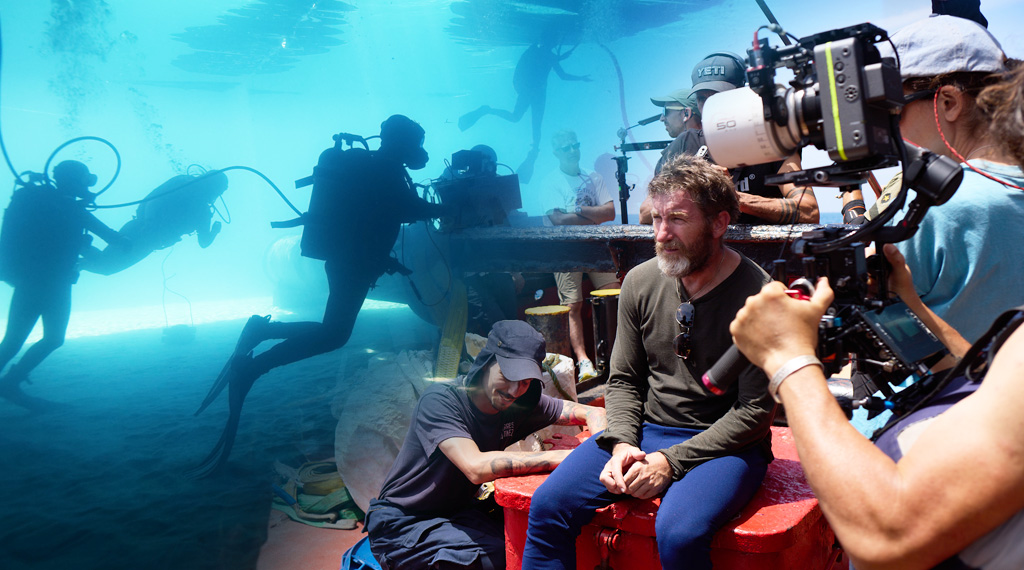

El director de fotografía Pau Esteve Birba repasa todas las claves de ‘Los Tigres’, largometraje de Alberto Rodríguez que propone un apasionante thriller protagonizado por Antonio de la Torre y Bárbara Lennie con el mundo del buceo industrial de trasfondo, lo que ha obligado a adaptar la técnica cinematográfica a la siempre compleja filmación subacuática.
Pau Esteve Birba pertenece a la estirpe de la CHESS, escuela de cinematografía que año tras año arroja talento a la escena cinematográfica estatal que salpica los títulos de crédito de las más relevantes producciones de cine y televisión. Cuando pasó a formar parte de la institución catalana, no sabía exactamente en qué consistía la profesión de director de fotografía. Como él mismo reconoce, le gustaba la “cámara y la luz”, con todo lo que eso implicaba. Paso a paso, sin padrinos y atravesando posiciones como meritorio, foquista y operador de cámara, acabó encontrando su vocación: “Con 24 años estaba haciendo foco en películas de 35 milímetros, y con 26, segundas unidades de películas. Todo sucedió muy rápido”.
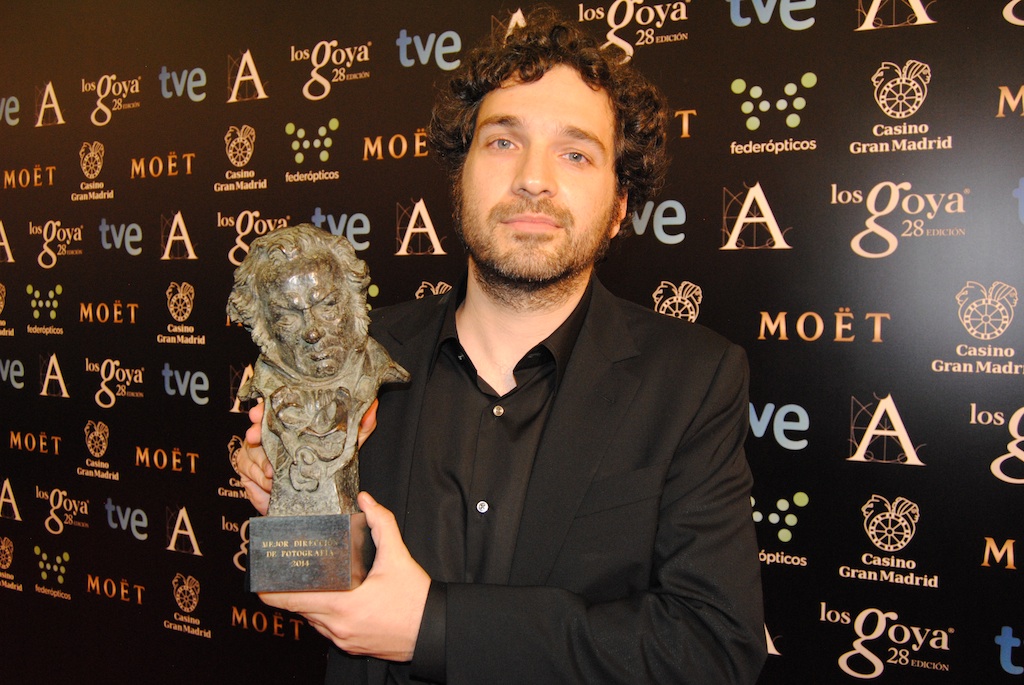 Tan rápido como que 2013, tras firmar la segunda unidad de la interesante ‘Buried’ de Rodrigo Cortés, la interesantísima Cannibal of Manuel Martín Cuenca le permitió alzar el premio Goya a Mejor Dirección de Fotografía. Por aquel entonces, Esteve reconoce que “no tenía ni idea de nada”. “Fue prácticamente mi primera película y gané un Goya. Pensé que esto era superfácil y mírame, doce años después, como es obvio, no he ganado ninguno más. No es tan sencillo”, comenta.
El aprendizaje ha continuado a lo largo de su trayectoria en todo tipo de producciones. Su filmografía aúna películas como Ahora o nunca (2015), El autor (2017), Time after (2018) o El buen patrón (2021) con obras tan relevantes para la definición de la nueva generación de series para plataformas como La peste (2018) o Madrid burns (2018), así como producciones internacionales para plataformas como Kaos (2024) o The Walking Dead: Daryl Dixon (2025). Ahora, se encuentra en plena cuenta atrás del estreno de una de las películas que aspirará a todo en la inminente temporada de premios: Los Tigres, a production of Movistar Plus+ en coproducción con Kowalski Films, Feelgood Media, Mazagón Films y la compañía francesa Le Pacte.
La última película de Alberto Rodriguez (La Isla Mínima, El hombre de las mil caras, Modelo 77) brinda al espectador una ventana al mundo del buceo industrial con un apasionante thriller. Todo ello, repleto de escenas espectaculares fotografiadas por el propio Esteve, que ha adaptado su técnica tras las cámaras a entornos subacúaticos. El director de fotografía, más allá de repasar su evolución como profesional, desvela todas las claves del largometraje.
Entre las series y el cine
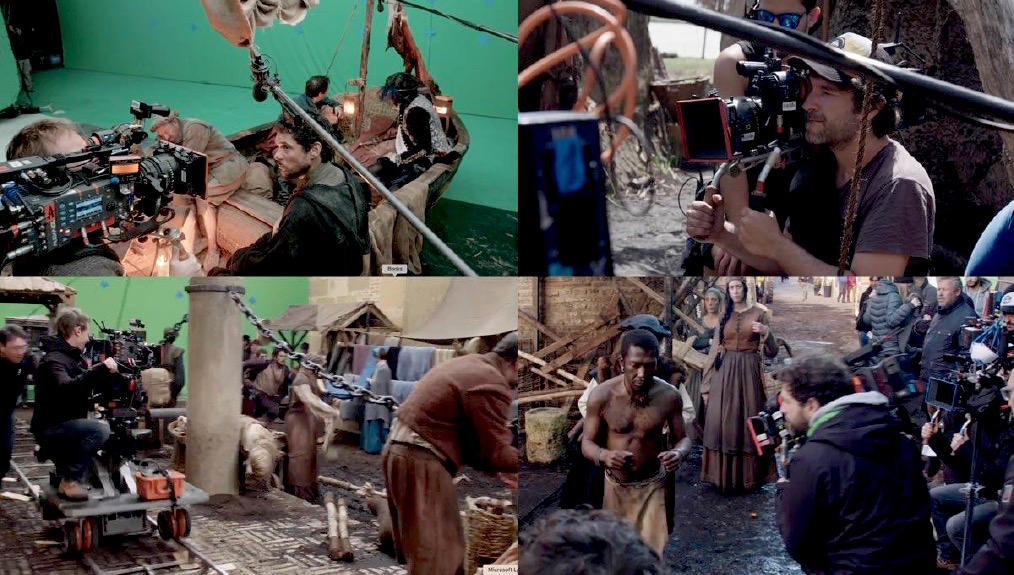
Esteve ha sido uno de esos directores de fotografía que ha vivido de primera mano la transformación de la producción cinematográfica y su extensión al ámbito televisivo. Como muestra, obras como la oscura La Peste, cuya factura es controvertida aún a día de hoy, o una monocromática Madrid burns, que ejemplifican la creatividad y la técnica puesta al servicio de las historias. Sin públicos masivos a los que contentar, una tendencia recientemente transformada dadas las últimas decisiones de las grandes plataformas, la autoría emergió en un contexto inesperado.
“Cuando pensaba en una serie, se me venía a la cámara un formato multicámara, con un general y cortos. De repente, empezaron a aparecer las series de plataformas. Son películas largas, de algún modo, lo que la hace muy atractivas. Es verdad que estás más apretado de tiempo, pero el planteamiento y la ambición son las mismas”, comenta Esteve, quien reconoce que en series internacionales como las que ha trabajado la ambición presupuestaria supera con crecer la de muchas de las películas estatales.
La política de la dirección de fotografía
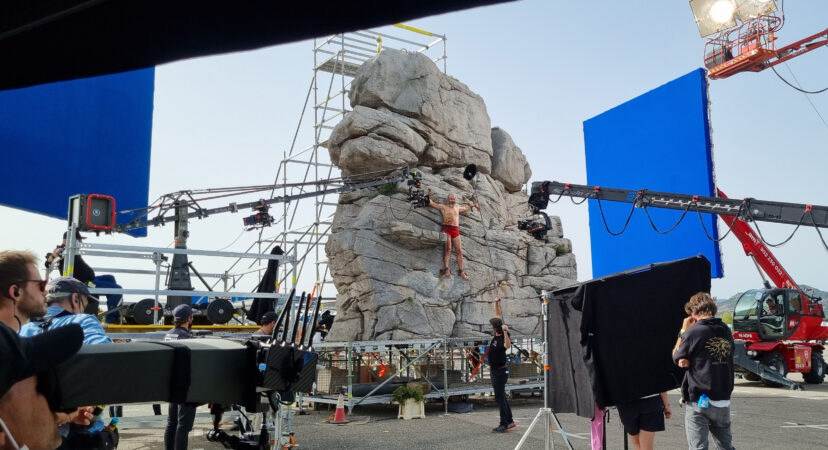
Entre estas series se encuentra Kaos, una de las más ambiciosas producciones de ficción rodadas en España. Cancelada con el siempre arbitrario criterio de las plataformas, la serie protagonizada por Jeff Goldblum contó con un presupuesto de 50 millones de euros y fue rodada en localizaciones como Málaga o Sevilla. Esteve, que fue escogido para dirigir la fotografía de cuatro de sus episodios, puedo ratificar las grandes exigencias de las producciones internacionales, poniendo en práctica uno de sus principales aprendizajes en el mundo de la cinematografía: el trabajo de “logística” como jefe de departamento. “En proyectos grandes, llevas el ritmo del set en colaboración con el ayudante de dirección. Puedes gestionar un equipo de 30 personas y, en todo el proceso, hay una parte logística y política que desconocía. Antes pensaba que era muy fácil, que ponía la cámara, iluminaba y ya está. Y no: hay toda una industria detrás”, explica.
Esta dinámica se extiende a su participación en una nueva temporada of The Walking Dead: Daryl Dixon, en la que reconoce que en ocasiones tiene que encontrar puentes entre todas las visiones involucradas en el set: desde el planteamiento conceptual del showrunner hasta los criterios propios del equipo de dirección. Estas disparidades creativas se evidencian hasta en los detalles más pequeños, como reconoce: “Cuando hice la entrevista con el showrunner, me comentó que buscaban un tratamiento realista; que no les gustaban esas lunas tan llamativas de “luna llena, exterior noche”. Sin embargo, a la hora de repasar los guiones, de repente teníamos una secuencia que hablaba de la luna llena”.
Ante esta escena, Esteve se vio obligado a mediar entre el director y el responsable de la serie, equilibrando las visiones de todos los involucrados en esta producción millonaria de alcance global: “No intentas interferir, sino quedar bien con los dos (…) Hay que estar superprecavido para preguntar y coordinar todas las visiones”.
Los Tigres y el mundo subacúatico
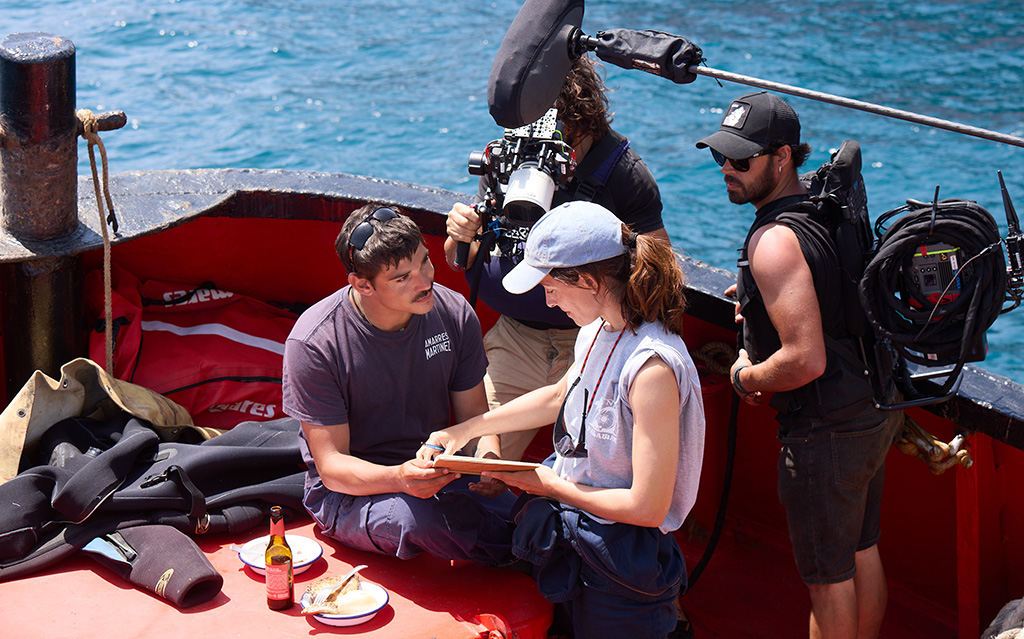
Entre estas experiencias creativas en el mundo de las series, Esteve Birba recibió la llamada de Alberto Rodriguez para volver a trabajar con él tras La peste y fotografiar Los Tigres, un drama ambientado en la costa de Huelva que aúna thriller, narcotráfico y una trama familiar con tintes sociales. A la hora de definir el tono de la película, el director quiso, como siempre, seguir cercano a la realidad. Para ello, realizó una investigación muy profunda del mundo de los buzos comerciales, lo que acabaría reflejándose en la imagen del film.
Esta indagación trajo consigo horas y horas de material de archivo: desde imágenes de referencia de este particular del mundo, hasta vídeos captados por el doble de Antonio de la Torre, buzo profesional. “Nos pasó todos los vídeos que tenía. Eran un montón. A raíz de eso pudimos tomar imágenes impactantes que acabaron en el film. Por ejemplo, el salto de los buzos entre dos barcos de noche son elementos que sacamos de su trabajo. Eran imágenes muy potentes que tenían cabida en la película”, recuerda Esteve.
La técnica de Los Tigres
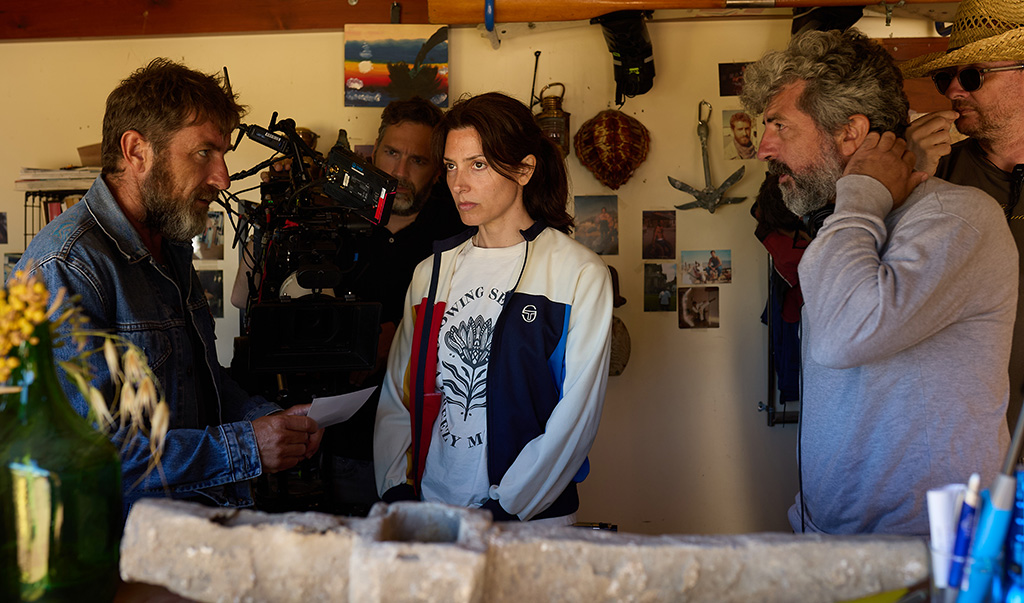
El desarrollo de la película en dos universos diferenciados, sobre y bajo el agua, llevó al equipo de dirección a escoger dos cámaras: la Sony Venice 2 and the ARRI Alexa 35. La cámara del fabricante japonés fue escogida por una cuestión logística: “Teníamos muchas secuencias en el Aitor 1, el barco de apoyo en el que van los buzos. Tiene puertas de 60 centímetros, muy estrechas, y nosotros necesitábamos pasar con total libertad”. Para poder conducir con solvencia estas escenas, Esteve descubrió que la única opción de la que disponían era contar con un Ronin de dimensiones reducidas unido al sistema de extensión Rialto de Sony, que permite separar el cuerpo de la cámara de la unidad del sensor de imagen a hasta 5,5 metros.
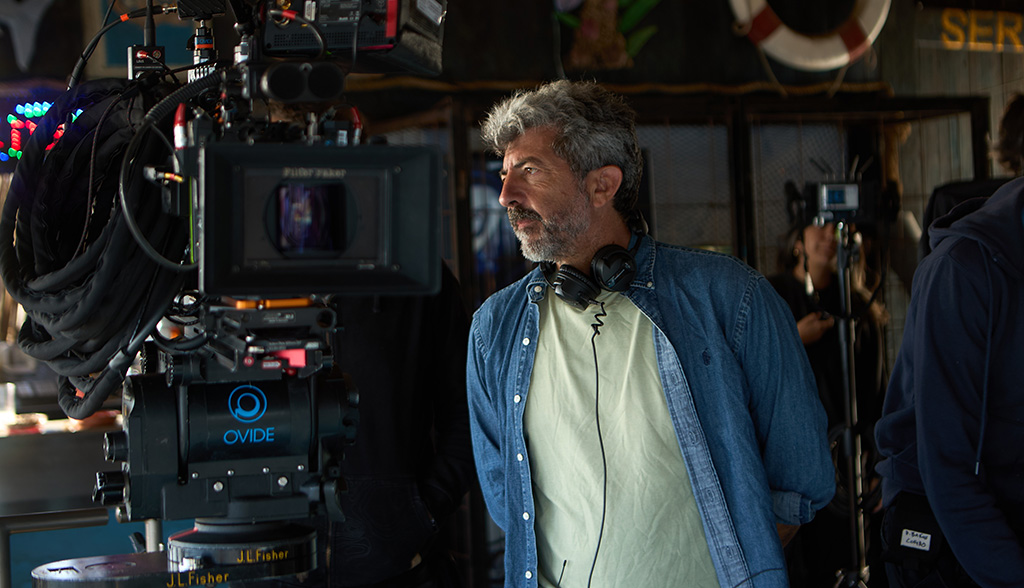 Asimismo, Los Tigres cuenta con escenas grabadas en un petrolero… que “podía aparecer cuando quisiera”. “Es muy difícil contar con el presupuesto para bloquear todo un petrolero los días que quieres. El petrolero viene y te deja rodar. Por eso, teníamos que tener disponible una cámara para saltar de repente y adaptarnos a las circunstancias, lo que hizo que apostáramos por la Sony”, comenta.
Esteve Birba y Rodríguez eligieron las Apollo of Xelmus para acompañar tanto a la Venice como a la Alexa 35. El anamórfico aportaría a la escena un acabado “superatractivo” a elementos como el decorado, los personajes y “la propia historia”, pero traía consigo ciertas limitaciones en el subacuático, dada la distorsiones de este medio. No obstante, la construcción de las lentes de Xelmus se adaptaban a la perfección a los condicionantes del proyecto: “El problema del anamórfico es que las mínimas siempre son muy malas. No bajan del metro nunca. Sin embargo, estas son unas anamórficas que tienen una mínima cortísima: eran perfectas”.
La luz bajo el agua
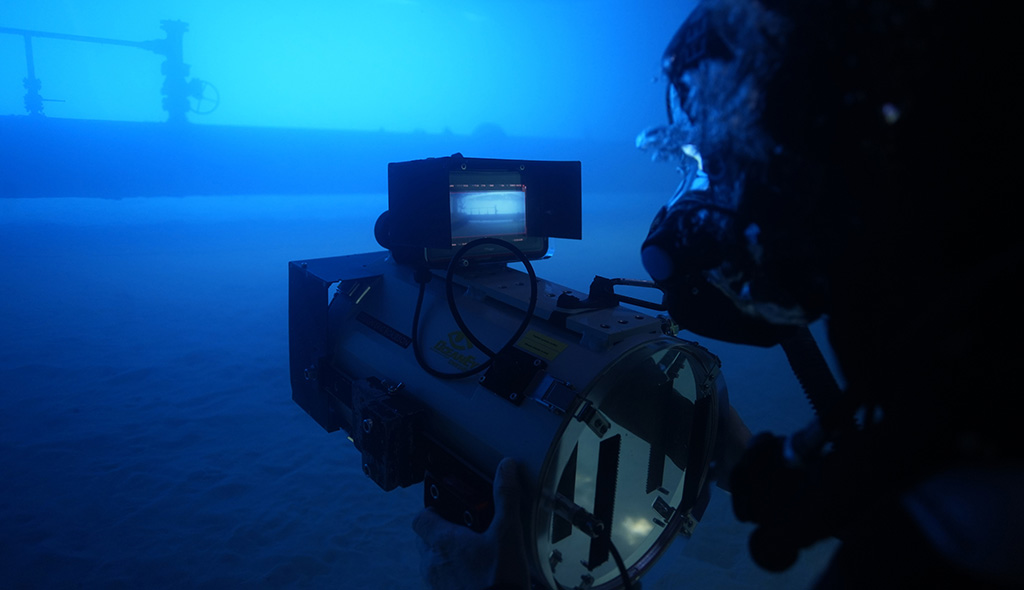
Con la Venice 2 captando el terreno fuera del agua, la protagonista de los entornos subacuáticos, rodados entre las propias costas de Huelva y los estudios Ciudad de la Luz de Alicante, correspondieron a la ARRI Alexa 35. Esteve Birba reconoce que no tenía ninguna experiencia en este terreno; tanto es así que, en el momento de leer el guion, se puso en contacto con producción para contar con una persona especializada en este tipo de contextos.
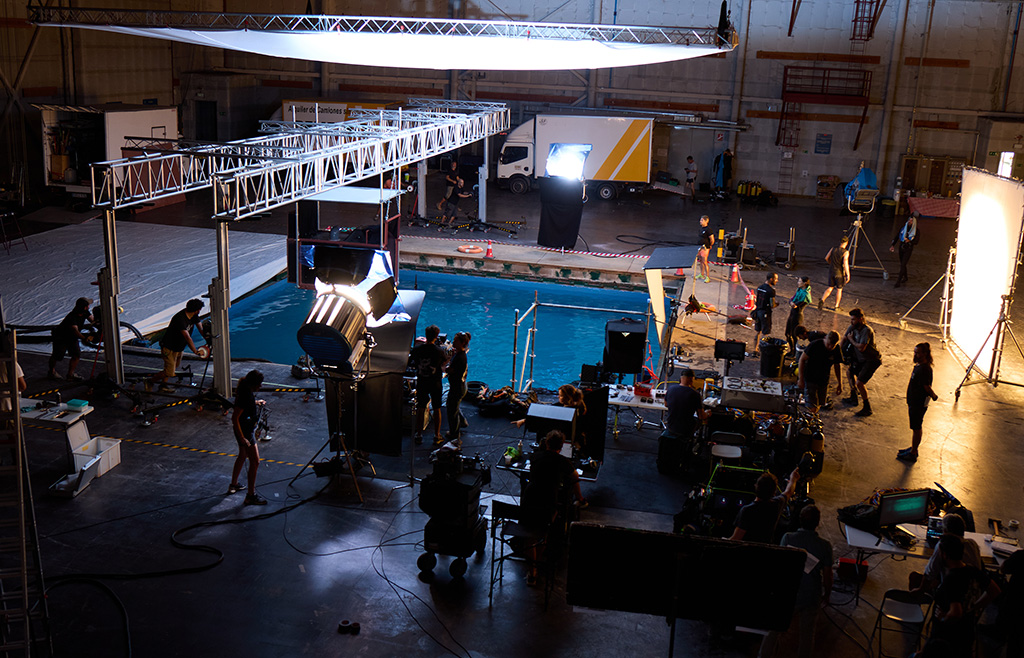 Tras estudiarse decenas de películas europeas con partes subacuáticas, Esteve Birba descubrió que en todas ellas figuraba el mismo operador de cámara: Eric Börjeson. En él encontraron una fuerza de conocimiento inacabable; no solo tenía experiencia en todo tipo de entornos, naturales o controlados, sino que su amor por la ingeniería le llevaba a fabricar por sí mismo las carcasas necesarias para todos los elementos técnicos involucrados.
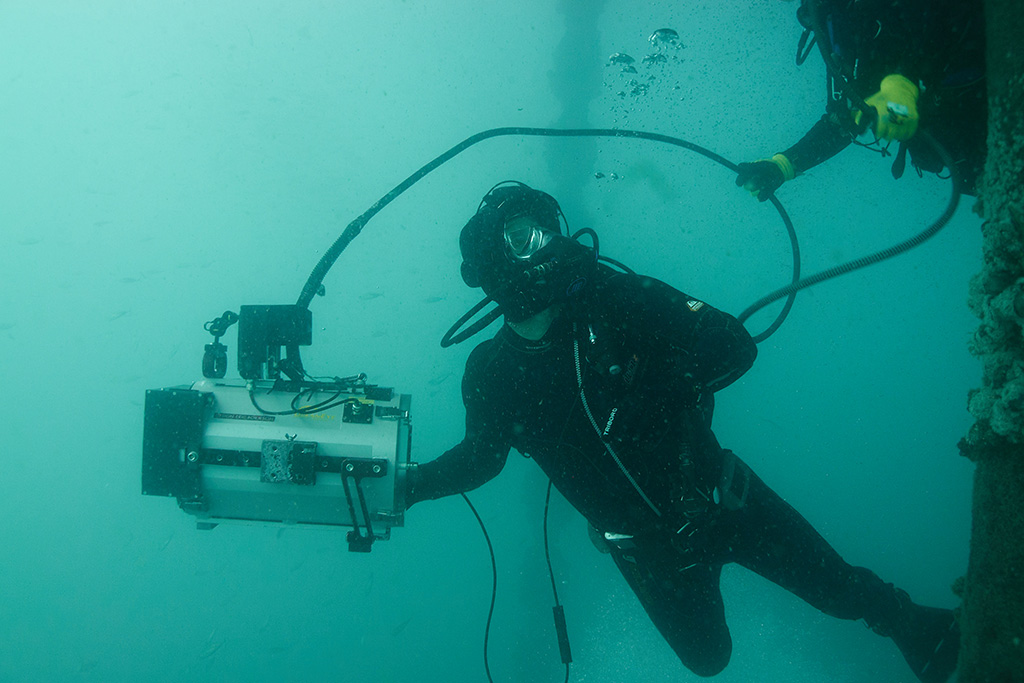 Börjeson, en colaboración con un equipo de buzos procedentes de Malta, se encargó de ejecutar la visión creativa de Esteve y Rodríguez. Todos ellos compartieron su experiencia, llegando a modificar la planificación de las escenas. Y es que el comportamiento de los movimientos de la cámara y la luz bajo el agua trae consigo importantes limitaciones: “Desconocíamos que algo tan tonto como un plano hacia atrás, un trackback de un actor, es todo un parto en el agua. El camarógrafo tiene que ser tirado por un buzo para ser desplazado. Hasta que no te lo cuentan, no caes en este tipo de cosas”.
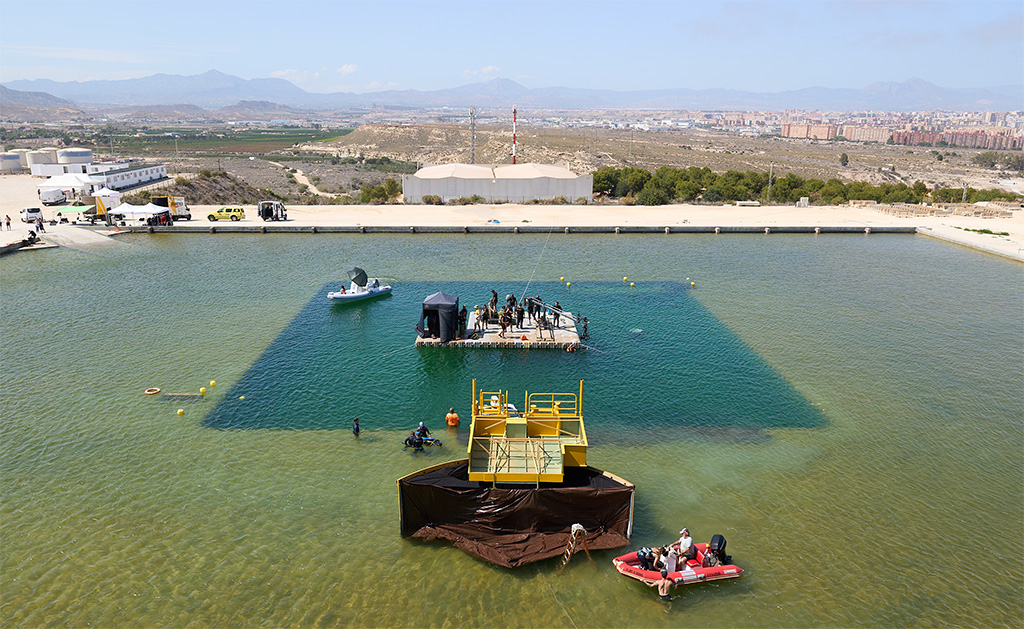 He tratamiento de la luz también trajo consigo sus propios desafíos. Tras coordinar con el diseñador de producción, Pepe Domínguez del Olmo, los materiales adecuados para que los entornos subacuático reflejaran bajo el agua una continuidad con las escenas del resto del film, llegó el momento de tratar la iluminación de la escena: “Rodamos en una piscina en Ciudad de la Luz que era muy poco profunda, y las escenas que trabajábamos se ambientaban a 40 o 60 metros bajo el agua, lo que hacía que los rayos de sol no pudieran pasar”. Para solventar esta cuestión, fue necesario disponer plásticos en tonos azules y negros en la superficie del agua para limitar y transformar las fuentes de luz que, salvo algún recorte, siempre procedieron desde entornos externos: “La Astera contaba con una carcasa muy dura. Entonces Eric, con una impresora 3D, fabricó un plástico blanco que permitió suavizar la fuente de luz. Lo utilizamos para algún relleno de primeros planos”.
Aún con la espectacularidad de estas escenas acuáticas, Esteve Birba no duda en reivindicar otras muchas secuencias de la película. “Las interacciones con los narcotraficantes son dos secuencias muy bien resueltas. Una es un plano secuencia en 360 grados y la otra se resuelve con tres zooms muy sencillos. Ellos siempre están fuera de campo y nunca los terminas de ver, lo que crea unas sensaciones muy interesantes”, comenta.
Equilibrando mares en sala
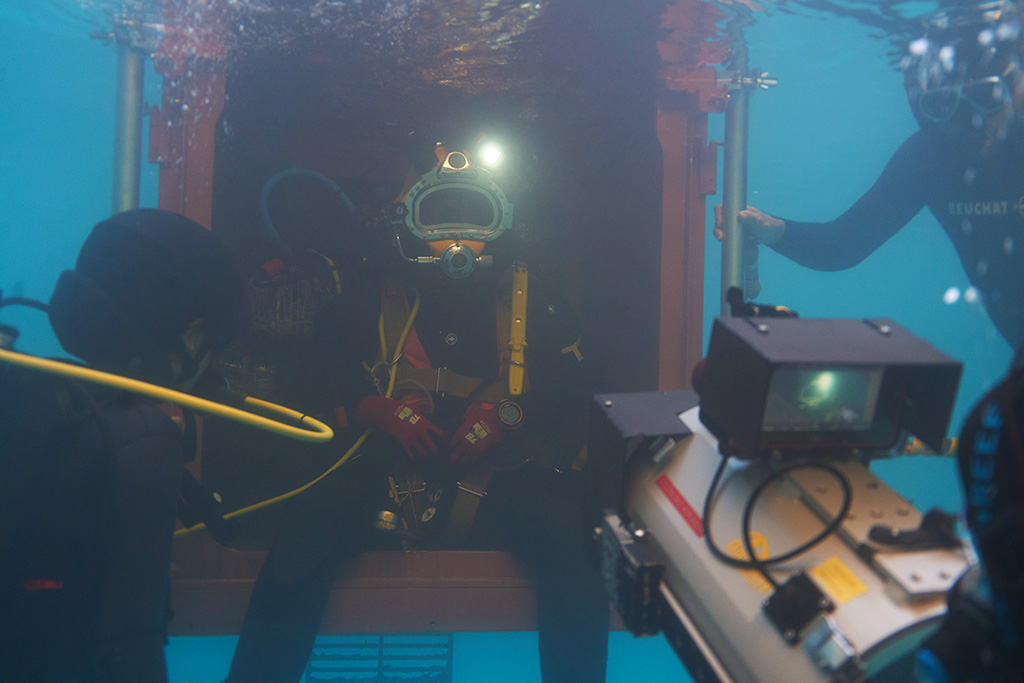
Los Tigres ha contado con Noémie Dulau como colorista, quien ha finalizado la película utilizando el software Baselight of Filmlight. Frente a ella, un gran desafío que preocupaba desde la fase de rodaje a Esteve: la mezcla de las aguas. “En Los Tigres hay muchísimas escenas subacúaticas, pero estas fueron rodadas en piscinas exteriores, en piscinas interiores y a mar abierto, dado que podíamos necesitar que las imágenes estuvieran acompañadas por el casco de un barco o una monoboya”, explica el director de fotografía, subrayando que era necesario un trabajo de “equilibrar las aguas en densidad, textura y color”.
Nada que la magia de la sala no pueda solucionar. El reto se superó con nota, con la película siendo finalizada en formato cine. Dulau también se encargó de generar una versión en HDR dirigida a plataformas digitales, pero Esteve reconoce que el alto rango dinámico no es santo de su devoción: “Noémie sacó una versión HDR en 4K, pero no quiero ni verla. ¡Me pongo malo! Quizá es porque soy medio antiguo. Mis películas, tras repasarlas unas 50 veces en el laboratorio, las veo el día del estreno en pantalla grande con DCP. Y ya está”.
En búsqueda de una road movie
Esteve, actualmente rodando una nueva serie de episodios de The Walking Dead: Daryl Dixon, cuenta con proyectos en el horizonte planificados, pero todavía confidenciales. Quién sabe si en ellos podrá utilizar la ARRI Alexa 35, la que reconoce que es su cámara predilecta por “textura, color y latitud”. O si podrá aplicar de pleno esos rasgos identitarios de su fotografía, que suelen derivar en “luces bajas”, dado que su reto “es que no se note que he pasado por ahí”.
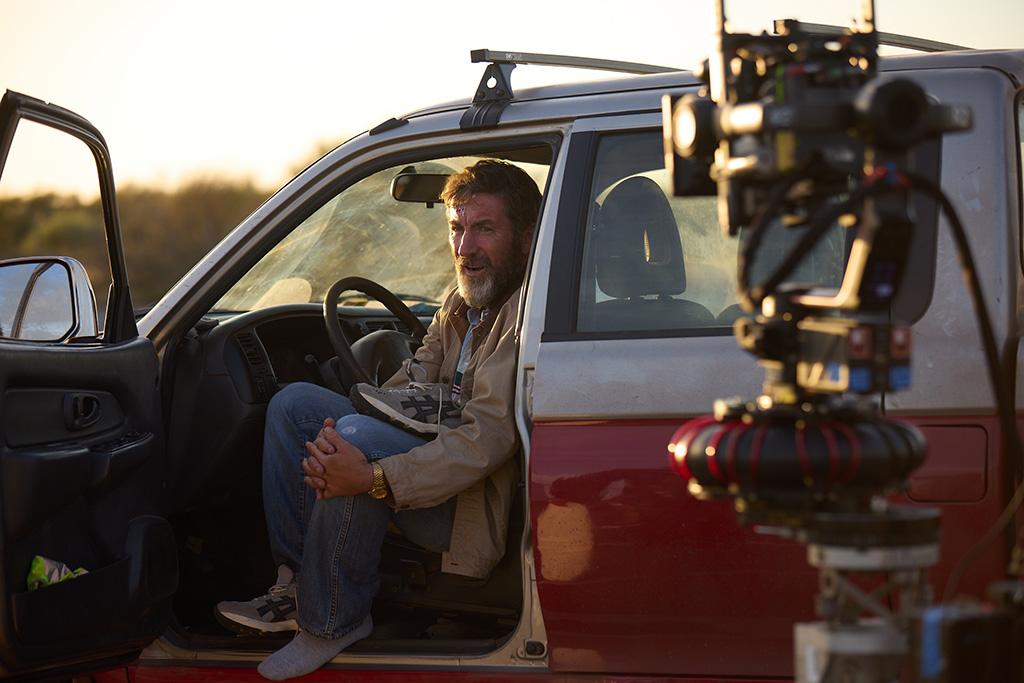
Lo que sí tiene claro es su espinita clavada. Ese proyecto que todavía no ha podido materializar. Los teléfonos están abiertos: “Puede parecer algo tonto, pero me muero por hacer una road movie. Algo pequeñito. Me viene a la cabeza París, Texas. Una película de ese tipo, pequeña, de dos personajes, prácticamente. Me encantaría”.
A report by Sergio Julián Gómez
Did you like this article?
Subscribe to our NEWSLETTER and you won't miss anything.
Related articles
 ‘Fury’ (HBO Max): brave photography and color for an “extreme” series
 La fotografía de ‘Muertos S.L.’ y ‘Machos Alfa’ (Contubernio): la libertad y valentía visual en la comedia
 La realización de la final de la Champions League 2024, desde dentro
 Alberto Rodríguez regresa con ‘Los tigres’, un original Movistar Plus+ ya en rodaje
 CCMA, inside the labyrinth: the arrival of IP to channel 3/24
 Revolución en los estudios de Aragón TV: la historia contada desde dentro
 Carlos Rigo: rompiendo la perfección del vídeo en la fotografía de ‘Cardo’
 Filmlight ofrece la posibilidad de trabajar en paralelo edición y color, incluso en HDR 4K
 Pau Esteve: “Opté en ‘Caníbal’ por la ARRI Alexa porque te da muchas posibilidades de corrección de color”
 Filmlight apuesta por el uso de metadatos para agilizar los procesos de corrección de color
 Cine español: más reconocimiento fuera que dentro
 Alta velocidad sobre el agua con Sony y Fujinon
 Spanish cinema earns more abroad than inside
 ¿Cómo operar con la Canon D5 y D7 como si fuera un camcorder HD profesional?