





High speed over water with Sony and Fujinon
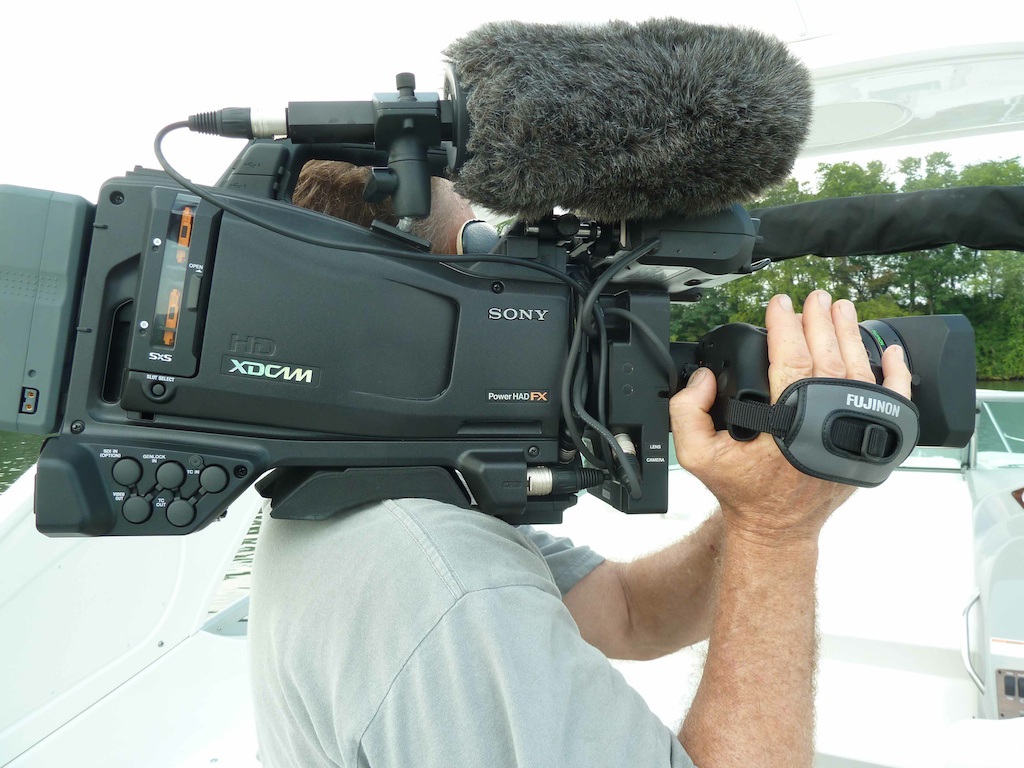
El camarógrafo norteamericano Paul Cronin cuenta con la lente Fujinon HD ZA17x7.6BE y su camcorder Sony XDCAM HD PMW-500, junto al estabilizador de imagen TS-P58A de Fujinon, para obtener las imágenes sobre embarcaciones a gran velocidad más espectaculares.
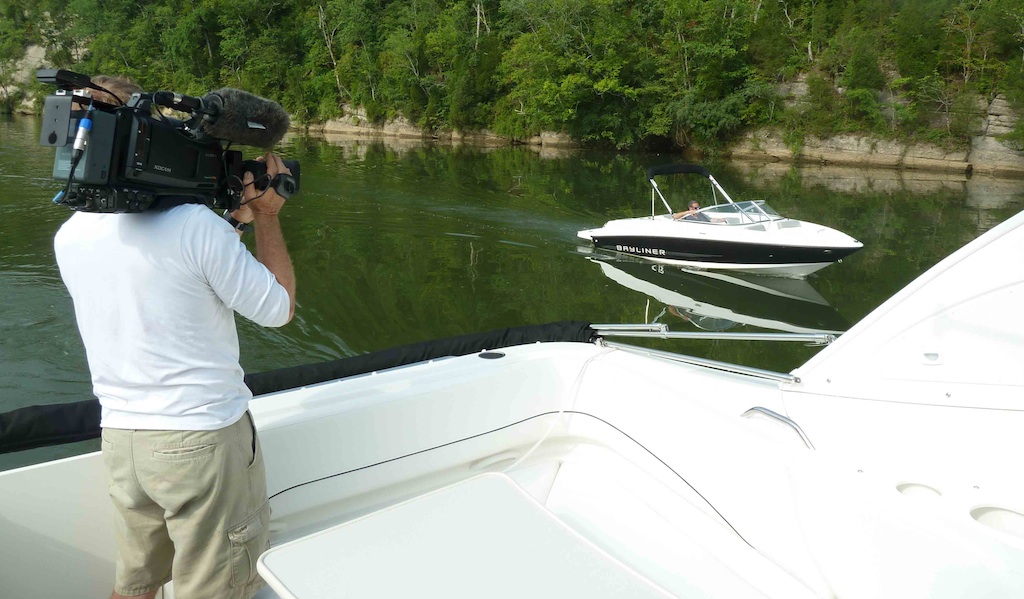
Paul Cronin y su productora WhiteCap Video, se han especializado en producciones de lo más complejas: grabar sobre embarcaciones en las condiciones más extremas de humedad y vibraciones a altas velocidades.
Cronin cuenta con la lente Fujinon HD ZA17x7.6BE y su camcorder Sony XDCAM HD PMW-500 junto al estabilizador de imagen TS-P58A de Fujinon para obtener las imágenes sobre embarcaciones a gran velocidad más espectaculares.
Cronin, que lo primero que busca en un objetivo es su robustez, se ha mostrado más que satisfecho con la respuesta y distancia focal que le proporciona el ZA17x7.6BE. Además, cuando quiere abrir aún más el plano utiliza un adaptador de gran angular. Esto le da al camarógrafo tres opciones de lentes: ZA17x con adaptador, solo ZA17x, y las tomas largas y estable del ZA17x junto al estabilizador TS-P58A.
“Esto cubre todas las necesidades de mis clientes actuales”, ha reseñado Cronin. Con el estabilizador, la longitud focal se incrementa alrededor de un 25 por ciento. “Cuando trabajas con embarcaciones que se mueven a más de 60 millas por hora, el enfoque es francamente crítico. El mayor alcance que recibo gracias al estabilizador de imagen TS-P58A me ayuda muchísimo”, ha añadido.
Este operador de cámara es capaz de grabar de pie sobre una embarcación que se mueve a gran velocidad a otra embarcación que puede estar a diez metros o a más de quinientos. “Ahí es donde mi estabilizador es oro. Reduce el tiempo a la mitad porque consigo el material que necesito la primera vez. Eso nos ahorra un montón de dinero”, destaca Cronin.
Para Cronin, el TS-P58A es muy fácil de operar proporcionando una sensación de giro variable similar a las imágenes obtenidas por estabilizadores usados en helicópteros.
Además, apenas se requiere de un par de minutos para poner y quitar el Fujinon TS-P58A ya que se trata de un estabilizador óptico de estilo sandwich. Se monta entre la lente y la cámara y aumenta la ampliación en un 25 por ciento. “Es extremadamente compacto, y estoy impresionado con su consumo de energía”, dijo Cronin. Su consumo es de apenas 4,2 W a DC12V (de la cámara).
Did you like this article?
Subscribe to our NEWSLETTER and you won't miss anything.
Related articles
 Blackmagic transforms 60 iPhones into a high-speed camera for Vogue
 MRMC Super Milo combines precision and high speed
 CCTV broadcasts live from a high-speed train thanks to Aviwest links
 Canon updates XF705 firmware with more high-speed HDR and recording options
 Crosscast launches XCAM 1050, a high-speed HD micro camera
 Akamai accelerates content availability with Aspera high-speed file transfer
 Telson will design the new Renfe channel for high speed and long distance
 ARRI introduces new pattern for high-speed photography HMI
 I-Movix promete solucionar los problemas de parpadeo al usar cámaras de ultra alta velocidad
 LaCie announces new high-speed storage solutions with Thunderbolt
 NEC prepares its digital cinema projectors for high frame rate films
 Iberoptics will show the PCO.Dimax+ high-speed camera at Broadcast IT'11
 PESA High Speed Video and Audio Solutions at NAB 2011
 EVS makes fastcam super-slow, high-speed repeat possible