





Maurizio Scaparro presentará en Sevilla su última película con Azcona
L’ultimo Pucinella se proyectará en una sesión especial de homenaje al genial guionista fallecido y al director de la Bienal de Teatro de Venecia.
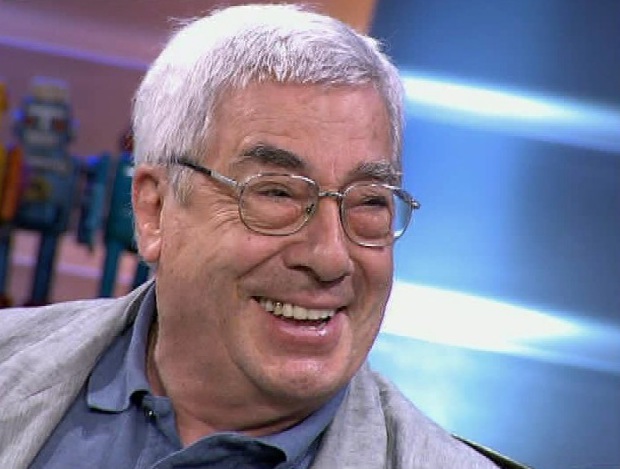 Sevilla Festival de Cine Europeo hará una presentación especial del último trabajo producido en Italia del guionista español, recientemente fallecido, Rafael Azcona, dirigido por uno de los más prestigiosos directores europeos de cine, teatro y televisión, el italiano Maurizio Scaparro, actual responsable de la Bienal de Teatro de Venecia, que asistirá al estreno.
La colaboración entre Scaparro y Azcona se inició cuando el director italiano fue nombrado asesor de actividades teatrales de la Exposición Universal de Sevilla 92. Fruto de la misma fue la producción teatral y audiovisual de una versión del Quijote, protagonizada por Josep María Flotats, que sirvió para abrir la programación cultural de la Expo 92 en el teatro Lope de Vega.
La colaboración artística derivó en una gran amistad entre los dos creadores que se ha mantenido hasta el final. “Es una gran satisfacción poder presentar en España esta película sobre todo como homenaje a Rafael”, comentó Scaparro durante su encuentro con el director del Festival de Sevilla, Javier Martín-Domínguez, en el transcurso de la Mostra Cinematográfica de Venecia. Además, afirmó estar ilusionado de volver a Sevilla, su ciudad adoptiva, en la que “fui muy feliz trabajando y donde hice muchos amigos”.
Azona, el gran maestro
Rafael Azcona es uno de los grandes guionistas del cine español. En 1959, comenzó su fructífera carrera ya que varios de sus guiones fueron llevados al cine por el director, también italiano, Marco Ferreri, entre ellos, Una storia moderna, Se acabó el negocio, o Il profesore aunque los de mayor éxito producidos en España, fruto de esta colaboración, fueron El cochecito y El pisito. En 1961, Luis García Berlanga dirigió el primer guión original de Azcona, Plácido. También trabajó con Carlos Saura (La prima Angélica o Oh, Carmela!), Luis García Berlanga (The executioner o La vaquilla), Fernando Trueba (El año de las luces, Oso de Oro en el Festival de Berlín, o Belle époque, Oscar de Hollywood a la mejor película extranjera), y José Luis García Sánchez (La corte de faraón y Tranvía a la Malvarrosa). Es autor de varios libros, entre los que se encuentra El Estrafalario o Vida del repelente niño Vicente, sobre las aventuras de este personaje que inventó en su época de La Codorniz.
Rafael Azcona ganó el Premio Nacional de Cinematografía en 1982, la Medalla de Oro de las Bellas Artes en 1994 y el Goya de honor en 1998. Por sus guiones, Azcona ha ganado cinco premios Goya: El bosque animado (1988), ¡Ay, Carmela! (1991), Belle Époque (1993), Tirano Banderas (1994) y The language of butterflies (2000). Azcona además fue un amante de las nuevas tecnologías.
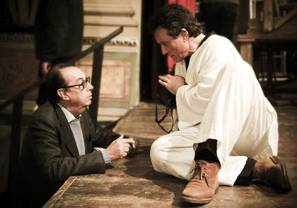
L'ultimo Pulcinella
L’ultimo Pulcinella, libremente inspirado en un texto inédito de Roberto Rossellini, narra la historia de una relación, a veces traumática, entre un joven napolitano a la búsqueda de nuevos estímulos creativos y una vida lejos de su ciudad, y su padre, artista callejero, que se gana la vida fatigosamente cantando y representando “las historias de Pulcinella” en las plazas de Nápoles. Asimismo, es la historia de un mundo que cambia, de generaciones que se entienden a duras penas, ambientada entre la Nápoles de hoy y el París de periferia, un cruce de difíciles y muchas veces violentas contradicciones, donde padre e hijo buscaran con esfuerzo construir nuevos sueños también a través del teatro. Pero la desilusión será más fuerte que la esperanza.
Maurizio Scaparro, un ‘monstruo’ de la escena
Entre sus espectáculos destaca La Venexiana una comedia anónima del Renacimiento (realizó tres adaptaciones, la última en 2000 en París, una versión en francés con Claudia Cardinale como protagonista); una innovadora versión de Hamlet de Shakespeare (1972); Cyrano de Bergerac de Edmond Rostand (1977); La Lunga notte di Medea de Corrado Alvaro, en el Teatro Olímpico de Vicenza, con la extraordinaria interpretación de Irene Papas (1976). En los años 80, Scaparro crea el Carnaval del Teatro en Venecia donde espectáculos y performances animan, por primera vez, día y noche los teatros y las calles de la ciudad que logró una gran repercusión mundial (1980-81-82) y con la creación de un gran proyecto multimedia (teatro-cine-televisión) del Don Quijote de Cervantes con la adaptación de Rafael Azcona y Tullio Kezich. El espectáculo teatral fue estrenado en 1983 en Italia para, posteriormente, realizar una gira después Europa.
En los años 90, Scaparro adaptó Memorias de Adriano la novela de Marguerite Yourcenar. Este espectáculo estuvo en la cartelera de los teatros italianos y europeos hasta 2007. En 2000, Scaparro llevó dos de sus espectáculos teatrales al cine Amerika de Franz Kafka y Memores. Actualmente, está trabajando en el espectáculo Polvere di Bagdad con Máximo Ranieri inspirado en Las mil y una noches y con la colaboración de un periodista italiano, enviado especial a la guerra de Irak.
Scaparro ha sido director artístico de la Bienal de teatro de Venecia desde 1979 hasta 1982; en el 1983 Jack Lang, Ministro de la cultura francés, lo nombró director adjunto del nuevo Teatro de l’Europe, junto a Giorgio Strehler. De1983 a1990 fue director artístico del Teatro di Roma. En 1990 fue nombrado asesor de actividades teatrales de la Exposición Universal de Sevilla 92. Ha sido director artístico del Teatro Eliseo de Roma hasta 1999 cuando pasó a dirigir, en Paris, el Théâtre des Italiens. En 2004, volvió a su país para dirigir la compañía italiana y desde 2006, es de nuevo director de la Bienal de Teatro de Venecia.
Did you like this article?
Subscribe to our NEWSLETTER and you won't miss anything.
Related articles
 '1992': Sevilla, a macabre job and DaVinci Resolve, in the latest series by Álex de la Iglesia
 Shotoku will present the latest version of TR-XT touch screen control at IBC 2023
 DPA will present new “next generation” microphones for the broadcast world at NAB 2022
 Black Box to present Emerald's latest 4K solution at NAB 2022
 Paco Cabezas will close the Seville Festival with his new film 'Adiós'
 The Seville Festival will open the curtain with 'Non-Fiction', the latest film by Olivier Assayas
 Dalet will present the latest version of its MAM Galaxy platform at IBC
 Ebantic presentará en BIT Audiovisual la última evolución de BPM4media
 'Julieta', Almodóvar's latest film, will compete for the Palme d'Or at the Cannes Film Festival
 'Autómata', the new film by Gabe Ibáñez, will be presented in San Sebastián
 'Negociador', the new film by Borja Cobeaga, will be presented in Zabaltegi within the San Sebastián Festival
 A preview of the film 'El Somni' will be presented at the San Sebastián Film Festival
 Isabel Coixet will present the documentary 'Aral. The lost sea
 Monte Hellman grades his latest film in Infinia